


Window and Door Glass Options
Glass can preserve a view, soften what is visible through an opening or add a decorative feature to an entrance. Start by identifying which of those jobs matters most in the room. Then compare the visual options that are available for the actual window or door you are considering, along with the other selections in our design center.
A bathroom window, a living-room picture window and a front-door sidelight do not have to use the same glass appearance. A coordinated home can include deliberate differences when each choice serves a clear purpose.
- Licensed, insured, bonded
- Written scope before ordering
- Las Vegas valley

The short version
Window and door glass can be clear, textured for privacy, or decorative. Privacy glass blurs the view but may still show shapes at night with the lights on, so check a sample in both conditions.
01 of 09
Begin with the view from both sides
Stand where you normally use the room and look through the opening. Notice the view you want to keep, neighboring sightlines and any area where privacy matters. Then consider the exterior approach: someone at the front door sees the entrance from a different distance and angle than a person walking past the property.
Record the result in plain terms. You might want daylight without a distinct view into a bathroom, a clear garden view from a dining area or a decorative entrance that reduces direct visibility into the hall. These statements are more useful than a glass name when you discuss glass selections during an estimate.
The amount and placement of glass matter too. A small high window and a tall sidelight present different privacy questions even when they use the same texture. Evaluate the complete opening rather than only a small sample square.
02 of 09
Understand the visual categories
Clear-looking glass
Clear-looking glass keeps the view as a primary feature. It can suit openings where connection to the outdoors matters and privacy is managed through location, landscaping or separate coverings. Confirm the appearance of the actual energy-efficient window package, because glass described as clear can still have a visible tint or reflectance under some conditions.
Ask to compare the proposed glass with adjacent windows that will remain. If matching appearance is important, differences in reflection or tone deserve attention before replacing only part of an elevation.
Textured or obscured glass
Texture changes the detail visible through the glass. Patterns can have a directional grain, a fine diffuse appearance or a more pronounced surface effect. Different products provide different visual results; one generic obscured-glass label does not establish a uniform privacy level.
Some manufacturers use their own privacy descriptions or rating scales. Treat those as information about that manufacturer's product, not a universal test that makes every brand's number directly comparable. Review actual samples and the lighting conditions relevant to your room.
Decorative glass
Decorative designs combine patterns, clear areas, textures or other visual elements. They can make a door or sidelight a focal point, as our glass entry door options show. The amount of clear glass within the pattern may matter as much as the overall design when privacy is a priority.
Look at the full panel layout rather than one cropped detail. A design can change when scaled or adapted to a different size. Confirm the exact configuration available for your door and any related sidelights or transom.
four steps, in order
How a Project Runs
- 1
Tell us about the project
Send your location, the approximate number of openings, and what you want to improve.
- 2
Review the openings and options
We discuss your priorities and assess the details that affect product selection and installation.
- 3
Define the work in writing
The proposal identifies the products and agreed installation scope so you can understand what the project includes.
- 4
Install and review the result
At completion, we review the installed products, operation, visible finish, and care information with you.

03 of 09
Compare privacy under useful conditions
Privacy is about the detail visible through the complete opening. A texture may blur detail while still allowing a silhouette or movement to be noticed. Viewing distance, the person's distance from the glass, angle and lighting all influence the practical result. A small sample held against a hand is a different scene from a full sidelight beside an illuminated hall.
Use a comparison that reflects the room without exposing anyone's privacy. Place the same neutral object behind each sample and view it from the same position. Compare whether its outline, fine detail and movement remain distinguishable. Keep the sample orientation and distance consistent so a stronger-looking effect is not simply caused by a different setup.
Then vary the condition you care about: move the object nearer the glass, change the viewing angle or compare a brighter room behind a darker viewing area. Record what changes. This is a practical sample review, not a laboratory privacy rating or a guarantee for every future lighting condition.
For an entrance, include the actual clear areas in a decorative pattern. A mostly obscured design may still have a clear border at a useful sightline. If the household needs to prevent that view, evaluate another pattern, a different glass placement or an appropriate covering rather than assume the average appearance protects every part of the panel.
Pilkington's texture-glass information grades obscuration relative to patterns within its own range. That is helpful for comparing those products, not a universal number transferable to every manufacturer's glass. State your actual privacy objective and review the supported sample against it.
04 of 09
Understand what texture changes
A clear pane transmits a recognizable scene. A textured or diffuse surface changes the directions in which light passes, making fine detail less distinct while still admitting light. That is why more obscuration does not necessarily mean an opaque, dark panel. It is also why preserving daylight and preserving a sharp view are different goals.
The pattern has a scale and often a direction. A small texture can read differently across a large panel, and a directional pattern can look inconsistent if adjacent pieces are rotated. Ask for the intended orientation on the full-size layout, especially where a door, sidelights and transom are meant to read together.
Identify which surface carries the texture or treatment and whether it is exposed or enclosed in the supplied assembly. This affects the appearance from each side and the relevant cleaning instructions. Do not assume a pattern printed in a catalog tells you the surface orientation or assembly construction.
For a hypothetical bathroom opening, the useful requirement might be daylight with reduced recognizable detail at a nearby walkway. That differs from a dining-room opening whose purpose is a clear garden view. The texture that serves the first task can remove the very feature valued in the second. Begin with the required view, then compare the visual category.
how we install
The Part Behind the Glass

Measured before anything is ordered
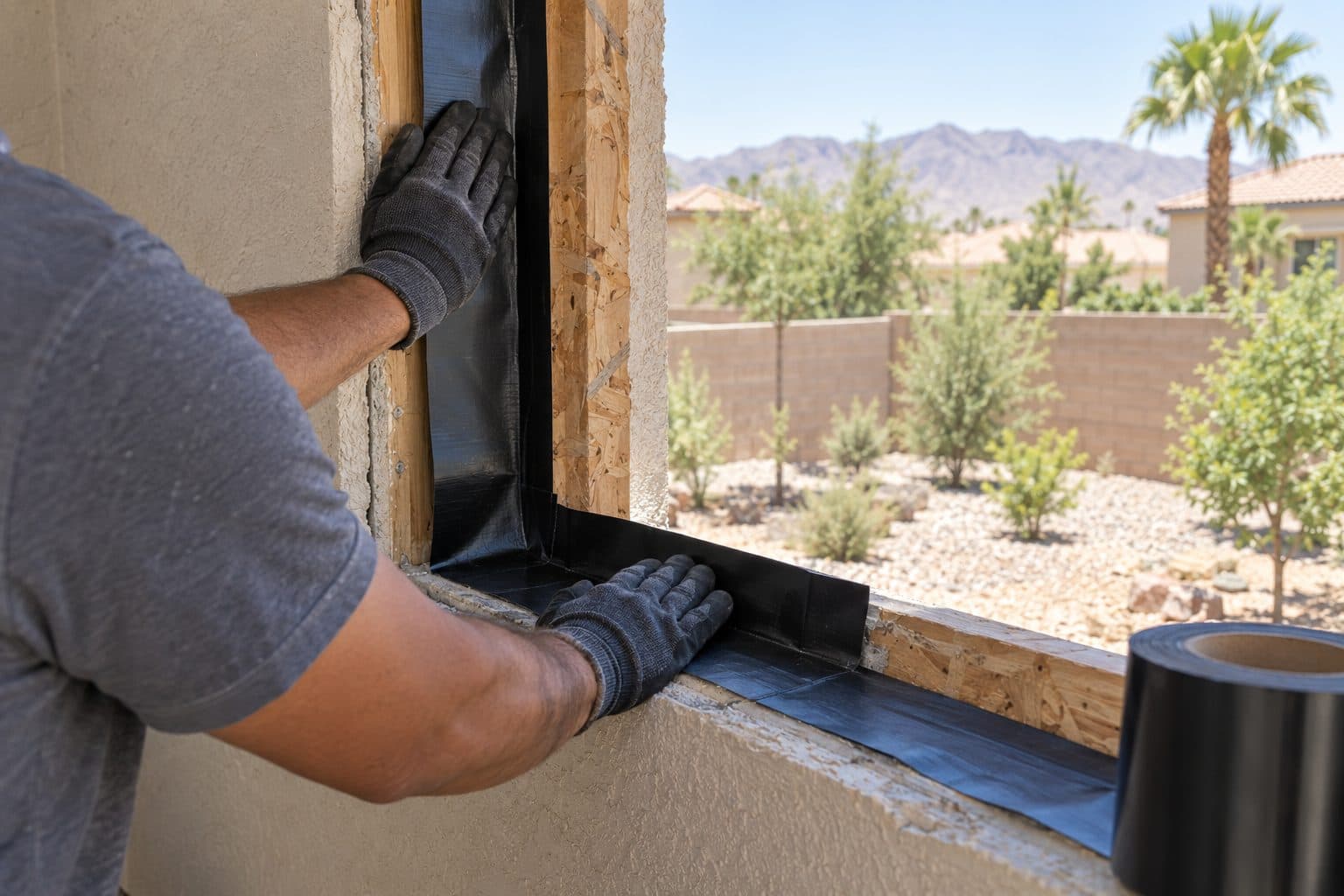
Flashed so water has a way out

Set level, plumb and shimmed
05 of 09
Separate appearance from other glass requirements
Privacy, solar control, safety and sound performance are different specification questions. A frosted appearance does not establish the SHGC, and a dark-looking pane does not prove that it provides the performance you need. Ask for each relevant characteristic separately.
For energy selection, review the exact whole-product ratings associated with the proposed glass package. U-factor addresses heat transfer and SHGC addresses admitted solar heat. Our guide helps you understand glass energy ratings; this page focuses on the visual choice.
Safety-glazing requirements depend on the application and applicable rules. Decorative or privacy glass still needs to be suitable for the opening. Ask the project team to confirm the required specification rather than assuming a pattern name establishes compliance.
06 of 09
Make compatibility visible in the selection
Treat glass selection as a complete assembly record. The required appearance, energy package, safety specification and accessories must coexist in the chosen product. Individually listed options are not automatically compatible.
| Selection layer | Record for the actual order | Check after a change |
|---|---|---|
| Window or door | Manufacturer, series, size and operation | Whether the glass option is supported |
| Visual design | Pattern identifier, orientation and full panel layout | Clear areas, scale and adjacent alignment |
| Assembly | Glass makeup and required safety specification | Whether the revised makeup remains suitable |
| Performance | Applicable whole-product data | Whether the values still describe this configuration |
| Accessories | Grilles, blinds or other supplied features | Space and compatibility within the assembly |
| Care | Exposed surface and approved cleaning method | Whether the treatment changes maintenance |
Manufacturer tables such as Andersen's glass comparison show that glass choices vary across series. Use the selected product's current matrix to confirm the combination; the example is not a list of products we supply.
If one essential feature is unavailable, compare complete alternatives. For example, a preferred texture may be unavailable with the required product configuration. The next decision is whether another supported texture meets the privacy objective or a different product line is appropriate. Silently dropping the required specification is not an equivalent substitute.
07 of 09
Coordinate glass across connected openings
A front entrance with a door, sidelights and transom should be reviewed as one composition. Matching does not always mean using an identical repeated pattern. The goal may be a consistent texture, aligned detail or compatible level of visual openness.
For windows on one elevation, decide which should remain visually consistent and where privacy takes priority. A bathroom opening can intentionally differ from nearby living spaces, but the difference should be understood before installation. It also helps to coordinate grid patterns with the glass.
In a phased project, photograph the retained glass under similar lighting. The new and old units may show differences in tone or reflection. An exact match may be unavailable, so discuss whether a deliberate grouping or another product choice produces a more coherent result.
08 of 09
Compare a full entrance rather than isolated samples
Draw the door, each sidelight and the transom at their actual relative proportions. Mark clear and obscured areas, pattern direction and any decorative borders. A design that looks balanced in a square sample may be cropped differently in a narrow sidelight.
Choose what should align: a horizontal detail, a repeated texture or a similar degree of openness. Exact repetition is not always possible or desirable across different shapes. The key is to make the intended relationship explicit in the approval drawing.
Consider the approach from outside and the normal standing position inside. If privacy and seeing visitors are both priorities, identify how each will be achieved; one glass treatment may not satisfy both without another feature. Do not infer security or visitor-identification performance from a decorative image.
For a phased replacement, compare the proposed glass beside the retained units under similar lighting. Record visible differences rather than promise an exact match from a photograph. If a coherent grouping matters, it may be more useful to compare all connected entrance components together than replace only the central pane.
09 of 09
Review cleaning and future changes
Ask which surface details are exposed and how the product should be cleaned. A sealed decorative assembly and an exposed textured surface may have different care instructions. Use the guide for the actual product rather than a general household cleaning method.
If you expect to add film or another accessory later, discuss that before ordering. Our comparison of Low-E glass and window film explains how they differ. Compatibility and warranty terms need manufacturer-specific review. Do not assume a visual upgrade can be attached later without affecting the glass assembly or its coverage.
Keep the final glass identifier with the proposal and product records. That information helps with future questions and makes it easier to distinguish the ordered selection from a similar-looking pattern.
things people ask us
Frequently Asked Questions
Does privacy glass block all visibility at night?
Do not assume that from the name alone. Review the actual glass and lighting conditions, including silhouettes, viewing angle and distance. Explain the privacy you need so the selection can be evaluated for the room rather than only from a catalog image.
Can decorative glass also have an energy package?
Some combinations may be available, but the exact product determines compatibility. Ask for the identified decorative choice and the performance data for the resulting assembly. Do not carry a rating from a different glass configuration into your proposal.
Can every opening use the same pattern?
Availability and scale can differ by product and size. Review a complete layout for doors, sidelights, transoms and windows together. A coordinated texture or design may be more practical than assuming one identical pattern fits every unit.
Does a high obscuration number mean the same thing across brands?
Not necessarily. A manufacturer may rank patterns relative to its own range. Check what the scale describes and compare the actual samples under relevant conditions. Do not convert it into a universal nighttime-privacy or security score.
Still have a question about your home?
Ask us directly. A quick description of the opening is enough.
keep going
Related Pages
- Design center
Plan the look of your new windows and doors in one place: frame colors, glass, grid patterns and door hardware, and the order in which to choose them.
- Understand glass energy ratings
U-factor and SHGC explained in plain terms: what each window energy rating measures, how to read an NFRC label, and which numbers to compare on a quote.
- Low-E glass and window film
Low-E glass vs window tint: how a factory coating differs from film added later, when each makes sense, and what film cannot fix on double-pane windows.
- Coordinate grids with glass
Window grid patterns explained: common grille layouts, how the bars are built, and how to line up a pattern across the whole front of the house.
- Glass entry door options
Glass entry doors in Las Vegas bring daylight into the foyer. Compare clear, textured and decorative glass, sidelights, transoms and privacy at night.
Sources referenced on this page
Independent references linked in the text above. A manufacturer source explains a product concept; it does not mean Agave Windows supplies that brand.
- Texture-glass information (pilkington.com)
- Andersen's glass comparison (andersenwindows.com)

ready when you are
Request a Glass Selection Discussion
Tell us your location, the approximate number of openings, and what matters most to you. You do not need to arrive with a product already selected.
- Photos can follow once we reply; no measurements needed
- A written scope before anything is ordered
- Licensed, insured, and bonded
Request an Estimate