


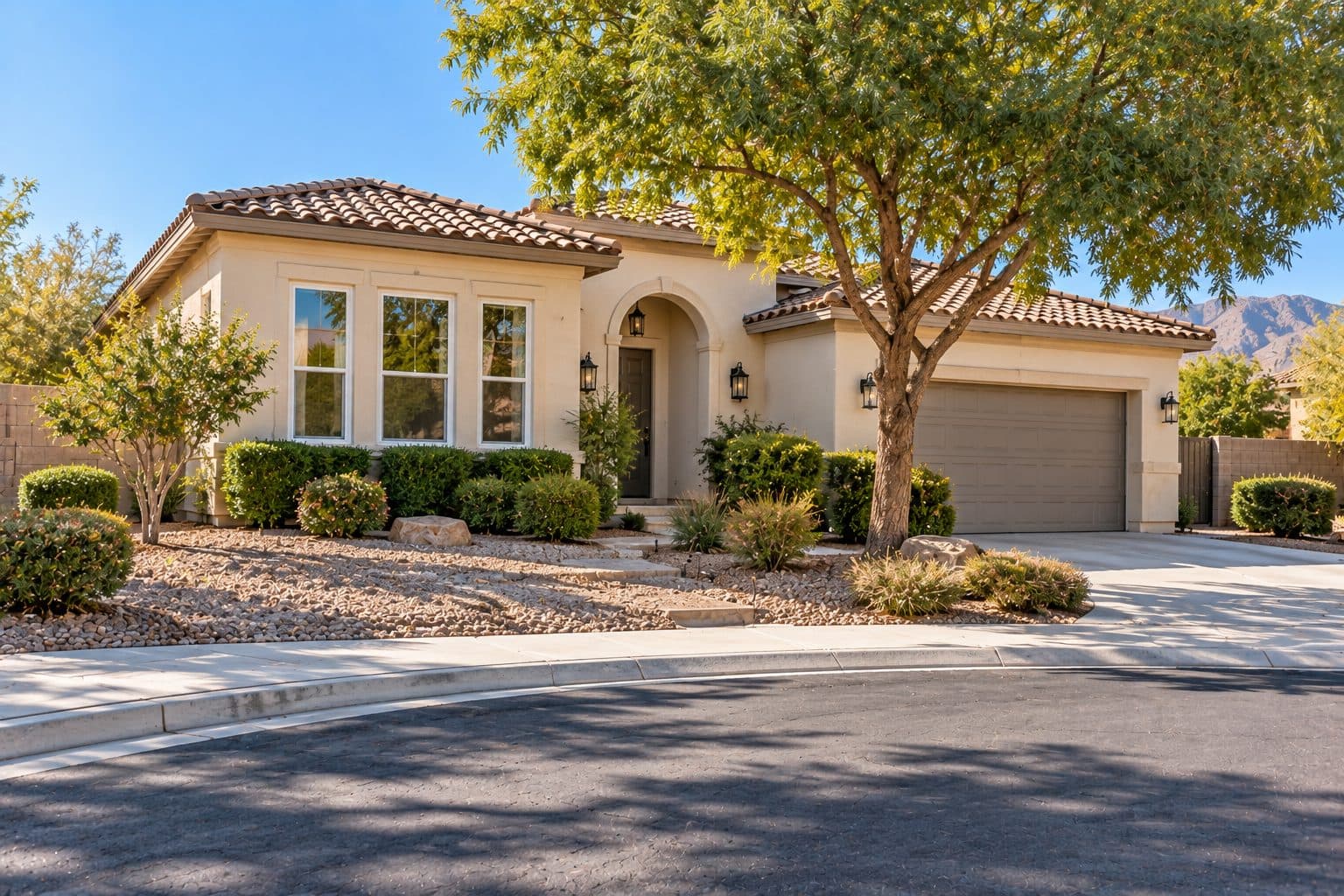
Single-Hung Windows in Las Vegas
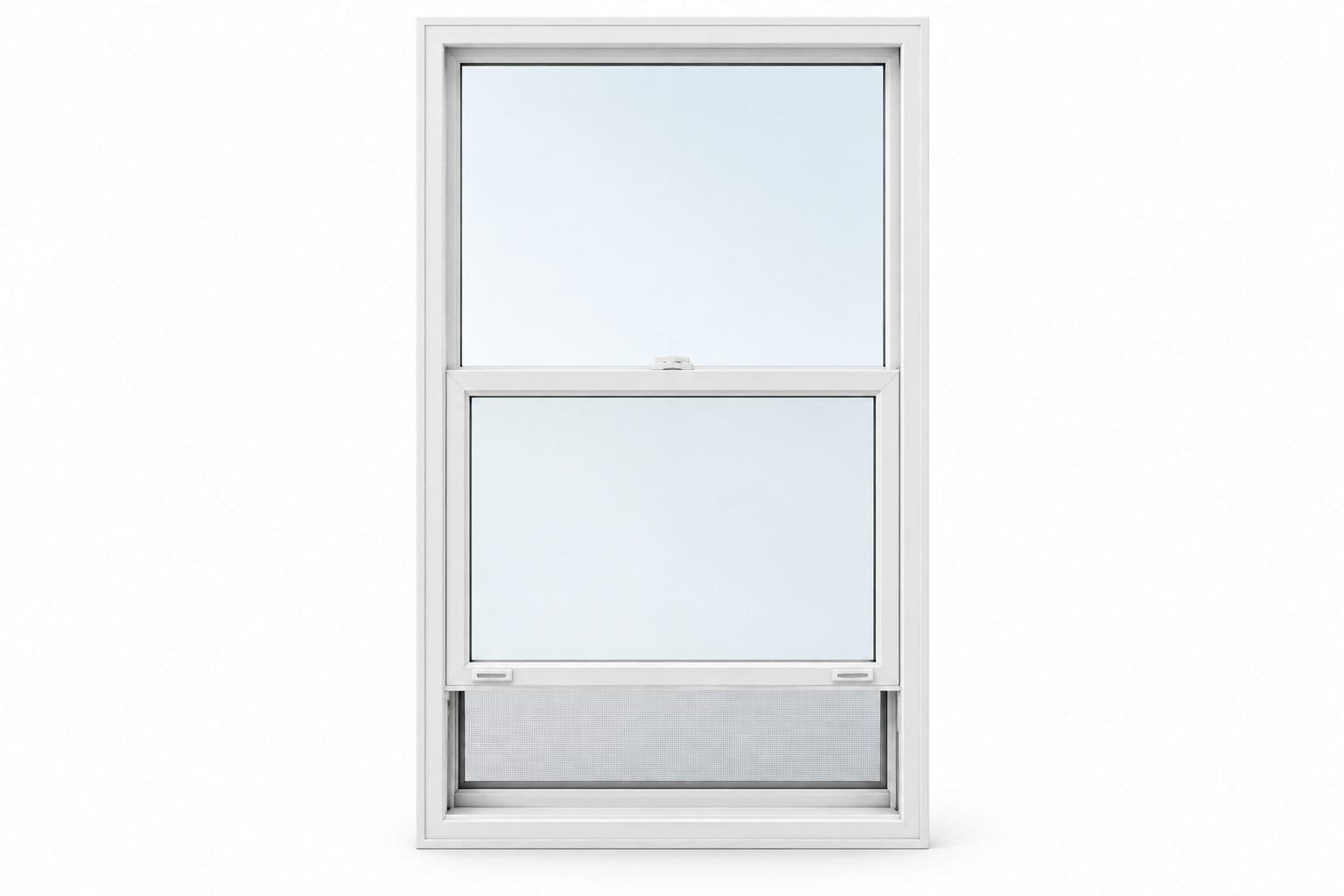
Single-hung windows pair a moving lower sash with a stationary upper section. Among the window styles we install, that familiar vertical arrangement can suit a room where you want lower-sash ventilation and a window that stays within the wall plane when open. Choosing it well means looking beyond the outline to lifting effort, lock position, cleaning access and the finished opening.
Agave Windows helps Las Vegas homeowners consider single-hung replacement windows as a complete room-by-room selection. The goal is a window that looks right on the house and makes sense for the people who operate it.
- Licensed, insured, bonded
- Written scope before ordering
- Las Vegas valley
The short version
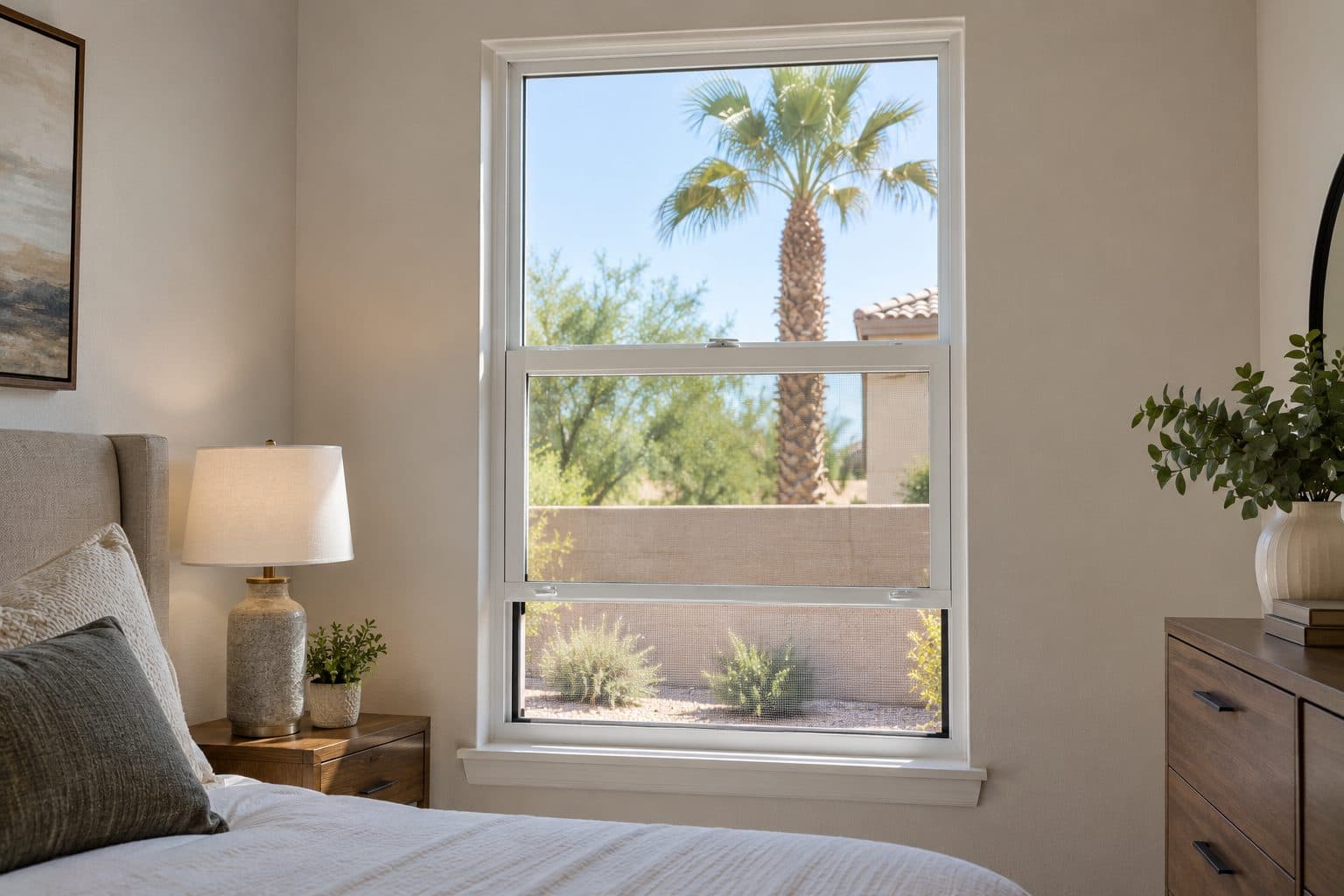
A single-hung window has a lower sash that lifts and an upper section that stays fixed, which has nothing to do with single-pane glass. Check lifting effort, lock reach and how you will clean the fixed upper glass.
01 of 09
Test the lower sash in its working position
The bottom sash lifts while the upper section remains fixed, keeping normal movement within the frame. That can suit locations where a projecting sash would conflict with outside activity. The grip and lock still need to be reachable from the user's position in the furnished room.
Stand where you normally operate the window and account for any bed, desk or counter in the way. Where possible, try a sample with a similar sash size and glass weight: unlock, raise to the intended everyday position, close completely and relock. Ask how the balance system supports the sash, whether it should hold at that position and whether an opening-control accessory changes the sequence. Do not use a makeshift prop to compensate for a sash that will not stay where its instructions say it should.
For an existing window, distinguish difficulty starting movement, binding at one location and drifting after release. These observations help direct a component or replacement assessment; they do not establish a diagnosis.
Record any reach or handling difficulty before ordering. A small display does not replace checking the actual dimensions and configuration, and one moving sash is not automatically easy for every user. Resolve the demonstrated problem while the product choice can still change.
how it works
The lower sash lifts
- 1
The lower sash rises inside the frame; on a double-hung, the upper sash lowers too
- 2
Balances hold the sash where you leave it
- 3
The meeting rail sits at eye level in many rooms, so check the sightline
Illustration of the operating principle, not a drawing of a specific product.
at a glance
Single-Hung Windows
A single-hung window has a lower sash that lifts and an upper section that stays fixed, which has nothing to do with single-pane glass. Check lifting effort, lock reach and how you will clean the fixed upper glass.
- Measured on site before ordering
- Written scope with product and finish details
- Installed, sealed and reviewed with you
02 of 09
Keep the horizontal sightline intentional
A single-hung window has a meeting rail between the upper and lower sections. That rail is part of the view both from the room and from outside. Its location can be especially noticeable beside fixed windows or across a row of openings on the front elevation.
Ask for a drawing that shows the sash proportions. Equal-looking upper and lower sections are not the only possible visual arrangement across all product families, and an existing design should not be assumed available in a replacement line. Matching an old window requires more information than overall width and height.
Review the view while seated as well as standing. A meeting rail that sits comfortably above a chair's sightline may work differently beside a desk. If the main priority is one uninterrupted view, a fixed picture window or differently divided arrangement may deserve consideration before the single-hung specification is finalized.
four steps, in order
How a Project Runs
- 1
Tell us about the project
Send your location, the approximate number of openings, and what you want to improve.
- 2
Review the openings and options
We discuss your priorities and assess the details that affect product selection and installation.
- 3
Define the work in writing
The proposal identifies the products and agreed installation scope so you can understand what the project includes.
- 4
Install and review the result
At completion, we review the installed products, operation, visible finish, and care information with you.

03 of 09
Know the difference between frame size and opening size
When the lower sash rises, it overlaps the fixed upper section. The resulting clear opening is smaller than the full window frame. Travel stops, sash dimensions and the selected design affect the opening that remains.
This distinction matters when the opening has required escape or other safety functions. A product category cannot establish compliance. The actual unit, installed height, clear opening and applicable requirements need review for the property. Replacing an old single-hung with another of similar outside size does not automatically preserve every useful dimension.
If the replacement method retains an existing frame, ask to see the resulting frame-to-frame relationship and visible glass. Our guide to retrofit versus full-frame replacement explains the two methods. A proposal should make any meaningful change in clear opening or daylight apparent before ordering. That allows the installation method and style choice to be considered together.
04 of 09
Make a four-surface cleaning plan
A single-hung window has lower glass that moves and upper glass that stays fixed. Cleaning access is a separate product feature. Some products allow the lower sash to tilt inward; that does not bring the exterior face of the fixed upper glass into the room.
Write down how each glass surface will be reached. This exposes an incomplete cleaning plan before installation, especially above ground level.
| Surface | What to verify | What the answer changes |
|---|---|---|
| Lower glass, inside | Reach over furnishings and sill | Everyday access |
| Lower glass, outside | Approved tilt or removal feature, if any | Whether outside access is still needed |
| Upper glass, inside | Height and obstructions | Interior cleaning arrangement |
| Upper glass, outside | Safe access from outside | Whether this style fits the maintenance plan |
The Pella comparison of hung windows illustrates why the exact line matters: lower-sash cleaning features vary even within the single-hung category. Use the chosen manufacturer's instructions rather than assuming a feature transfers across materials or product families.
For a hypothetical pair of matching front windows, the ground-floor opening may have an accessible exterior paved area while the upper-floor opening sits over a roof section. An identical exterior appearance does not create identical maintenance access. If cleaning the upper fixed glass cannot be arranged acceptably, reconsider that opening's product or budget for a suitable professional cleaning arrangement. Do not assume a household ladder resolves the difference.
A cleaning feature also has a handling requirement. Ask for a demonstration at a representative sash size, including how the sash is supported and returned to normal operation. A feature that exists on paper may be unsuitable for someone who cannot reach its controls or manage the permitted movement.
how we install
The Part Behind the Glass

Measured before anything is ordered
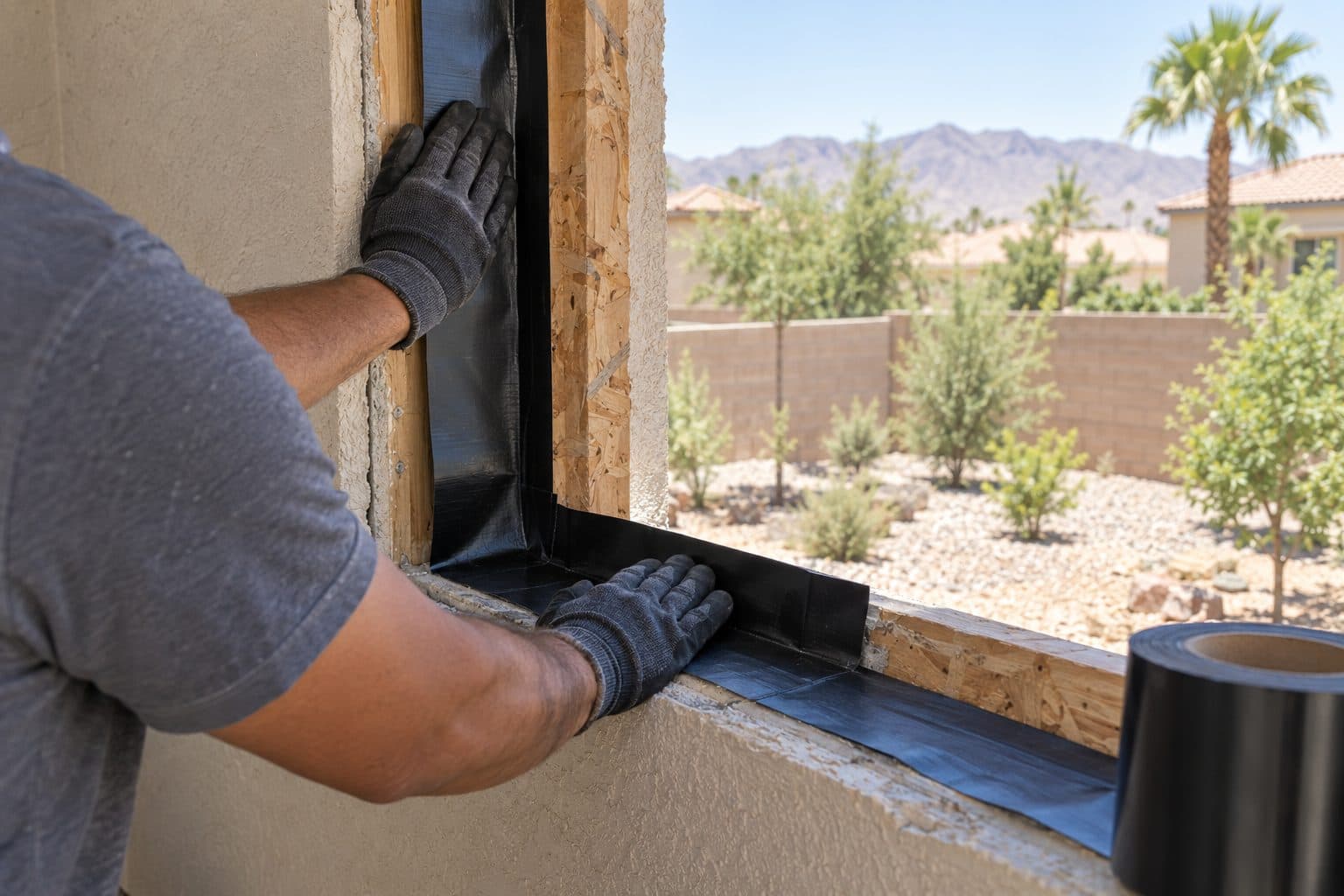
Flashed so water has a way out

Set level, plumb and shimmed
05 of 09
A straightforward operation still needs a complete hardware choice
Locks, lift rails, balances and screen fittings shape everyday use. Ask where the lock is located and whether closing the window requires aligning more than one sash position. The demonstration should include how you know the lower sash is fully seated before engaging the lock.
If several household members use the window, let them try the controls. Small differences in grip shape and reach can matter more than a decorative finish. The heaviest user burden may occur when closing, not opening, so test both directions.
Also ask how the product is identified for future parts inquiries. Keep the order information and any label location instructions. No hardware system should be described as needing no care forever. A useful selection includes an understandable route to product documentation and a realistic maintenance expectation.
06 of 09
Screens and opening control have different jobs
An insect screen covers the venting area in the arrangement provided for the selected window. Confirm its placement, appearance and removal process. A partial screen may look different from a full-height screen when viewed from outside, so include it in the elevation review.
A screen should not be treated as a fall barrier. If a window location needs opening control, fall protection or an emergency escape function, those requirements must be evaluated with appropriate product details. Adding an accessory without checking its interaction with the opening can create a new problem.
During planning, identify children, pets or other household needs that affect how the opening is used. That information helps the project team ask the right questions. It does not mean one general window style supplies a complete safety solution for every household.
07 of 09
Select the glass independently of the sash count
Single-hung describes movement, not the number of glass panes. A single-hung window can use an insulating-glass unit with multiple panes. Do not confuse single-hung with single-pane when reviewing an estimate.
For performance, ask for the whole-product ratings of the exact assembly. U-factor concerns heat transfer; solar heat gain coefficient concerns admitted solar energy. Visible transmittance helps describe daylight. Our guide to window energy ratings explains each figure. Those values should be compared alongside frame design and the proposed glass appearance.
A sunny Las Vegas opening and a deeply shaded opening may call for different priorities. Describe where glare occurs and whether the room's furniture sits close to the glass. The thermal choice should address those conditions without assuming that all windows on the house need a single identical package.
Where appearance must match existing windows, review the tint, reflectance and frame profile in useful lighting. Product names alone are not a reliable color comparison, and a picture on a screen may not show the final glass accurately.
08 of 09
Make replacement details visible before approving the order
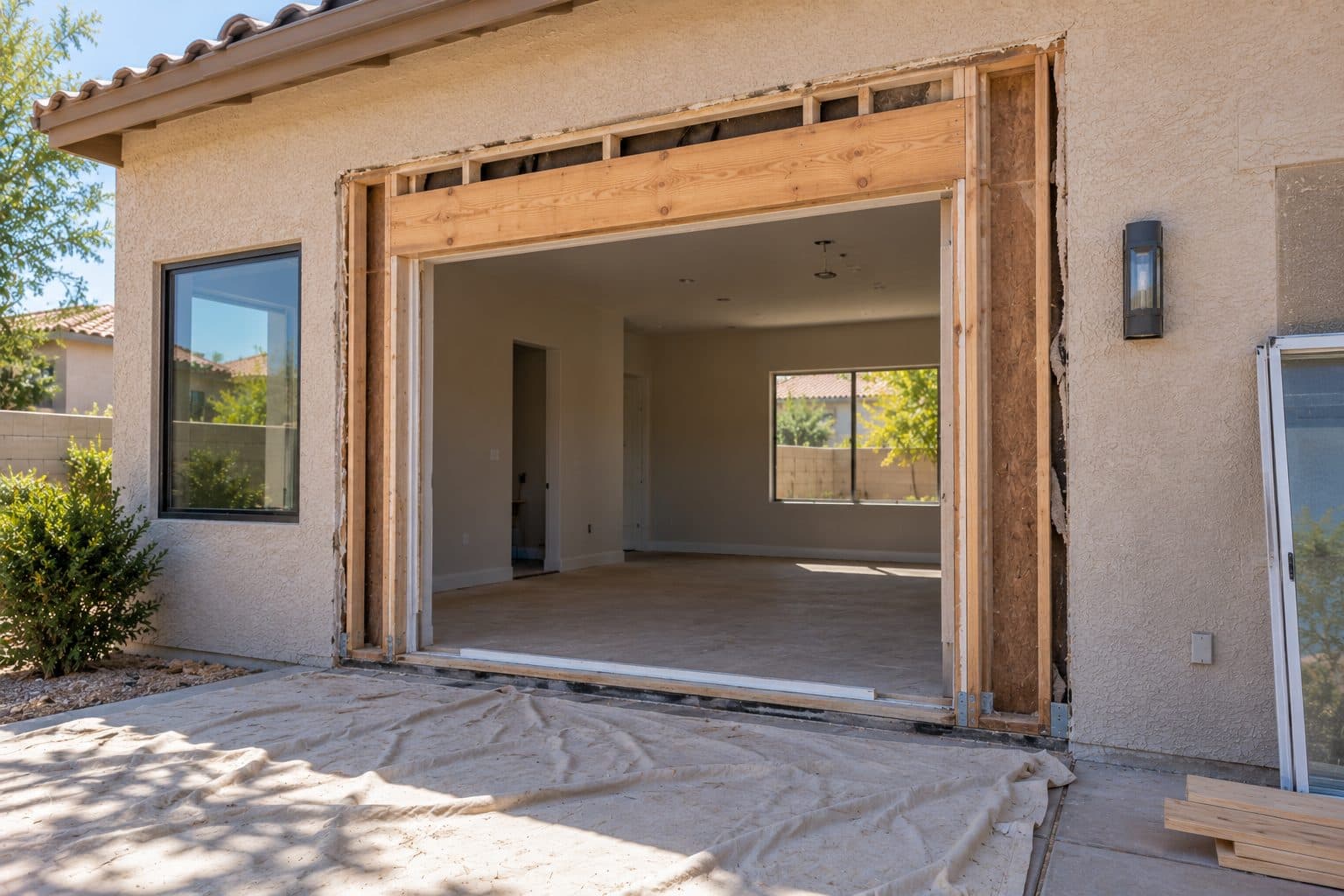
The installation plan should identify whether the existing frame remains, what preparation is required and how the new assembly joins the surrounding wall. A clean-looking perimeter is only one part of that work. Water management and designed drainage must suit the product and opening.
For a stucco exterior, clarify the extent of cutting, trim or repair included in the price. For interior finishes, note whether drywall, trim and paint are included or excluded. Existing shutters may need attention if the finished recess or frame position changes.
If inspection reveals damage or a condition beyond the original scope, the next decision should be documented. The homeowner should understand who assesses it, what additional work is proposed and how approval affects ordering or installation. An apparently simple lifting window can still sit in a complicated wall condition.
09 of 09
Build a single-hung window schedule
Before you request an estimate, list each room and explain why the current opening is being replaced. Note any difficult lifting, obstructed reach, upper-glass cleaning problem or appearance you want to preserve. Photos showing the complete opening are more useful than close-ups alone.
The final schedule should distinguish the frame size, selected glass, sash arrangement, finish, screen and included accessories. It should also identify openings requiring further review before ordering. That information turns a general request for new single-hung windows into a defined project.
At the final walkthrough, practice normal operation and review cleaning access. Check that the window closes and locks as demonstrated and that the agreed finish work is complete. Keep the product information together with the installation documents so later care questions can refer to the exact unit.
things people ask us
Frequently Asked Questions
Does single-hung mean single-pane glass?
No. Single-hung refers to the moving lower sash and fixed upper section. Pane count describes the glass construction. Your quote should list operation and glazing separately so a single-hung window is not confused with an older single-pane unit.
Can the upper section open on a single-hung window?
The upper section is stationary in normal operation. If opening from the top is a priority, discuss a double-hung window. That is a different operating choice, with its own hardware, cleaning and clear-opening details.
Do all single-hung windows tilt inward for cleaning?
No. Cleaning features vary by product, as our single-hung versus double-hung comparison explains. Ask whether the lower sash tilts or removes, how it is supported during that process and how the exterior of the fixed upper glass is cleaned. Follow the selected manufacturer’s instructions rather than a generic video.
Can I use a single-hung window in a bedroom?
Suitability depends on the particular room and opening requirements, as well as the installed product dimensions and operation. Ask for the required review before approving the unit. A style label or an existing window of the same type is not enough to establish that the replacement is appropriate.
What if my existing sash will not stay up?
That symptom needs assessment before selecting replacement scope. It can involve the balance or related components, but the cause cannot be confirmed from the symptom alone, and a window repair may resolve it. Avoid propping the sash as a permanent solution and provide the product identity and a description of the problem when seeking evaluation.
What does lower-sash tilt leave unresolved?
It may improve access to the lower exterior glass, but the upper exterior glass remains fixed. Plan access to that surface separately and confirm the exact cleaning instructions. A feature that helps downstairs may not solve an upstairs access problem.
Still have a question about your home?
Ask us directly. A quick description of the opening is enough.
keep going
Related Pages
- Double-hung windows
Double-hung windows in Las Vegas let both sashes move for airflow at the top or bottom. See what to check for cleaning, screens, reach and glass options.
- Single-hung versus double-hung
Single-hung vs double-hung windows: which sashes move, how each is cleaned, how much they open, and when the extra function is worth choosing.
- Window styles
Compare window styles for your Las Vegas home: sliding, single-hung, double-hung, casement, awning, picture, bay and bow. Find the right fit for each room.
- Window energy ratings
U-factor and SHGC explained in plain terms: what each window energy rating measures, how to read an NFRC label, and which numbers to compare on a quote.
- Retrofit versus full-frame replacement
Retrofit vs full-frame window replacement: what stays in the wall, what comes out, how each affects glass size and finish work, and when each one fits.
Sources referenced on this page
Independent references linked in the text above. A manufacturer source explains a product concept; it does not mean Agave Windows supplies that brand.
- Pella comparison of hung windows (pella.com)

ready when you are
Request a Single-Hung Window Estimate
Tell us your location, the approximate number of openings, and what matters most to you. You do not need to arrive with a product already selected.
- Photos can follow once we reply; no measurements needed
- A written scope before anything is ordered
- Licensed, insured, and bonded
Request an Estimate