


- 7 min read
- Updated
- Supports: Replacement Windows
How to Choose Replacement Windows in Las Vegas
Choosing replacement windows is easier when you make the decisions in the right order. Begin with what each room needs, establish what the existing opening can support, and then compare replacement window options and installation proposals. Starting with a favorite frame color or a price per window can leave important differences hidden until late in the project.
Your goal is a short, understandable specification for each opening. It should explain what changes, what stays, and how you will recognize a satisfactory result. You do not need construction experience to prepare that brief. Observations about everyday use are the most useful starting information.
The short version
To choose replacement windows, list what each room needs, rule out styles that will not fit or function, then compare whole-window ratings, installation method and finish work using the same opening list for every quote.
On this page
Make a room-by-room list before choosing products
Walk through the home and give every opening a simple name: front bedroom left, kitchen sink, dining room patio side. Record what matters there. Is afternoon glare the problem? Is the sash difficult to move? Would you like a clearer view? Does the window need to work around a walkway, a faucet or a desk?
Distinguish a symptom from an objective. “Fog appears between the panes” describes something to assess. “A clearer view without changing the exterior appearance” describes the result you want. Keeping both on the list helps prevent a broad replacement recommendation from overlooking a narrower, suitable solution.
Give each opening a priority: address promptly, include if practical, or consider later. This is a planning list rather than a remote diagnosis. Broken glass, unstable components or an opening that cannot be secured deserve professional attention before appearance upgrades.
Decide which features need to match
A house does not always need one operating style everywhere. It may need a consistent exterior finish and frame profile while using different opening arrangements inside. Identify the windows seen together from the street and the windows seen together from a main living space.
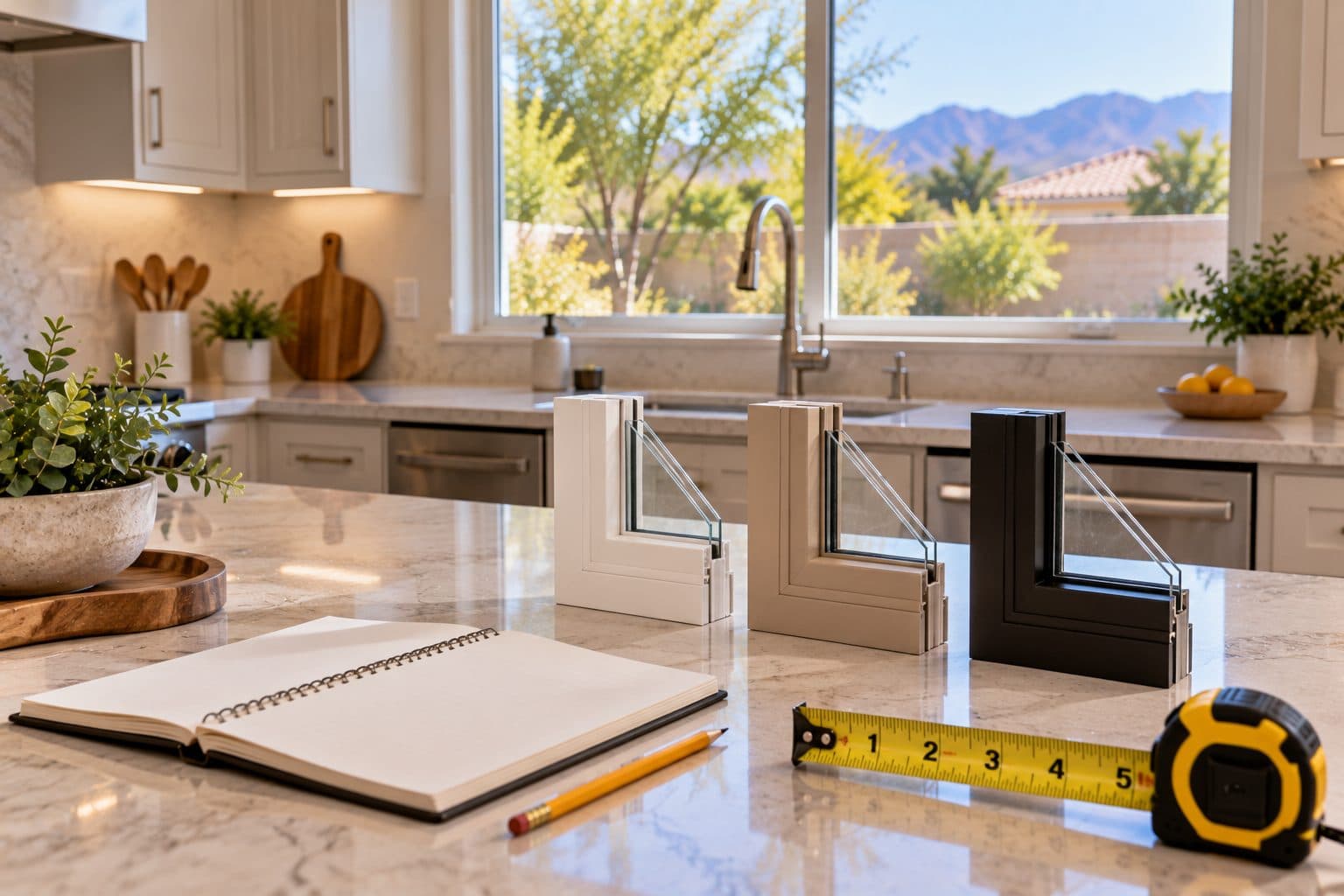
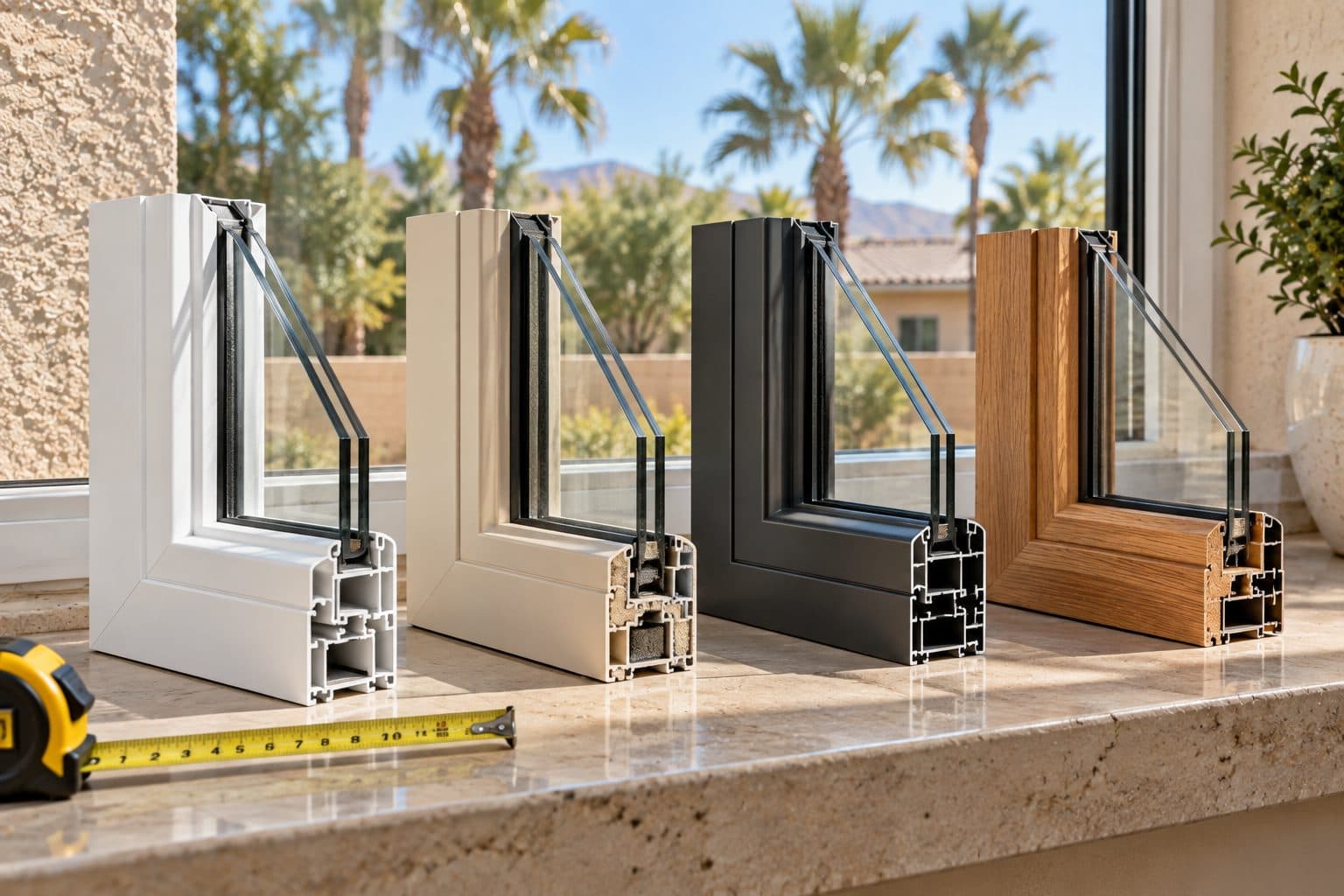
Compare visible frame width, meeting rails, grid patterns and glass appearance as well as color names. Two products described as white may have different tones, and two black frames may have different sheens. A small sample is useful, but a dimensioned drawing better explains how much frame will surround the view.
If you plan to keep neighboring windows, photograph the group. Ask how new and retained products will relate when closed. Matching a catalog label alone is not enough to settle the visual decision.
Choose operation around the room
Picture windows provide a fixed view; operable styles add ventilation and hardware. Sliding, hung and outward-opening styles use space differently. Think about reaching the controls, cleaning the accessible surfaces and opening the window without moving furniture.
Outside clearance deserves equal attention. An outward-opening sash can interact with a path or planting bed. Inside, shutters and blinds may conflict with handles or a different frame depth. Where an opening serves a required safety or escape function, have the proposed arrangement checked for that opening before changing its size or operation.
Try a sample when practical. Consider the household member who will use it, not just whether the mechanism feels smooth to the strongest person attending the appointment.
Compare the actual performance package
Ask for the whole-product ratings associated with the exact size, operating type and glass option under discussion. U-factor addresses heat transfer; solar heat gain coefficient addresses admitted solar heat. Visible transmittance describes daylight. Our guide to reading U-factor and SHGC ratings covers each one. These are different choices, and a product that performs well on one measure is not automatically the best fit for every priority.
For a sun-exposed room, discuss solar control alongside shade and glare, as described in our guide to choosing windows for Las Vegas heat. For a shaded room, preserving daylight may receive more weight. A pane count, a frame material or the phrase Low-E does not replace the specification for the actual quoted assembly.
Keep comfort expectations connected to the home. Roof exposure, air leakage elsewhere and heating or cooling conditions may also affect a difficult room. Replacement windows should be selected for the contribution they can make, without assuming they explain every comfort problem.
how we install
The Part Behind the Glass

Measured before anything is ordered
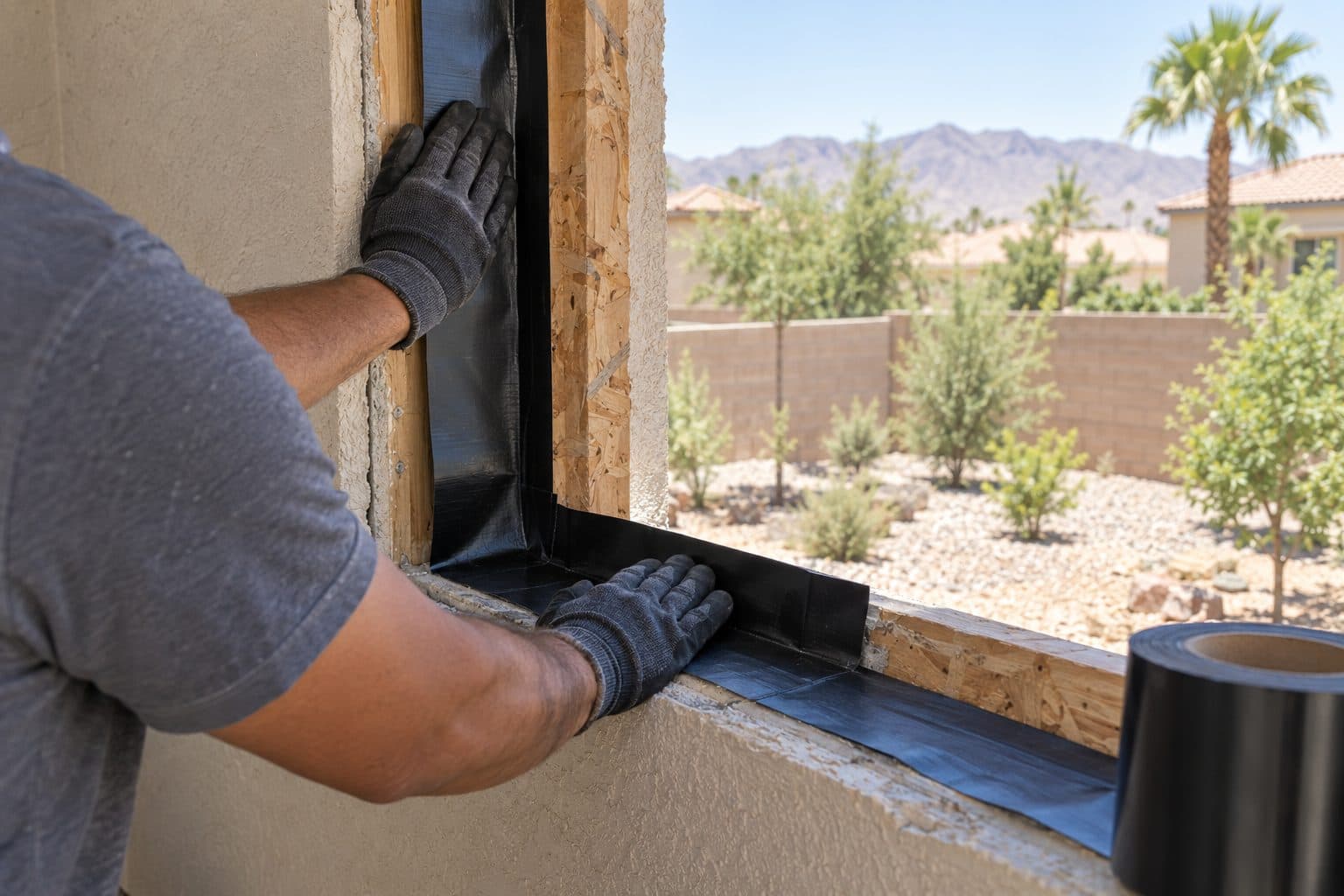
Flashed so water has a way out
Ask how the new window will meet the existing wall
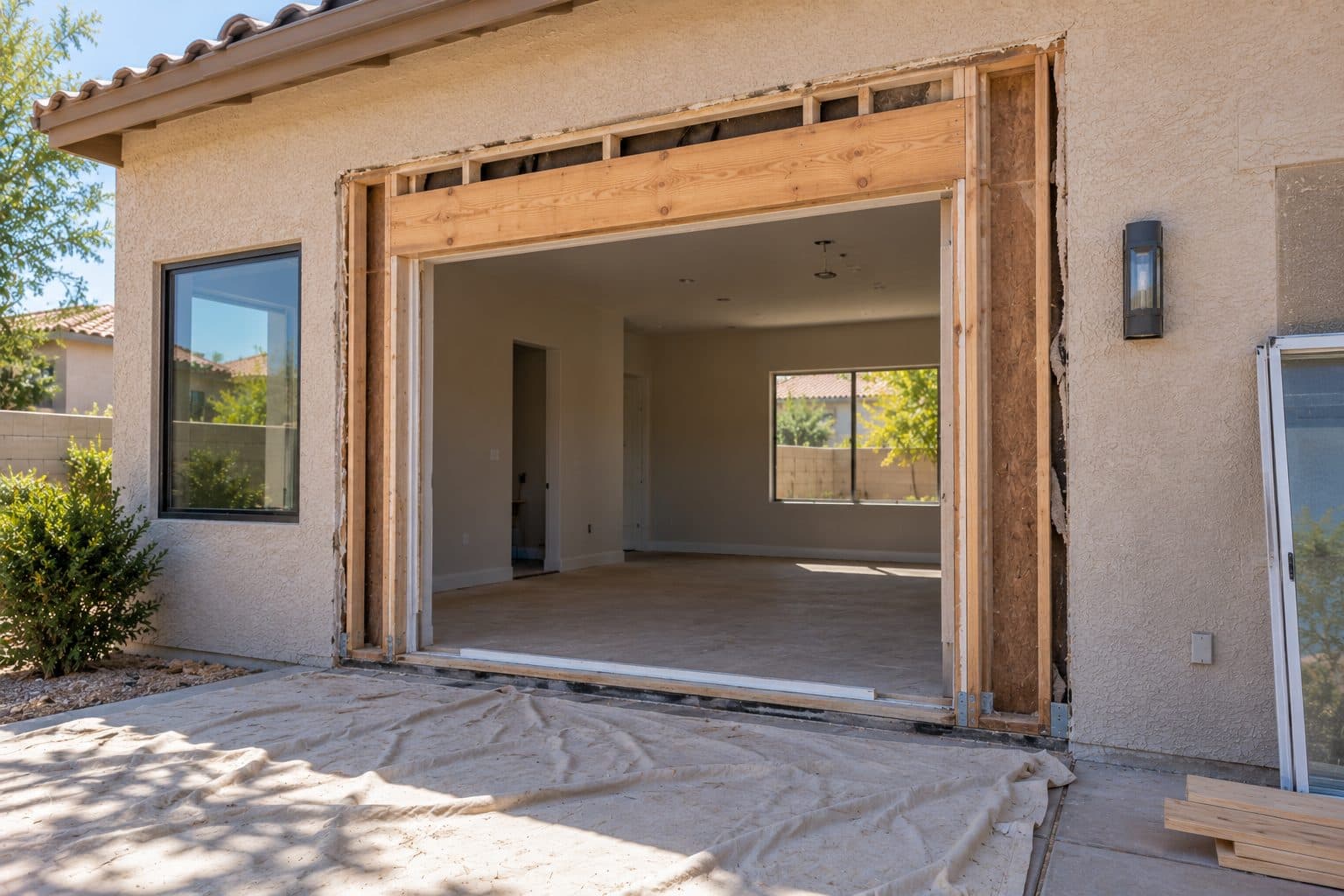
Installation method changes the finished result. Find out whether the existing frame remains (the retrofit or full-frame replacement decision) and what will happen to interior trim, stucco, painted surfaces and window coverings. Ask to see the intended inside and outside appearance in a drawing or suitable example.
A proposal should explain removal, attachment, air sealing, water-management details and finishing at a level appropriate to the project. Product-specific instructions and the existing wall construction govern the technical approach. A generic promise to caulk the edges does not answer all of those questions.
If concealed damage is possible, agree on the decision process before work begins. Who documents the condition, what additional work might be needed, and how is a change approved? The answer matters more than pretending a photograph can reveal everything behind the frame.
Reduce the shortlist to comparable proposals
Use the same opening list for every quote, and bring the same questions for each window contractor. Request the manufacturer and series when selected, operating configuration, glass package, frame finish, screens and hardware, plus the installation and finishing scope. An omitted item is an unanswered question rather than an automatic saving.
| Decision | Record before choosing |
|---|---|
| Appearance | Exterior/interior color, grids, visible frame and trim |
| Everyday use | Operating style, handle access, screens and cleaning access |
| Performance | Exact product rating information and room-specific priorities |
| Installation | Retained or removed frame, wall integration and finish responsibilities |
| Project terms | Scope, exclusions, approvals, schedule assumptions and coverage |
Compare exclusions next to the price, rather than at the end of the decision. Our guide to window replacement quote factors shows how to line up the scope. Disposal, painting, shutter adjustments and concealed repairs can change the practical value of an offer. Keep product coverage and installation coverage as separate entries.
Resolve hard constraints before scoring preferences
Separate a requirement from a preference before ranking candidates. A window that cannot fit the approved opening, provide a required function or clear a walkway is not rescued by an attractive finish. First remove unsuitable options; then compare the remaining choices for comfort, view, care and cost.
Use three passes:
- 1.Fit and function: confirm the supported opening, operation, access and any required safety function.
- 2.Condition and installation: determine what can remain and what surrounding work is needed.
- 3.Preference and value: compare appearance, documented performance, accessories and the complete price among workable options.
This order prevents a common reversal: choosing a product first, then discovering that the construction needed to accommodate it changes the budget or visible result. It also prevents a points-based score from hiding a non-negotiable requirement.
Work through a three-room example
Imagine a home with a bright living room, a kitchen window beside an outdoor path and a shaded bedroom. The owners want matching exterior frames, less glare while reading and convenient ventilation.
The living room's brief separates glare at the chair from the desire for daylight elsewhere. A suitable glass package may manage solar heat, while a usable shade controls the direct beam when reading. The kitchen's path becomes a clearance constraint: an outward-projecting sash cannot be chosen without checking that interaction. The bedroom receives a daylight and operation review rather than automatically inheriting the living room's most restrictive glass choice.
The result can be one coordinated exterior with different room solutions. Before ordering mixed glass, compare its appearance across adjacent windows. Before changing operation, confirm any opening-specific requirements. The example demonstrates a decision sequence, not a recommended product schedule for every house.
Make the final decision with a short written brief
Reconcile the opening list with the proposal: room labels, operating direction, frame and glass choices, grid layout, screens and retained openings. The product identity should be precise enough to check its documented ratings through the NFRC Certified Products Directory, rather than relying only on a brand brochure.
For each opening, write one acceptance statement: “Preserve the view from the sofa, provide the agreed operation and finish the exterior within the illustrated trim boundary.” Add the actual selected specification beside it. This connects the human goal to the purchased assembly without promising an unmeasured room outcome.
Bring that brief to Agave Windows and request an estimate to discuss the matching product and installation scope.
This guide supports
Replacement Windows →things people ask us
Frequently Asked Questions
Should I choose a manufacturer before requesting estimates?
You can bring a preferred manufacturer, but begin with the opening requirements and your priorities. Ask why the proposed series and configuration suit those needs. A familiar brand name does not establish the glass package, dimensions, installation details or warranty terms for the actual quote.
Do all windows in my house need the same glass?
Not automatically. Exposure and room use can differ, but mixed glass selections may also differ in color or reflectance. Compare performance and appearance together, especially for windows viewed side by side. Have the final glass choice identified for each opening so the order is unambiguous.
Are my own measurements enough to order windows?
Homeowner measurements help describe scale and start a conversation. They should not replace the project’s required professional measurement and opening assessment. The ordering dimensions depend on the selected assembly and installation approach, and the visible glass dimensions are not the same as the required unit dimensions.
What should I keep after the buying decision?
Keep the signed scope, final opening schedule, product specifications, approved changes and warranty documents together (our window warranty guide explains what to look for). Add installation and product identification records at completion. This creates a practical reference for care, future matching purchases or a later service question without relying on memory.
Still have a question about your home?
Ask us directly. A quick description of the opening is enough.
keep going
Related Services and Guides
- Replacement Windows
Replacement windows in Las Vegas, planned room by room. See how to choose glass, frames and installation method, and what a clear estimate should include.
- Compare window operating styles
Compare window styles for your Las Vegas home: sliding, single-hung, double-hung, casement, awning, picture, bay and bow. Find the right fit for each room.
- Understand replacement-window quote factors
What affects window replacement cost in Las Vegas: window size and type, glass, installation method and stucco or trim repair. Learn how to compare quotes.
- Choose performance for Las Vegas heat
The best windows for Las Vegas heat depend on sun exposure, glass coating and SHGC, not frame material alone. See what to compare room by room.
- Questions to ask your contractor
Questions to ask a window contractor before you sign: licensing, who installs, the exact product quoted, permits, schedule and written warranty coverage.
- Window Replacement vs Glass Replacement
Should you replace the glass or the whole window? Learn when new glass is enough, when a sash swap works and when full window replacement makes sense.
- Replacing Windows in Stucco Homes
Replacing windows in a stucco home: when stucco must be cut, how water is managed behind it, and what to expect from patching, texture and paint.
- Signs Windows Need Replacement
Signs your windows may need replacement: fog between panes, sticking sashes, drafts, stains or damage. Learn what each one means and what to do next.
- Window Replacement Timeline
How long does window replacement take? See each stage, from measuring and ordering to delivery, installation and finish work, and what can cause delays.
- Retrofit vs Full-Frame Replacement
Retrofit vs full-frame window replacement: what stays in the wall, what comes out, how each affects glass size and finish work, and when each one fits.
- Replacement vs New-Construction Windows
Replacement vs new-construction windows: how nail-fin, flush-fin and block-frame windows differ, and which one fits the wall work planned for your home.
Sources referenced on this page
Independent references linked in the text above. A manufacturer source explains a product concept; it does not mean Agave Windows supplies that brand.
- NFRC Certified Products Directory (nfrc.org)

ready when you are
Have a Question About Your Own Home?
A guide can explain the choice. Your openings decide the answer. Tell us what you are seeing and we will help you work out the next step.
- Photos can follow once we reply; no measurements needed
- A written scope before anything is ordered
- Licensed, insured, and bonded
Request an Estimate