





- 7 min read
- Updated
How to Read a Window Warranty
A window warranty is a written promise with a defined scope. When you compare replacement window options, the useful comparison is not simply which headline lasts longest. You need to know what is covered, who provides the remedy, which costs are included and what conditions apply to your product and property.
Read product coverage and installation coverage separately. They may come from different parties and address different concerns. Keep both with the final order so a future question can be routed to the right place.
The short version
A window warranty covers only what it names. Check which parts and problems are covered, what the remedy is, who pays for labor, and whether it transfers; product and installation coverage often come from different companies.
On this page
Find the document that applies to your order
Start with the manufacturer, product series, purchase or installation period and project type. Manufacturers may publish different documents for different products, dates, territories or applications. A summary on a sales page may not contain the complete terms.
Ask the seller to identify the exact warranty included in the proposal and provide a copy before purchase. If an optional coverage level is being offered, confirm that the order records the option rather than relying on a verbal description.
Preserve the version supplied with your order
Keep the applicable version after installation. A later website update should not become your only record of what was supplied with the project. Save the product schedule and transaction documents with it.
Separate the covered component from the covered event
A warranty may discuss glass, frame, finish, hardware and screens differently. Even within one component, it may cover particular failures and exclude other forms of damage or change. Read the event description alongside the component name.
For example, a concern about moisture inside an insulating-glass unit (see our guide to foggy double-pane windows) is different from glass broken by an impact or condensation on an accessible surface. Do not assume that a general glass warranty treats all three the same way.
Create a simple list of the issues most relevant to your purchase. Ask where each is addressed in the written terms. If the document does not support a sales statement, request clarification before treating that statement as coverage.
Read the remedy, not only the coverage period
A covered claim might result in repair, replacement parts, replacement glass or another defined remedy. The document should explain what the warrantor can provide and any conditions affecting that response. Coverage does not always mean an entirely new installed window.
Ask whether the remedy includes removal and installation labor, shipping, access equipment or surrounding finish work. Those tasks can be distinct from supplying a component. Keep the answer tied to the actual written terms.
Also ask whether coverage changes over time or involves a reduced contribution. A long stated period can have different practical meaning depending on the remedy and any cost-sharing provisions. Avoid comparing duration without those details.
Understand what lifetime means in that document
Lifetime needs a stated measuring life. It might refer to the original purchaser's ownership or another defined condition. The FTC's warranty guidance explains why the term is ambiguous unless the promise identifies what life determines its duration. The headline alone cannot establish coverage forever for every owner.
Read duration, eligibility and transfer together. A component may have a long stated period while the eligible purchaser or permitted property use is narrowly defined. Conversely, a transferable provision may continue for a defined remainder without restarting the coverage clock. Find the actual wording rather than assuming either arrangement.
For a possible home sale, record whether transfer is allowed, who must act, any required notice or fee and what changes afterward. For a rental, jointly owned property or other use, identify the applicable category before comparing the promise with owner-occupied coverage.
Also keep “limited” separate from “short.” A long limited warranty can restrict components, events, costs or remedies. Duration is one dimension of coverage, not a summary of all the others. If a term is unclear, request its written explanation from the warrantor rather than choosing the most generous possible interpretation.
how we install
The Part Behind the Glass

Measured before anything is ordered
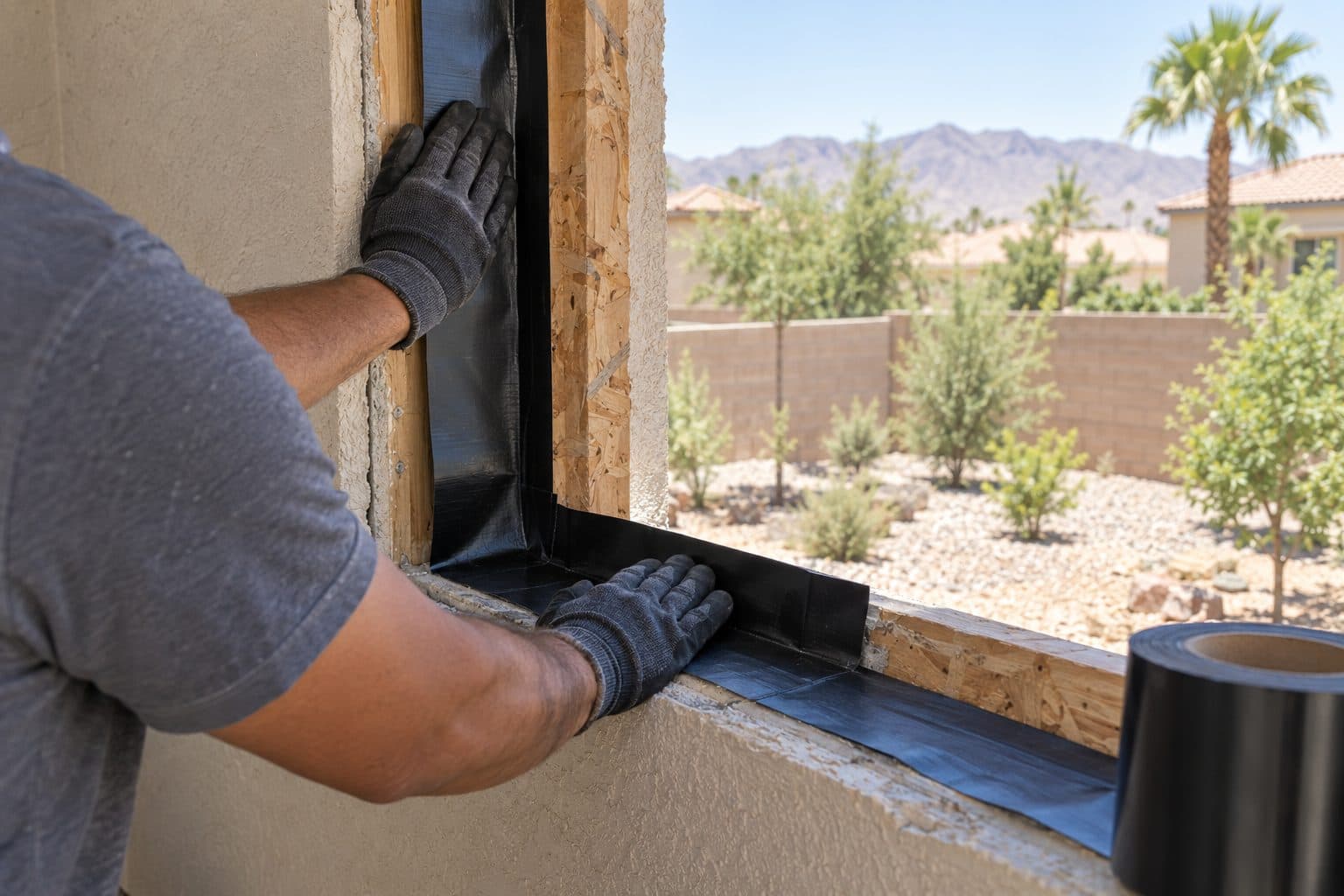
Flashed so water has a way out
Compare product and installation responsibility
| Question | Document or party to identify |
|---|---|
| A manufactured component has a covered defect | Product warranty and manufacturer process |
| The concern relates to installation work | Installer agreement and workmanship coverage |
| A replacement part needs fitting | Applicable labor and service provisions |
| Trim or wall finish is affected | Written scope and any related coverage |
| The source is uncertain | Initial assessment and claim-routing process |
The cause of a symptom may need assessment before the responsible party is clear. A draft, stain or operating problem does not automatically establish a manufacturing defect or an installation error. Ask how the parties coordinate when the source is uncertain.
Do not let that uncertainty become a gap in the buying conversation. Include it in your questions for a window contractor, obtain the contact for reporting a concern and ask what information is needed. A clear first step matters even when the final responsibility depends on findings.
Review exclusions and owner responsibilities
Common document sections address installation requirements, care, alterations, environmental exposure and types of damage. The wording varies, so read the terms for the actual product rather than relying on a generic list of exclusions.
Ask for the relevant maintenance instructions. A promise of low maintenance should still be supported by guidance on cleaning, tracks, seals, hardware and finishes. Keep those instructions available to anyone doing work around the windows. Dark finishes deserve particular attention, as our guide to black window finishes in desert heat explains.
Before applying window film or tint, paint or an attached accessory, check compatibility and coverage implications. Another provider’s warranty may cover its own work without preserving every part of the original window coverage. Obtain clarification before making the alteration.
Prepare a usable record for future service
Save the order, invoice, installation date, product identifiers, warranty version and opening schedule. Photograph accessible labels and connect them to room names. This can make it easier to identify the correct part without reconstructing the original project. The end of the installation process is the natural time to collect these records.
If a concern develops, record the symptom, when it started and the conditions in which it appears. Provide a full opening photo and a clear close-up where safe. Describe observations instead of asserting a cause that has not been assessed.
Follow the stated notice and claim process. Ask before arranging work that could affect evaluation or reimbursement. Keep correspondence and any instructions with the project record so the next person can understand what has already been reported.
Work through a claim before you buy
Use a hypothetical claim to trace the promise through five gates: applicable document, eligible owner/property, covered component/event, available remedy and included costs. A failure at one gate can change the outcome even if the headline duration has not expired.
Suppose a fictional warranty covers an accepted insulating-glass seal claim and supplies replacement glass, but treats installation labor separately. The original purchaser reports moisture between the panes during the stated period. That is only the start of the analysis: the warrantor still evaluates the event under its terms, and acceptance of the glass claim does not automatically pay for access, removal, fitting or wall finishing.
Now compare a second fictional warranty with a shorter stated glass period but defined labor coverage during part of that period. The first headline is longer; the second may address more of the work for an eligible claim made while both provisions apply. Neither is automatically better for all owners or years. The practical comparison depends on when the event occurs and what costs each document includes. These examples describe reading methods, not terms offered by any manufacturer or Agave.
Use a compact claim worksheet:
| Field | Entry to locate in the actual documents |
|---|---|
| Product and document | Series, purchase period and applicable version |
| Eligibility | Owner, property use and any transfer requirements |
| Event | Exact covered condition and relevant exclusions |
| Remedy | Repair, component, reimbursement or other stated response |
| Costs | Labor, shipping, access, removal and finishes, each separately |
| Process | Notice, evidence, inspection and authorization requirements |
If coverage is prorated or reduced over time, find the calculation basis. A percentage of a defined component allowance is not necessarily the same percentage of today's installed replacement bill. Do not calculate the owner's expected expense until both the covered basis and excluded work are clear.
Repeat the worksheet for a hardware or finish concern. Different components may produce different answers in the same document. Keep the agreed coverage with the proposal so the eventual claim is supported by the terms for the actual order.
things people ask us
Frequently Asked Questions
Does a lifetime warranty include labor?
Only the applicable written terms can establish that. Some coverage may provide components while treating service labor or surrounding work separately. Ask about removal, reinstallation, shipping and finish restoration instead of assuming the headline period includes every cost associated with a claim.
Is product coverage the same as workmanship coverage?
They can address different responsibilities and may come from different parties. Product coverage concerns defined manufacturing or component issues; installation coverage concerns the work described in the installer’s agreement. The cause may need assessment before a particular concern can be routed correctly.
Can a warranty transfer when I sell the home?
Read the transfer provision for the exact product and version. It may allow transfer, impose steps or change the coverage. Do not assume all warranties follow the property automatically. Retain any required notice and keep the records available for the next owner.
What should I keep after installation?
Keep the final product schedule, invoice, dates, applicable warranty documents, care instructions and accessible product identifiers. Match labels or serial information to room names. If a concern develops, add photos, symptom notes and correspondence so the claim history stays clear.
Still have a question about your home?
Ask us directly. A quick description of the opening is enough.
keep going
Related Services and Guides
- Questions for a contractor
Questions to ask a window contractor before you sign: licensing, who installs, the exact product quoted, permits, schedule and written warranty coverage.
- Between-pane fogging
Foggy double-pane windows usually mean a failed glass seal. Learn how to confirm it, whether the glass alone can be replaced, and what defogging cannot do.
- Finish suitability and care
Thinking about black windows in Las Vegas heat? Learn how dark frame finishes handle sun exposure, what to ask about the finish, and how glass affects heat.
- Project closeout process
See how a window or door project with Agave Windows works, step by step: first conversation, measuring, product selection, ordering, installation and review.
Sources referenced on this page
Independent references linked in the text above. A manufacturer source explains a product concept; it does not mean Agave Windows supplies that brand.
- FTC's warranty guidance (ftc.gov)

ready when you are
Have a Question About Your Own Home?
A guide can explain the choice. Your openings decide the answer. Tell us what you are seeing and we will help you work out the next step.
- Photos can follow once we reply; no measurements needed
- A written scope before anything is ordered
- Licensed, insured, and bonded
Request an Estimate