




Your Window and Door Installation Process
A window or door project becomes easier to manage when you know which decisions happen first, what information is still needed, and who is responsible for the next step. Agave Windows organizes the conversation around your openings, your selected products, and the agreed work at your home.
Use the sequence below to understand what should be settled at each stage. Your written project agreement sets the specific responsibilities, products, exclusions and scheduling arrangements for your installation.
The short version
A window or door project moves through clear steps: describe the change you want, review the openings, settle product details, agree on the work, schedule delivery and installation, then review the finished job.

On this page
Start With the Change You Want to Make
Tell us whether you are replacing existing units, changing how an opening operates, or considering a different size. An approximate count and photographs are useful. You do not need ordering measurements to request an estimate, and a picture alone does not establish the final installation scope.
Describe the reason for the project: difficult operation, unwanted heat, damaged components, appearance, or another concern. If moisture is involved, tell us where it appears and when. This helps separate a symptom from a decision to replace a particular component.
We also discuss your location, project priorities, access, and any known design requirements. If you already have an HOA approval response, product schedule, or prior proposal, it can help identify questions that still need an answer.
Review the Existing Openings
An opening assessment connects product selection with the building. We look at the dimensions and arrangement, the existing frames, surrounding finishes, and details relevant to installation. The goal is to define what a replacement will involve rather than treating every opening as an identical unit of work.
Let us know about shutters, blinds, alarm contacts, unusual trim, nearby furniture, or changes made by a previous owner. Some items may need coordination with another provider. Concealed conditions cannot always be confirmed without access or removal, so the agreement should explain how newly discovered work will be handled.
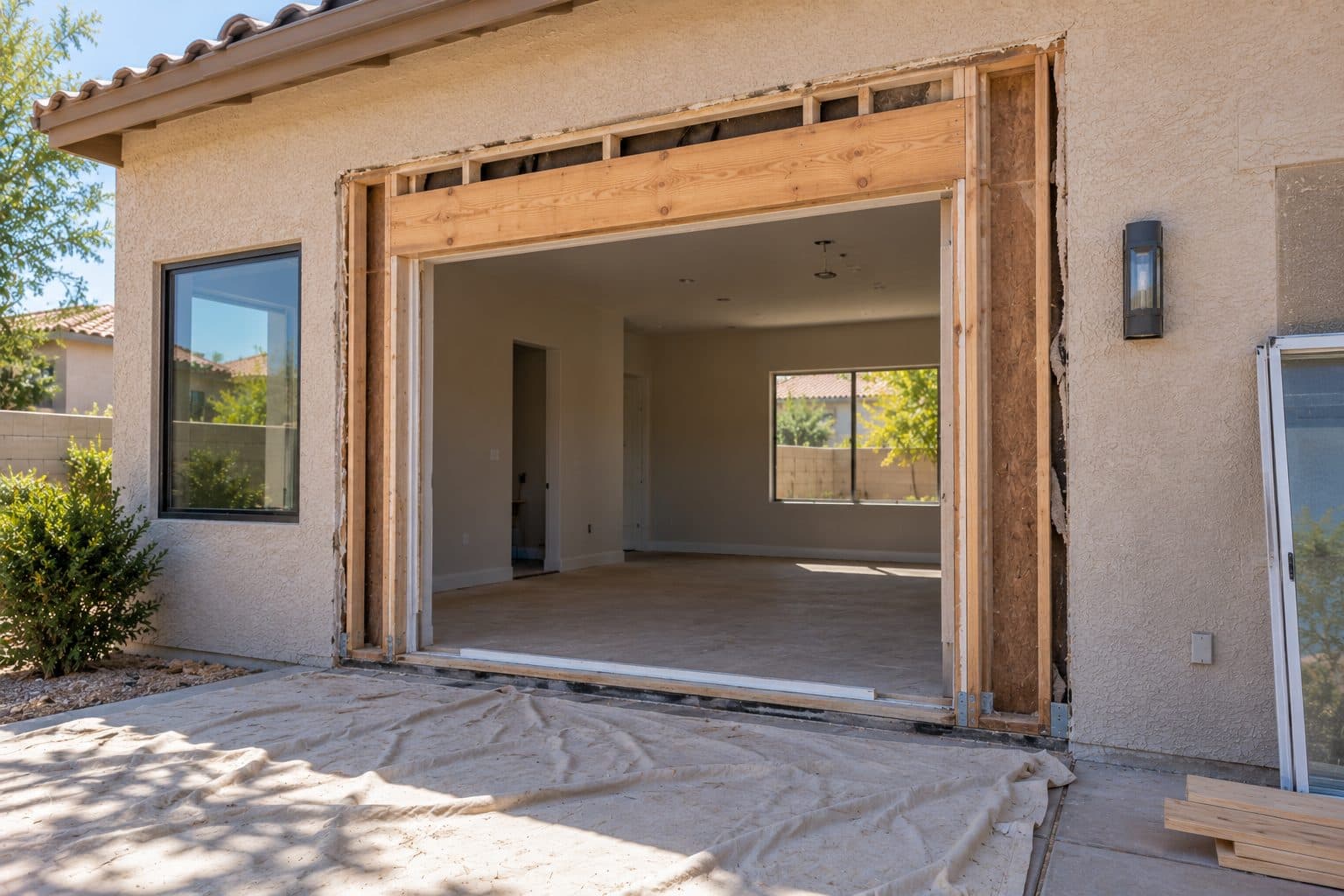
Changing a window into a door, widening an opening, or altering the wall requires a separate planning conversation. Applicable approvals and any needed design work should be resolved before the project is treated as a straightforward product order.
Settle the Product Details Before Ordering
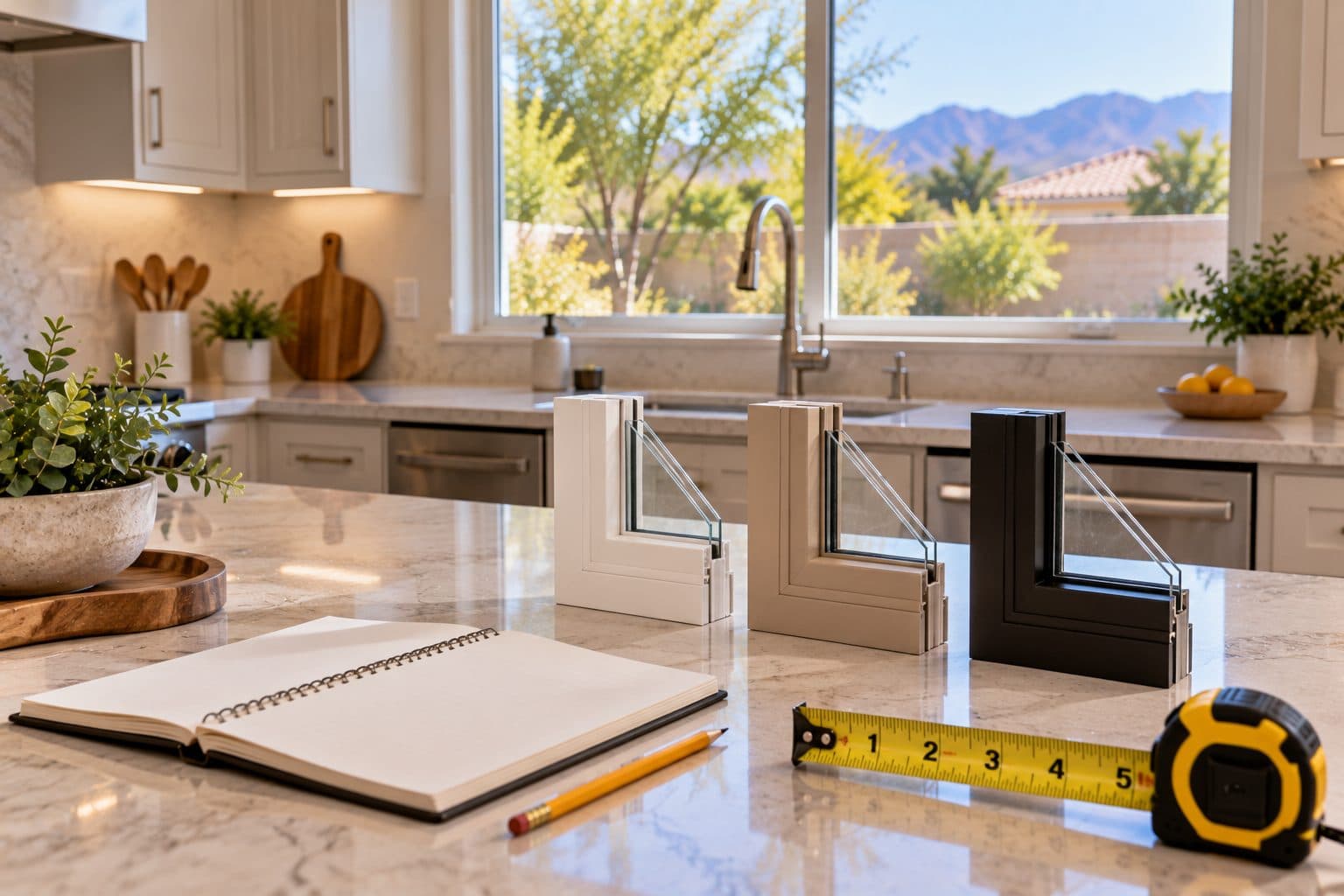
Product selection becomes ready for ordering when the important decisions can be checked against a record. A photograph conveys a design idea; it rarely identifies the series, glass, dimensions, finish and hardware needed to manufacture the chosen assembly. A useful opening schedule gives each unit a location or identifier so a change applies to the intended opening.
Selections should describe operation from the agreed viewing direction. A note such as left-hand door can be misunderstood when people stand on opposite sides or use different manufacturer conventions. Use the supplier's actual convention and a marked drawing for that product. Identify fixed and moving panels, the active leaf on a pair of doors, and the selected handle or lock arrangement where relevant.
Keep unresolved options visible. An undecided grille pattern or exterior finish is an open selection, even when the overall product category has been chosen. Approval of a price is not a substitute for approving the product configuration on which that price depends.
A Selection Record That Can Be Checked
| Record item | What it connects | Ready-to-order check |
|---|---|---|
| Opening identifier | Room or elevation to the intended unit | Photos and schedule use the same identifier |
| Product configuration | Series, operation, glass and selected options | Final option descriptions match the proposal |
| Ordering dimensions | Selected product to installation approach | Responsible measuring party has finalized them |
| Visible finishes | Frame, grille, hardware and adjacent retained items | Approved sample or stated finish is recorded |
| Dependencies | Needed decisions or approvals | Required outstanding items are resolved |
The Pella installation instruction library illustrates why product and installation scenario must be identified together: instructions are organized for different products and conditions. It does not establish which products Agave supplies. Your project's applicable instructions must follow its actual selections.
Consider a hypothetical pair of otherwise similar patio-door selections. One keeps the active panel on the existing side; the other moves it to the opposite side. The opening width may be unchanged, but the route around a sofa and the position of a screen can change. Resolving that drawing before ordering is more useful than finding the ambiguity after delivery.
Agree on the Work and Responsibilities
Your proposal should connect the opening schedule to the work at the property. Record removal, disposal, protection, trim, stucco, paint and related work as included, excluded or subject to a stated allowance. An item described as an allowance is not the same as a confirmed fixed scope; its basis and adjustment process need to be understandable.
Identify responsibility at the interfaces. If shutters need removal, an alarm contact needs relocation, or an exterior finish needs matching, the important question is who carries the task into the plan. Leaving the task unnamed can create a gap even when the window installation itself is described.
Window replacement permit responsibilities, association requirements and coordination with other trades should identify the next action and the responsible party. Where an outside response is needed, record the pending item. A product order should not rely on an assumption that an approval has already been issued.
Distinguish a Choice Change From a Discovered Condition
Changing an approved frame color is a selection change. Discovering deteriorated material after removal is a condition discovered during work. They may have different causes, but both can affect the agreed scope, cost and sequence. Use the communication and authorization process established in the project agreement.
For example, if removal reveals damage beyond the original visible boundary, a useful change record identifies the opening, the observed condition, the additional proposed work, its price or pricing basis, any schedule effect and the person authorizing the change. A photograph helps explain the observation. It does not replace agreement on what happens next.
Keep the original scope and subsequent approved revisions together. Mark which version is current so the homeowner, supplier and people carrying out the work can refer to the same selections. An informal message should be incorporated into the agreed record when it changes an approved item.
how we install
The Part Behind the Glass

Measured before anything is ordered
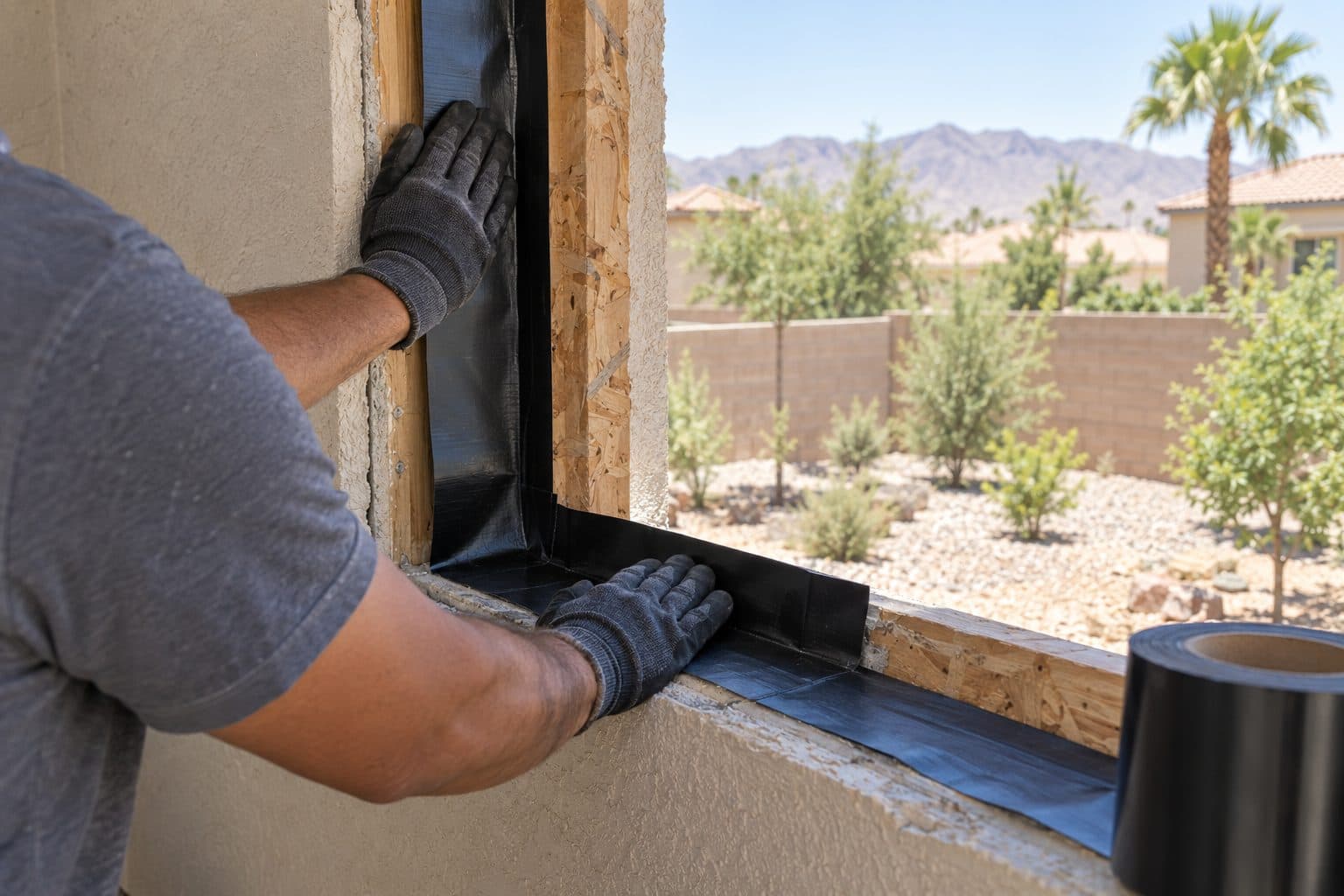
Flashed so water has a way out
Coordinate Delivery and Work at Your Home
Product lead time and on-site work are different parts of the schedule. Availability, selections, approvals, access, and the work involved affect when installation can proceed. We discuss the project sequence once those details are clear. Our window replacement timeline guide describes the usual stages, but a general timeline is not a promise for an individual job.
Before installation, confirm which rooms and exterior areas need access, who will move personal items, and how pets and occupants will remain clear of the work. Tell us about work-from-home needs or other activities that may affect coordination. Preparation instructions should reflect the openings being changed.
During the work, questions about unexpected conditions or requested changes should be documented through the agreed communication path. A clear decision record is especially useful when an additional repair would affect finishes, price, or scheduling.
Review Completion and Keep Your Records
Completion is easier to assess when each installed opening can be matched to the approved schedule. Review operation and locking, visible finishes, the agreed scope and any remaining items. Product operation should be demonstrated for the actual hardware, screens and locks supplied; mechanisms can differ even when two assemblies look similar. Our installation standards for a finished opening describe this review in more detail.
Separate a remaining agreed task from a new request. A missing item included in the scope belongs on the completion record. A change newly requested after installation needs its own discussion. Record any outstanding item with its location and the next action rather than relying on a general statement that someone will return.
The Project Handoff
Keep the final opening schedule, product identifiers, applicable instructions, written warranty terms and approved changes in one project folder. Add the appropriate service contact. The location identifier that helped during ordering will also help if one unit needs attention later.
Product coverage and installation coverage can have different responsible parties and terms. Our window warranty guide explains how to read and compare those documents. Neither a completion conversation nor a website summary should substitute for the documents that apply to your project.
After using the products, describe any concern by opening and observation: for example, which panel, at what point of travel, under which conditions. That information is more useful for follow-up than a general statement that every door feels different. Keep your description factual without trying to determine coverage yourself.
things people ask us
Frequently Asked Questions
Do I need to select a brand before contacting Agave?
No. You can begin with your goals and existing openings. Brand, series, configuration and options should be established before an order is finalized; actual availability will be confirmed during the project discussion.
When are measurements finalized?
Ordering dimensions must be established for the selected product and installation approach. Approximate homeowner measurements can help start a conversation, but they should not be treated as final manufacturing dimensions.
What happens if the scope changes?
A requested change or newly discovered condition should be reviewed through the project agreement’s change process. Confirm the work, price and scheduling effect before assuming it is included.
Where can I find preparation instructions?
Use our guide on how to prepare for window installation for the general subjects to discuss, then follow the project-specific instructions provided before installation. Access and protection requirements depend on your actual scope.
Still have a question about your home?
Ask us directly. A quick description of the opening is enough.
keep going
Related Pages
- Prepare for installation
How to prepare for window installation: clear access to each window, handle blinds and alarm sensors, protect belongings, and plan for pets and children.
- Project timing
How long does window replacement take? See each stage, from measuring and ordering to delivery, installation and finish work, and what can cause delays.
Sources referenced on this page
Independent references linked in the text above. A manufacturer source explains a product concept; it does not mean Agave Windows supplies that brand.
- Pella installation instruction library (pella.com)

ready when you are
Tell Us What You Want to Change
Tell us your location, the approximate number of openings, and what matters most to you. You do not need to arrive with a product already selected.
- Photos can follow once we reply; no measurements needed
- A written scope before anything is ordered
- Licensed, insured, and bonded
Request an Estimate