


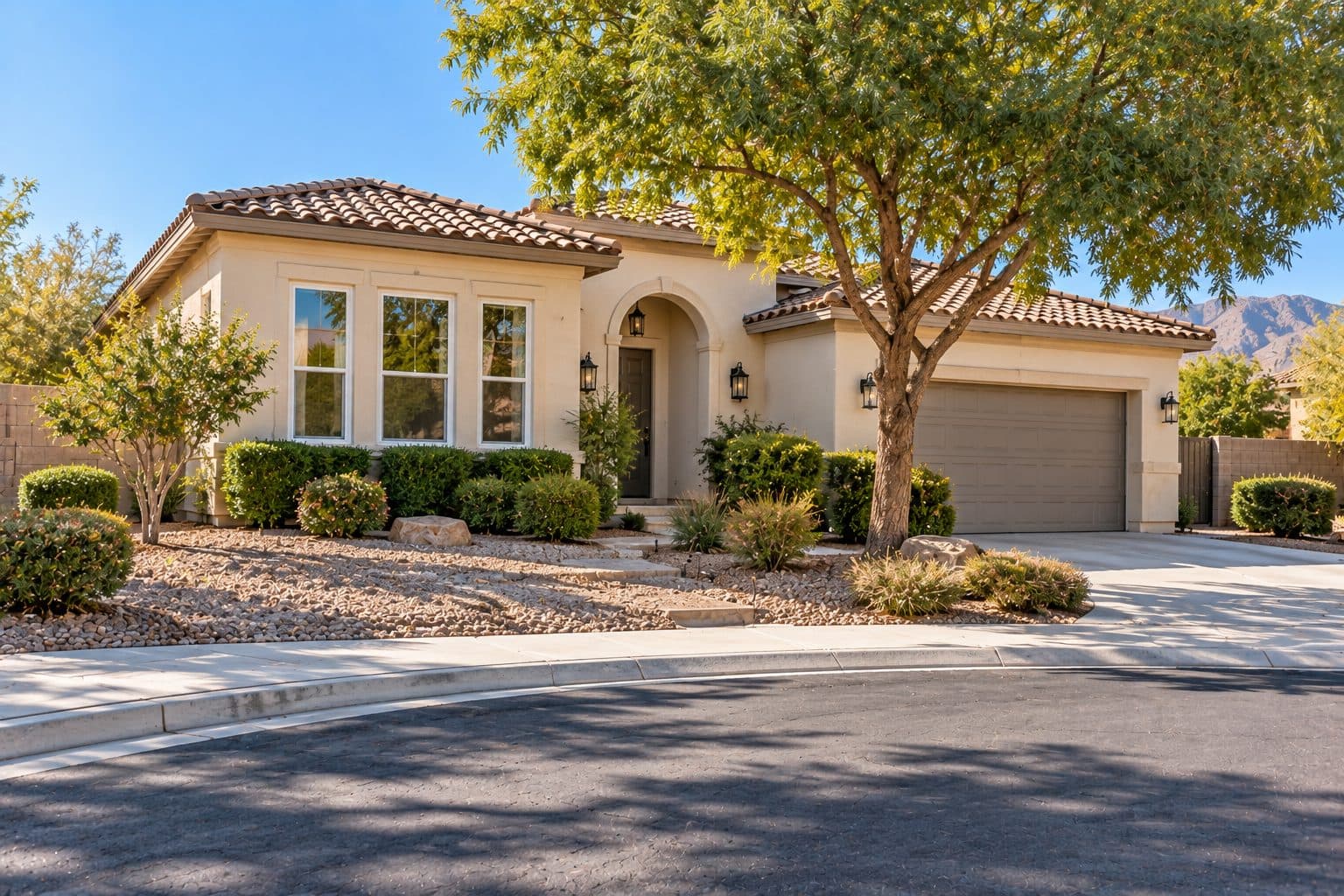
Picture Windows in Las Vegas
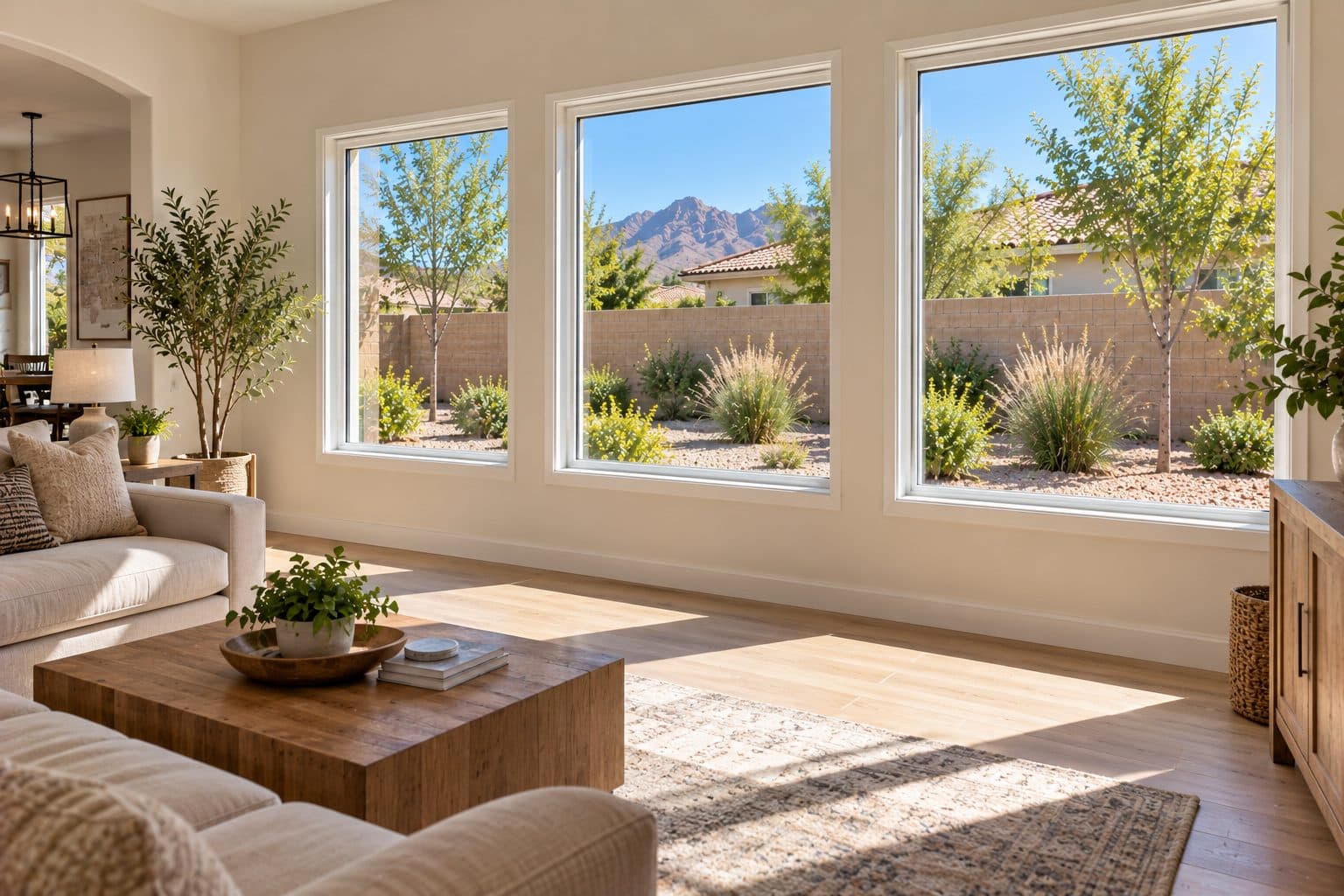
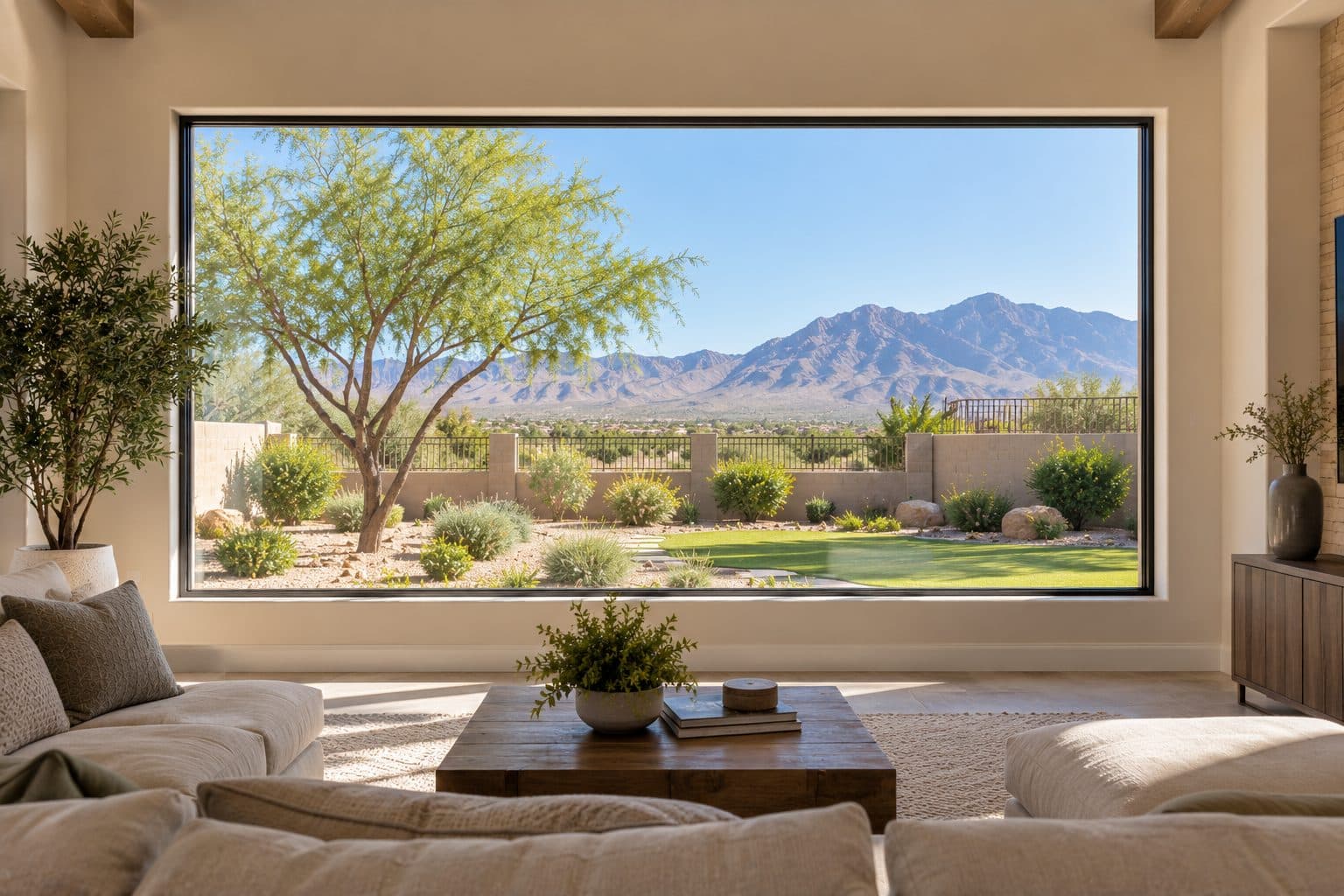
A picture window creates a fixed view through glass that does not open. Among the window styles available, it can give a living room, stair landing or other suitable space a calmer visual outline because there is no moving sash to operate. The most successful choice starts with the view itself and the functions the room still needs.
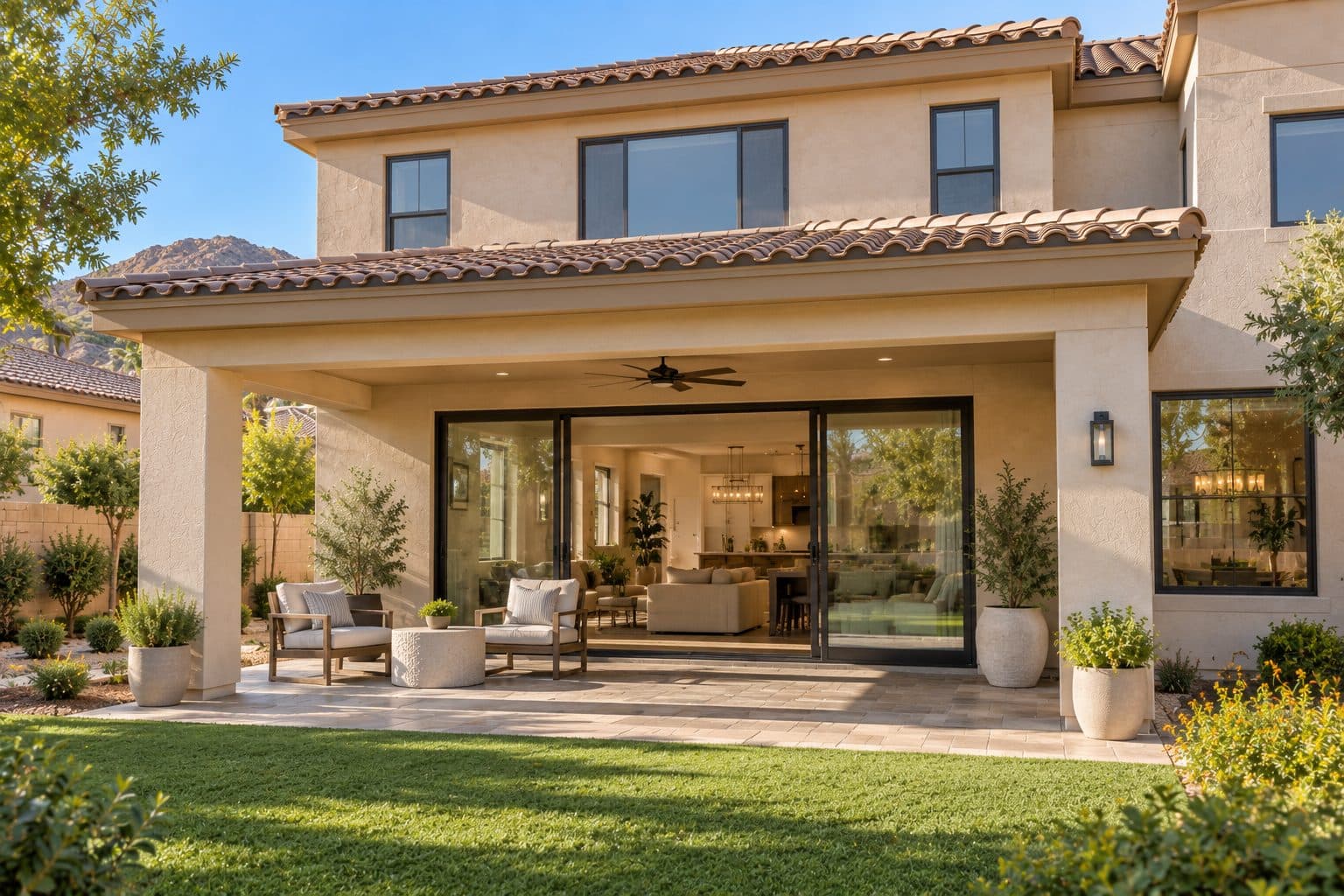
Agave Windows helps Las Vegas homeowners plan replacement picture windows around daylight, sightlines and the existing wall. We look at the whole composition: the fixed glass, any nearby operating windows, the frame proportions and the installation work around the opening.
- Licensed, insured, bonded
- Written scope before ordering
- Las Vegas valley
The short version
A picture window is fixed glass that frames a view and does not open. With no moving sash the view stays uninterrupted, but it provides no ventilation or escape route, so pair it with operable windows where needed.
01 of 10
Define the view with two reference positions
A picture window is selected for what it frames, so begin with a seated position and a standing position in the actual room. A border or divider that disappears above a standing person's view may cross the landscape from the sofa. The two positions help separate a pleasing exterior elevation from a useful interior view.
Take a photograph from each position without changing the camera's zoom between alternatives. Mark the important subject: a tree canopy, mountain outline, garden feature or simply open sky. Also mark anything the new layout should not emphasize. These references communicate priorities; they do not replace field measurements or predict how a particular glass coating will look.
Have the proposed visible-glass outline and any divisions shown at a consistent scale. Identify overall frame dimensions separately. Andersen's sizing resources distinguish glass and opening specifications from unit and rough-opening dimensions, illustrating why a single width on a quote cannot answer every question about the view.
A hypothetical divided-view decision
Imagine a broad living-room opening with a tree centered in the view. Candidate A has a central vertical division. Candidate B moves the divisions to either side of a larger fixed center, subject to product and structural review. Both may fit the overall opening, but only B preserves an uninterrupted view of that particular tree from the sofa.
That does not make B automatically preferable. Its larger center may alter handling, product choices, glass specifications or price. Write the tradeoff explicitly: preserve this view if the resulting assembly and project scope are acceptable. If they are not, a deliberately positioned division can be a better compromise than changing the design after the order.
Use the same reference positions to review shade storage. A covering that stacks across the upper glass or beyond the sides may change the visible opening in daily use. Decide whether the priority is a completely clear daytime view, a simpler shade arrangement or another balance before choosing the perimeter trim.
how it works
Fixed glass, no moving parts
- 1
No sash to operate, so the frame can be slimmer and the glass larger
- 2
Best where the view matters more than ventilation
- 3
Pair it with an operating window nearby for airflow
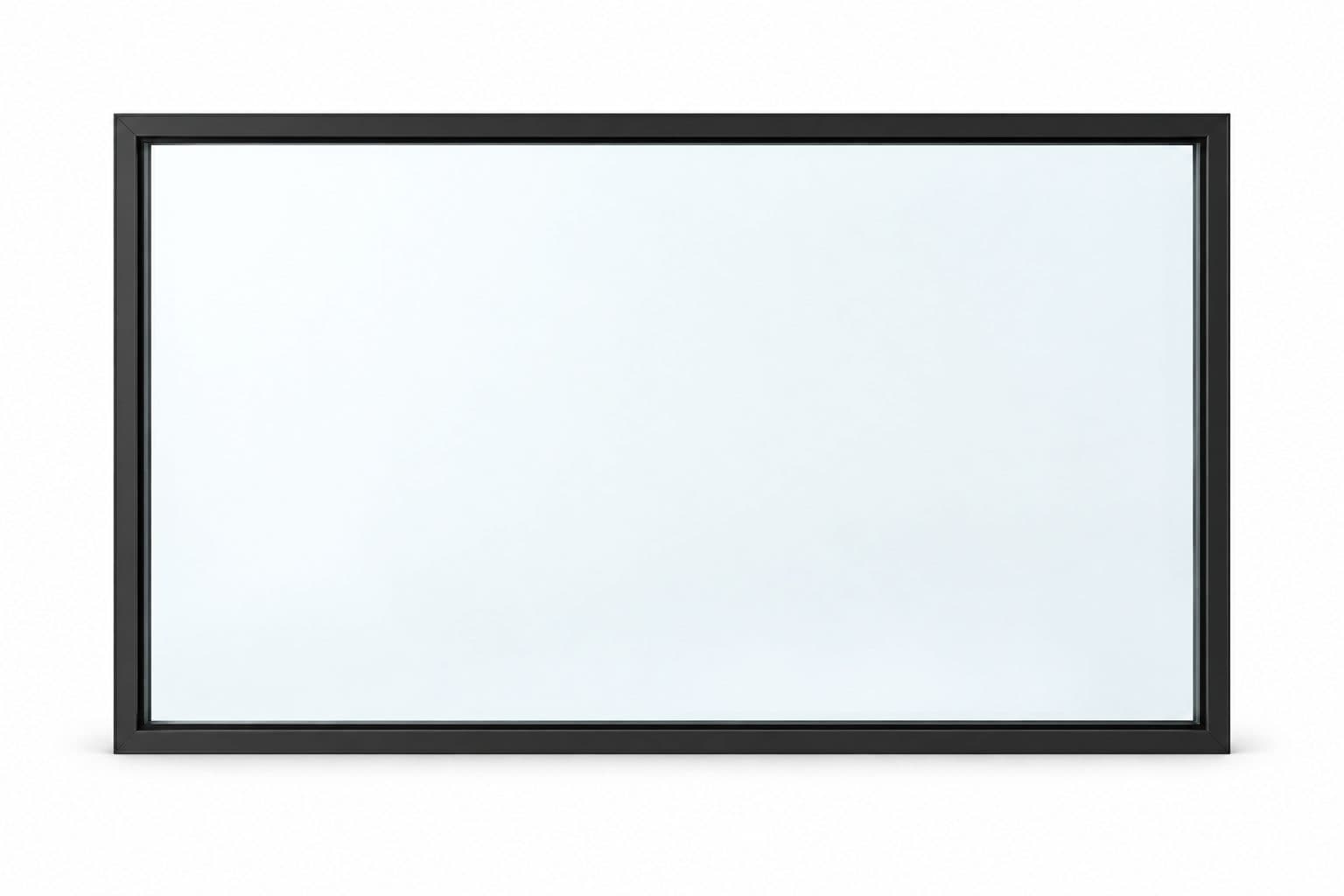
Illustration of the operating principle, not a drawing of a specific product.
at a glance
Picture Windows
A picture window is fixed glass that frames a view and does not open. With no moving sash the view stays uninterrupted, but it provides no ventilation or escape route, so pair it with operable windows where needed.
- Measured on site before ordering
- Written scope with product and finish details
- Installed, sealed and reviewed with you
02 of 10
Fixed does not mean unlimited glass size
Picture windows eliminate operating hardware, but their dimensions still have product and project limits. Glass thickness, overall size, frame design and applicable requirements affect what can be built and installed. A photograph of a very large window is not proof that the same single pane is appropriate for your wall.
A broad opening may need multiple fixed sections or a joined assembly. Arched or angled shapes belong with architectural and custom windows. If divisions are required, use them intentionally. A vertical member aligned with another architectural feature may feel more natural than a divider placed without reference to the room.
Ask whether the proposed grouping is factory assembled, joined through an approved system or separated by wall framing. Those approaches can look different and involve different installation responsibilities. A simple sketch labeled picture window can conceal a substantial difference in the final construction.
four steps, in order
How a Project Runs
- 1
Tell us about the project
Send your location, the approximate number of openings, and what you want to improve.
- 2
Review the openings and options
We discuss your priorities and assess the details that affect product selection and installation.
- 3
Define the work in writing
The proposal identifies the products and agreed installation scope so you can understand what the project includes.
- 4
Install and review the result
At completion, we review the installed products, operation, visible finish, and care information with you.

03 of 10
Keep ventilation and required openings in the plan
A fixed window does not supply fresh-air opening or an escape route. Before replacing an operable unit with fixed glass, review the role of that opening in the room. The presence of another door or window does not automatically establish that the change is appropriate.
A combination can be useful: a fixed center for the main view and casement windows or other operable units beside it. That still requires checking the size, reach and operation of the companion windows. A narrow side panel that technically opens may not provide the practical function you expect.
Where applicable requirements involve escape, ventilation, safety glazing or opening locations, confirm the actual arrangement with the responsible project professional and authority. Resolve those questions before the order. Choosing fixed glass should be a deliberate function decision, not an accidental result of pursuing a cleaner-looking elevation.
04 of 10
Think about the room after dark
A picture window connects the interior to the exterior differently as lighting changes. During daylight, the view may dominate. At night, an illuminated room can appear more exposed from outside, and reflections can become more noticeable from inside.
Plan privacy using the actual setting. Consider shades, drapery, shutters, landscape screening or an appropriate obscured-glass area where needed. Do not assume a reflective-looking glass sample provides reliable one-way privacy under every lighting condition.
Window coverings also affect the design. A wide shade may need space above the opening or sufficient frame recess. If you prefer an unobstructed daytime view, decide where the covering stacks or retracts. Those dimensions should be coordinated before trim and mounting surfaces are finalized.
how we install
The Part Behind the Glass

Measured before anything is ordered
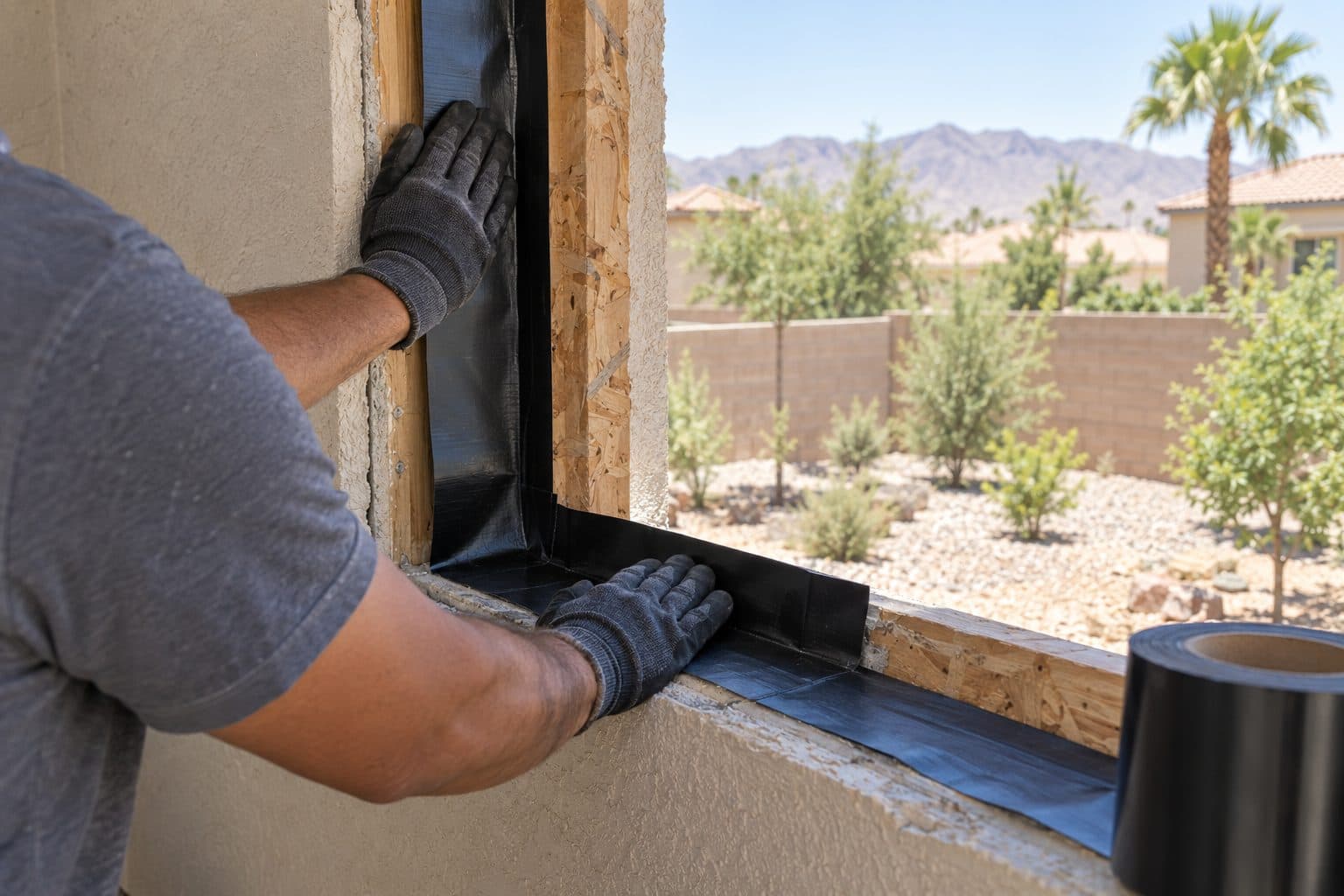
Flashed so water has a way out

Set level, plumb and shimmed
05 of 10
Balance sunlight, daylight and glass appearance
A large view can also expose a room to substantial direct sun. Describe the time of day when the light reaches seating, artwork or a television. The goal might be to reduce unwanted solar heat, manage glare, preserve brightness or find a workable balance among all three.
Compare whole-product energy data for the proposed fixed window, as you would for any energy-efficient window. U-factor, solar heat gain coefficient and visible transmittance describe different performance characteristics. A product with a lower SHGC admits less solar energy, but the right overall selection also considers daylight and the appearance of the glass.
Use a sample in relevant light when possible. Look from inside and outside and compare it with glass that will remain nearby. Coatings and tint can affect the visual match, so review the glass options side by side. A performance decision made only from a numeric table may overlook an appearance difference that matters across a large area.
Exterior shading and the room's cooling conditions also influence comfort. New fixed glass should not be presented as a complete solution for every hot-room symptom. Explain what the window scope addresses and which conditions may need separate attention.
06 of 10
Plan cleaning before choosing a high or broad opening
Fixed glass cannot be tilted inward simply because it is part of a replacement project. Both faces and the surrounding frame need an access plan. At ground level, check landscaping and outdoor furniture. Higher openings may require different cleaning arrangements.
For interior access, consider deep furniture, stair geometry and any ledge below the glass. Do not choose a tall fixed window on the assumption that a household ladder will be safe or suitable. The access method should fit the actual room and the people responsible for maintenance.
A coordinated cleaning plan can influence the layout. Dividing one difficult-to-reach assembly differently may make maintenance more manageable, but that should be weighed against the view you want. The objective is to understand the tradeoff before installation, not discover it during the first cleaning.
07 of 10
Review access for delivery and installation
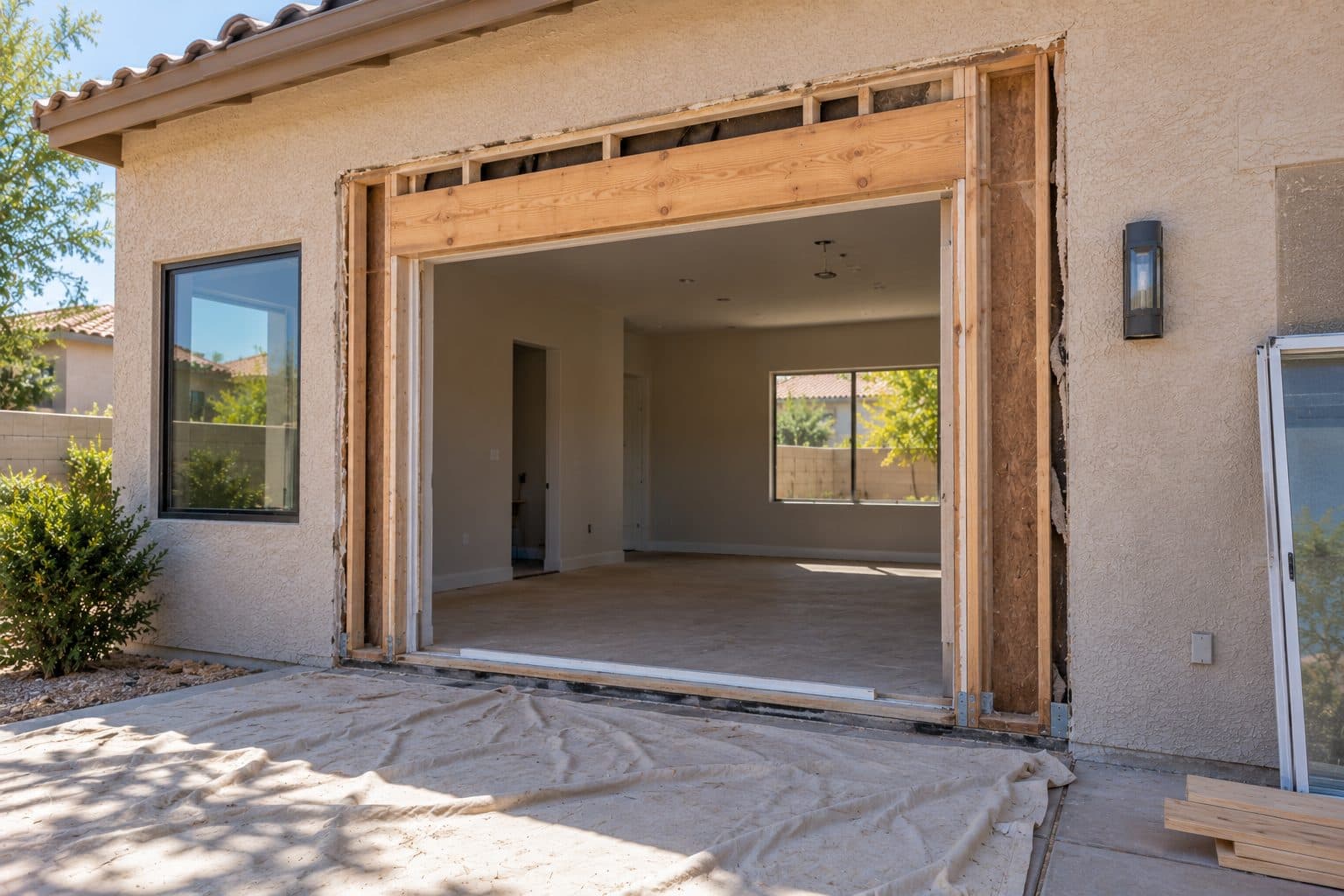
A large fixed assembly may require more planning for handling than its simple appearance suggests. The route from the delivery area to the opening matters. Gates, narrow side yards, landscaping, floor protection and working space can affect the installation method.
Ask the project team to assess access before confirming the scope. If lifting equipment or a different handling approach is required, the proposal should identify that responsibility. Do not assume the unit can be carried through an existing interior doorway because it fits the final wall opening.
The installation sequence should also address how the home is protected while the opening is exposed. The details depend on the selected assembly and site conditions. Clear access planning reduces the chance that a view-focused selection encounters an avoidable practical obstacle after delivery.
08 of 10
Keep the wall around the window in scope
A picture window relies on appropriate support, fastening, sealing and water management for the specific product and opening. Decorative trim alone does not describe those details. The installation approach should be compatible with the surrounding wall and preserve the intended drainage path.
For a replacement, ask whether the old frame remains and how that affects visible glass. For an enlarged opening, separate structural and finish work from the window itself. A larger picture window may be part of a broader remodeling project rather than a like-for-like swap.
Clarify stucco repair, interior drywall, trim, painting and window-covering adjustments. Also identify how unexpected damage will be evaluated and priced. Those boundaries are important even when the chosen window has no operating hardware to demonstrate.
09 of 10
Separate the fixed center from its operating companions
A fixed center and two side windows should be described as three functional sections, even if they appear in one combined order. Record the center's view, each side's operation and the joining arrangement. The group can satisfy several needs only when its parts are usable at the proposed dimensions.
| Part of the composition | Decision to record | Common mismatch to avoid |
|---|---|---|
| Fixed center | Desired visible area and divider positions | Overall width substituted for glass width |
| Operating sides | Reach, clear opening and screen state | Narrow vents assumed to meet every room function |
| Joining members | Actual widths and construction | Brochure image treated as an exact elevation |
| Glass across all parts | Appearance and applicable ratings | Different packages concealed by one shared color name |
For example, if side units must remain narrow to preserve the center view, check whether their operation is still practical before finalizing the proportions. The decision may require widening one side, choosing another arrangement or retaining an existing functional opening elsewhere after appropriate review.
Keep the approved elevation with the product schedule. A substitution that keeps the same total size but changes the center width or joining members changes the central reason for choosing a picture-window composition. Review that change as a design decision, not merely a product-code update.
10 of 10
Approve the view on a complete schedule
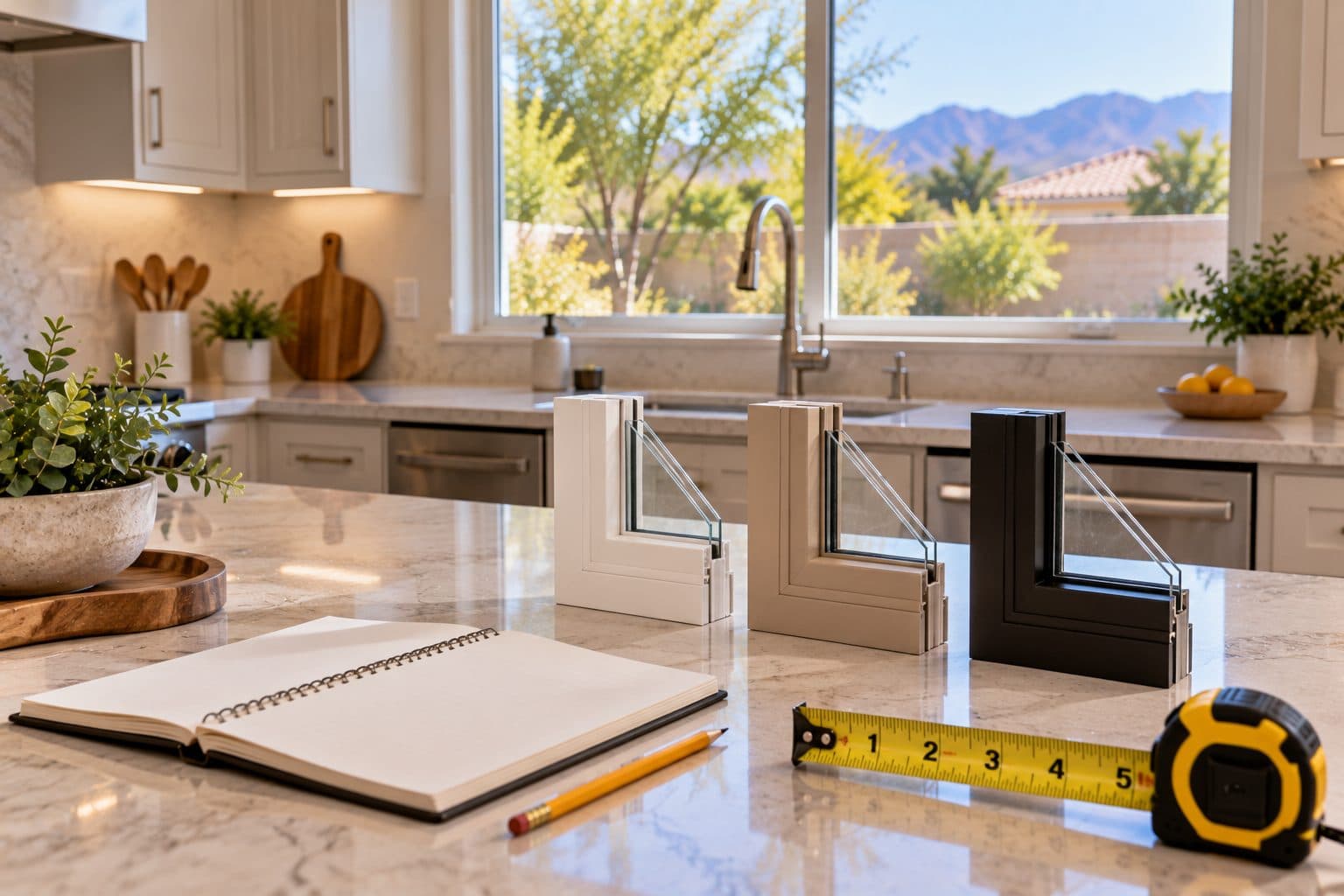
When you request an estimate, and again before ordering, review the overall dimensions, finished glass dimensions, frame profile, divisions, glass package and interior/exterior finish. If fixed and operable units are combined, identify each one on the elevation and confirm their sightlines work together.
At completion, compare the installed composition with the approved drawing and inspect the agreed finish work. Keep the product identification and care documents. If a future glass issue arises, those records help establish the actual assembly and the options that may be available.
A picture window is at its best when the simplicity you see rests on decisions already resolved behind the scenes: the room's needs, the view, the glass and the wall around it.
things people ask us
Frequently Asked Questions
Can a picture window be opened?
A picture window is fixed in normal use. If you need ventilation, consider an arrangement with separate operable windows. The combined design must be reviewed for the room’s required functions and actual available opening dimensions.
Can I replace an opening window with a picture window?
Possibly, but the change removes an operating opening. Review ventilation, escape and other applicable requirements before ordering. Also consider whether anyone relies on that window for everyday air movement or cleaning access.
Is one large pane always better than several fixed sections?
No. A single pane may emphasize an uninterrupted view, while divided sections may suit the structure, product limits, access or exterior composition. Ask to compare the finished elevation and glass dimensions rather than judging only from overall frame width.
Will a picture window guarantee a lower energy bill?
No specific bill outcome follows from the style. The exact assembly, existing window, exposure, shading, installation and household energy use all matter. Choose using documented performance and room priorities without treating a fixed sash as a savings forecast.
Does fixed glass need a different warranty?
Coverage depends on the selected product and the written installation terms, as our window warranty guide explains. Ask who covers insulating glass, the frame, finish and installation labor, and which conditions or exclusions apply. Do not infer coverage duration from the absence of moving parts.
Why review a picture window from seated and standing positions?
A frame or divider can cross a valued view from one position while missing it from another. Compare the proposed glass outline from both positions, with shade storage included. This makes the visible composition a deliberate choice before the assembly is ordered.
Still have a question about your home?
Ask us directly. A quick description of the opening is enough.
keep going
Related Pages
- Architectural and custom windows
Architectural and custom windows in Las Vegas: arches, angles and shaped glass. Learn how shapes are measured, drawn and ordered so the new window fits.
- Casement windows
Casement windows in Las Vegas swing outward on side hinges and often open with a crank. Check the hinge side, outside clearance, handle reach and screens.
- Energy-efficient windows
Energy-efficient windows for Las Vegas homes: how U-factor, SHGC and sun exposure guide the right glass for each room. Request a window estimate.
- Glass options
Window and door glass options: clear, textured privacy and decorative glass, how each looks by day and at night, and what to check before you choose.
- Window warranty guide
How to read a window warranty: what is covered, who pays for labor, what lifetime really means, whether it transfers, and which records you should keep.
Sources referenced on this page
Independent references linked in the text above. A manufacturer source explains a product concept; it does not mean Agave Windows supplies that brand.
- Andersen's sizing resources (andersenwindows.com)

ready when you are
Request a Picture Window Estimate
Tell us your location, the approximate number of openings, and what matters most to you. You do not need to arrive with a product already selected.
- Photos can follow once we reply; no measurements needed
- A written scope before anything is ordered
- Licensed, insured, and bonded
Request an Estimate