


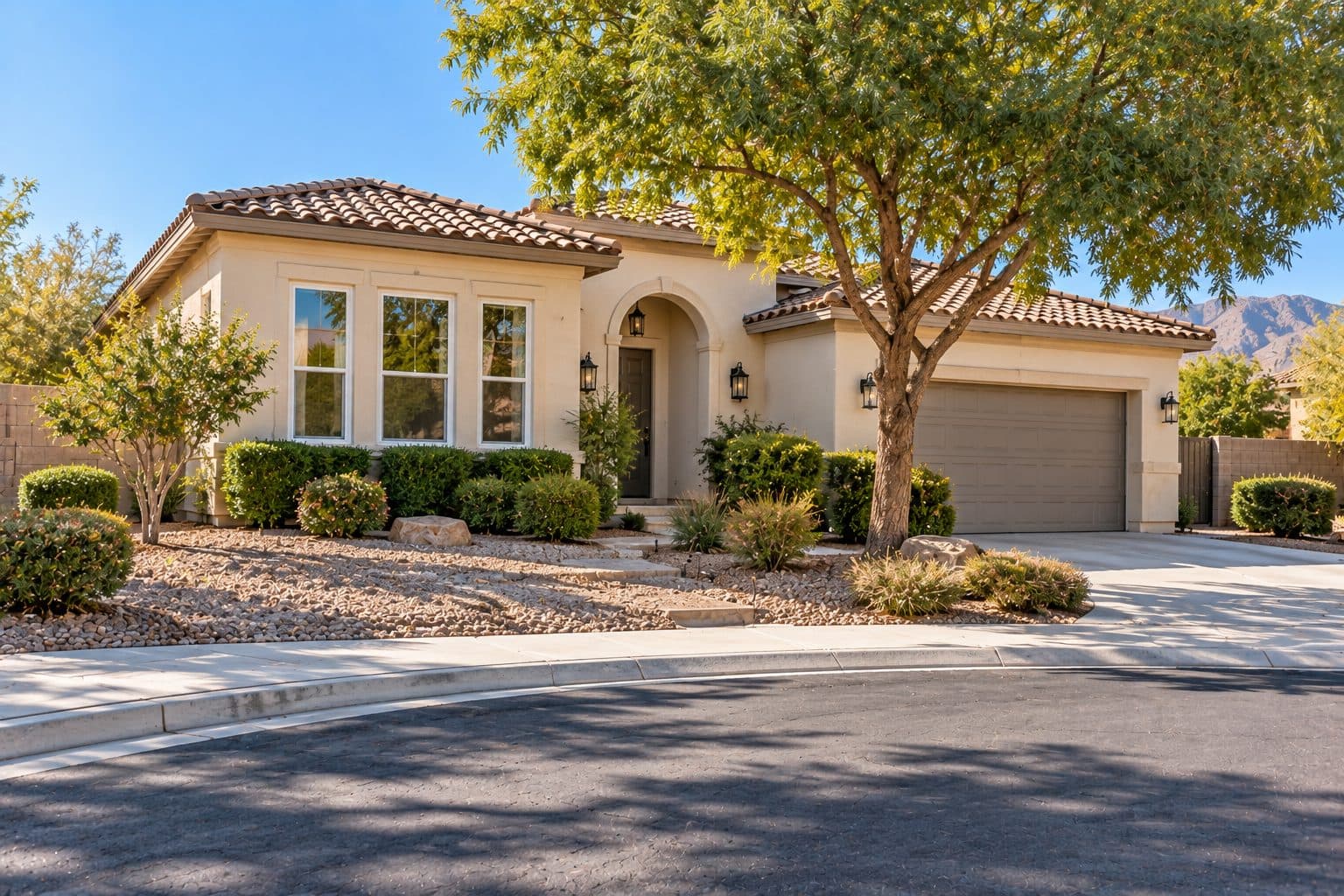
Noise-Reducing Windows in Las Vegas
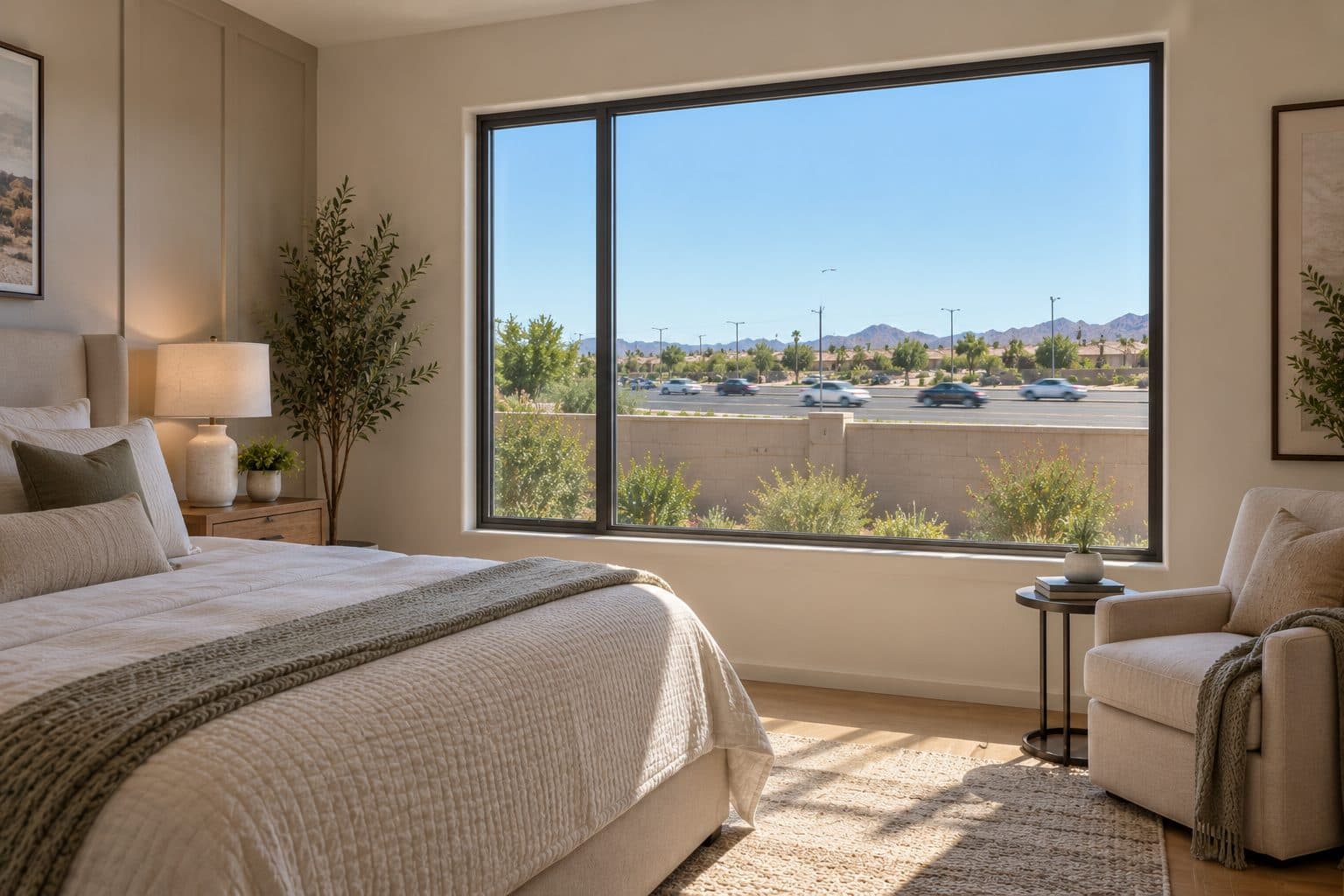
Outside noise can make a bedroom, living room or home office harder to enjoy. Choosing windows for that concern starts with the sound you hear and the room you want to improve. The right proposal connects those priorities to documented performance for a specific window assembly and a realistic installation scope.
Agave Windows helps Las Vegas homeowners evaluate replacement window options for noise concerns through product evidence and opening assessment. The goal is a more informed selection, with clear expectations about what the proposed windows address and what may remain elsewhere in the building.
- Licensed, insured, bonded
- Written scope before ordering
- Las Vegas valley
The short version
Noise-reducing windows can lower outside sound but will not make a room soundproof. Compare STC and OITC ratings for the complete window, not just the glass, and remember sound can also enter through other parts of the building.
01 of 11
Describe the sound before choosing the glass
When you request an estimate, tell us what you hear, when it occurs and where it is most distracting. Steady road noise, individual vehicle pass-bys, voices and low rumbling sounds are not the same listening problem. A bedroom used at night may have a different priority from a home office used during the day.
Note whether the sound changes when the window is fully closed and locked. Also identify nearby doors, vents and other openings. These observations help frame the assessment, but they are not a substitute for a technical acoustic evaluation when one is needed.
A short written log can be useful: room, time, apparent source and the activity being interrupted. Phone recordings may help explain the character of a sound, but they should not be treated as calibrated measurements or proof of a particular indoor noise level.
at a glance
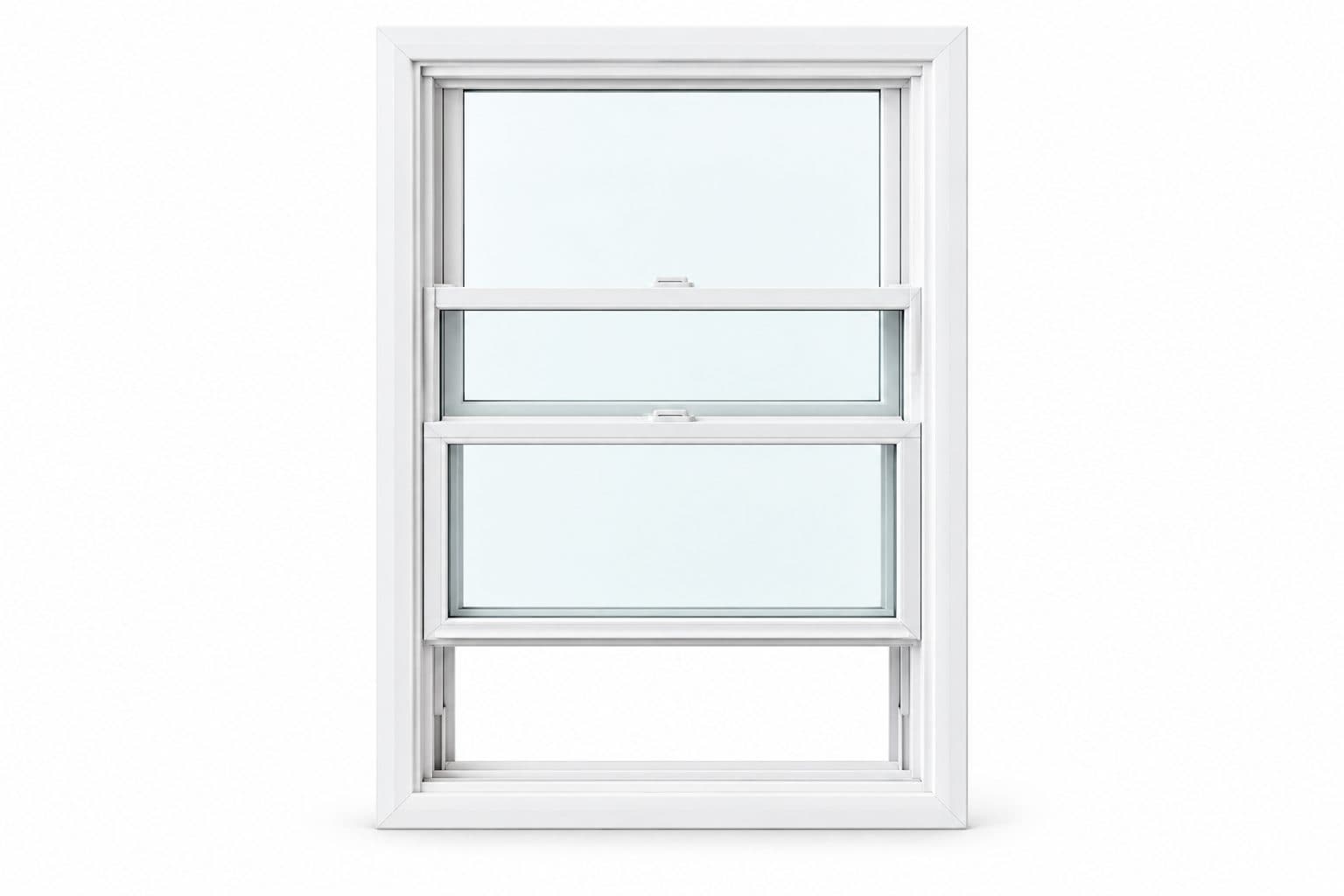
Noise-Reducing Windows
Noise-reducing windows can lower outside sound but will not make a room soundproof. Compare STC and OITC ratings for the complete window, not just the glass, and remember sound can also enter through other parts of the building.
- Measured on site before ordering
- Written scope with product and finish details
- Installed, sealed and reviewed with you
02 of 11
Define the result in practical terms
A useful goal might be making conversation more comfortable or reducing the distraction of routine traffic in one room. Avoid beginning with an absolute requirement that no outdoor sound can ever be heard. Windows are part of an exterior enclosure, and the rest of that enclosure can affect the result. Our guide asks can replacement windows reduce noise and sets realistic expectations.
Distinguish a subjective improvement goal from a measurable acoustic requirement. If the project needs a stated indoor level or formal performance acceptance, that requires an appropriate evaluation method, baseline and responsible specialist. A product brochure alone does not supply that project specification.
Put the intended scope in writing. The proposal should make clear whether it covers windows only, includes work at surrounding openings or calls for separate evaluation of other sound paths. That prevents a window selection from being mistaken for a complete room-soundproofing contract.
four steps, in order
How a Project Runs
- 1
Tell us about the project
Send your location, the approximate number of openings, and what you want to improve.
- 2
Review the openings and options
We discuss your priorities and assess the details that affect product selection and installation.
- 3
Define the work in writing
The proposal identifies the products and agreed installation scope so you can understand what the project includes.
- 4
Install and review the result
At completion, we review the installed products, operation, visible finish, and care information with you.

03 of 11
Audit the acoustic evidence before ranking candidates
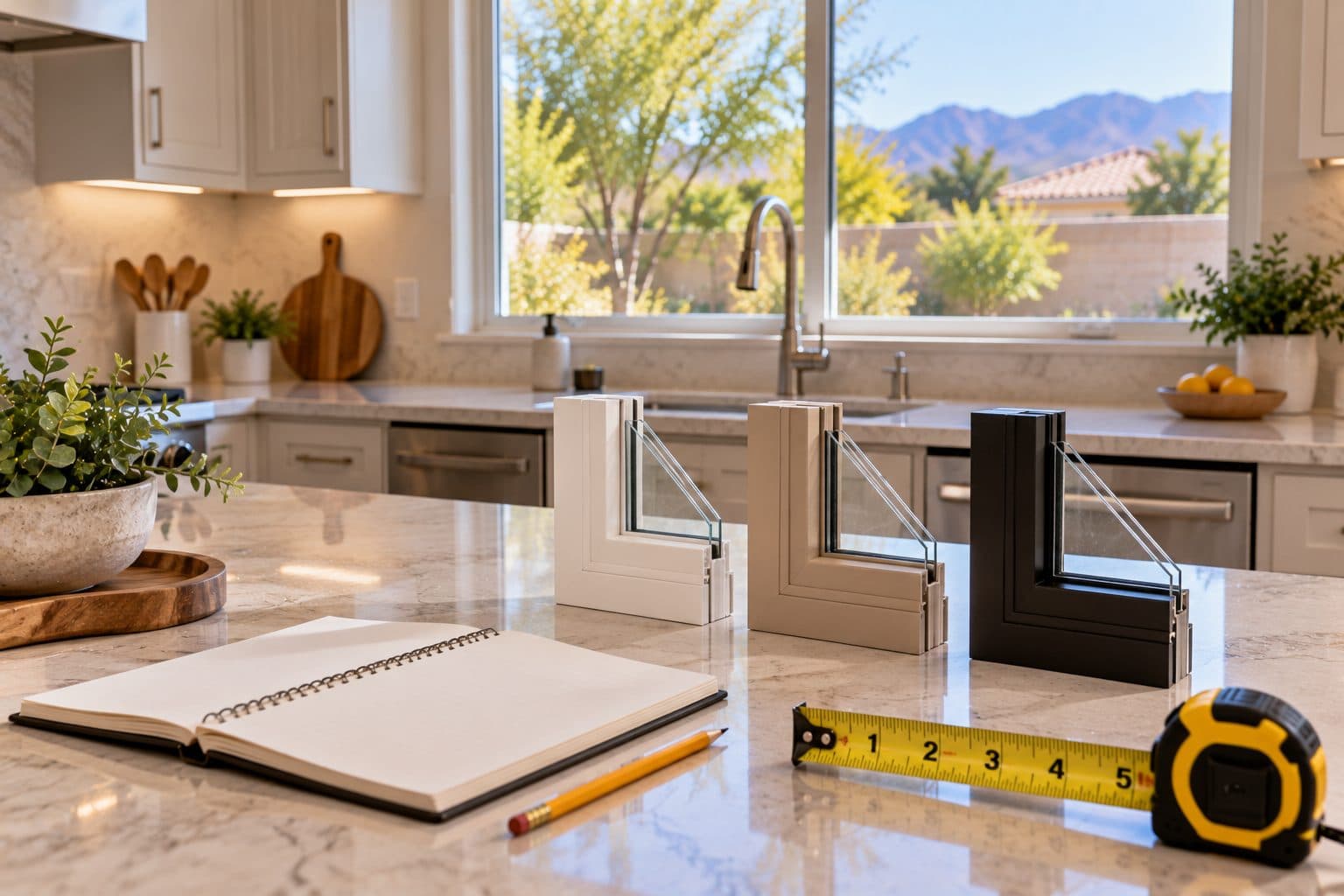
Begin by identifying what was tested. A glazing specimen, a complete fixed window and a complete operable window are different evidence scopes. Record the product series, operation, specimen size, pane makeup, interlayer and airspace as applicable. Then connect that record to the quoted assembly.
Next, identify the metric and whether the value is tested, calculated or estimated. A table footnote can change how a number should be used. A larger headline value is not more persuasive if its relationship to the proposed window is unclear.
Viracon's acoustic data tables provide a useful real example of reading the qualifications. The first two insulating-glass rows show STC values of 35 and 37 while both list an estimated OITC of 30. The document describes glass specimens tested in an acoustical wall and notes that size and glazing system affect results. Their scope is comparative glazing data; whole-window applicability needs separate evidence.
The lesson is that a change under one metric need not produce the same change under another. Keep the method and specimen scope attached to the number. For the actual project, request whole-window evidence or a clearly explained technical basis for using the available data.
| Evidence field | Acceptable record | Reason to pause |
|---|---|---|
| Product identity | Exact series and operation | Generic acoustic-glass name only |
| Glazing makeup | Pane/interlayer/space description | Different construction in the quote |
| Metric | STC or OITC clearly identified | Unlike metrics compared as equivalent |
| Basis | Report or published data with qualifications | Footnotes or estimated status omitted |
| Applicability | Explanation for proposed size/configuration | Glass-only result called installed-window proof |
A missing item is an unresolved question, not a zero score or automatic rejection. Ask the supplier to complete the record. If a formal room performance target is essential, involve the appropriate acoustic specialist before treating a product table as sufficient acceptance evidence.
04 of 11
Read STC and OITC as different comparisons
Sound Transmission Class, or STC, and Outdoor-Indoor Transmission Class, or OITC, are different ways of summarizing acoustic performance. They should not be compared as though the numbers are interchangeable. FGIA's acoustic-report announcement specifically emphasizes their different appropriate uses.
For exterior sources such as traffic, the relevance of OITC deserves discussion. Viracon's acoustic overview explains its use for outside noise, including lower-frequency sources. The right selection still depends on the sound of concern and the evidence for the complete proposed assembly.
A higher rating within the same method can be useful comparative information, but it is not a percentage of noise removed from your room. Do not convert a rating difference into a guaranteed listening experience or assume a laboratory result is an on-site measurement.
how we install
The Part Behind the Glass

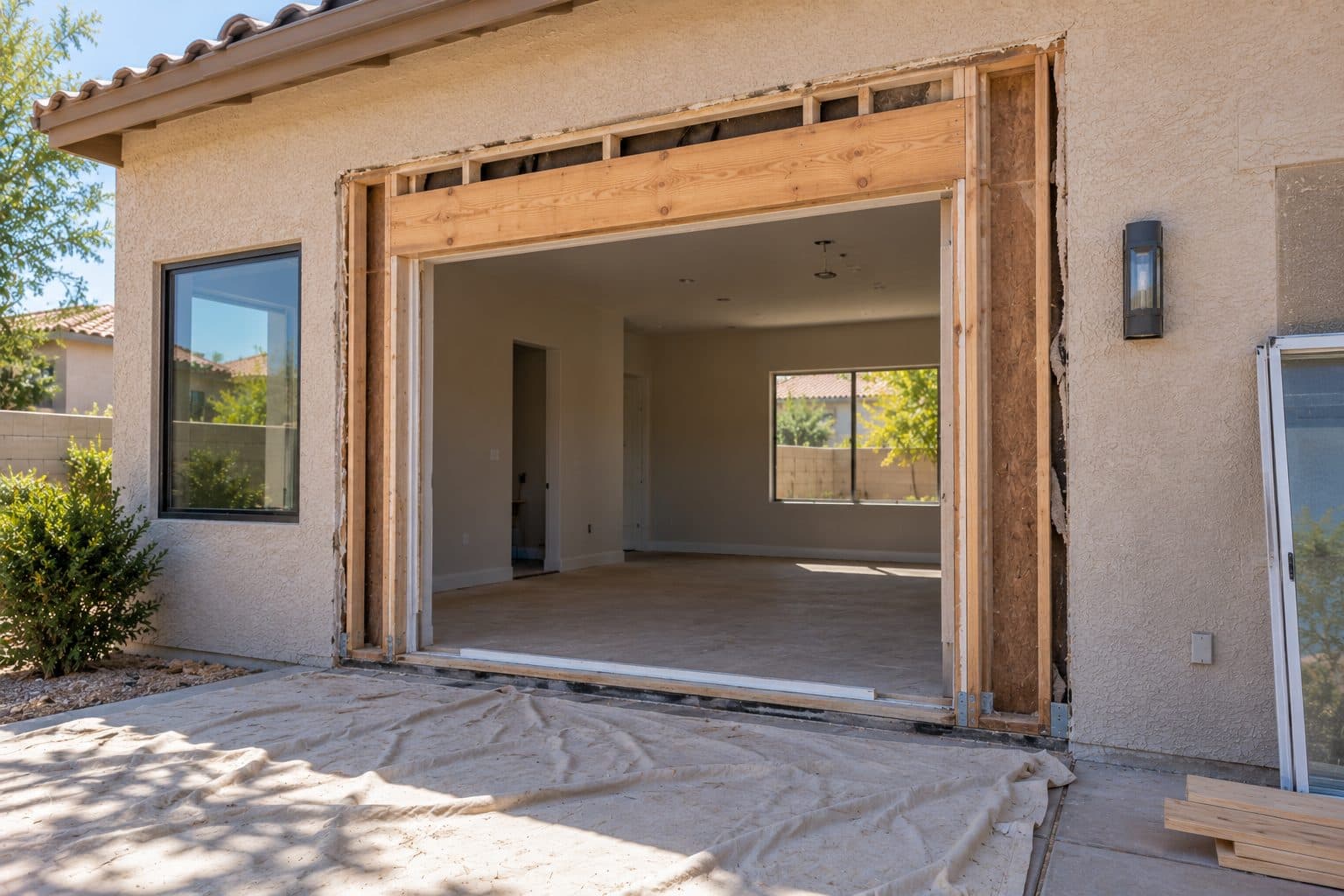
Measured before anything is ordered
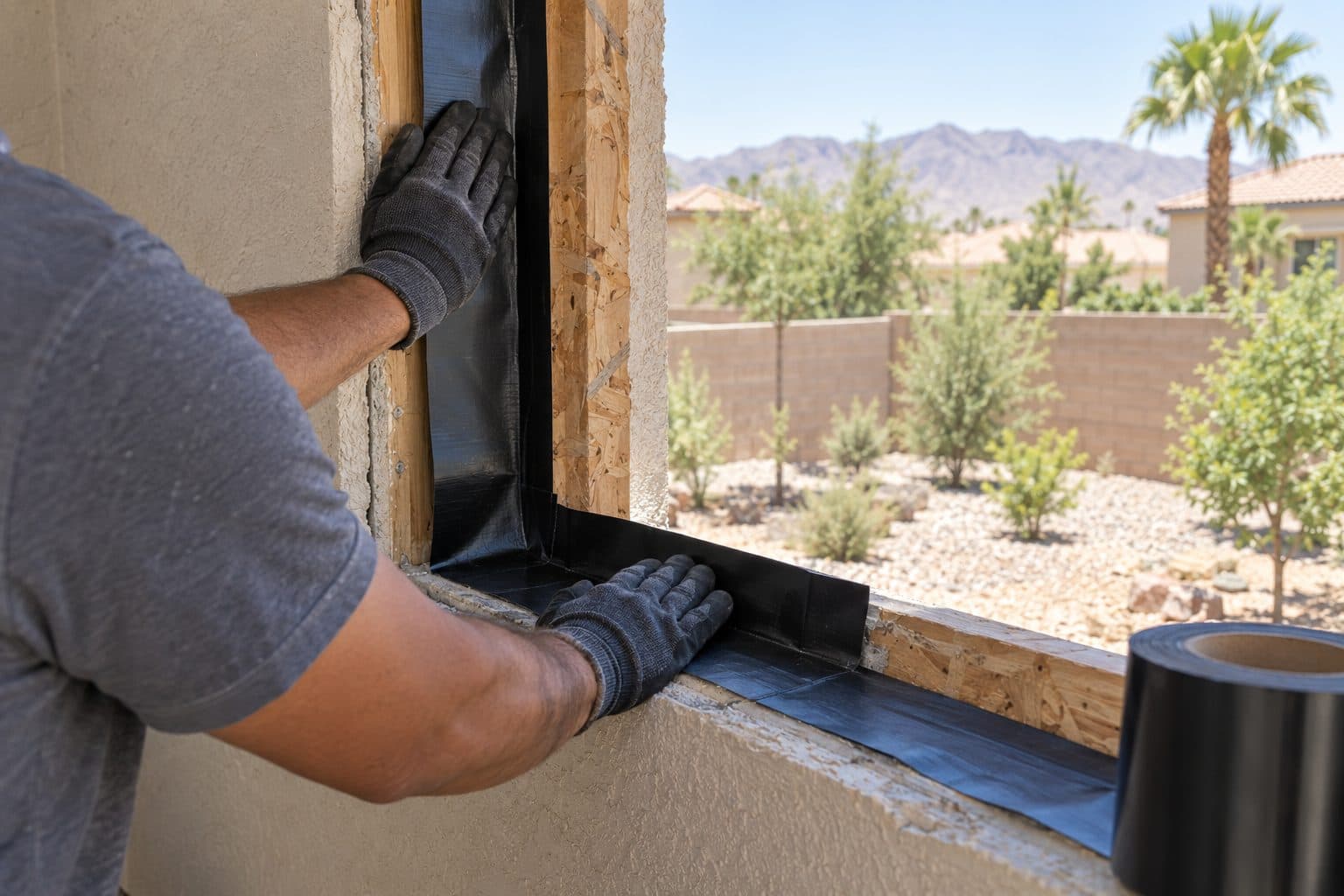
Flashed so water has a way out

Set level, plumb and shimmed
05 of 11
Compare glazing configurations without shortcuts
Acoustic window designs can use different pane thicknesses, laminated layers, airspaces and other assembly choices. Those features should be evaluated through the tested configuration rather than ranked from their names alone. More panes do not automatically establish a better result for every sound source.
Ask what specific construction is included in the quote. Laminated glass is a broad category, and a product described as laminated for one purpose does not automatically establish the desired acoustic rating. The interlayer, glass makeup and rest of the assembly need the relevant documentation.
A window may also have thermal, appearance or safety goals, and our glass options overview covers the visual side. The selected acoustic package should be coordinated with those requirements. Do not assume that the best-documented sound option automatically has the daylight, solar-control or privacy properties you want.
06 of 11
Consider operation and sealing together
An operable window has hardware, seals and moving interfaces that form part of its tested construction. A fixed unit has a different configuration. Compare documented products across window operating styles rather than assuming one style always solves noise better than another.
The window must be closed and operated as intended for its closed-product performance to be relevant. If you regularly want the window open, discuss that routine before investing around a closed-window rating. The listening conditions with an open sash are a different question.
Check everyday usability as well. A heavier or differently configured sash may change the feel of operation. The household should be able to close and lock the selected unit properly. A strong acoustic specification is less useful if the actual controls do not fit the people who use them.
07 of 11
Evaluate the perimeter and surrounding building
A replacement window connects to the existing wall. The installation should address that connection according to the selected product and project requirements, including appropriate sealing and water management. Acoustic goals should not lead to blocking designed drainage or making unapproved modifications.
Other paths can remain important. A nearby exterior door, ventilation opening, roof or wall may contribute to what is heard indoors. If noise remains after one opening is improved, that does not by itself establish a defect in the new window. The whole-room context needs to be understood before assigning a guaranteed outcome to one component.
For a demanding noise problem, ask whether an acoustic specialist should evaluate the enclosure before a product is selected. That can be especially useful when the concern is difficult to describe, involves prominent low-frequency sound or has a formal performance target.
08 of 11
Prioritize rooms before deciding on a whole-house scope
A focused project may start with the room where noise causes the greatest disruption. Identify all exterior openings in that room and consider their relationship to the apparent source. Replacing one window while leaving a nearby weak opening unchanged may limit the benefit.
If the project will be phased, document the assumptions behind the first phase. Specialty glazing also affects the budget, as our window replacement cost guide explains. Make clear which openings are included and what remains outside the work. A staged plan should not promise that one initial unit will predict the exact outcome of every later room.
A hypothetical example is a homeowner choosing between a street-facing office and a quieter guest room. The office may deserve the first detailed assessment because the noise interrupts daily calls. The example prioritizes the room by the activity affected; its outcome would still depend on the actual enclosure and selected work.
09 of 11
Keep daylight and Las Vegas heat in the selection
Noise concerns do not remove the need to compare thermal performance, as you would for any energy-efficient window selection. Ask for the whole-window U-factor and solar heat gain coefficient for the selected acoustic configuration. Review visible transmittance and appearance where daylight matters.
U-factor
How easily heat passes through the whole window. Lower keeps more heat out in summer and in during winter.
SHGC
Solar heat gain coefficient: how much of the sun's heat comes through. Lower means less heat from direct sun.
VT
Visible transmittance: how much daylight comes through. Higher means a brighter room.
If a specialty glass package differs from neighboring windows, examine the visual match before ordering. Tint and reflectance can become noticeable across an elevation. A homeowner should understand those differences alongside the acoustic evidence.
Where the room is also uncomfortable in direct sun, state both goals in the proposal. A documented noise-oriented assembly may have several available thermal options, but those options must be confirmed. Changing the glass to solve one problem should not silently invalidate the evidence used for another.
10 of 11
Use separate product and room acceptance records
A project can verify that the specified windows were supplied without proving a particular indoor sound level. Keep those two outcomes separate in the agreement.
The product record identifies the ordered assembly, glazing, acoustic reference and installed opening. The construction record identifies the perimeter work and other included scope. A room performance record, if contracted, needs a defined baseline, measurement method, conditions and responsible specialist. This separation makes it clear what evidence will close each part of the work.
For an illustrative office project, the homeowner might choose a documented assembly to reduce routine traffic distraction while leaving a nearby exterior door outside the scope. The product and construction can be checked against the order, but the remaining door and other enclosure paths still affect the listening result. If the homeowner instead requires a formal indoor target, those paths must be considered when defining the assessment and contract.
Do not use an uncalibrated before-and-after phone recording as the acceptance test. Different traffic events, phone processing and recording positions can change the apparent comparison. Such recordings can describe an experience, but a measured promise needs an appropriate measurement plan agreed before installation.
11 of 11
Ask for a quote that preserves the specification
The proposal should identify the exact product, operation, dimensions, glazing makeup and acoustic data reference. It should also describe the installation method, perimeter work, interior/exterior finishing and any separate evaluation required.
Ask how substitutions are handled. Replacing an unavailable glass package with a similar-looking one should trigger a review of the acoustic and thermal evidence, not only an appearance check. The approved product schedule should remain the common record through ordering and installation.
If any post-installation measurement is included, define the method, conditions, responsible party and acceptance basis before work begins. Otherwise, the final walkthrough should verify the specified products, operation and agreed construction scope without pretending to be a laboratory acoustic test.
things people ask us
Frequently Asked Questions
Will noise-reducing windows make my room soundproof?
No window selection should be treated as a promise of complete silence. The actual assembly, installation, other building elements and outside sound source all matter. A proposal should describe the documented product and intended scope without guaranteeing that every sound becomes inaudible.
Is STC the same as OITC?
No. They summarize acoustic performance using different rating approaches and should not be compared directly as equivalent numbers. Ask which method is relevant to your outside-noise concern and whether the cited value applies to the whole window or only a glazing specimen.
Can I choose laminated glass and assume it solves traffic noise?
No. Laminated construction can be part of an acoustic design, but the complete tested configuration matters. Request the actual glazing makeup and assembly data. The word laminated alone does not establish a particular rating or an indoor result.
Do I need to replace every window in the house?
The appropriate scope depends on the affected rooms and the paths through which sound enters. Begin by assessing the room with the clearest priority and all relevant exterior openings. A phased plan may be considered, but it should state what remains outside the first stage.
Can you guarantee a particular reduction based on a phone recording?
A phone recording is useful for describing the type of sound, but it is not a calibrated baseline or a performance specification. A measurable target needs an appropriate evaluation method and responsible specialist. Product selection should use documented evidence and realistic project assumptions.
Will the acoustic rating apply when I open the window?
Closed-product acoustic data describes the tested closed assembly. Opening the sash changes the sound path and the listening conditions. If regular open-window ventilation is important, include that routine in the discussion so the selection reflects how the room will actually be used.
What does an estimated acoustic value mean for my comparison?
Keep the estimated status and the document’s limitations attached to the value. Confirm what specimen it describes and whether it applies to the proposed assembly. It can inform a comparison, but should not be presented as a measured indoor result or silently relabeled as a whole-window test.
Still have a question about your home?
Ask us directly. A quick description of the opening is enough.

keep going
Related Pages
- Energy-efficient windows
Energy-efficient windows for Las Vegas homes: how U-factor, SHGC and sun exposure guide the right glass for each room. Request a window estimate.
- Window styles
Compare window styles for your Las Vegas home: sliding, single-hung, double-hung, casement, awning, picture, bay and bow. Find the right fit for each room.
- Glass options
Window and door glass options: clear, textured privacy and decorative glass, how each looks by day and at night, and what to check before you choose.
- Window replacement cost
What affects window replacement cost in Las Vegas: window size and type, glass, installation method and stucco or trim repair. Learn how to compare quotes.
Sources referenced on this page
Independent references linked in the text above. A manufacturer source explains a product concept; it does not mean Agave Windows supplies that brand.
- Viracon's acoustic data tables (viracon.com)
- FGIA's acoustic-report announcement (fgiaonline.org)
- Viracon's acoustic overview (viracon.com)

ready when you are
Request a Noise-Focused Window Estimate
Tell us your location, the approximate number of openings, and what matters most to you. You do not need to arrive with a product already selected.
- Photos can follow once we reply; no measurements needed
- A written scope before anything is ordered
- Licensed, insured, and bonded
Request an Estimate