




- 6 min read
- Updated
- Supports: Noise-Reducing Windows
Can New Windows Reduce Outside Noise?
Replacement windows can help reduce outside noise when the selected assembly and installation address meaningful sound paths into the room. They cannot make every home silent. Glass, frame, seals, the surrounding wall and other openings all influence what you hear.
Start by describing the noise and the room where it matters. Traffic rumble, voices and intermittent aircraft sound are different experiences. A useful recommendation identifies windows with documented acoustic performance and explains the limits of applying a laboratory rating to your home.

The short version
Yes, new windows can reduce outside noise, especially with laminated glass and tight seals, but they will not make a room silent. Results depend on the type of noise and on other paths such as walls and doors.
On this page
Describe the sound before choosing a product
Make a brief log of the source, time and location. Is the concern continuous traffic, a brief delivery vehicle, nearby conversation or several different sources? Note whether it interrupts sleep, work or normal conversation.
Identify the rooms that matter most. A guest room used occasionally may have a different priority from a bedroom facing a busy road. The goal is to direct evaluation toward the actual problem rather than assume the entire house needs one acoustic specification.
Use recordings as context
Phone recordings can help explain when a sound occurs, but they are not a substitute for a controlled acoustic measurement. Device processing and placement can change the recording. Use them as context, not as proof of an exact before-and-after decibel reduction.
Understand what an acoustic rating tells you
Sound Transmission Class, or STC, is a single-number way to compare sound transmission performance. Outdoor-Indoor Transmission Class, or OITC, is another rating used for exterior sound, with a reference spectrum related to transportation sources.
These are different ratings, so compare like with like. A higher number in the same rating system indicates greater attenuation under that system’s conditions, but it is not a percentage of noise removed from your bedroom.
ASTM’s OITC classification cautions that single-number ratings have limits. Products with the same rating can behave differently across frequencies, and an actual outdoor sound may differ from the reference spectrum. For a difficult noise problem, more detailed acoustic advice may be appropriate.
Understand how glazing changes sound transmission
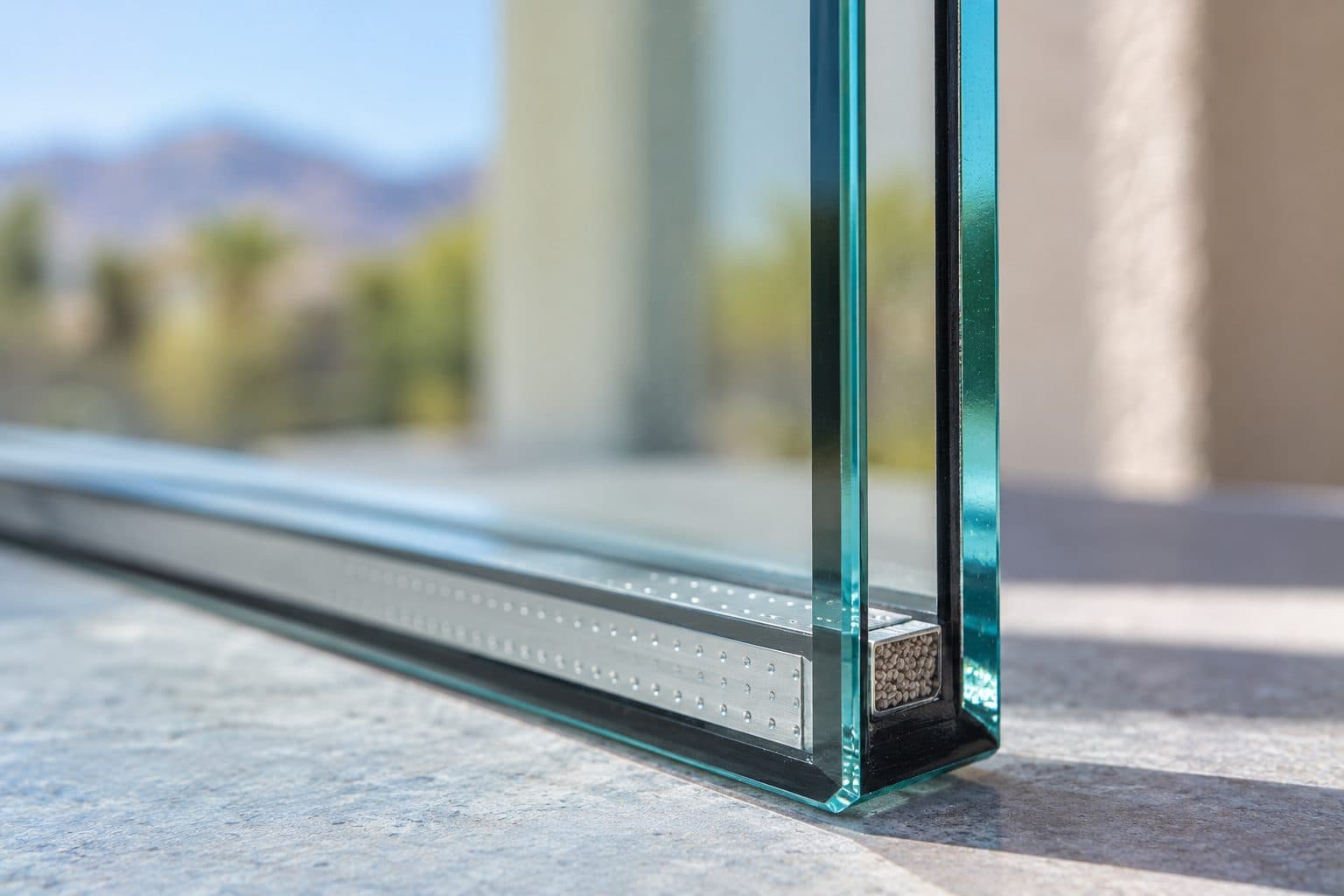
Sound pressure can make a pane vibrate, and that vibration can transmit sound to the other side. Changing the glass construction changes how the assembly responds. A laminated pane includes an interlayer that can damp vibration; it is not simply another empty gap between sheets. Guardian's acoustic-glass explanation describes this damping mechanism.
That explains why pane count is an incomplete specification, as our double- and triple-pane comparison also shows. Thicknesses, spacing, interlayer construction, frame and seals can produce different results. More glass layers do not automatically improve every frequency range, and a glass-only benefit should not be transferred to an entire operable window without appropriate evidence.
Keep the claim at the level tested. A laboratory report for glazing can support that glazing's measured behavior. A report for a complete window can address the tested frame, operator and seals. Neither alone describes every route into an actual bedroom.
Thermal and acoustic evidence also remain separate. U-factor and SHGC, the main window energy ratings, do not measure sound attenuation. If a proposed acoustic glass change alters the thermal package, record both sets of relevant documentation rather than assuming an improvement in one category carries into the other.
Inspect other paths into the room
Sound can reach the interior through doors, vents, gaps and surrounding wall areas as well as the window. If those paths dominate, changing the glass alone may produce a result different from what the product rating suggests.
Describe any obvious gaps or incomplete closure (our guide covers possible window air leaks), but avoid treating an air-leak observation as a complete acoustic diagnosis. The installation perimeter and the broader room deserve attention. Ask which parts of the building are included in the recommendation and which remain outside its scope.
This is especially useful when the sound seems strong across an entire wall rather than near one opening. A whole-room assessment can help determine whether a window project is the right first investment or one part of a wider plan.
how we install
The Part Behind the Glass

Measured before anything is ordered
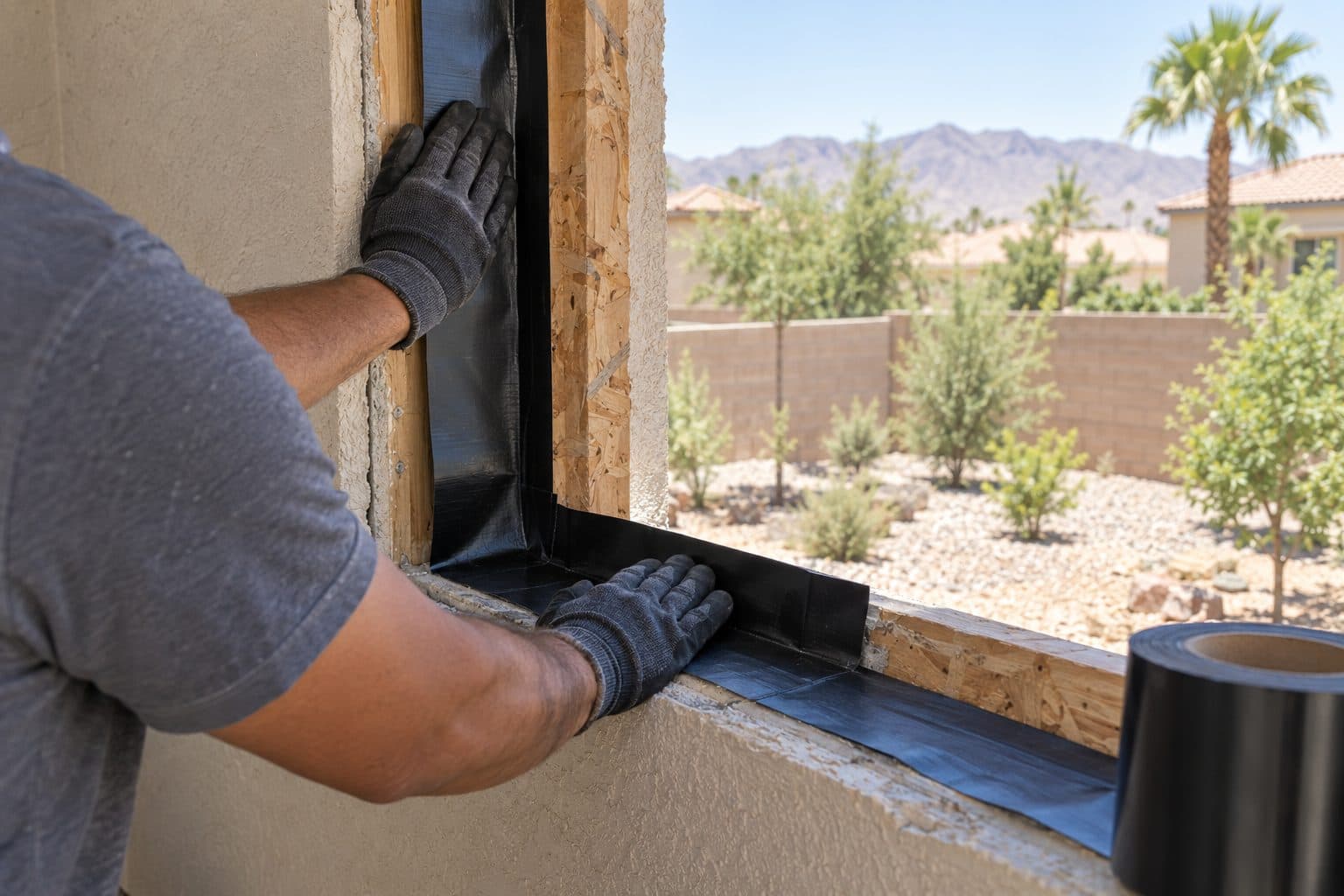
Flashed so water has a way out
Keep operation and ventilation in the decision
Acoustic ratings generally describe a defined test condition; they do not imply the same performance with a window open. If you regularly open the room to outdoor air, consider how that habit relates to the noise periods that concern you.
A fixed and an operable window also serve different daily needs, and our window operating styles pages describe each. Do not choose a configuration solely for an acoustic number without considering required function, access and applicable opening requirements. A proposal should preserve the room’s necessary use.
Ask to review hardware, opening effort and care requirements alongside the acoustic data. A product that is difficult for the household to close fully may not fit the practical goal, regardless of an appealing laboratory rating.
Compare two reports before comparing two headline numbers
Imagine Proposal A advertises a high STC for a glass specimen. Proposal B supplies an OITC report for a complete operable window. The two headline numbers cannot be ranked directly: the rating methods and the tested objects differ. First request comparable evidence for the products actually offered.
Then inspect the report identity, specimen description, glazing build-up, operating configuration and stated test conditions. If the proposed order differs, obtain an explanation of applicability. An “up to” value from a different configuration is a possibility within a catalog, not evidence for the selected unit.
For a difficult transportation-noise concern, frequency-specific transmission data may explain a difference that one rating hides. ASTM's OITC guidance cautions that equal single-number ratings can yield different indoor sound spectra and that a real source may differ from its reference spectrum. This is a reason for qualified acoustic interpretation when the problem warrants it, not a reason to ignore ratings.
Finally, consider a room with both a weak window and a separate vent path. Improving the window can reduce its contribution while leaving the vent's contribution. As the window improves, that other path may become more noticeable. This is why the product's laboratory difference cannot simply be subtracted from a phone recording made at the bed.
Define a reasonable expectation before purchase
A hypothetical homeowner beside an intermittently busy street may want conversation in a front room to feel less interrupted. Another may have low-frequency sound affecting sleep and need specialist evaluation before selecting a window. The second problem deserves more than a general sales demonstration.
Avoid comparing two display samples with an uncontrolled speaker test as though it predicts your home. Demonstrations can illustrate differences, but source sound, sample size, mounting and the room affect what you hear.
Ask what the provider can substantiate, what remains uncertain and whether a specialist should assess the application. A careful recommendation can be persuasive without promising soundproof rooms or a fixed percentage reduction.
Build an acoustic question list
Request the exact assembly, test basis, rating type and relevant configuration. Ask how the installation perimeter will be addressed and whether other paths may limit the outcome. Keep those answers with the final product schedule. Our guide to window buying decisions shows where acoustics fit among the other choices.
Bring your noise log to Agave Windows when you request an estimate. A clearly described problem makes it easier to determine which documented specifications deserve consideration and what additional evaluation may be useful.
This guide supports
Noise-Reducing Windows →things people ask us
Frequently Asked Questions
Is an STC rating the same as a decibel reduction in my room?
No. STC is a comparative rating derived under a defined method. The difference you experience in a room depends on the sound source, the complete installation and other transmission paths. Do not interpret a product rating as a guaranteed before-and-after measurement at your bed or desk.
Should I ask for STC or OITC?
Ask which evidence is appropriate to the noise source and compare the same rating type across proposals. OITC is relevant to exterior transportation-type sound, while STC is another common comparison. A difficult or unusual source may warrant frequency-specific data and acoustic expertise.
Will triple-pane glass always be quieter?
No general pane-count rule establishes the acoustic result. The glass construction, cavities, seals and full assembly matter. Compare documented acoustic performance for the actual configurations rather than assuming that an extra pane guarantees a better outcome.
Can replacing one window help?
It may if that opening is a meaningful sound path and the selected assembly addresses it. Other windows, doors, vents and wall paths can limit the result. Evaluate the room and priority source before assuming either that one replacement is sufficient or that every window must change.
Still have a question about your home?
Ask us directly. A quick description of the opening is enough.
keep going
Related Services and Guides
- Noise-Reducing Windows
Noise-reducing windows in Las Vegas: what STC and OITC ratings mean, how glass and seals affect sound, and why no window makes a room fully soundproof.
- Double- and triple-pane comparison
Double-pane vs triple-pane windows: what a third pane changes for insulation, sun heat, noise and weight, and how to tell if it is worth it for a room.
- Window energy ratings
U-factor and SHGC explained in plain terms: what each window energy rating measures, how to read an NFRC label, and which numbers to compare on a quote.
- Possible window air leaks
Drafty windows: repair or replace? Learn how to find where the air comes in, which causes can be repaired, and when replacement is worth pricing.
- Window buying decisions
How to choose replacement windows in Las Vegas: list what each room needs, pick a style, compare glass ratings and installation, then line up quotes.
- Best Windows for Las Vegas Heat
The best windows for Las Vegas heat depend on sun exposure, glass coating and SHGC, not frame material alone. See what to compare room by room.
- Low-E Glass vs Window Tint
Low-E glass vs window tint: how a factory coating differs from film added later, when each makes sense, and what film cannot fix on double-pane windows.
- West-Facing Windows
West-facing windows take low afternoon sun that overhangs often miss. See how to plan glass, shading and glare control for a hot Las Vegas room.
- Black Windows in Las Vegas Heat
Thinking about black windows in Las Vegas heat? Learn how dark frame finishes handle sun exposure, what to ask about the finish, and how glass affects heat.
Sources referenced on this page
Independent references linked in the text above. A manufacturer source explains a product concept; it does not mean Agave Windows supplies that brand.
- Guardian's acoustic-glass explanation (guardianglass.com)
- ASTM's OITC guidance (store.astm.org)

ready when you are
Have a Question About Your Own Home?
A guide can explain the choice. Your openings decide the answer. Tell us what you are seeing and we will help you work out the next step.
- Photos can follow once we reply; no measurements needed
- A written scope before anything is ordered
- Licensed, insured, and bonded
Request an Estimate