






- 6 min read
- Updated
- Supports: Replacement Windows
Drafty Windows: Find the Cause First
A drafty window can make a room uncomfortable, but the sensation does not identify the cause by itself. Air may pass through operating joints or around the frame, and heat transfer near glass can also feel uncomfortable without a visible leak.
Before choosing repair or replacement, locate the concern as well as you can and describe when it occurs. The right scope should address a supported finding rather than treating every cold or warm spot as proof that the entire window has failed. For doors, see our guide to air leaks at patio doors.
The short version
Drafty windows can often be repaired when the cause is worn weatherstripping, a sash that does not close fully, or a gap around the frame. Replacement makes more sense when frames are damaged or parts are unavailable.
On this page
Describe the sensation and its pattern
Note where you feel the movement or temperature difference: at the sill, along a sash edge, near a lock or around the interior trim. Record whether it changes with wind, outdoor temperature or normal operation of the home’s systems.
Compare the window fully closed and properly latched with its usual condition. If it cannot close or lock normally, report that as a separate operating symptom. Do not force the sash or add pressure to damaged glass.
Mark the concern on a photograph
Use a simple room sketch and photos. A mark showing the lower latch-side corner is more useful than saying the whole window leaks. The observation narrows the assessment without claiming to diagnose the hidden path.
Separate product joints from the wall perimeter
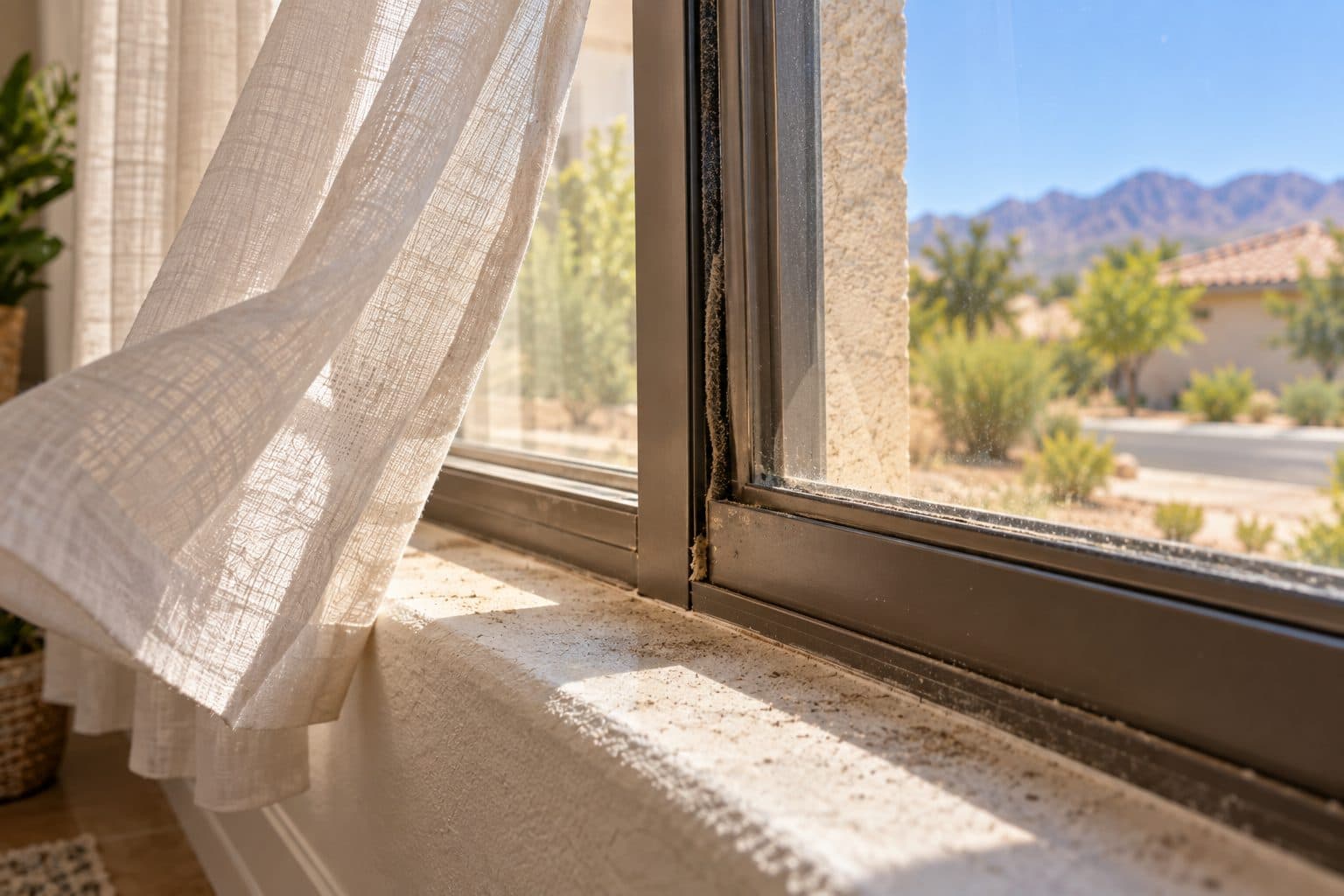
An operable window has seals where moving sash meets fixed parts. The frame-to-wall connection surrounds the installed unit. A problem in one area can require a different repair from a problem in the other, even when both sensations are reported as “the window leaks.”
| Observation location | Area to examine | Scope it does not establish by itself |
|---|---|---|
| Sash edge or meeting rail | Closure, alignment and product weatherstripping | Removal of the surrounding frame |
| Interior trim edge | Installation perimeter and possible concealed route | Failure of the glass seal |
| Broad area beside cold glass | Surface temperature and local room air movement | An outdoor air gap |
| Only the sunlit part of the room | Solar exposure and shading | An air-sealing defect |
The visible exit point is not necessarily the full route. Air emerging at trim could have traveled behind it. Applying sealant to an unrelated exterior line may leave that route intact, while blocking drainage could create another problem. Locate the supported path before choosing the material or repair area.
Where ordinary observation cannot distinguish the cause, an appropriate building assessment may use pressure testing and other diagnostic tools. DOE's air-sealing guide describes professional assessment methods. A whole-home leakage result includes other openings and building paths; it is not automatically a measured defect in one window. The useful report connects the specific findings to the proposed scope.
Check normal closure and visible care needs
Look for accessible debris that prevents the window from reaching its normal closed position. Follow the product’s care instructions for routine cleaning, and note damaged or displaced weatherstripping without pulling it out to inspect further.
Some operating problems may involve hardware or alignment. Others can relate to the frame or opening. The product and condition determine which adjustments are appropriate; a universal instruction to tighten every screw can make the situation worse.
If a small care step changes the symptom, record that result. Improvement after clearing debris is useful information, but it does not prove every seal and perimeter detail is sound. Persistent concerns still deserve a focused assessment.
Understand discomfort without an air leak
Two effects can make a closed window feel drafty without proving that outside air crosses it. First, room air next to colder glass can cool and move downward, creating a local circulation pattern. That air started inside the room. Second, a person near a colder surface can lose more radiant heat toward it and feel chilly even when the thermostat reading is comfortable. NFRC's comfort guide discusses the air movement, while ENERGY STAR explains the effect of cold glass on comfort.
Infiltration is different: air crosses an unintended path through the product or its connection to the wall. Both mechanisms can occur at once. Feeling movement with your hand near the sill does not, by itself, tell you where that air originated.
Consider a hypothetical seat beside a large window on a cold, calm evening. Discomfort across the glass area, without a located joint leak, may warrant thermal assessment. Compare that with a narrow stream felt at one sash corner mainly during wind; the joint deserves focused inspection. These observations guide the investigation but do not independently confirm either cause.
For a sunny opening, record whether the concern follows direct sunlight instead. Solar gain belongs to a different thermal question. U-factor, SHGC and air-leakage ratings each describe different behavior; choosing work requires identifying which behavior is relevant to the complaint.
how we install
The Part Behind the Glass

Measured before anything is ordered
Flashed so water has a way out
Keep observation safe and reversible
Do not use candles, matches or another open flame to trace leaks. Avoid removing trim or disassembling the window merely to look for a gap. A professional assessment can use appropriate methods when the path is not clear.
Do not block intentional drainage openings or seal a required operating function shut. Temporary coverings can also hide evidence or interfere with use. If temporary action is needed, ask for advice suitable to the product and condition.
If the concern involves broken glass, a loose assembly or inability to secure the opening, treat that as a prompt service issue. It should not be reduced to a routine weatherstripping project based on the word draft.
Ask when a component repair makes sense
A repair may be considered where the problem is identified, the relevant part is available and the retained window is suitable. Examples of areas to assess include weatherstripping, hardware, alignment and an accessible installation joint.
Ask what the proposed repair changes and how its result will be checked. A useful scope names the location and component rather than saying the contractor will seal the window generally. Our window repair service page describes the component repairs we assess.
Also ask what remains outside the repair. If the glass has a separate problem or the wall has a moisture history, those concerns may need their own decisions. A targeted repair should not be sold as a complete renovation of unrelated components.
Recognize when broader replacement deserves evaluation
A complete window replacement may be appropriate where the frame or multiple components are unsuitable, reliable parts are unavailable or the homeowner wants a different product and performance level. The rationale should be tied to the actual findings and goals.
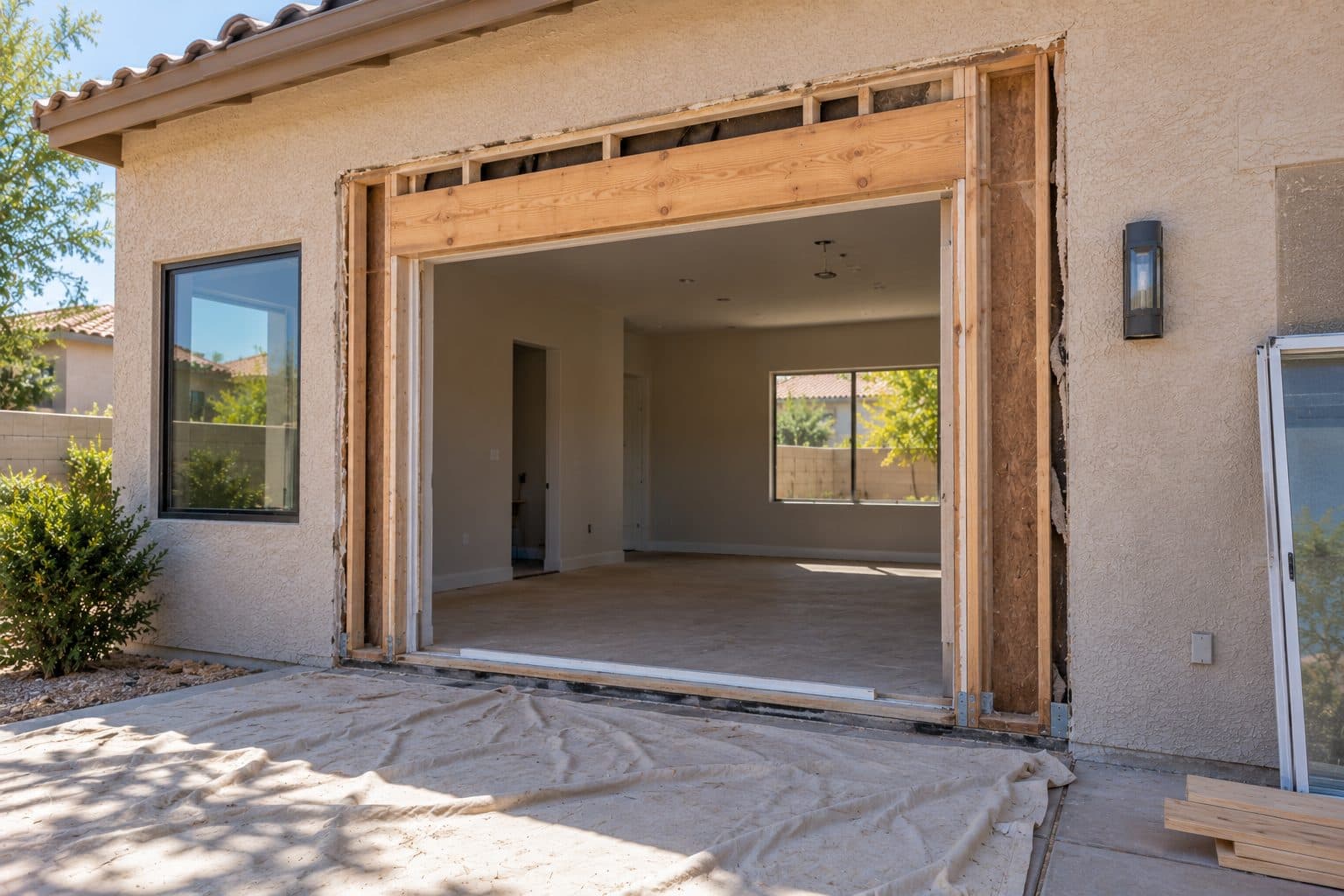
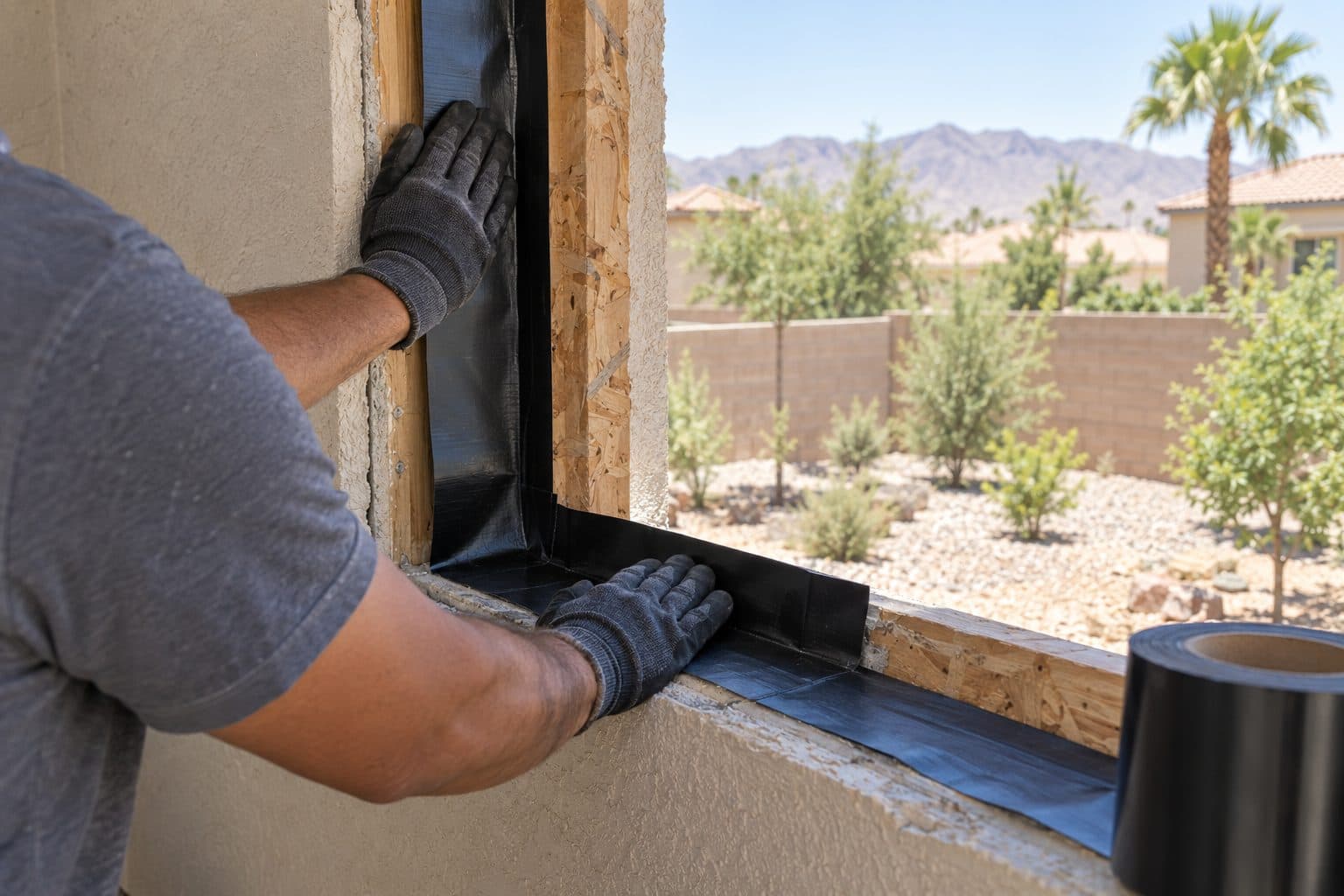
If air is entering around the frame-to-wall connection, ask how the replacement scope will address that path. A new unit alone is not an explanation of the perimeter work. Support, air sealing and water-management integration still need an appropriate detail.
A hypothetical homeowner with an otherwise sound window and an identified damaged seal may first consider a compatible component repair. Another with repeated closure problems and deteriorated framing may need a broader plan. The same reported sensation can lead to different scopes. Our guide to the signs a window needs replacement lists other conditions to weigh.
Prepare a clear request for help
Gather the room name, symptom location, wind or temperature pattern, closure behavior and accessible product information. Include any past repairs or added sealant. Mention water staining separately so the evaluator understands the full history.
Ask for an explanation of the likely path, assessment limits and proposed next step. If the cause remains uncertain, request the information needed to resolve it before treating a replacement quote as a confirmed diagnosis.
To discuss the concern with Agave Windows, request an estimate or use the contact page. A useful plan connects the observed problem with work that can actually address it.
This guide supports
Replacement Windows →things people ask us
Frequently Asked Questions
Does feeling cold near glass prove the window leaks air?
No. Heat transfer and local air movement within the room can also create discomfort. Describe where and when it occurs, including wind and sunlight conditions. An assessment should distinguish a leakage path from a thermal-performance concern before a repair or replacement scope is chosen.
Should I caulk every visible gap?
No. First identify the intended joints and drainage features, and follow product-specific guidance. A visible opening may serve a function, while the actual leak path may be concealed elsewhere. Indiscriminate sealing can interfere with operation or drainage without addressing the underlying concern.
Can weatherstripping be replaced on any window?
Availability and serviceability depend on the product and condition. Have the window and seal profile identified before assuming a generic strip is compatible. Ask whether the retained frame and hardware are suitable and how the repair will preserve normal closure and operation.
Will replacing the glass stop a draft?
Only if the identified problem is addressed by that specific work. Air at sash joints or the frame-to-wall perimeter may require a different scope. Glass and complete replacement scopes should each be justified by the actual condition, not selected from the symptom name alone.
Still have a question about your home?
Ask us directly. A quick description of the opening is enough.
keep going
Related Services and Guides
- Replacement Windows
Replacement windows in Las Vegas, planned room by room. See how to choose glass, frames and installation method, and what a clear estimate should include.
- Air leaks at patio doors
Why patio doors leak air: worn seals, panels out of alignment, the threshold, or the gap around the frame. Learn how to find the draft and what fixes it.
- Glass and complete replacement scopes
Should you replace the glass or the whole window? Learn when new glass is enough, when a sash swap works and when full window replacement makes sense.
- Window repair availability
Window repair in Las Vegas for windows that stick, drop, will not stay open or will not lock. See what can be repaired and how an assessment works.
- Thermal and air-leakage ratings
U-factor and SHGC explained in plain terms: what each window energy rating measures, how to read an NFRC label, and which numbers to compare on a quote.
- Window condition assessment
Signs your windows may need replacement: fog between panes, sticking sashes, drafts, stains or damage. Learn what each one means and what to do next.
- Foggy Double-Pane Windows
Foggy double-pane windows usually mean a failed glass seal. Learn how to confirm it, whether the glass alone can be replaced, and what defogging cannot do.
- Why Sliding Glass Doors Are Hard to Open
Why is your sliding glass door hard to open? Common causes include a dirty track, worn rollers and misalignment. Learn what to check and what to avoid.
- Window Condensation Guide
Window condensation guide: what moisture on the inside, on the outside, or between the panes means, and when a wet window needs service.
Sources referenced on this page
Independent references linked in the text above. A manufacturer source explains a product concept; it does not mean Agave Windows supplies that brand.
- DOE's air-sealing guide (energy.gov)
- NFRC's comfort guide (efficientwindows.org)
- ENERGY STAR explains the effect of cold glass on comfort (energystar.gov)

ready when you are
Have a Question About Your Own Home?
A guide can explain the choice. Your openings decide the answer. Tell us what you are seeing and we will help you work out the next step.
- Photos can follow once we reply; no measurements needed
- A written scope before anything is ordered
- Licensed, insured, and bonded
Request an Estimate