


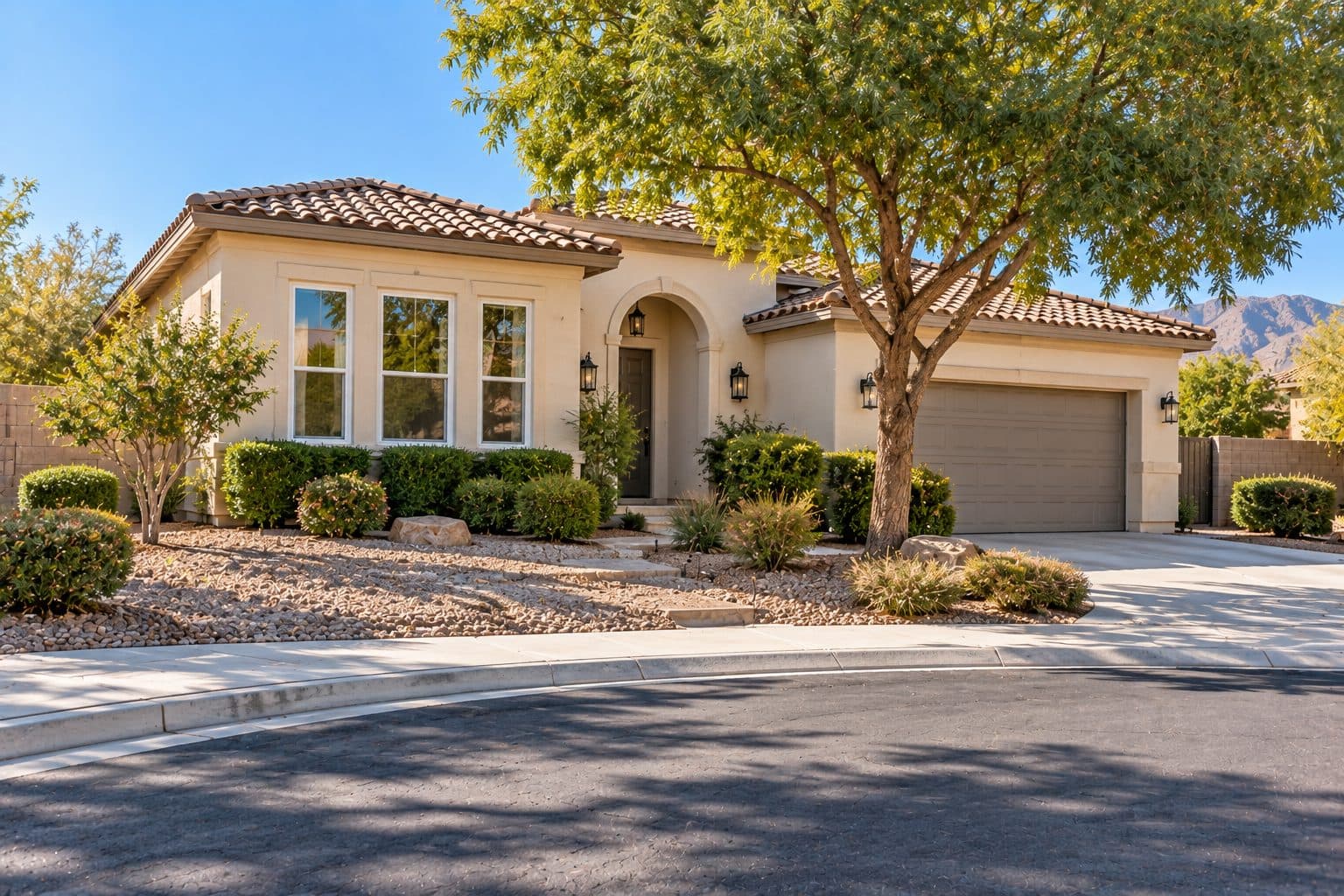
Fiberglass Windows in Las Vegas
Fiberglass windows are a frame-material option for homeowners who want to review the visible profile, finish and performance of a complete replacement assembly. The material can be part of a compelling design, but its name alone does not tell you which sizes, operating styles or glass packages will fit your home.
Agave Windows helps Las Vegas homeowners evaluate fiberglass selections for Las Vegas window replacement around the actual product and opening. We connect the frame you will see with the operation you will use and the installation work around it.
- Licensed, insured, bonded
- Written scope before ordering
- Las Vegas valley
The short version
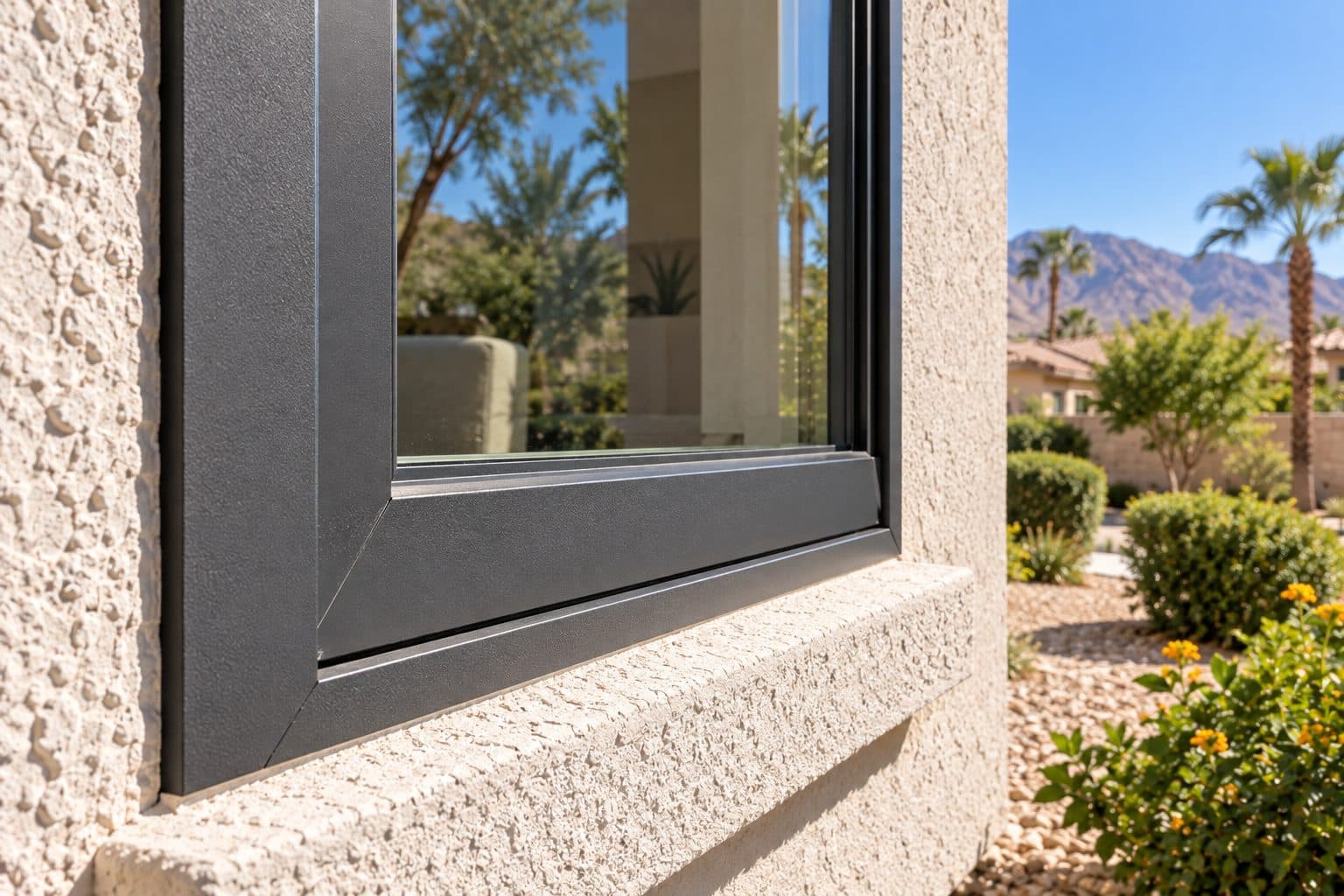
Fiberglass window frames are made from glass fibers and resin. The material alone does not set energy performance, so compare whole-window ratings, frame width, finish options and warranty coverage for the exact product you are quoted.
01 of 10
Identify which surfaces and components are fiberglass
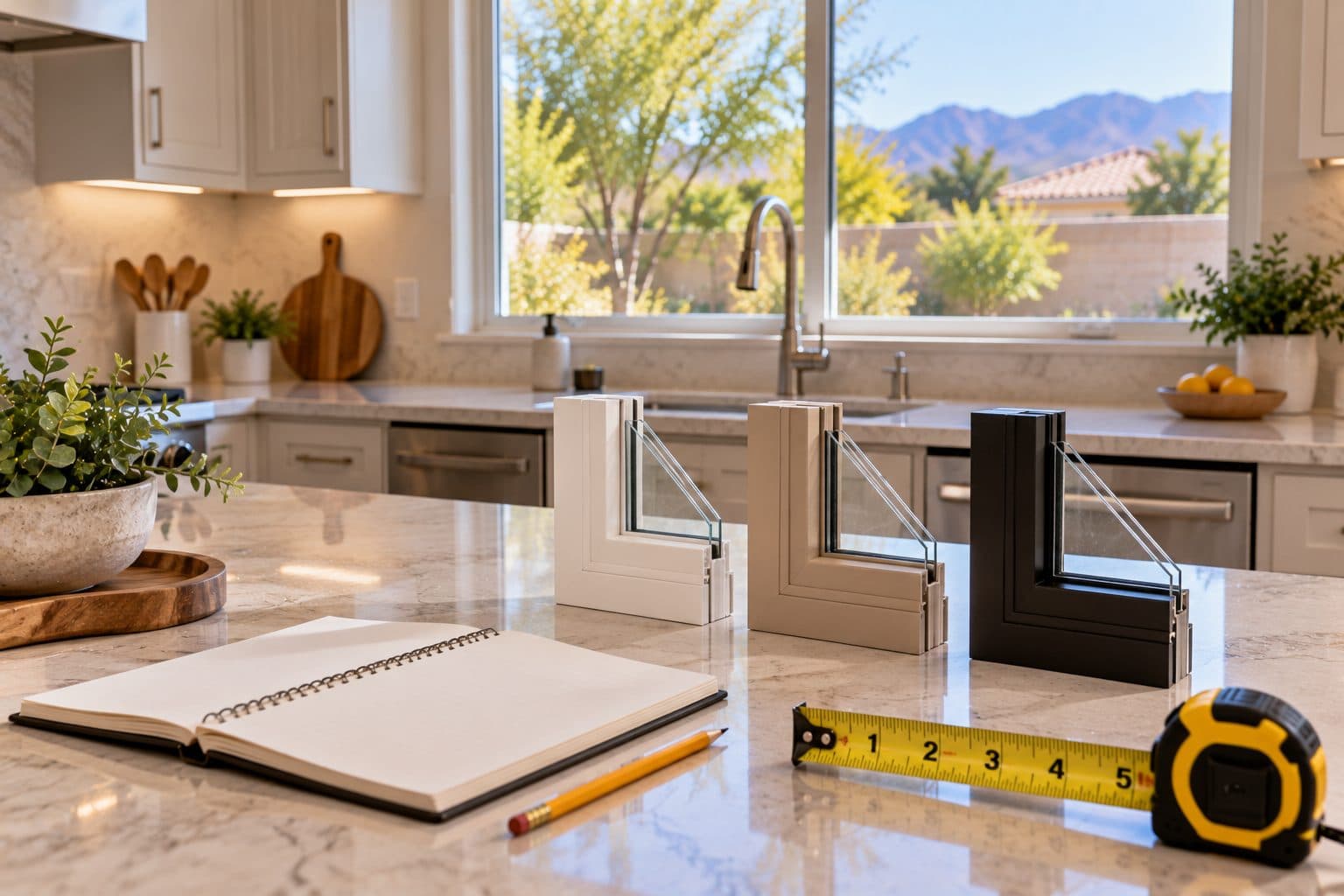
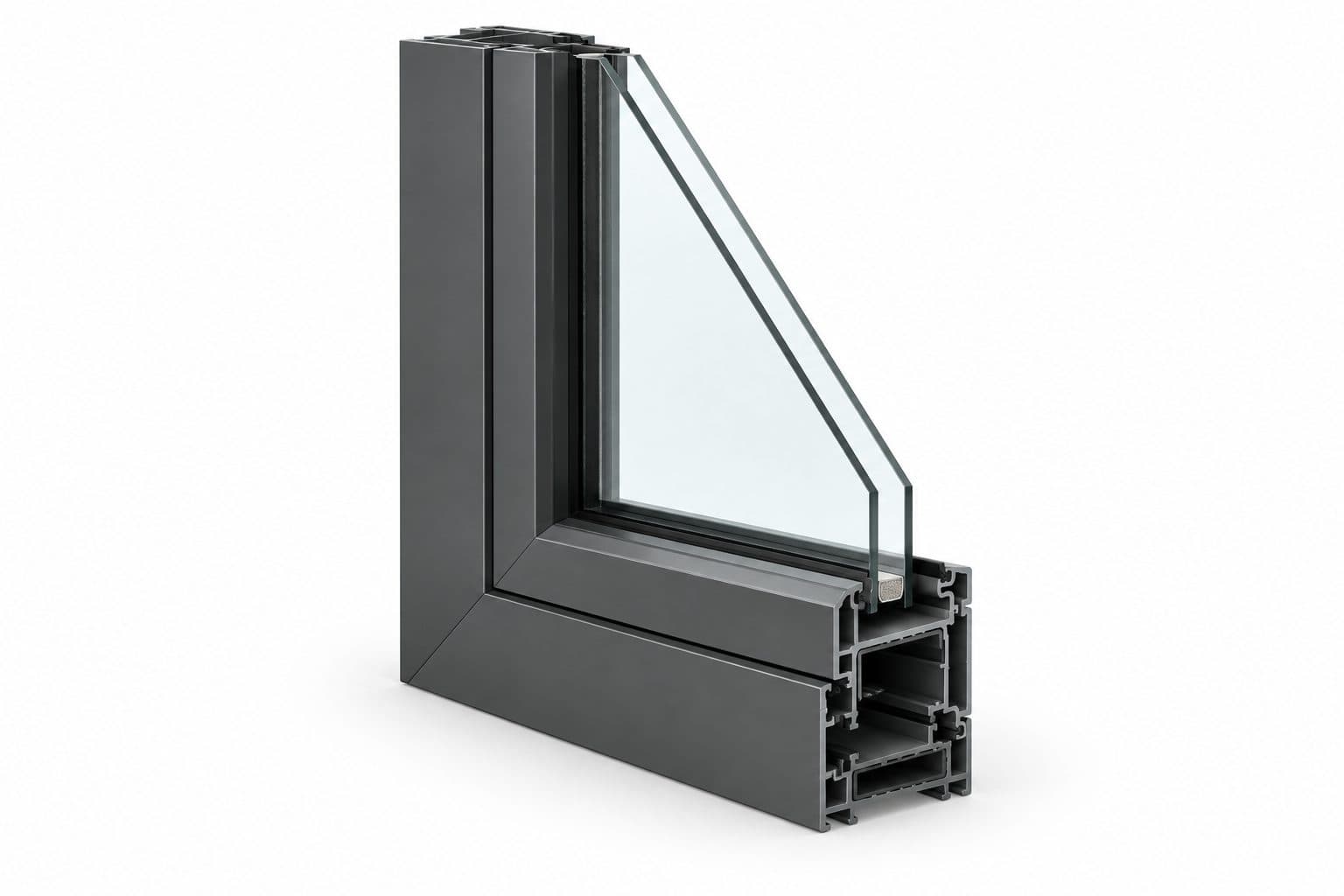
Fiberglass combines glass fibers and resin, but a window described with that material may still use a different construction or finish on the interior. Identify the exterior frame, interior frame, sash and any separate trim rather than relying on one material label for the whole opening.
Marvin's fiberglass overview describes pultrusion, in which continuous fibers are drawn through a forming process with resin. It also distinguishes product families using different interior and exterior constructions. The useful takeaway is that manufacturing method and component placement are specific product facts.
| Component | What the specification should identify | Why it matters |
|---|---|---|
| Exterior frame and sash | Material and factory finish | Exterior appearance and care |
| Interior frame and sash | Material, finish and permitted refinishing | Room finish and future color plans |
| Joining members | Approved construction and visible dimensions | Grouped-window proportions |
| Interior trim | Factory supplied or site finished | What is included in the completed opening |
For a hypothetical replacement, a homeowner wants a dark exterior and a painted interior matching existing trim. Candidate A supplies the preferred factory interior color. Candidate B requires separate site finishing of its interior components. Even if both are described as fiberglass windows, the completed appearance, care instructions and finishing responsibility differ.
Record those differences before comparing totals. A quote that names only fiberglass and black can leave the interior work unresolved. The selected product's current documentation should describe the actual combination, and the installation scope should explain where the factory finish ends and site work begins.
Material construction does not establish the window's whole-product energy rating, supported size or warranty. Keep those records separate so an attractive manufacturing explanation does not become a substitute for evidence about the assembly you will receive.
at a glance
Fiberglass Windows
Fiberglass window frames are made from glass fibers and resin. The material alone does not set energy performance, so compare whole-window ratings, frame width, finish options and warranty coverage for the exact product you are quoted.
- Measured on site before ordering
- Written scope with product and finish details
- Installed, sealed and reviewed with you
02 of 10
Compare the visible frame at the actual dimensions
Fiberglass is sometimes chosen for a particular profile or glass-to-frame balance. Review the actual width of the perimeter frame, sash and meeting members. A material name does not guarantee that one window will have slimmer sightlines than every alternative.
Ask for an elevation showing the finished glass dimensions. This is especially useful when a large opening contains several sections or when a replacement method retains part of the existing frame. The combined visible border may matter more than the profile of the new unit by itself.
Look at the window from the usual positions in the room. A frame that appears minimal in a catalog can be prominent beside a close seating area. Where windows line up across an exterior wall, compare rail heights and glass edges rather than focusing only on the perimeter color.
four steps, in order
How a Project Runs
- 1
Tell us about the project
Send your location, the approximate number of openings, and what you want to improve.
- 2
Review the openings and options
We discuss your priorities and assess the details that affect product selection and installation.
- 3
Define the work in writing
The proposal identifies the products and agreed installation scope so you can understand what the project includes.
- 4
Install and review the result
At completion, we review the installed products, operation, visible finish, and care information with you.

03 of 10
Choose operation as a separate decision
Fiberglass describes the frame material, not the way the window opens. Available lines may support different window styles, whether fixed, sliding, lifting or hinged. Confirm that the operating style you want is available at the required size and with the selected finish.
Start with the room's needs. A fixed window may suit an uninterrupted view, while an operable companion supplies the opening function. A hinged unit needs outside clearance; a lifting unit needs reachable grips; a slider needs convenient lateral access. Those practical questions remain the same regardless of frame material.
For a mixed-style elevation, ask how the profiles coordinate within the chosen line. Fixed and operating windows may have different glass alignments or frame depths. A consistent product family can help organize the design, but the final drawing should show the actual result.
04 of 10
Treat the factory finish as its own specification
Review the exact exterior and interior frame colors available for the selected product. Some lines offer different colors on each side; others may have more restricted combinations. A finish shown on one operating style may not be offered on another in the same way.
Look at physical samples where possible, especially for dark colors or a match to existing trim. Gloss, texture and lighting affect appearance. Two colors with similar names can look noticeably different when they sit beside each other on the house.
Ask whether the product can be repainted and what the manufacturer allows. Fiberglass material being paintable in general does not authorize any coating on every factory-finished window. The actual finish instructions and warranty terms should guide later color changes.
A dark exterior also deserves a product-specific exposure discussion, which our guide to dark frames in Las Vegas sun covers. Avoid assumptions that a material category makes every finish unaffected by heat or weather. Confirm the available color, approved application and care requirements for the exact line.
how we install
The Part Behind the Glass

Measured before anything is ordered
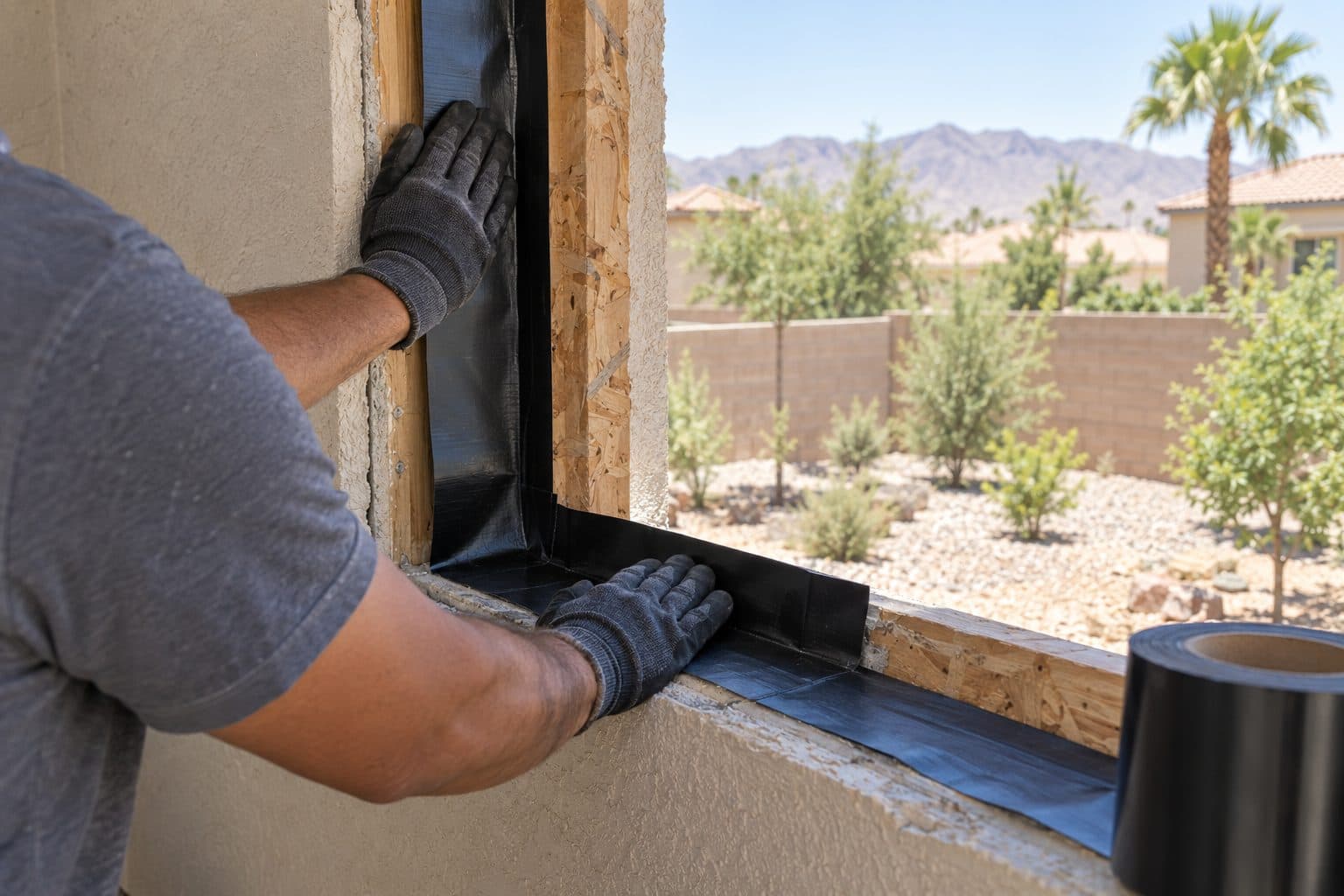
Flashed so water has a way out

Set level, plumb and shimmed
05 of 10
Turn a strength claim into a selection test
Write the practical benefit you expect beside a material claim: more visible glass, a larger supported unit or another specific design goal. Ask which feature of the proposed product delivers that benefit at your dimensions.
Follow three steps: identify what was tested, identify the proposed assembly and explain the connection between them. A material specimen test, frame-component test and whole-window report describe different subjects. A drawing supplies the profile and dimensions you will see. None automatically replaces the others.
FGIA's performance-class overview explains complete-product performance classifications. If a large opening is the reason for considering fiberglass, verify supported dimensions and applicable performance evidence along with the selected glass, joining and attachment requirements. Material reputation does not authorize exceeding product limits.
Treat durability claims with the same discipline. Documented construction, finish coverage and care requirements are more useful than a promise that the window will never change or need attention.
Once a candidate meets the opening's requirements, ask whether additional material strength delivers a benefit you value. Return to the actual differences in profile, finish, operation, care and installed scope. That ties the claim to the window you would receive instead of treating a strength multiplier as the decision.
06 of 10
Compare thermal performance of the whole window
Fiberglass framing can be part of energy-efficient windows, but the frame alone does not establish the outcome. Glass, spacers, seals, operation and other design details contribute to the whole-product rating. Ask for the exact U-factor and solar heat gain coefficient for the quoted configuration.
U-factor
How easily heat passes through the whole window. Lower keeps more heat out in summer and in during winter.
SHGC
Solar heat gain coefficient: how much of the sun's heat comes through. Lower means less heat from direct sun.
VT
Visible transmittance: how much daylight comes through. Higher means a brighter room.
Visible transmittance helps explain the daylight side of the decision. If a room is uncomfortable in afternoon sun, discuss the exposure and where people sit near the glass. If the room is already shaded, preserving useful daylight may be a different priority.
Certification must also be checked at the product level. ENERGY STAR criteria depend on the applicable product and climate requirements. A manufacturer making certified products does not mean every size, glass option or series automatically qualifies for your project.
When comparing a fiberglass option with another material, such as vinyl replacement windows, hold the room goal steady. A difference in glass package can matter as much as the frame category. A useful comparison identifies the actual assemblies rather than declaring one material the universal answer for Las Vegas heat.
07 of 10
Plan for care beyond the glass
Low-maintenance framing still needs appropriate cleaning and inspection. Review instructions for the finish, seals, screens, tracks or operators and designed drainage areas. Avoid abrasive products or improvised treatments that the manufacturer has not approved.
The operating style determines several care tasks. A slider's track, a lifting window's channels and a casement's operator do not become maintenance-free because the frame is fiberglass. Ask to see the care guide for the selected assembly, not only a general material brochure.
If an issue develops, keep a record of the symptom and the affected opening. Product labels, order numbers and the window schedule can help identify the correct components. A future parts request should not depend on someone recognizing a frame material from a photograph.
08 of 10
Read the warranty by component and responsibility
Ask for the actual product warranty before approval. Identify coverage for the frame, finish, glass and hardware, along with any exclusions, transfer rules and required maintenance. Do not assume every part of a fiberglass window carries the same terms. Our window warranty guide explains how to read them.
Installation labor is a separate question. Clarify who responds if the issue concerns the opening or installation and who handles a manufacturer component claim. The written documents should make those roles understandable without relying on a general lifetime statement.
If repainting, aftermarket film or another modification is part of a future plan, raise it during selection. The relevant manufacturer instructions may affect what is permitted. Choosing with those intentions in mind is easier than learning the limitations after the work is complete.
09 of 10
Specify the installation approach around the existing wall
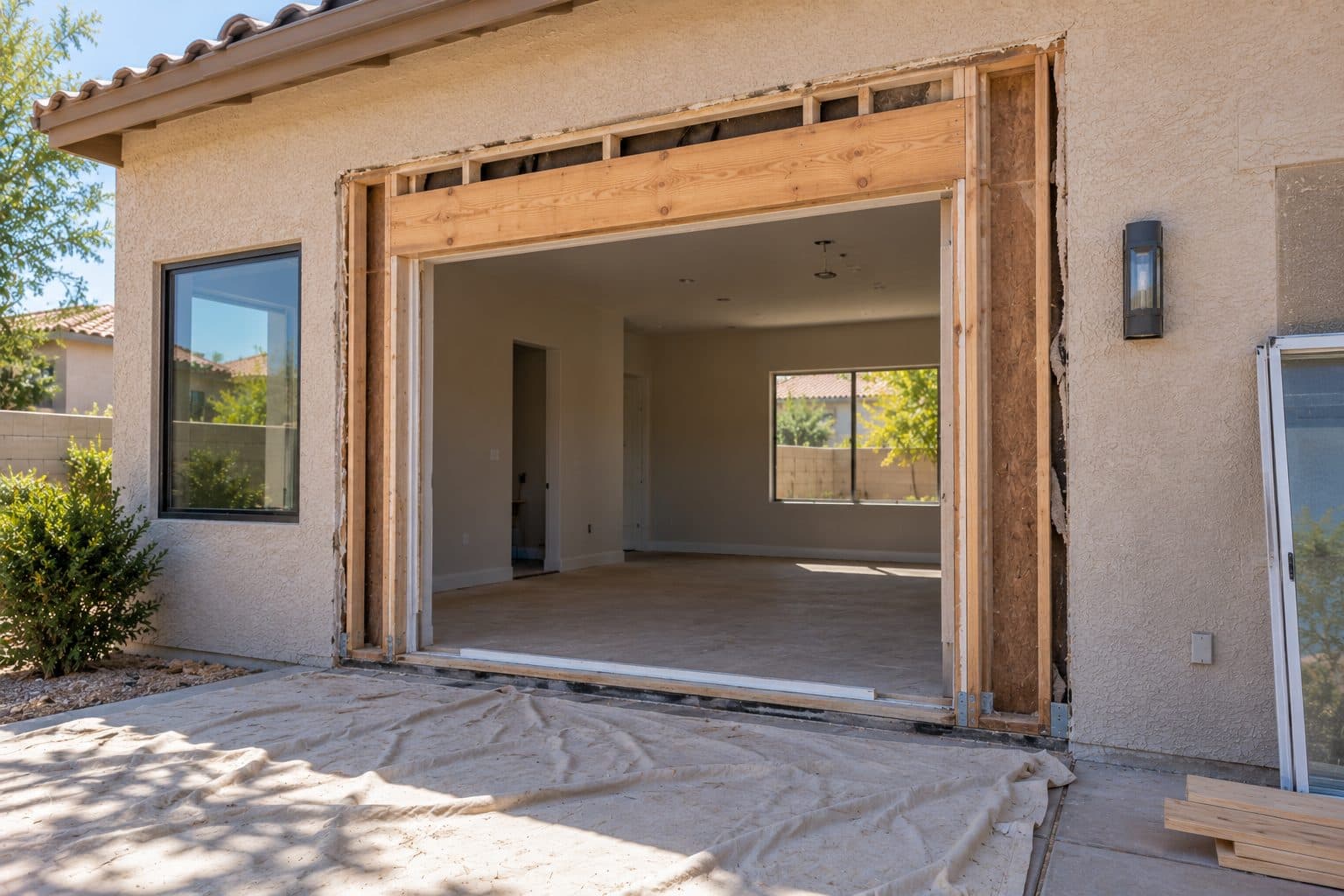
A fiberglass replacement needs a suitable opening and an installation method appropriate to the selected product. Ask what happens to the existing frame, how the new unit is positioned and how the connection to the wall manages air and water.
For stucco exteriors, clarify the perimeter finish and any repair work. For interiors, consider trim, paint, drywall and window-covering clearance. A different frame depth or profile can change how the opening looks and how an existing shutter fits.
The proposal should identify access and handling needs, especially for larger fixed units or grouped assemblies. Any concealed damage or condition outside the original scope should follow a documented assessment and approval process. The material choice does not remove those construction questions.
10 of 10
Build a product comparison you can approve
Before you request an estimate, list the openings and the reasons fiberglass interests you: a particular profile, finish, available size or documented product feature. Separate those priorities from assumptions about the material. That helps focus the discussion on options that can actually meet the goal.
The final schedule should name the product, dimensions, operating style, frame construction, interior and exterior finish, glass, screens and hardware. It should also identify the installation method and finish scope for each opening. Review any difference between the sample and the ordered configuration.
At handover, check appearance and operation against that schedule, then keep the care and warranty documents. A clear selection creates a useful record of what was installed and why it was chosen.
things people ask us
Frequently Asked Questions
Are fiberglass windows the same as composite windows?
Fiberglass is a composite of glass fibers and resin, but the broad word composite also describes other frame materials. Ask for the actual construction and product name. Do not assume a proprietary wood-plastic composite and a fiberglass frame have identical features.
Can fiberglass windows have black frames?
Some products offer dark factory finishes, but colors and interior/exterior combinations vary by line and configuration. Verify the actual option, exposure suitability and finish warranty. A generic photo of a black fiberglass window is not a confirmed catalog choice.
Can I paint fiberglass windows later?
Follow the selected manufacturer’s written instructions. Some fiberglass products can be painted under specified conditions, while a factory finish may have restrictions. The fact that fiberglass can accept coatings in some applications does not authorize an unapproved paint system on every window.
Are fiberglass windows automatically ENERGY STAR certified?
No. Certification is tied to the actual product and applicable criteria, including the configuration and glass package. Request documentation for the quoted selection rather than relying on the frame-material name or the manufacturer’s participation in the program.
How should I compare fiberglass with vinyl?
Compare actual proposed units with the same opening, operating function, glass goals and installation scope. Review visible frame dimensions, finishes, documented ratings, care, warranty and price together. Our fiberglass versus vinyl windows guide follows that method.
Can two fiberglass quotes have different interior finishing work?
Yes. The exterior material label does not fully describe the interior construction or finish. Identify frame, sash and trim surfaces separately, including factory finishes and any site work. Compare the completed opening rather than assuming the same material name means the same finishing scope.
Still have a question about your home?
Ask us directly. A quick description of the opening is enough.
keep going
Related Pages
- Fiberglass versus vinyl windows
Fiberglass vs vinyl windows: how the two frame materials differ in look, strength, heat performance, upkeep and warranty, and how to compare real quotes.
- Vinyl windows
Vinyl windows in Las Vegas need little upkeep and come in many styles. Learn how frame thickness, glass and color options differ before you compare quotes.
- Window styles
Compare window styles for your Las Vegas home: sliding, single-hung, double-hung, casement, awning, picture, bay and bow. Find the right fit for each room.
- Energy-efficient windows
Energy-efficient windows for Las Vegas homes: how U-factor, SHGC and sun exposure guide the right glass for each room. Request a window estimate.
- Window warranty guide
How to read a window warranty: what is covered, who pays for labor, what lifetime really means, whether it transfers, and which records you should keep.
Sources referenced on this page
Independent references linked in the text above. A manufacturer source explains a product concept; it does not mean Agave Windows supplies that brand.
- Marvin's fiberglass overview (marvin.com)
- FGIA's performance-class overview (fgiaonline.org)

ready when you are
Request a Fiberglass Window Estimate
Tell us your location, the approximate number of openings, and what matters most to you. You do not need to arrive with a product already selected.
- Photos can follow once we reply; no measurements needed
- A written scope before anything is ordered
- Licensed, insured, and bonded
Request an Estimate