


Replacement Windows in Las Vegas
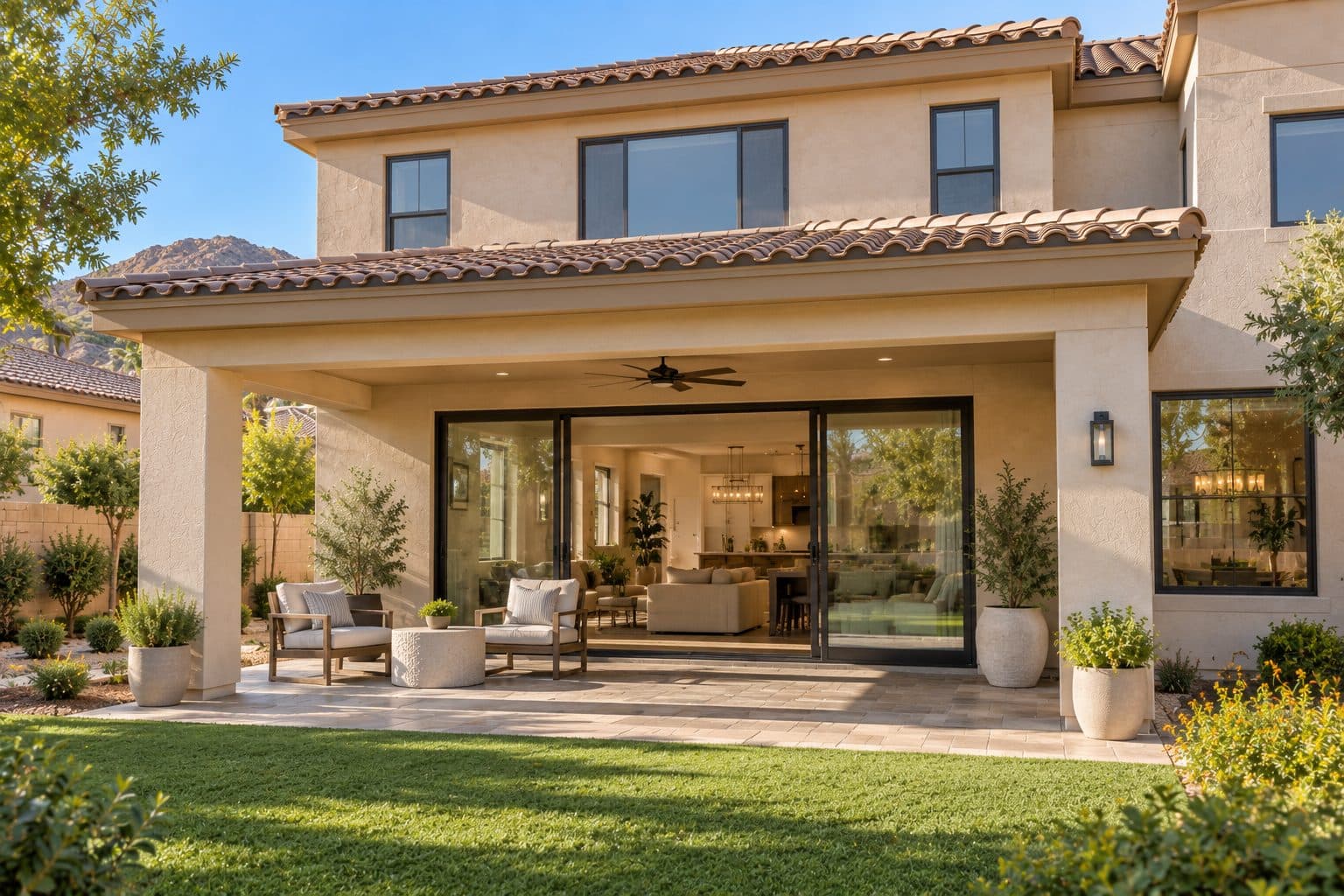
Your windows should suit the way you live in each room. That can mean less afternoon heat at a favorite chair, an operating sash you can comfortably reach, clearer glass, or a consistent appearance across the front of your home. Agave Windows helps Las Vegas homeowners plan window replacement around those priorities and the condition of the existing openings.
A useful replacement proposal connects three decisions: what needs to change, which window assembly fits the goal, and how it will be installed. Looking at those decisions together helps prevent a beautiful product selection from turning into an unclear construction scope.
- Licensed, insured, bonded
- Written scope before ordering
- Las Vegas valley
The short version
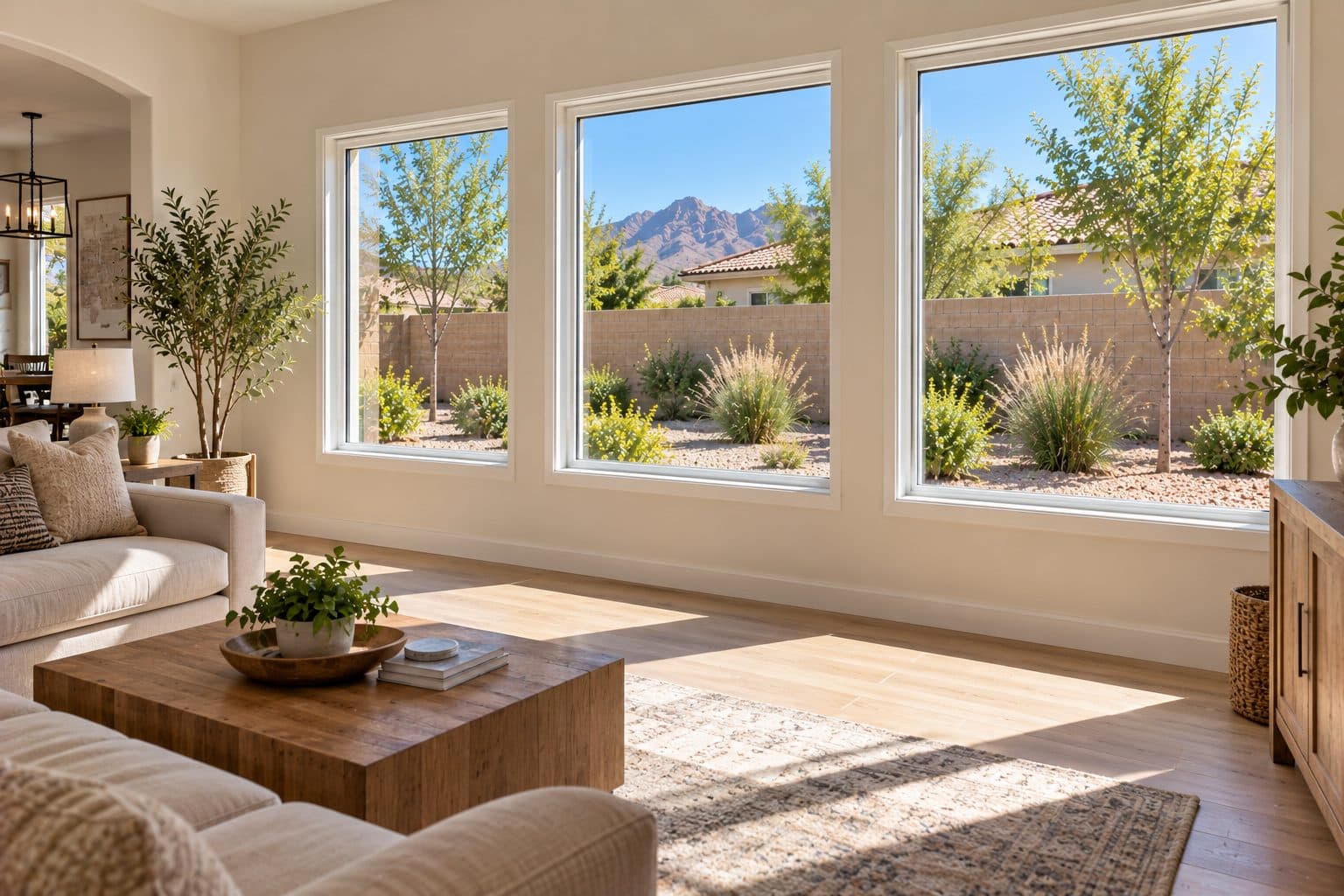
Good window replacement in Las Vegas starts with what each room needs, then matches the glass, frame and installation method to the opening. A clear estimate lists every window, what is removed and who handles finish work.
narrow it down
Explore Replacement Windows Options
Vinyl Windows
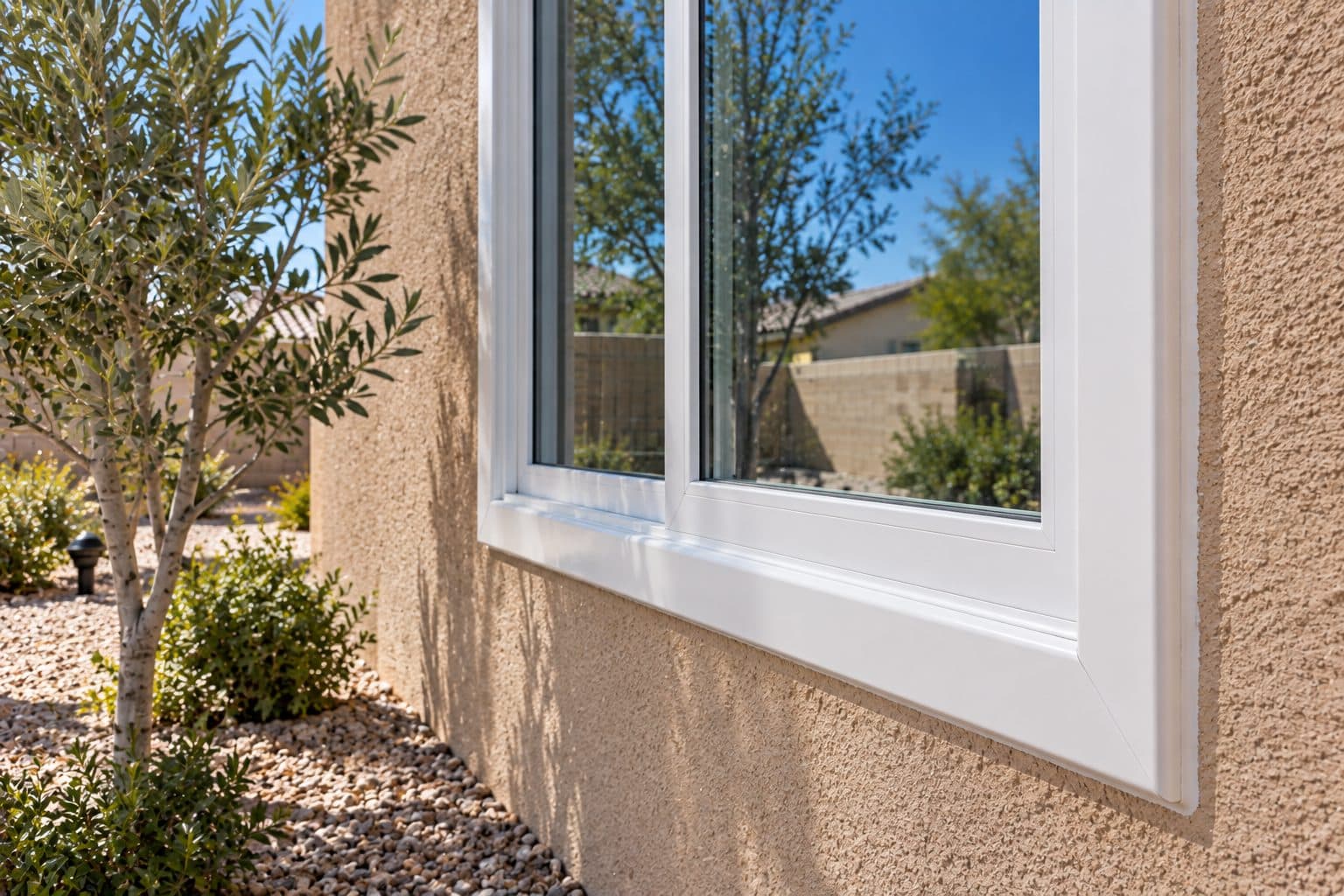
Vinyl windows in Las Vegas need little upkeep and come in many styles. Learn how frame thickness, glass and color options differ before you compare quotes.
Explore →
Aluminum Windows
Aluminum windows in Las Vegas offer slim, modern frame lines. Learn why a thermal break matters in desert heat and what to compare before you order.
Explore →
Energy-Efficient Windows
Energy-efficient windows for Las Vegas homes: how U-factor, SHGC and sun exposure guide the right glass for each room. Request a window estimate.
Explore →
Window Styles
Compare window styles for your Las Vegas home: sliding, single-hung, double-hung, casement, awning, picture, bay and bow. Find the right fit for each room.
Explore →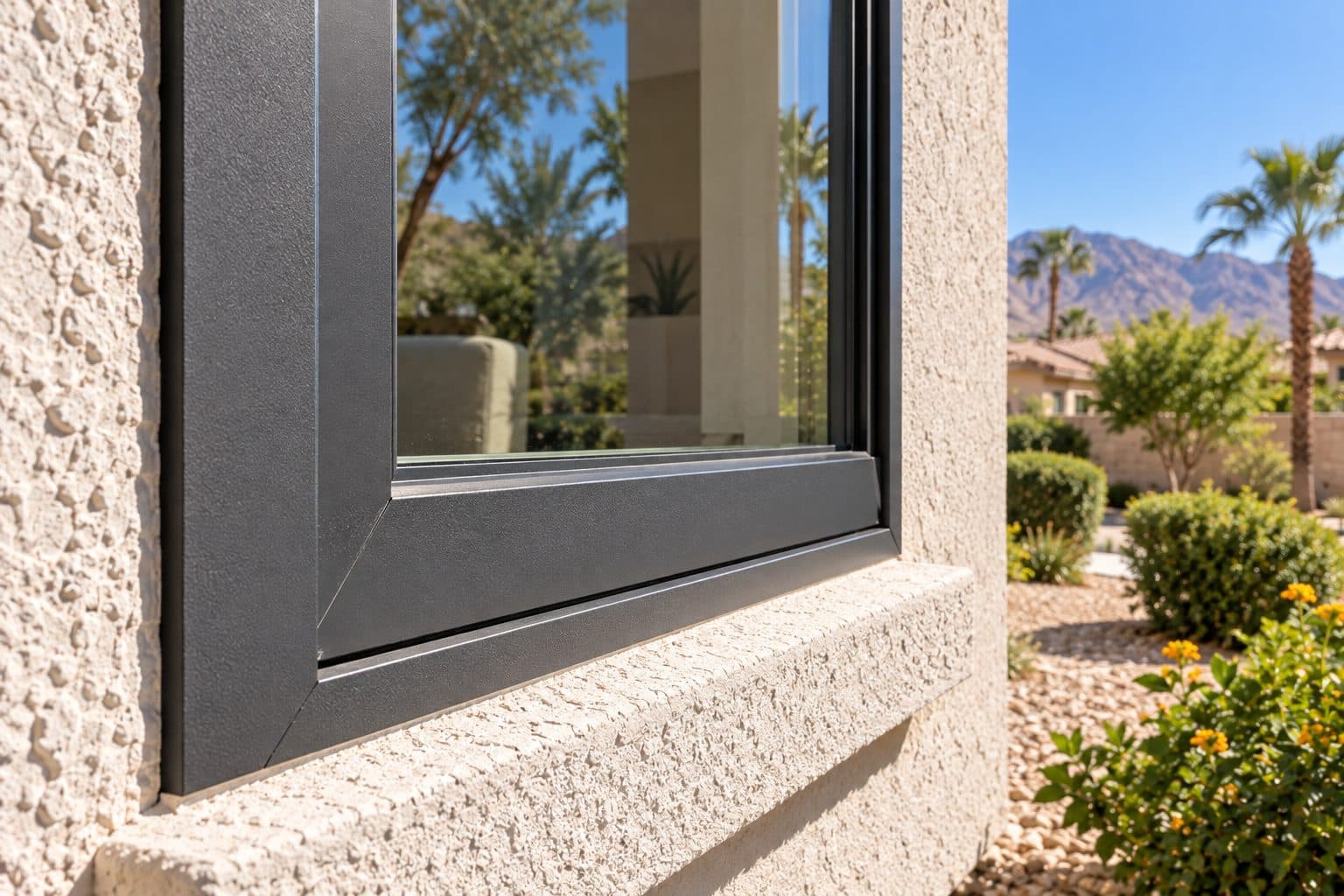
Fiberglass Windows
Fiberglass windows in Las Vegas: what the frames are made of, finish and color options, and how to compare them with vinyl using whole-window ratings.
Explore →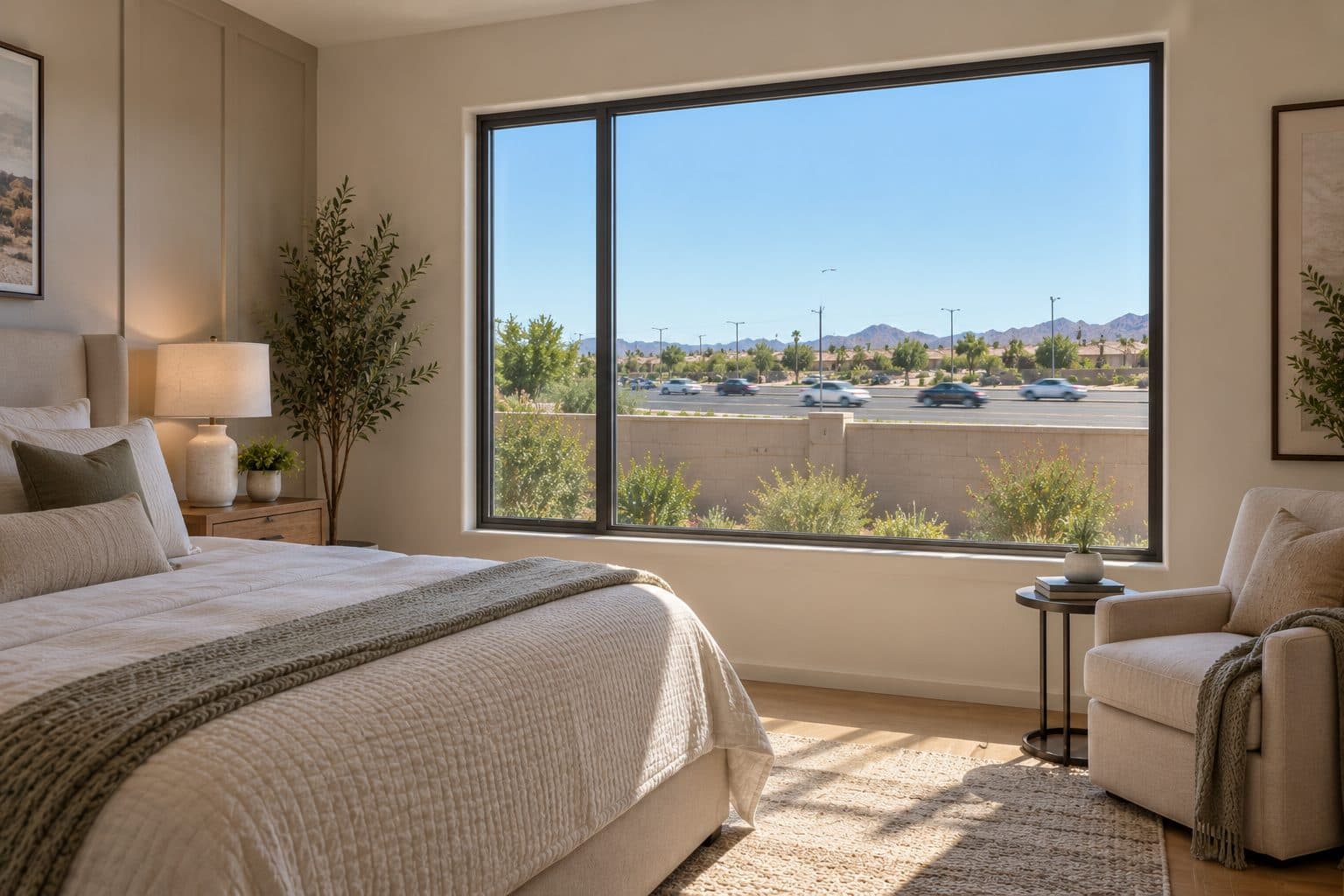
Noise-Reducing Windows
Noise-reducing windows in Las Vegas: what STC and OITC ratings mean, how glass and seals affect sound, and why no window makes a room fully soundproof.
Explore →01 of 11
Begin with the rooms that are not working for you
Tell us where the problem happens and what you notice. A room that feels uncomfortable only in late afternoon presents a different question from a sash that will not stay open. Persistent haze inside a sealed glass unit is different from moisture that wipes off the roomside surface. Water at the wall below a window calls for attention to the opening and surrounding construction, not an assumption that new glass alone will solve it.
Walk through the house and make a short opening list. Give each window a room name, note whether it opens, and describe your reason for considering replacement. Photos from inside and outside can make the initial conversation more useful. You do not need to identify the manufacturer or measure an opening precisely before getting in touch.
We use that starting information to discuss the intended project. The final selection still needs an assessment of the opening, its access and the proposed installation method. If an isolated glass or hardware issue is the main concern, deciding the appropriate scope comes before choosing a full replacement package.
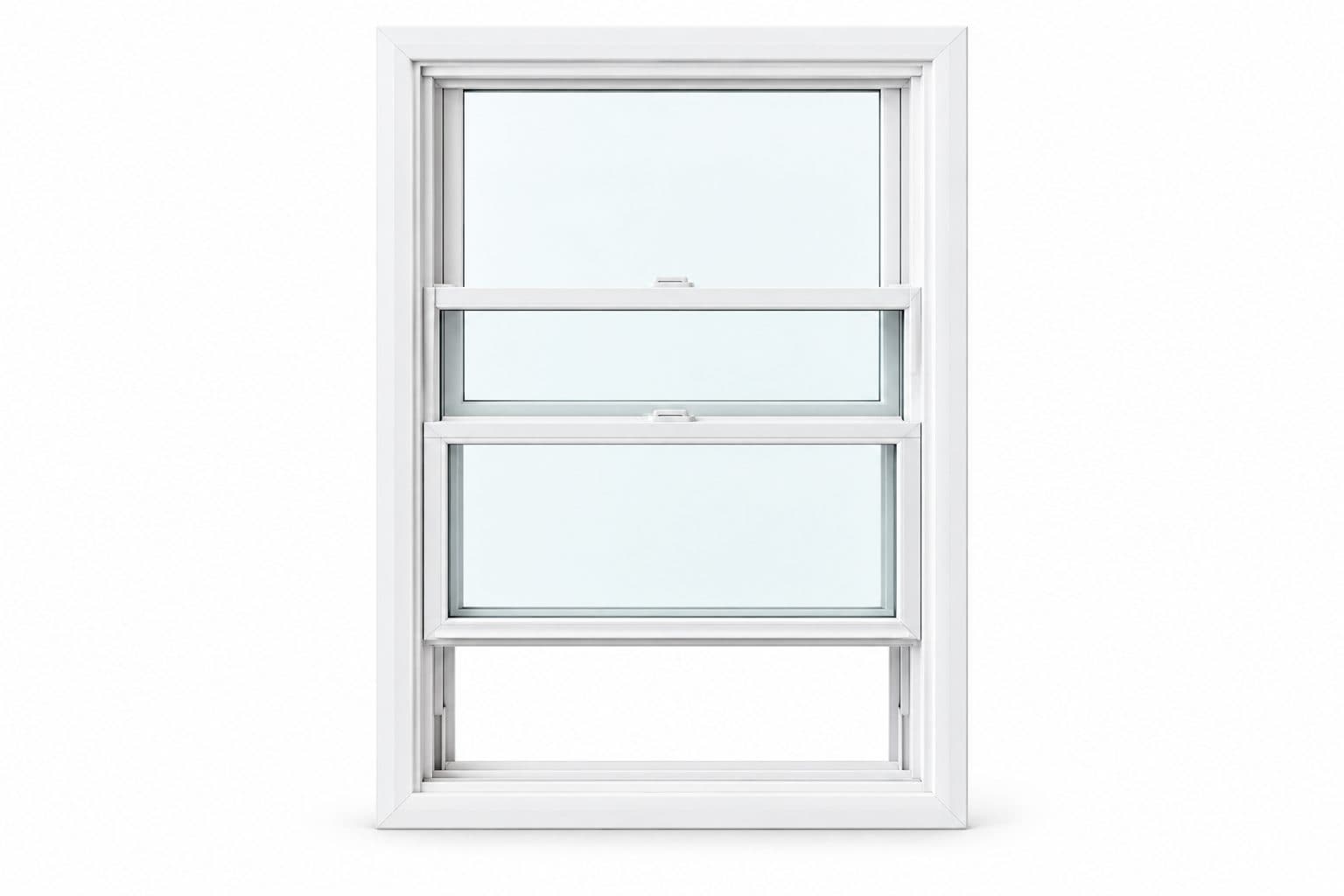
at a glance
Replacement Windows
Good window replacement in Las Vegas starts with what each room needs, then matches the glass, frame and installation method to the opening. A clear estimate lists every window, what is removed and who handles finish work.
- Measured on site before ordering
- Written scope with product and finish details
- Installed, sealed and reviewed with you
02 of 11
Replacement can preserve a layout or improve it
Keeping the same basic arrangement may make sense when the existing window locations, proportions and ventilation already work. You can then focus on glass, frame appearance, operation and the installation details. Replacement does not have to mean changing every visible feature.
A different window operating style may solve a practical problem. A window above a deep counter might be easier to use with reachable crank hardware. A fixed center section with operating side windows may suit a view where ventilation is still wanted. A change in style requires checking the finished clear opening, exterior clearance and room requirements; matching the outside frame size does not establish that all these conditions remain the same.
Enlarging an opening or altering the wall is a different scope from replacing a unit within an existing opening. That work may involve design, structural review, permits and finish reconstruction. Identify it at the beginning so the window order is coordinated with the approved construction plan.
four steps, in order
How a Project Runs
- 1
Tell us about the project
Send your location, the approximate number of openings, and what you want to improve.
- 2
Review the openings and options
We discuss your priorities and assess the details that affect product selection and installation.
- 3
Define the work in writing
The proposal identifies the products and agreed installation scope so you can understand what the project includes.
- 4
Install and review the result
At completion, we review the installed products, operation, visible finish, and care information with you.

03 of 11
Compare the window you will actually receive
Frame material, operating style and glass package are separate choices. Two vinyl window options, a slider and a picture window, share a frame-material category but do different jobs. Two windows made from the same material can also have different glass, dimensions, appearance and documented performance.
| Decision | What to compare | Why it belongs in the proposal |
|---|---|---|
| Operation | Fixed, sliding, lifting or hinged | Determines access, ventilation and clearance |
| Frame | Material, profile and finish | Changes sightlines, appearance and care |
| Glass | Coating, privacy and required safety configuration | Connects comfort and visibility to the exact opening |
| Ratings | Whole-product thermal and relevant other test data | Makes performance comparisons specific |
| Installation | Removal, preparation, integration and finishes | Defines the work around the product |
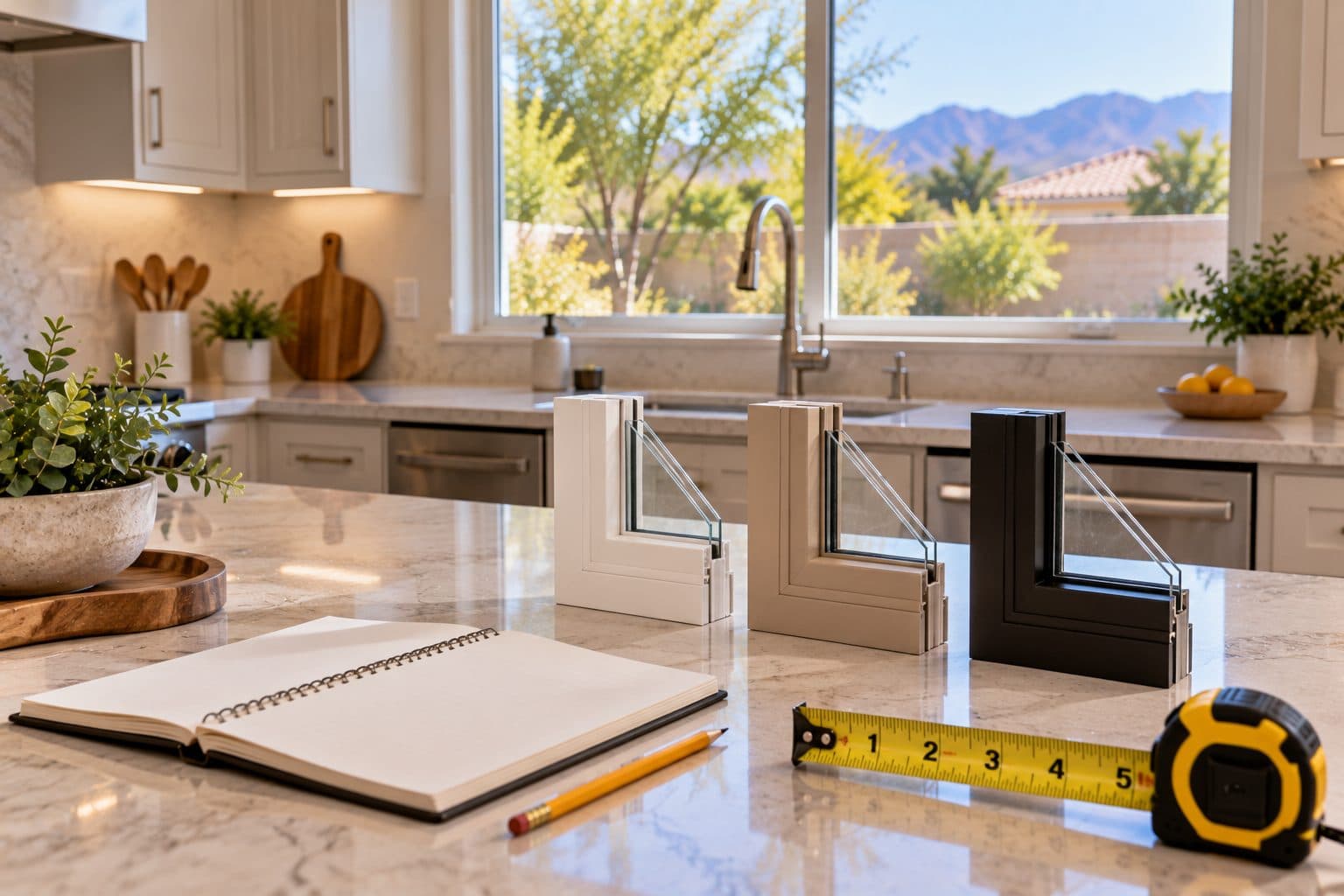
Ask to see the proposed frame profile, not just a small color sample. The visible frame and sash can change how much glass you see. Grids and divided patterns also affect the view, even when the overall unit size is unchanged. Profile is one reason to compare aluminum window frames with fiberglass window frames.
04 of 11
Put Las Vegas comfort into the selection
Solar exposure matters. A shaded opening and an unshaded opening facing strong afternoon sun may need different priorities. Glass selection should consider how much solar heat you want to limit, how much daylight you want to preserve, and whether glare affects a specific activity such as watching television or using a computer.
Whole-window U-factor and solar heat gain coefficient, or SHGC, describe different things. U-factor concerns heat transfer; SHGC concerns admitted solar heat. Visible transmittance helps compare daylight. These ratings offer a clearer basis for choosing energy-efficient windows than a material name or a general label. The NFRC consumer guidance explains the measurements used for comparison.
Comfort also depends on the wall, shading, air sealing and other conditions in the room. New windows can address the window portion of the problem, but an estimate should not promise a fixed utility-bill reduction or a particular indoor temperature.
how we install
The Part Behind the Glass

Measured before anything is ordered
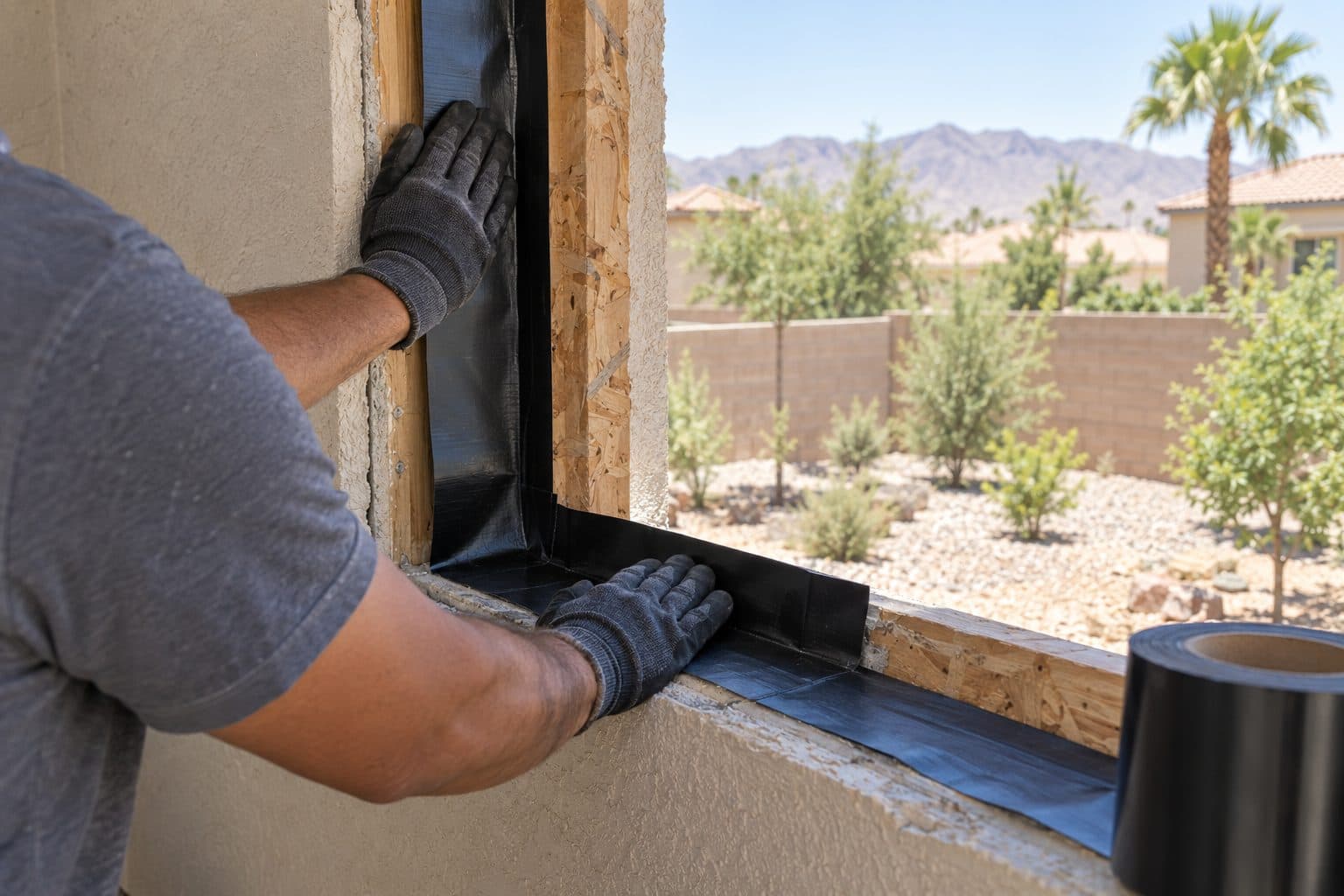
Flashed so water has a way out

Set level, plumb and shimmed
05 of 11
Match the removal boundary to the condition being corrected
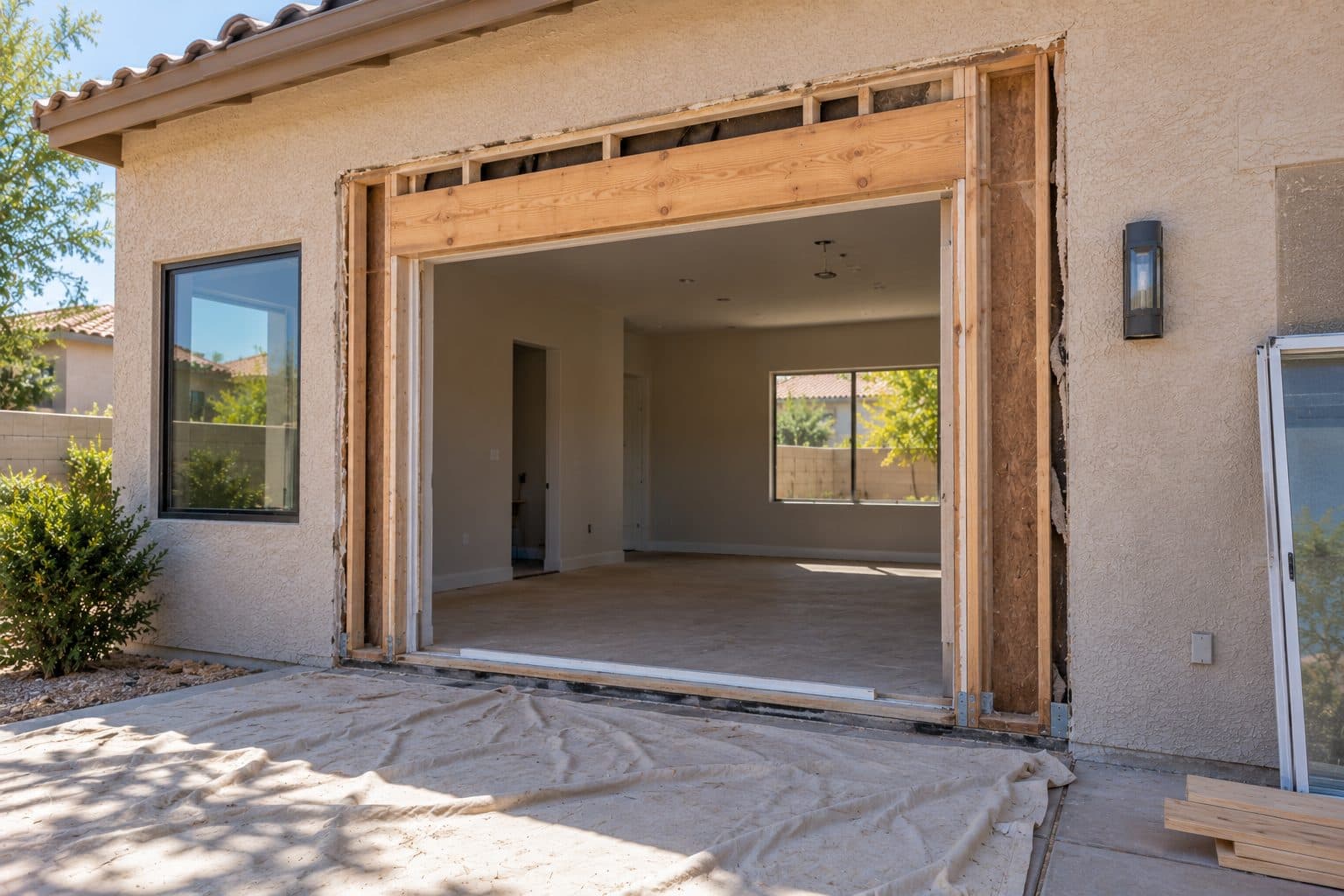
Window replacement involves two different connections: the factory-made window itself and the connection between that window and the wall. A well-made new unit can address a failing sash or glass package. It cannot, by itself, repair damaged framing or a water path that remains behind the retained parts.
The location of the defect therefore matters. Water can pass through joints within an assembly, between sash and frame, or between the frame and rough opening. PNNL describes these separate pathways in its complete window replacement guidance. The visible stain may be below the actual entry point, so inspection needs to establish what the proposed work reaches.
| Existing condition | What the installation discussion must resolve |
|---|---|
| Sound retained frame and suitable perimeter connection | Whether the selected replacement can fit and function within those retained parts |
| Damage at a component being removed | Whether removal also exposes everything needed to correct the cause |
| Suspected damage behind the retained frame | How that area will be assessed before it is covered again |
| Planned wall or exterior-finish renovation | How the new window connects to the current and future wall details |
This is why less demolition and more demolition are incomplete descriptions of value. Retaining suitable components may preserve finishes, but leaves those components in the installation. Fuller removal creates access to different interfaces and usually brings more finish reconstruction. The appropriate choice is the one that addresses the identified condition with a supported product detail. Our guide to retrofit and full-frame approaches compares the two.
A project can contain more than one method if its openings differ. A sound bedroom opening and a living-room opening with a documented moisture problem do not need to be forced into the same removal plan simply to make a package sound uniform. The written schedule should make any difference visible.
06 of 11
Distinguish air sealing, drainage and finish restoration
Air sealing limits unintended airflow at the perimeter. Flashing and drainage manage water at the opening. Trim, stucco and paint complete the exposed surfaces. These tasks meet in the same small area but do different jobs; a neat exterior joint does not demonstrate that all three are complete.
The selected installation detail should preserve the product's intended water exits while connecting it to the wall's water-management layers. That is a product- and wall-specific design question. The homeowner's useful check is whether the proposal identifies the detail and responsible work, rather than prescribing a universal sealant pattern.
Finish restoration also needs an endpoint. “Stucco repair” could mean a local patch, a defined wall area, or preparation for another painter. “Interior trim” may or may not include painting. Identify surfaces, boundaries and matching expectations in plain language so the final appearance can be evaluated against an agreed scope.
07 of 11
Know what the estimate includes
We organize the proposed work by opening so selections can be checked before an order is approved. Room names, operating directions, finish choices and glass options should remain consistent across the proposal and final order. A clear window schedule is easier to review than a total quantity with no location detail.
The written scope should also distinguish planned work from concealed conditions. Existing damage behind finishes may not be visible at the first visit. Before work begins, establish how an unexpected condition will be documented, discussed and priced, and who authorizes a scope change.
For a useful comparison, check these items together:
- The manufacturer, series, quantity and identified opening for each unit.
- The selected operating style, frame color, glass and screen configuration.
- The installation approach and included opening preparation.
- Interior and exterior finish responsibilities.
- Access arrangements, removal and disposal responsibilities.
- Product warranty documents and separately stated installation coverage.
- Any required approvals, such as window replacement permits, and the party responsible for obtaining them.
An unusually short estimate may simply leave more decisions unresolved. Ask for clarification before treating two totals as equivalent offers. Our window replacement budgeting guide explains what shapes a total.
08 of 11
Choose a whole-home or phased project deliberately
Replacing all selected openings together can help coordinate the exterior appearance and reduce repeated project planning. A phased project can prioritize the rooms with the most pressing problems or fit the timing of other remodeling work. Neither approach is automatically right for every home, as our whole-house and phased replacement comparison explains.
When planning phases, think beyond the first room. Record the exact finish, profile, grid pattern and glass specification so later selections have a clear reference. Product lines and options can change, so a future matching order should be verified when that phase is ready. Shared walls and repeated exterior elevations may also make some groups of openings more sensible to complete together.
For example, a hypothetical homeowner might prioritize a difficult bedroom window and a living-room wall with uncomfortable sun exposure while deferring shaded utility-room windows. The practical question is which grouping solves a meaningful problem without creating avoidable rework.
09 of 11
Use a proposal that can be checked opening by opening
Consider a hypothetical project with four windows: two bedrooms, an office and a living room. The owner wants matching exterior color but has three different needs: working bedroom sashes, less glare at a desk, and investigation of staining below the living-room sill. A single line saying “four energy-efficient replacement windows” loses the information that determines the work.
A useful schedule gives the openings stable names such as Bedroom 1, Bedroom 2, Office and Living Room. It connects each name to the selected configuration, glass, screen, installation approach and finish boundary. The living-room row identifies the condition assessment, while the office row preserves the chosen glare-related glass alternative. The color can remain coordinated without making the scopes identical.
Then compare any alternate quote against those same rows. If an alternate changes the office glass, that is a product choice. If it retains a frame that the baseline removes, that is an installation choice. If paint is excluded, that is a responsibility change. Separating the differences lets you decide what you are buying instead of treating every lower total as a discount for the same work.
Before order approval, confirm that the drawing, window schedule and proposal describe the same version. Final manufacturing dimensions belong to the responsible measurer. Homeowner approval should make the appearance and selected options clear without transferring technical sizing responsibility through an informal sketch.
The same record helps at completion. You can compare installed operation, finish and glass selections with an identified opening rather than relying on memory. Keep a list of any incomplete agreed items and their responsible party; do not confuse a product handoff document with confirmation that separate finish work has been completed.
10 of 11
Prepare for a project in an occupied home
Installation affects both sides of an opening. Discuss furniture, window coverings, security sensors, pets, landscaping and the path used to carry materials. Upper-story or otherwise difficult access should be considered while the scope is being prepared, rather than discovered after products arrive.
Agree on who moves or disconnects items attached to the old assembly. Alarm contacts, shutters and specialty treatments may need separate coordination. If a room must remain available for work, sleep or medical equipment, mention that requirement early so it can inform the proposed sequence.
At the completion review, operate accessible windows, check the agreed selections and ask how the locks, screens and cleaning features work. Keep product identification and care instructions with your project records. Understanding the new window's normal operation is part of making the replacement useful over time.
11 of 11
Start with a clear window project
Bring your room list, photos and main priorities when you request a window estimate. Agave Windows can help turn them into a proposed window selection and an installation scope for your Las Vegas home. The goal is a decision you understand before the products are ordered, with responsibilities that are clear before work begins.
things people ask us
Frequently Asked Questions
Do all foggy windows need full replacement?
No. First identify where the moisture or haze is located. A sealed-glass problem, surface condensation and water entering around an opening are different conditions. The existing frame and available components affect whether glass, a sash, another component or the complete unit is the appropriate scope. Our foggy double-pane window guide starts with that distinction.
Can I replace one room at a time?
A phased plan can be discussed around the openings you want to prioritize. Keep a record of the exact product and finish selections, and consider how each phase will look from outside. Availability and matching options need to be checked again for later orders; an initial selection does not guarantee that a product remains unchanged indefinitely.
Will a replacement window reduce the visible glass area?
It can, depending on the new profile and installation approach. Compare drawings or samples showing the frame and sash, and ask about the finished visible glass dimensions. This matters most where the existing view, a narrow opening or alignment with neighboring windows is a high priority.
How should I compare installation estimates?
Use the same opening list and compare the actual product specifications alongside removal, opening preparation, flashing integration and finish work. Review allowances and exclusions as carefully as the total. Product coverage and installation coverage should be identified separately so that a warranty label does not hide an unresolved service responsibility.
What should a quote say about damage found after removal?
It should identify how the condition will be documented, who assesses it and how additional work is approved before it proceeds. Keep that process separate from the included opening preparation and finish restoration so the original scope remains clear.
Still have a question about your home?
Ask us directly. A quick description of the opening is enough.
go deeper
Guides for Your Replacement Windows Decision
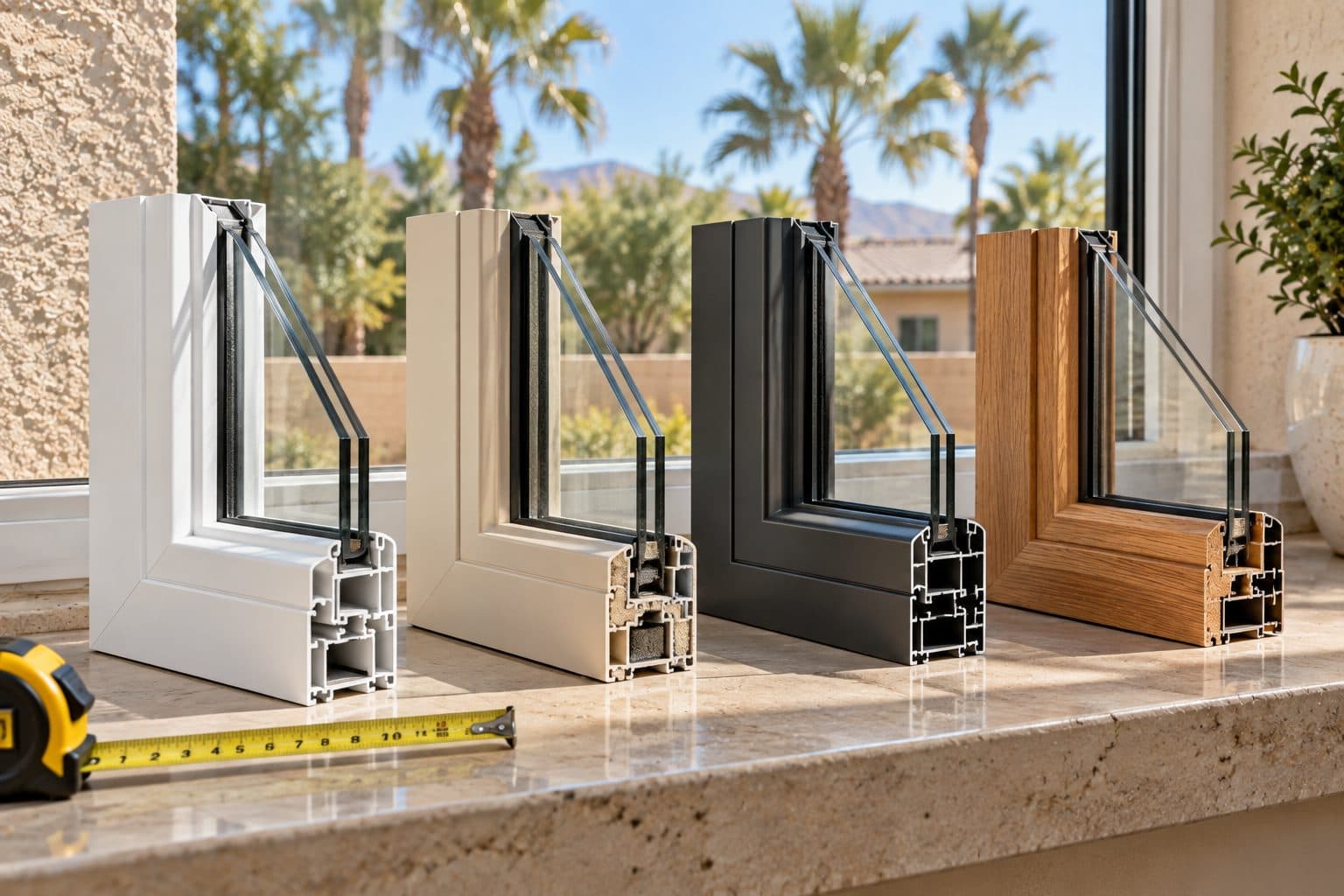
Window Buying Guide
How to choose replacement windows in Las Vegas: list what each room needs, pick a style, compare glass ratings and installation, then line up quotes.
Read the guide →
Window Replacement Cost
What affects window replacement cost in Las Vegas: window size and type, glass, installation method and stucco or trim repair. Learn how to compare quotes.
Read the guide →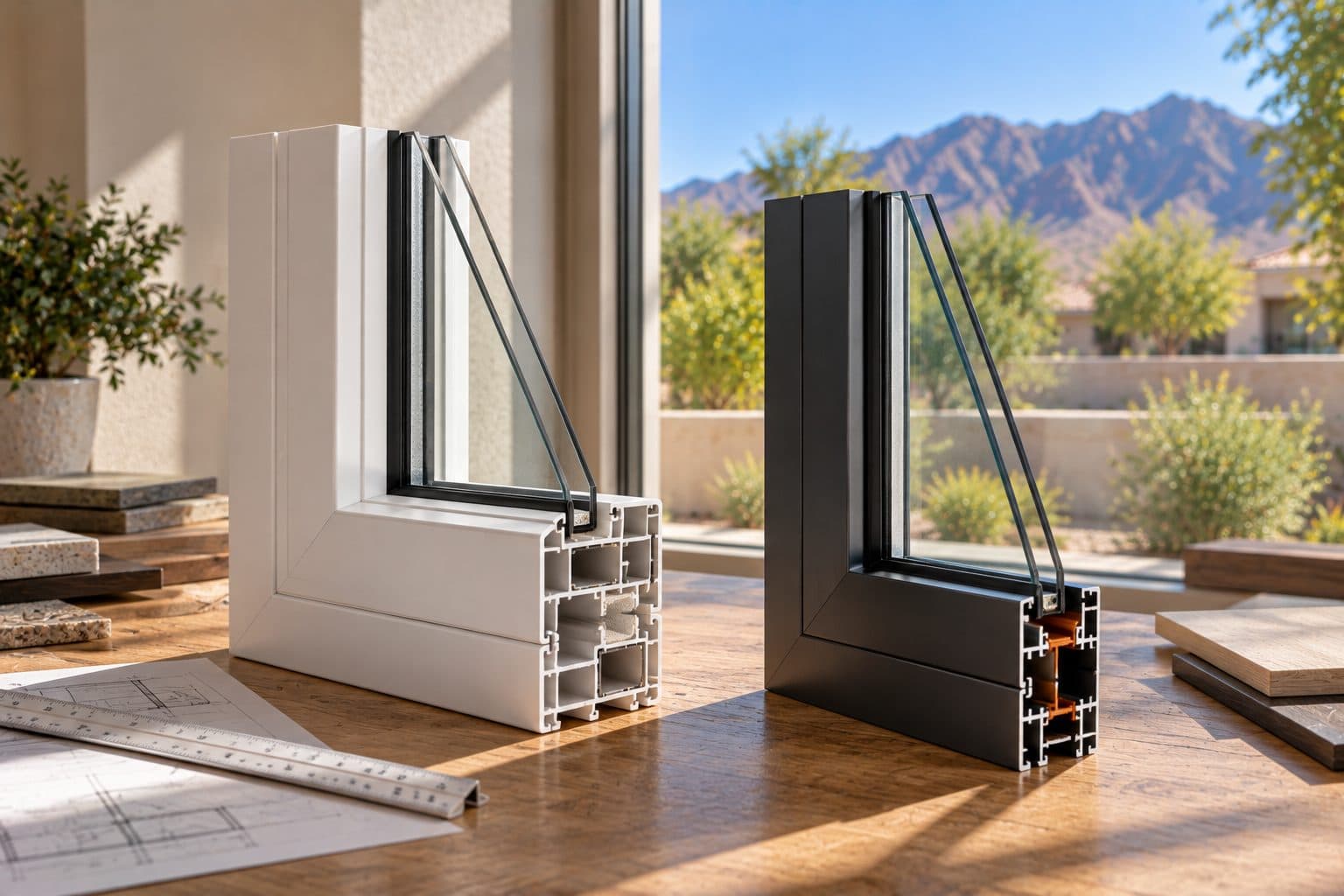
Vinyl vs Aluminum Windows
Vinyl vs aluminum windows for Las Vegas homes: compare insulation, frame width, colors, upkeep and energy ratings to see which suits your house.
Read the guide →
Window Replacement vs Glass Replacement
Should you replace the glass or the whole window? Learn when new glass is enough, when a sash swap works and when full window replacement makes sense.
Read the guide →
Window Replacement Permits
Do you need a permit to replace windows in Las Vegas? It depends on your jurisdiction and the work. Learn who to ask and what details to give them.
Read the guide →
HOA Approval for Windows and Doors
How to get HOA approval for replacement windows and doors in Las Vegas: find the current guidelines, show colors and frames, and keep the written decision.
Read the guide →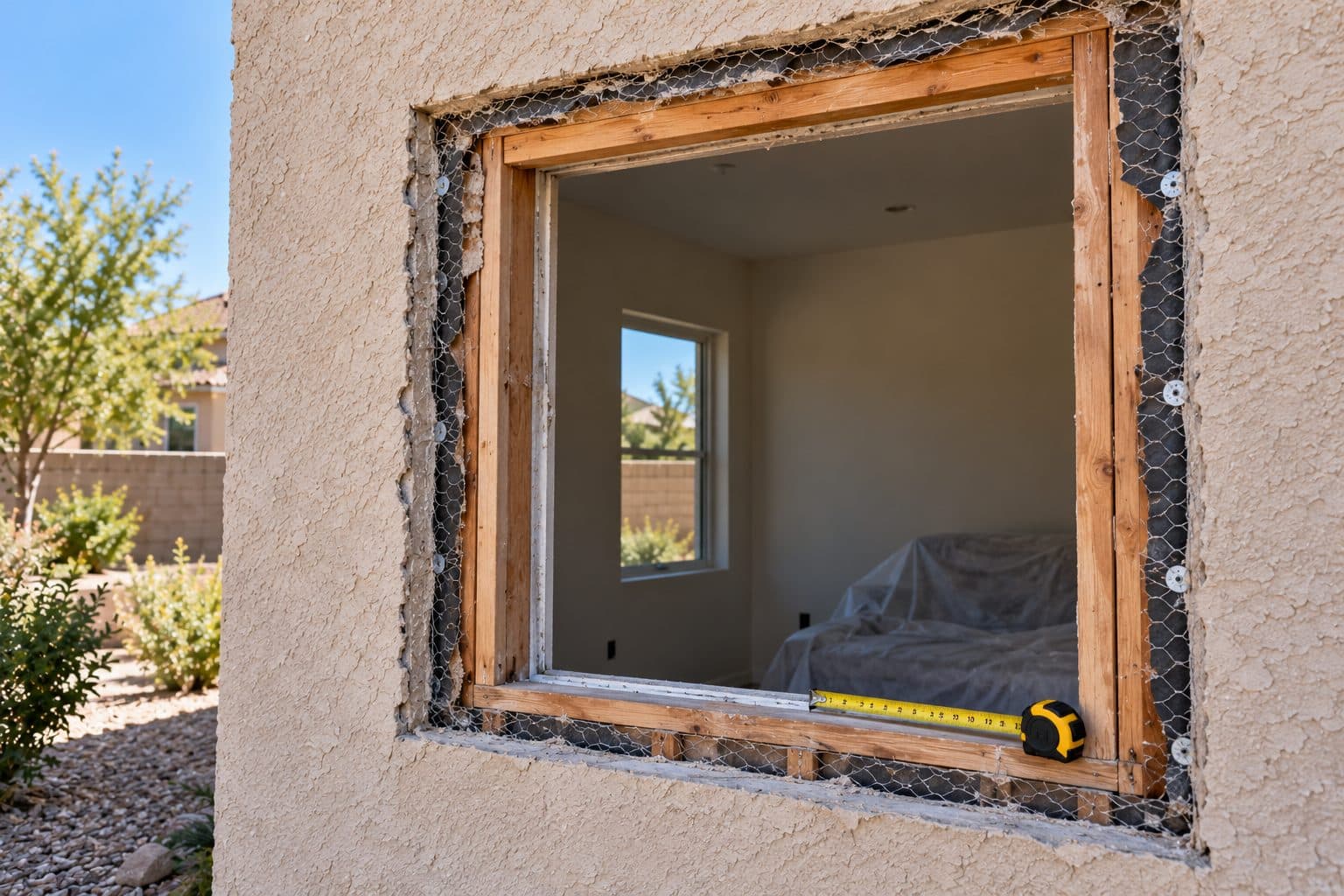
Replacing Windows in Stucco Homes
Replacing windows in a stucco home: when stucco must be cut, how water is managed behind it, and what to expect from patching, texture and paint.
Read the guide →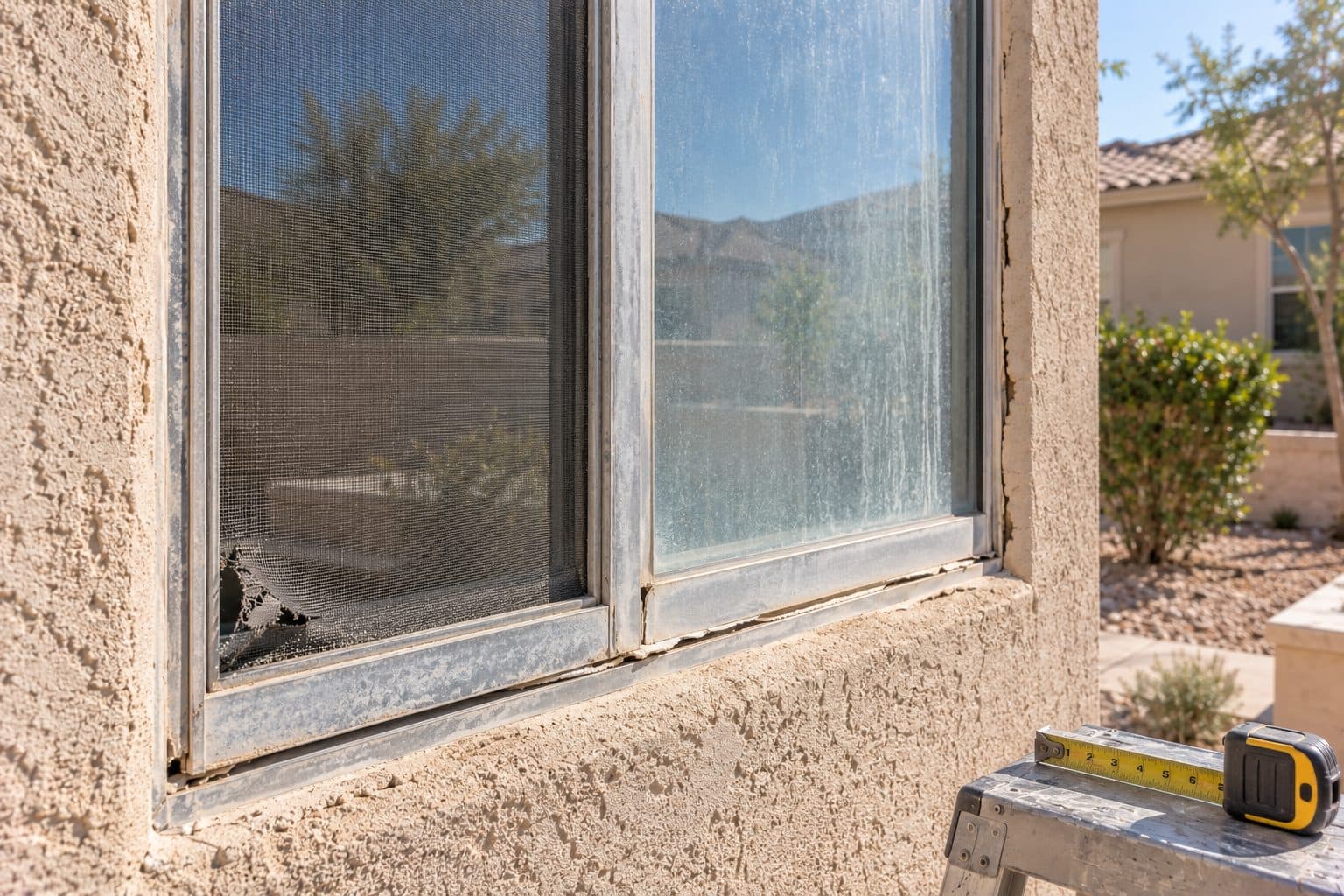
Signs Windows Need Replacement
Signs your windows may need replacement: fog between panes, sticking sashes, drafts, stains or damage. Learn what each one means and what to do next.
Read the guide →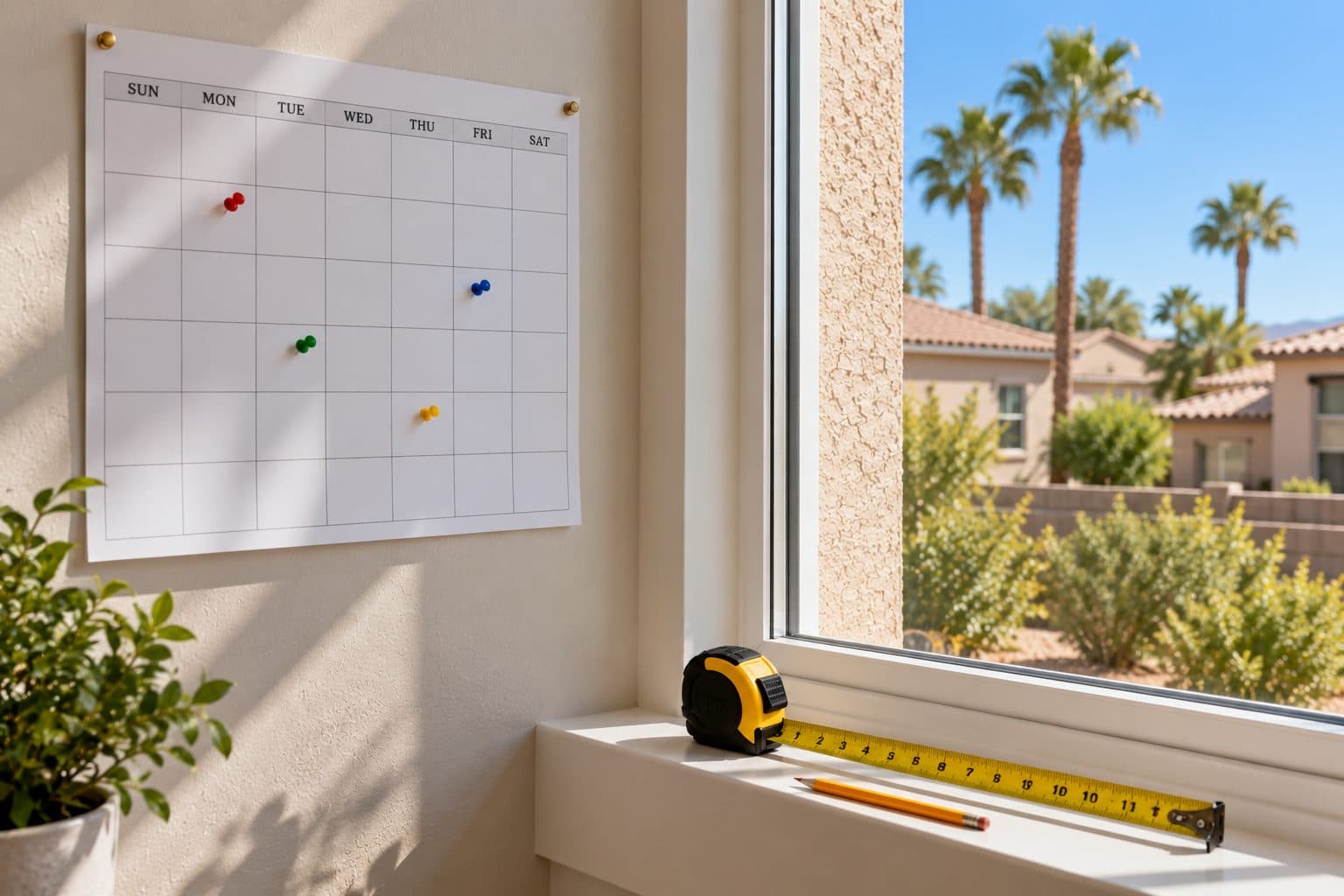
Window Replacement Timeline
How long does window replacement take? See each stage, from measuring and ordering to delivery, installation and finish work, and what can cause delays.
Read the guide →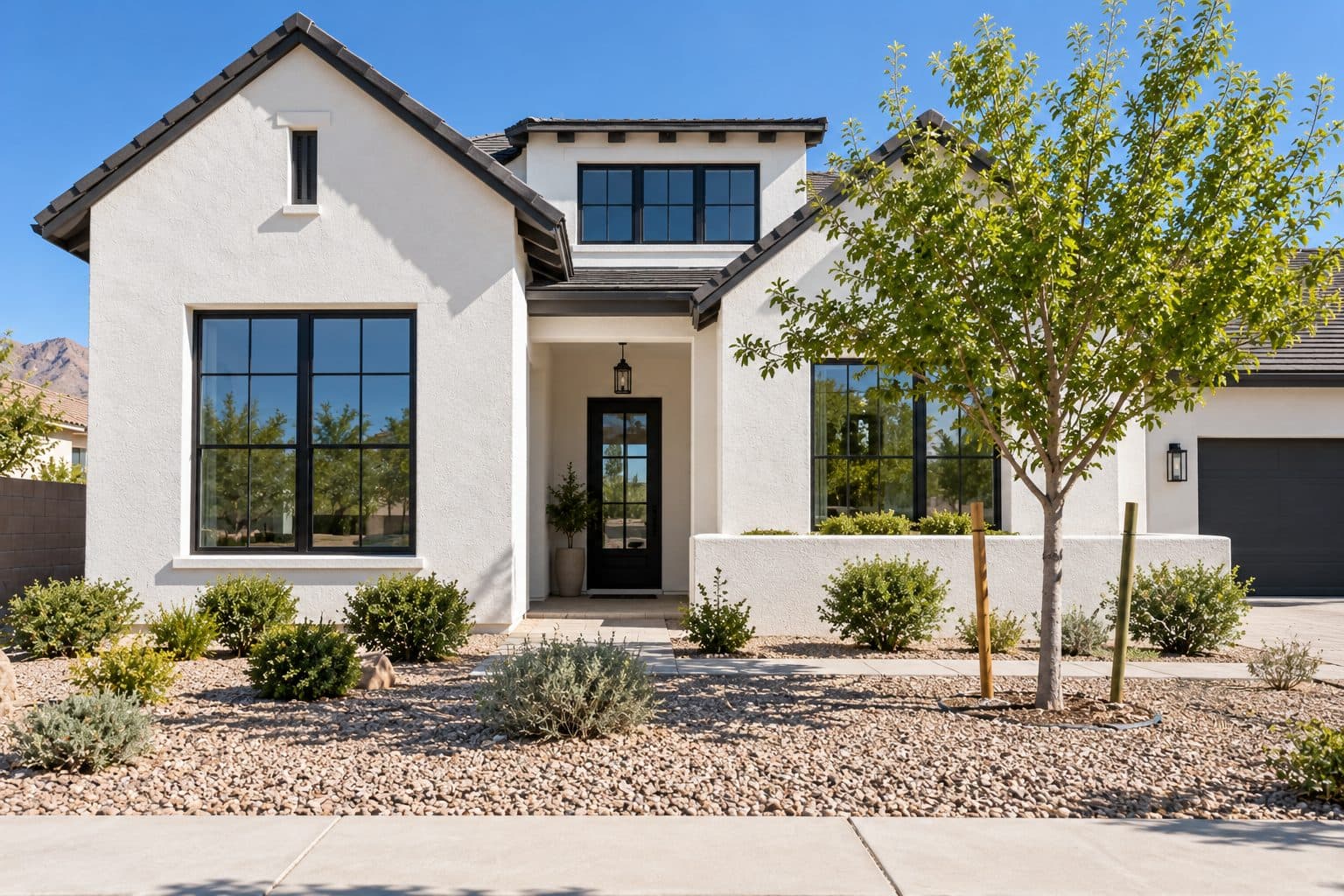
Black Windows in Las Vegas Heat
Thinking about black windows in Las Vegas heat? Learn how dark frame finishes handle sun exposure, what to ask about the finish, and how glass affects heat.
Read the guide →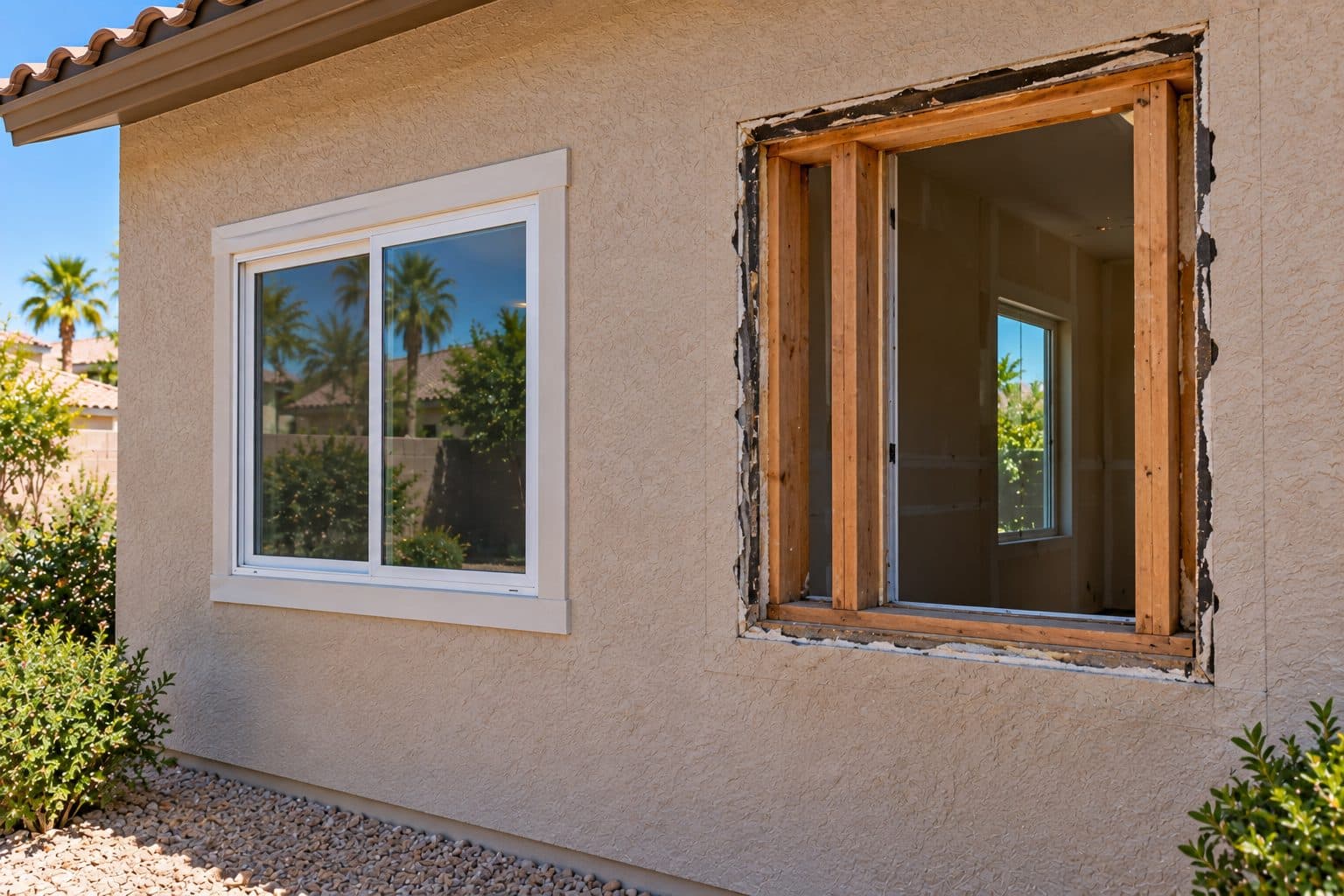
Retrofit vs Full-Frame Replacement
Retrofit vs full-frame window replacement: what stays in the wall, what comes out, how each affects glass size and finish work, and when each one fits.
Read the guide →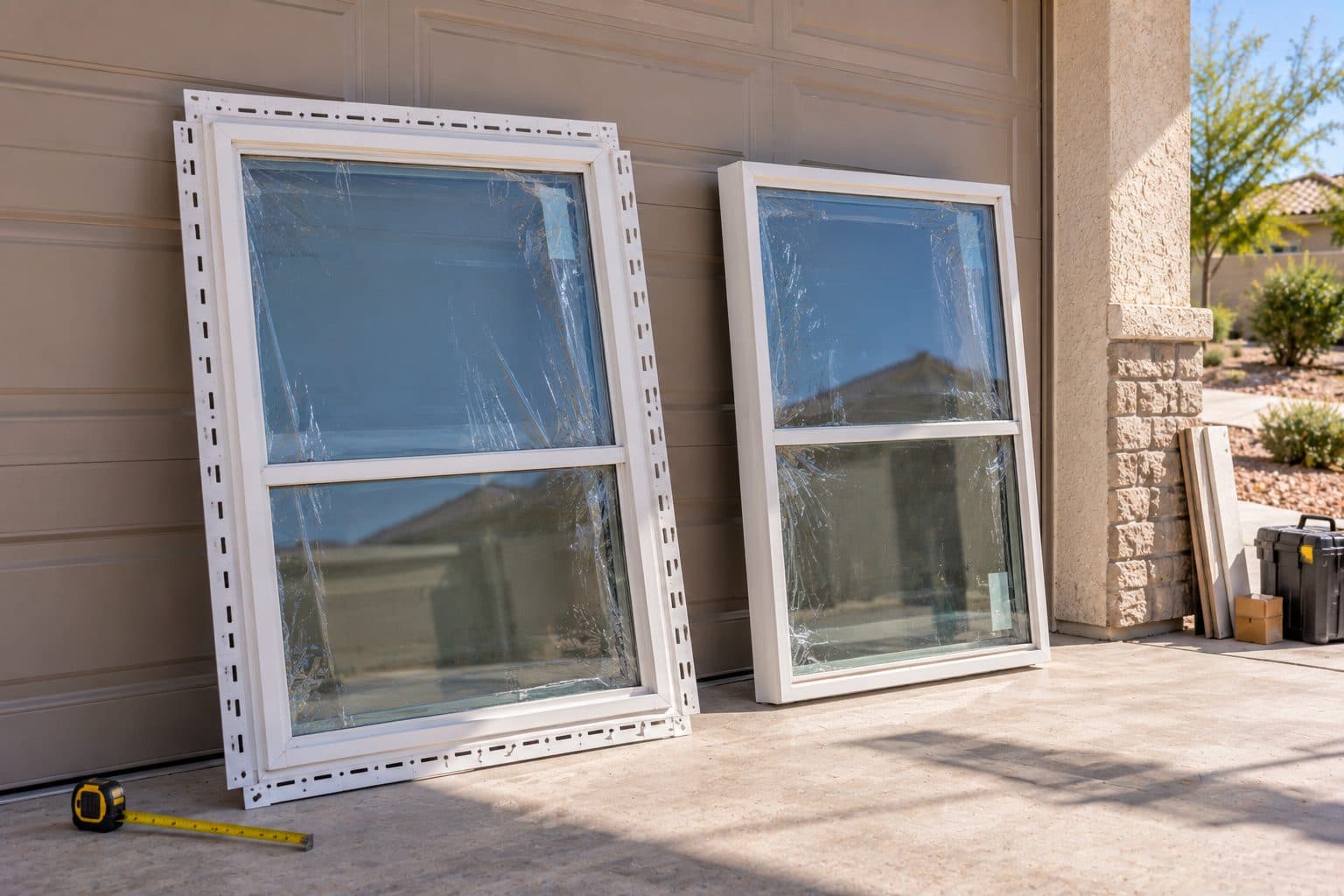
Replacement vs New-Construction Windows
Replacement vs new-construction windows: how nail-fin, flush-fin and block-frame windows differ, and which one fits the wall work planned for your home.
Read the guide →
Whole-House vs Phased Replacement
Should you replace all your windows at once or in phases? Compare matching, disruption and budget, and see which windows to put in the first phase.
Read the guide →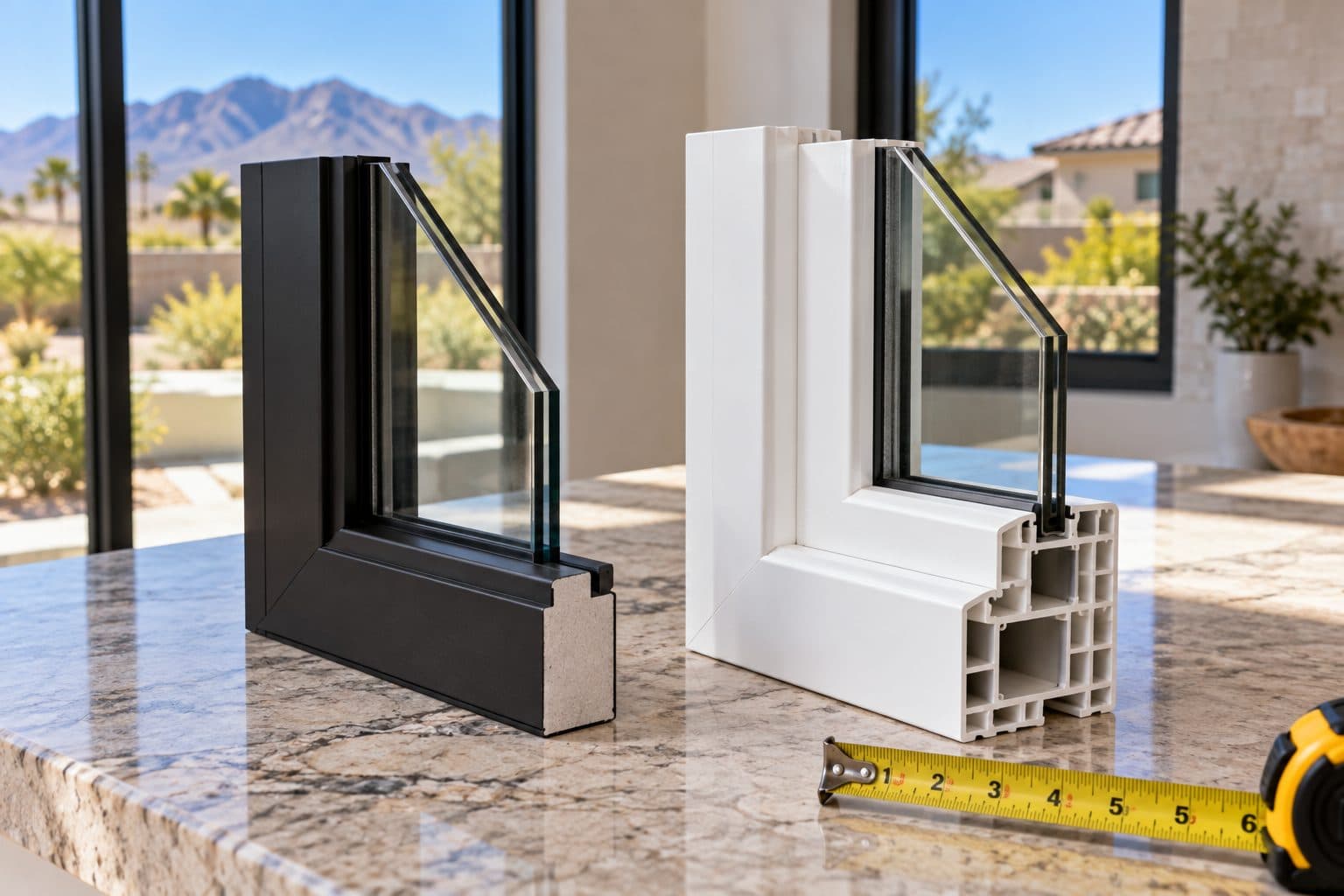
Fiberglass vs Vinyl Windows
Fiberglass vs vinyl windows: how the two frame materials differ in look, strength, heat performance, upkeep and warranty, and how to compare real quotes.
Read the guide →
Prepare for Window Installation
How to prepare for window installation: clear access to each window, handle blinds and alarm sensors, protect belongings, and plan for pets and children.
Read the guide →
Best Time to Replace Windows
When is the best time to replace windows in Las Vegas? See how heat, wind, lead times and window condition affect scheduling, and when not to wait.
Read the guide →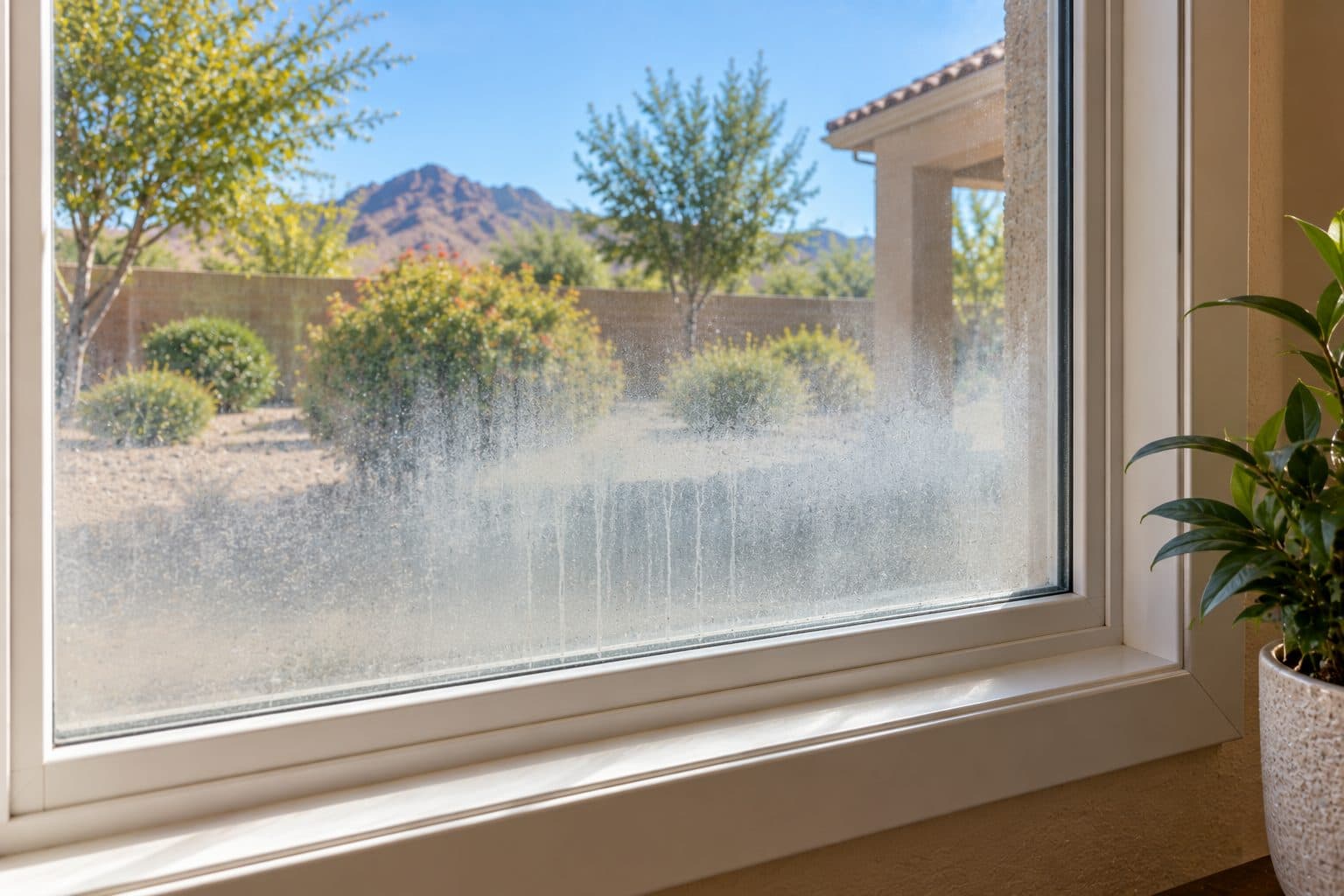
Foggy Double-Pane Windows
Foggy double-pane windows usually mean a failed glass seal. Learn how to confirm it, whether the glass alone can be replaced, and what defogging cannot do.
Read the guide →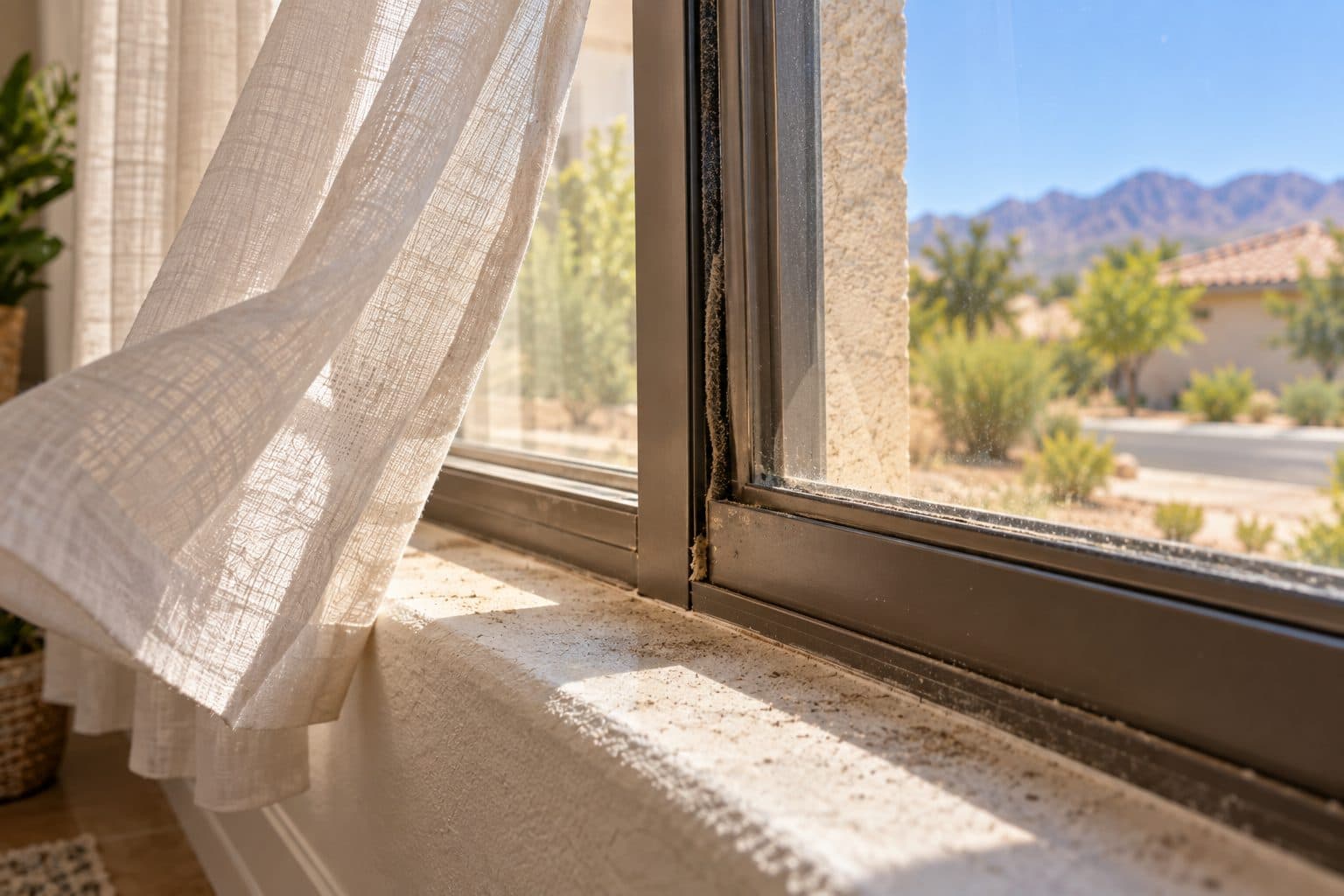
Drafty Windows: Repair or Replace
Drafty windows: repair or replace? Learn how to find where the air comes in, which causes can be repaired, and when replacement is worth pricing.
Read the guide →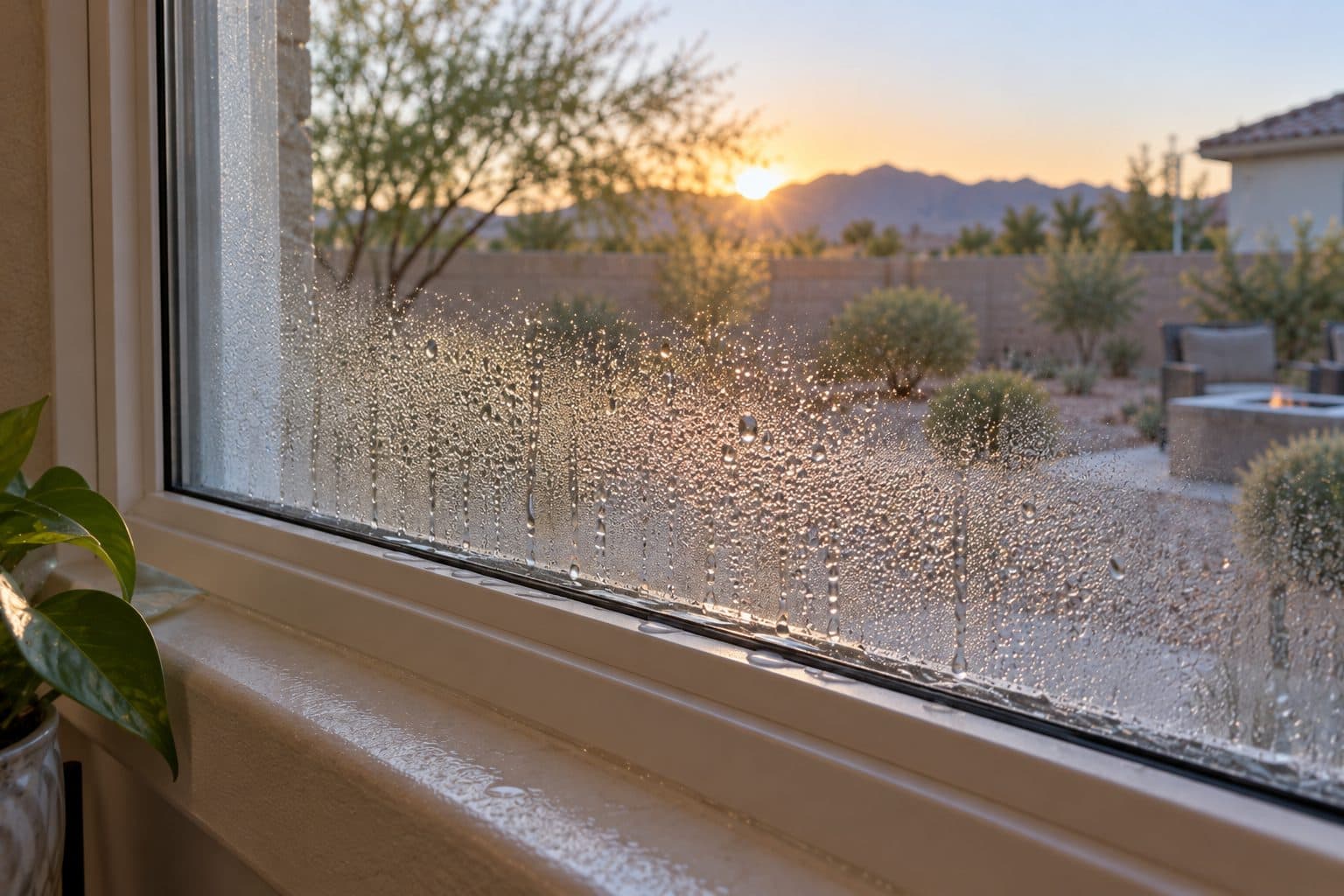
Window Condensation Guide
Window condensation guide: what moisture on the inside, on the outside, or between the panes means, and when a wet window needs service.
Read the guide →Sources referenced on this page
Independent references linked in the text above. A manufacturer source explains a product concept; it does not mean Agave Windows supplies that brand.
- NFRC consumer guidance (nfrc.org)
- Complete window replacement guidance (basc.pnnl.gov)

ready when you are
Request a Window Estimate
Tell us your location, the approximate number of openings, and what matters most to you. You do not need to arrive with a product already selected.
- Photos can follow once we reply; no measurements needed
- A written scope before anything is ordered
- Licensed, insured, and bonded
Request an Estimate