


- 7 min read
- Updated
- Supports: Replacement Windows
Replace Window Glass or the Entire Window?
Replacing the glass and replacing the entire window solve different sets of problems. Glass work may address a damaged or failed glazing assembly while retaining a serviceable frame. Complete replacement changes more of the system and can address broader product or design goals. The right scope depends on what is wrong, what remains usable and what compatible parts are available.
Do not let the phrase “new window” blur the distinction. Ask exactly which parts will be removed and which will remain. That answer affects appearance, performance, disruption, warranties and what problems the work is intended to resolve.

The short version
Replace only the glass when the problem is in the glass, such as fog between panes or a crack, and the frame still works well. Replace the whole window when the frame, operation or style is the problem.
On this page
First identify the parts under discussion
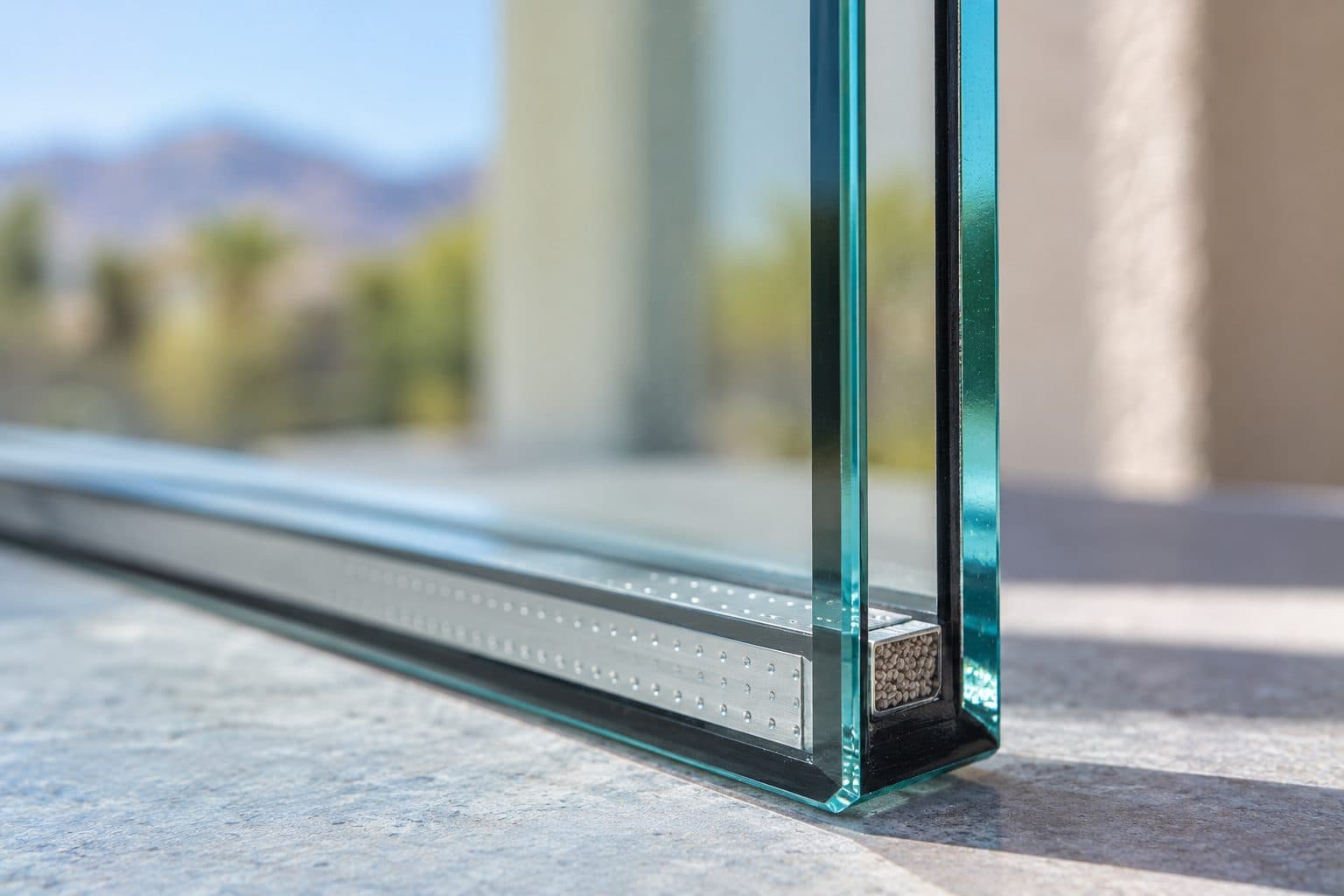
The glass is held within a sash or a fixed glazing arrangement. An operable sash is the moving portion of the window. The surrounding frame connects the assembly to the opening. An insulating-glass unit contains multiple panes joined as a sealed unit; it is not simply two loose sheets of glass.
Depending on the product, a proposed repair may involve a glazing unit, a sash assembly or another manufacturer-specific component. These are not interchangeable options for every window. Product identification, age, construction and parts availability influence what can be done.
Have the quote use precise language. “Replace glass” should describe the glazing assembly and included labor. “Replace window” should explain whether the surrounding existing frame is retained or removed. Clear terms prevent a small-scope proposal from being mistaken for a complete renewal of the opening.
Consider glass work when the surrounding system is serviceable
Glass-only or glazing-unit replacement deserves assessment when the main issue is in the glazing and the surrounding parts remain suitable for continued use. Examples include damaged glass or a confirmed problem within a sealed glazing unit, such as persistent fog between panes. These examples identify a possible scope; they do not establish that a particular frame is sound.
The evaluator should consider frame condition, sash operation, locks, weather seals and signs of water entry. If those are satisfactory, retaining the existing assembly may preserve its appearance and reduce disturbance to adjacent finishes.
Compatibility still matters. Replacement thickness, size, glass type, coatings and glazing details must suit the product and applicable opening requirements. Do not assume any glass panel of approximately the same dimensions is an acceptable substitute.
Consider a sash option when the product supports it
Some manufacturers support replacement sash assemblies for certain products. This can sit between glass-only work and complete-window replacement: more components may be renewed while the existing frame remains. Availability depends on the identified series and configuration.
Ask whether a sash option includes glass, hardware or weather seals and what existing parts must be reused. Understand any appearance difference between the new sash and adjacent retained units. A matching name is not proof that a component made for another generation will fit.
A component route should also be evaluated against the condition of the retained frame. If the surrounding system is damaged or poorly suited to the intended use, a compatible part alone may not resolve the broader issue.
Complete replacement serves a broader set of goals
A complete-window proposal may be appropriate when problems extend beyond glazing, when needed components cannot be sourced or when you want a different operation, appearance or performance package. Frame deterioration, persistent operation problems and a planned redesign all warrant a broader comparison. Our list of signs a window needs assessment can help you describe them.
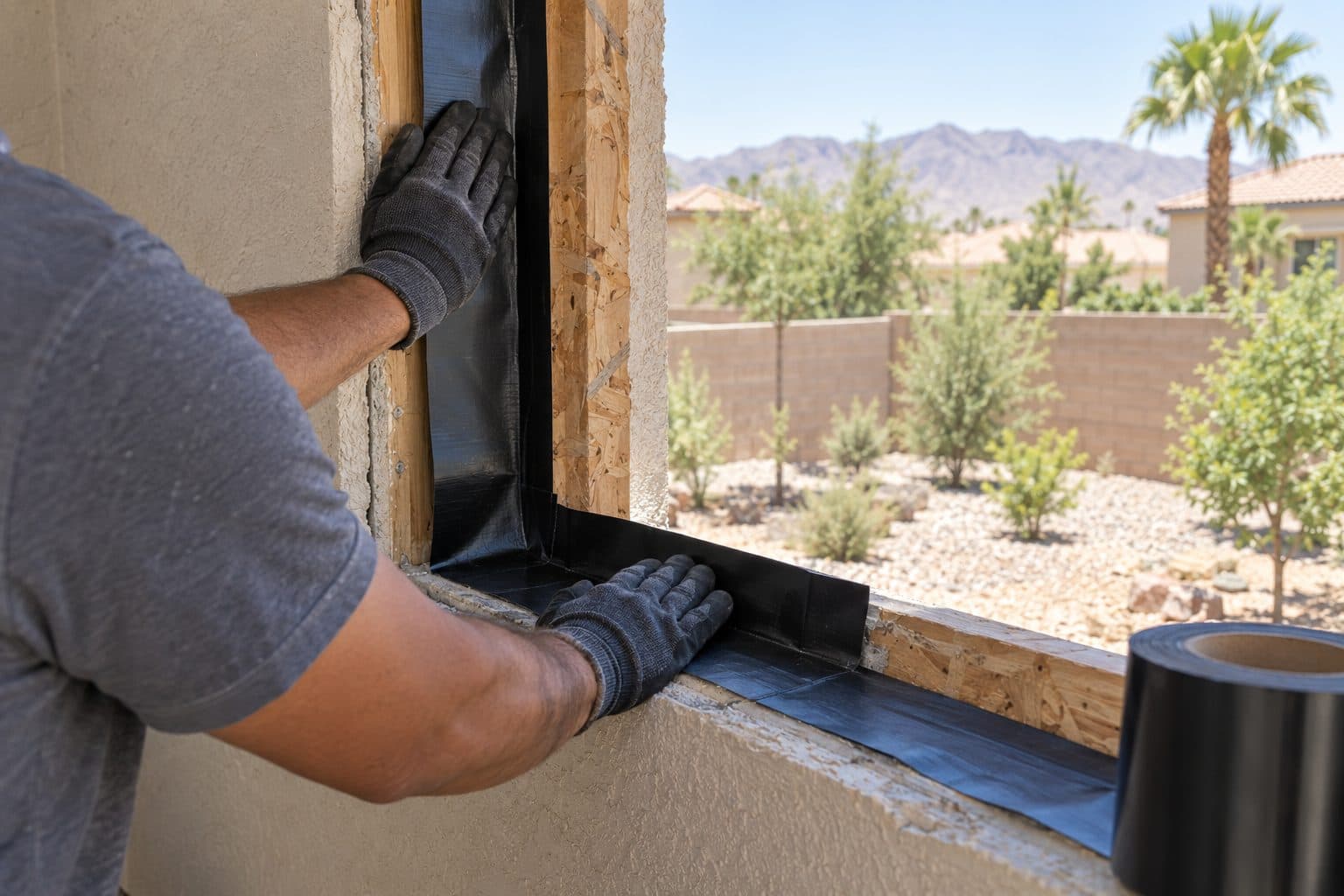
That broader scope has consequences. Ask about clear glass area, trim, exterior finish, existing frame removal and water-management integration. Our comparison of retained-frame and full-frame methods explains those choices. Replacing more parts may provide access to evaluate the opening, but it can also involve more surrounding work.
Full replacement is not proof that a nearby leak will be corrected. Water can originate in surrounding construction. If moisture intrusion is the reason for work, the assessment and proposal should connect the suspected source to the repair or replacement scope.
how we install
The Part Behind the Glass

Measured before anything is ordered
Flashed so water has a way out
Use the retained component as the decision boundary
For every proposed scope, locate the problem relative to the parts that remain. If the source is left outside the work, replacing more glass will not address it. This is a more useful test than comparing repair cost with an arbitrary percentage of a new window's price.
| Candidate scope | What changes | What still needs to be suitable |
|---|---|---|
| Glass or insulated unit | The specified glazing assembly | Retained sash/frame, hardware, glazing support and wall connection |
| Replacement sash | The specified sash assembly and included components | Main frame, compatible tracks or hinges, and frame-to-wall connection |
| New unit within retained frame | A new window fitted into the retained assembly | Old frame condition and the connections the method leaves in place |
| Full-frame removal | Window frame and agreed opening connection work | Surrounding building conditions outside the stated repair boundary |
A narrow scope is useful when its boundary contains the identified problem. A wider scope is useful when it addresses additional needs that matter to you. Neither boundary guarantees a result beyond the work described.
Three examples that lead to different choices
Imagine a fixed window with a damaged insulated glass unit, sound retention details and no other known concerns. Compatible glazing replacement can be evaluated because the suspected problem is within the part being replaced. The remaining frame still needs confirmation; the example is not a remote approval.
Now imagine an operable window with failed glazing and a sash whose attachment areas are damaged. New glass alone would retain that damaged sash. A supported sash assembly or a broader replacement becomes a more relevant comparison.
Finally, imagine water staining below an apparently intact window during rain. None of these scope names identifies the water source. The investigation must establish whether the entry path is within the proposed work or in adjacent construction before a replacement can be described as a remedy.
Request comparable glass specifications
If the existing glazing is being replaced, ask how the new glass will match neighboring windows in appearance and intended performance. Coating, tint, reflectance, spacer appearance and grid layout may be relevant. A repaired opening should not surprise you visually after installation.
If energy performance is a priority, understand what U-factor and SHGC rating information is available for the proposed scope. A complete-window rating applies to the rated assembly. Do not assume an isolated glass upgrade gives the retained window the certification or rating of a new product.
Keep any applicable safety-glazing or opening requirements in the specification review. A suitable service provider should identify what the particular location requires; appearance or a guessed glass thickness should not drive that decision alone.
Compare the service life you are buying without inventing one
A new glass unit in an older frame creates a mixed-age assembly. That is not inherently a problem; it means future hardware and frame maintenance remain part of ownership. A complete replacement changes more components but also introduces new installation and finish responsibilities.
List the known unresolved conditions beside each option. If glass replacement leaves a worn lock that already needs work, include a supported lock repair in the comparison rather than pretending the glazing price solves both problems. If complete replacement is proposed mainly for appearance, keep that preference distinct from the repair necessity.
Check component support using actual identification. Andersen's parts resources organize parts by numbers, descriptions and dimensions. That is an example of the evidence needed; it does not establish availability for another manufacturer or guarantee that an old assembly has a current equivalent.
The practical question is whether the retained parts are fit for the planned use and whether future service is acceptable to you. No universal number of remaining years can be inferred from the frame material or a photograph.
Compare costs over the scope you actually need
Ask for written alternatives where they are technically appropriate. Include assessment, parts, installation, disposal, finishing and warranty responsibilities. If one option requires a separate trade, identify that work before comparing totals.
A hypothetical homeowner with one failed glazing unit and otherwise serviceable windows might prioritize compatible glass work. A homeowner with several worn mechanisms, damaged frames and a desired design change may find a wider replacement plan more useful. Neither situation establishes a universal percentage rule for when repair stops being worthwhile.
Start by documenting the symptoms and any product labels. If complete replacement is among the options, Agave Windows can discuss complete replacement windows and the installation scope. For a narrower job, ask about our window glass replacement service so each option is quoted on its own terms.
This guide supports
Replacement Windows →things people ask us
Frequently Asked Questions
Does fog between panes automatically require the whole window to be replaced?
No. Persistent moisture within sealed glazing commonly points to a glazing-unit issue (our guide helps you locate window condensation), but the suitable remedy depends on product construction and surrounding condition. Have the unit identified and the frame assessed. A compatible glass or sash route may be worth considering before a complete replacement decision.
Can new glass make an old window ENERGY STAR certified?
Do not assume that result. Certification relates to a qualifying product and configuration, and a glass substitution in a retained window is not automatically equivalent. Ask what documented performance applies to the completed assembly and avoid transferring a rating from an unrelated new window.
What if I cannot find the original manufacturer?
Look for accessible labels, etching, order records and paperwork without dismantling the assembly. Photographs can help a qualified provider investigate. Missing identification may complicate sourcing or compatibility, but it should lead to an assessment of options rather than an unsupported claim that every unknown window is unrepairable.
Should I repair one window while replacing the rest?
That can be a reasonable scope to evaluate if the retained assembly is serviceable. Consider visual consistency, future maintenance and the reason each opening is included. Document which parts are repaired, which units are replaced and which existing conditions remain outside the work.
Still have a question about your home?
Ask us directly. A quick description of the opening is enough.
keep going
Related Services and Guides
- Replacement Windows
Replacement windows in Las Vegas, planned room by room. See how to choose glass, frames and installation method, and what a clear estimate should include.
- Persistent fog between panes
Foggy double-pane windows usually mean a failed glass seal. Learn how to confirm it, whether the glass alone can be replaced, and what defogging cannot do.
- Locate window condensation
Window condensation guide: what moisture on the inside, on the outside, or between the panes means, and when a wet window needs service.
- Signs a window needs assessment
Signs your windows may need replacement: fog between panes, sticking sashes, drafts, stains or damage. Learn what each one means and what to do next.
- Retained-frame and full-frame methods
Retrofit vs full-frame window replacement: what stays in the wall, what comes out, how each affects glass size and finish work, and when each one fits.
- Window Buying Guide
How to choose replacement windows in Las Vegas: list what each room needs, pick a style, compare glass ratings and installation, then line up quotes.
- Window Replacement Cost
What affects window replacement cost in Las Vegas: window size and type, glass, installation method and stucco or trim repair. Learn how to compare quotes.
- Replacing Windows in Stucco Homes
Replacing windows in a stucco home: when stucco must be cut, how water is managed behind it, and what to expect from patching, texture and paint.
- Window Replacement Timeline
How long does window replacement take? See each stage, from measuring and ordering to delivery, installation and finish work, and what can cause delays.
- Replacement vs New-Construction Windows
Replacement vs new-construction windows: how nail-fin, flush-fin and block-frame windows differ, and which one fits the wall work planned for your home.
- Whole-House vs Phased Replacement
Should you replace all your windows at once or in phases? Compare matching, disruption and budget, and see which windows to put in the first phase.
Sources referenced on this page
Independent references linked in the text above. A manufacturer source explains a product concept; it does not mean Agave Windows supplies that brand.
- Andersen's parts resources (andersenwindows.com)

ready when you are
Have a Question About Your Own Home?
A guide can explain the choice. Your openings decide the answer. Tell us what you are seeing and we will help you work out the next step.
- Photos can follow once we reply; no measurements needed
- A written scope before anything is ordered
- Licensed, insured, and bonded
Request an Estimate