


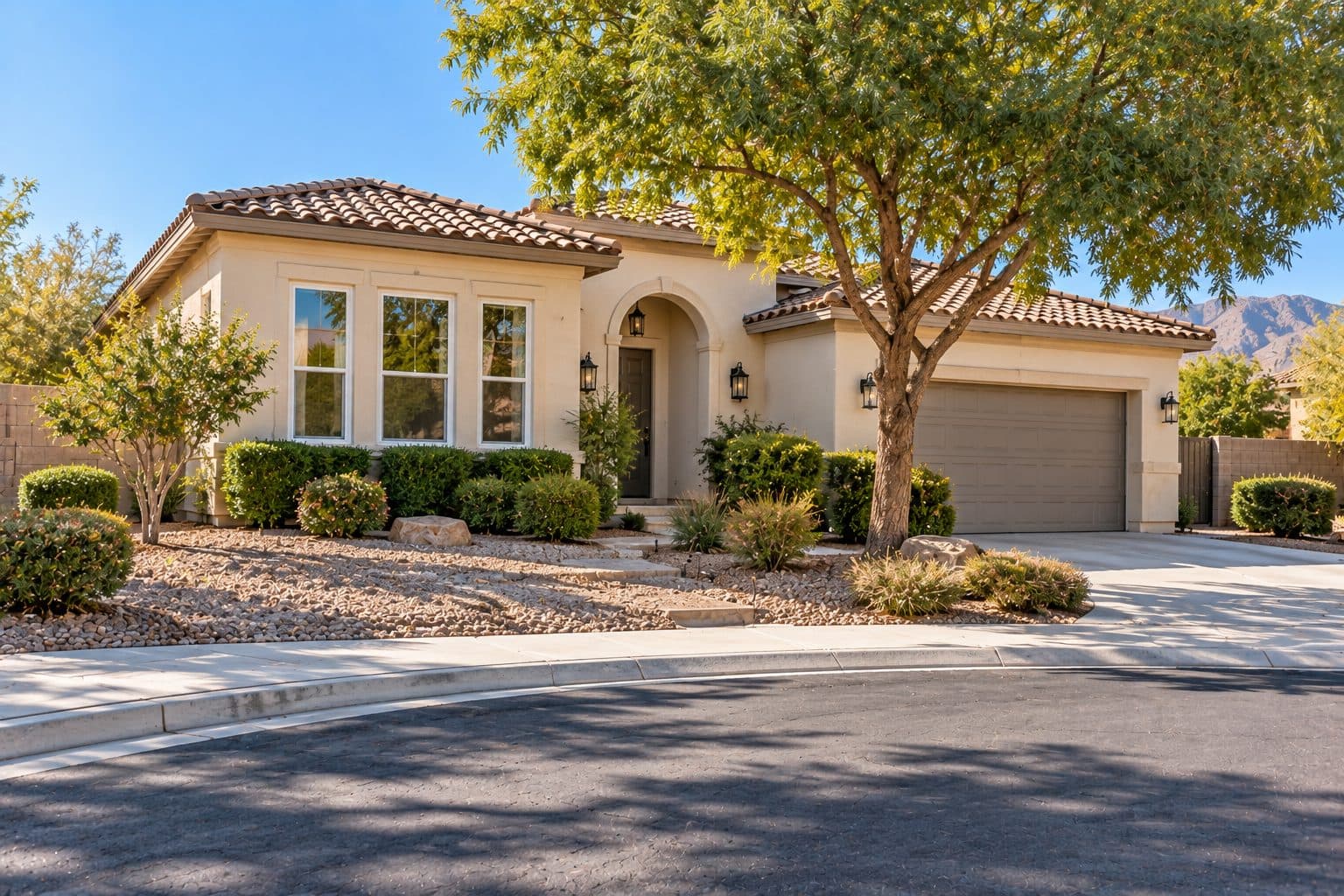
Double-Hung Windows in Las Vegas
Double-hung windows let the upper and lower sashes move vertically within one frame. Among the common window styles, that gives you more than one way to open the window while preserving a familiar divided appearance. The extra movement is useful when it fits how you ventilate, clean and arrange the room.
Agave Windows helps Las Vegas homeowners evaluate double-hung windows around those everyday tasks. We look at the controls you will reach, the view you want to preserve and the construction around the opening, then connect those decisions to a specific window replacement proposal.
- Licensed, insured, bonded
- Written scope before ordering
- Las Vegas valley

The short version
A double-hung window has two sashes that both slide up and down, so you can open the top, the bottom or both. It is not the same as double-pane glass, and tilt-in cleaning varies by product.
01 of 11
Decide what upper-sash operation adds for you
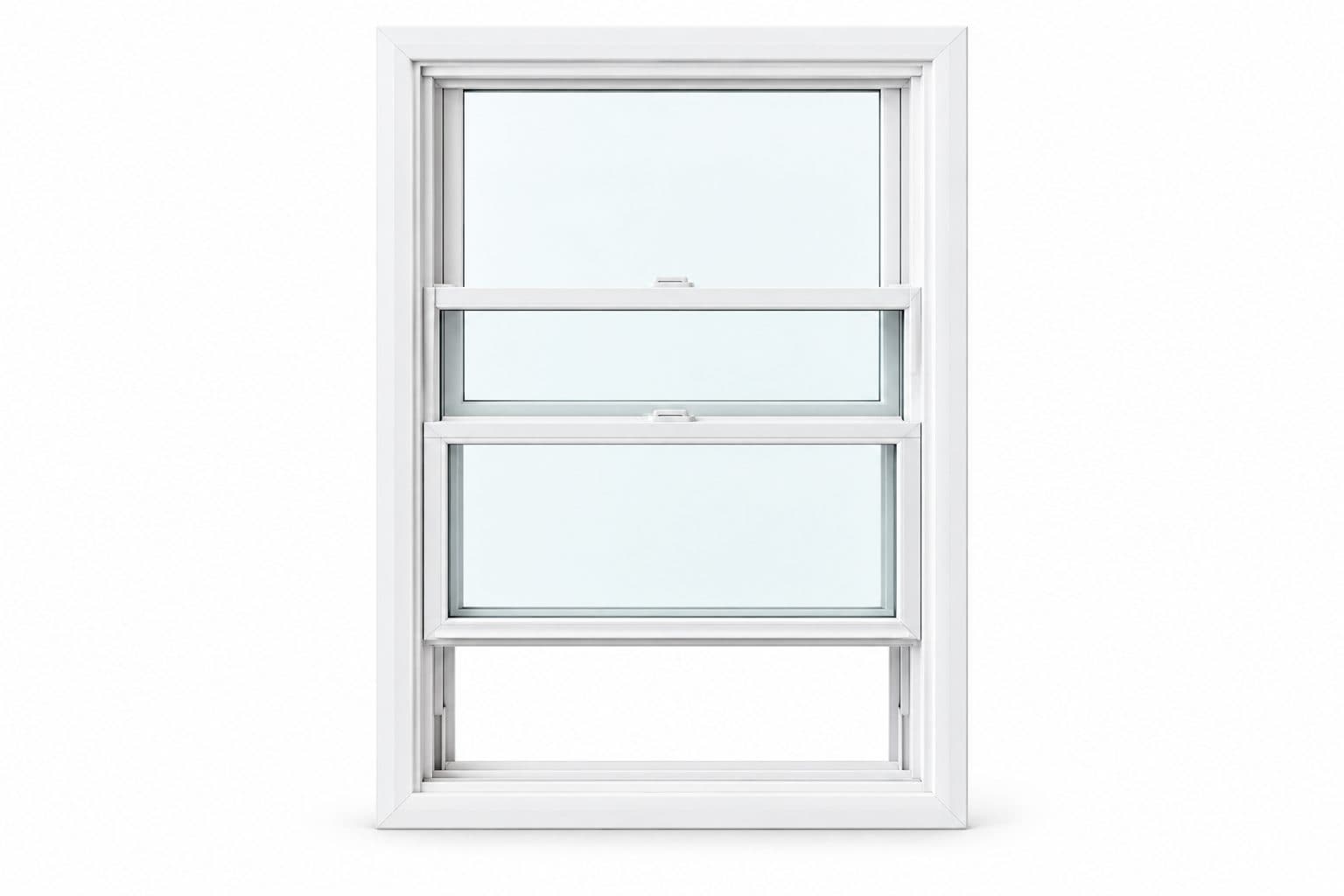
The difference that matters is the ability to lower the upper sash as well as raise the lower one. That creates choices about where the open portions sit. It does not mean the whole frame becomes an unobstructed opening, because the sashes still overlap within the assembly.
Think about when you would use the top opening. You might prefer it for the room layout, or want the flexibility to open at both ends during suitable weather. Actual airflow depends on the openings, weather and room conditions. The style alone does not promise a particular cooling effect.
Try the upper sash from a realistic position. A convenient control on a low showroom sample may be difficult to reach above furniture or at the installed height. If no one in the household expects to use the upper sash, a single-hung window or other features may be better value than movement that will rarely be used.
how it works
The lower sash lifts
- 1
The lower sash rises inside the frame; on a double-hung, the upper sash lowers too
- 2
Balances hold the sash where you leave it
- 3
The meeting rail sits at eye level in many rooms, so check the sightline
Illustration of the operating principle, not a drawing of a specific product.
at a glance
Double-Hung Windows
A double-hung window has two sashes that both slide up and down, so you can open the top, the bottom or both. It is not the same as double-pane glass, and tilt-in cleaning varies by product.
- Measured on site before ordering
- Written scope with product and finish details
- Installed, sealed and reviewed with you
02 of 11
Separate normal movement from cleaning movement
Double-hung describes two vertically moving sashes. Tilt-in cleaning, removable screens and opening-control devices describe different functions. A product may combine them, but the style name alone does not establish its cleaning sequence or the room needed to perform it.
Treat the demonstration as two distinct tasks. First use the window normally: open each sash, bring both to their required closed positions and lock. Then have the representative explain the manufacturer's cleaning procedure. Note which controls are used only for cleaning and how the sash is supported. Do not substitute a generic release-latch procedure for the selected product's instructions.
| Task | Space or ability to check | Evidence to keep |
|---|---|---|
| Lower-sash ventilation | Reach to grip and lock | Normal operating instructions |
| Upper-sash ventilation | Reach to upper control and ability to return it | Demonstrated open and closed states |
| Lower exterior-glass cleaning | Interior swing space and supported sash handling | Exact cleaning procedure |
| Upper exterior-glass cleaning | Access after the lower sash is positioned | Required sequence and handling limits |
A desk, shutter or deep countertop can block cleaning movement without blocking ordinary ventilation. Measure the obstruction and show it on the room sketch. A full-height photograph from outside will not reveal this problem.
For a hypothetical upstairs office, the owner wants to clean exterior glass from indoors but plans a fixed desk across the opening. The decision is whether to change the furniture arrangement, choose a compatible cleaning feature or arrange another maintenance method. Selecting double-hung on the assumption that it automatically solves access leaves the key constraint unresolved.
The Pella hung-window comparison is a useful example of product-dependent cleaning differences. Our own single-hung versus double-hung guide covers the same ground. Confirm the feature for the exact candidate. Even an appropriate tilt feature does not eliminate every exterior frame or surrounding-wall cleaning task.
four steps, in order
How a Project Runs
- 1
Tell us about the project
Send your location, the approximate number of openings, and what you want to improve.
- 2
Review the openings and options
We discuss your priorities and assess the details that affect product selection and installation.
- 3
Define the work in writing
The proposal identifies the products and agreed installation scope so you can understand what the project includes.
- 4
Install and review the result
At completion, we review the installed products, operation, visible finish, and care information with you.

03 of 11
Consider the people who will operate the window
Two moving sashes add flexibility, but they also add controls and a closing sequence to understand. A sash that is not fully seated can prevent proper locking. Test the grips, the locks and the effort required at the size and glass weight being proposed.
Where possible, have the regular users try a suitable sample. Ask them to open the lower sash, lower the upper sash, return both and lock the window. Watch for awkward reach or uncertainty about whether a sash is closed. A selection that works for one person may be less practical for another.
Do not treat a cleaning-release latch as an ordinary operating handle. The final handover should distinguish normal opening, cleaning position and any opening-control accessories. Keeping those functions clear is especially valuable when several people use the same room or when the property will have changing occupants.
04 of 11
Use a drawing to review rails and proportions
The meeting rail remains a strong horizontal line in the window. Its height, width and relationship to surrounding windows affect the appearance of the entire wall. When replacing only some windows, a difference in rail placement may be more visible than a small color variation.
Review the elevation from outside and the view from your normal seat inside. A double-hung arrangement may suit a tall opening, but the actual product dimensions determine the proportions. Ask how much visible glass remains after installation, particularly if part of the old frame will stay.
Window grid patterns can reinforce the style, but they deserve a separate decision. Confirm whether a grid is between the glass, applied to the surface or part of another construction. The choice affects appearance and cleaning. Do not assume that a marketing photograph shows the exact grid option included in your quote.
how we install
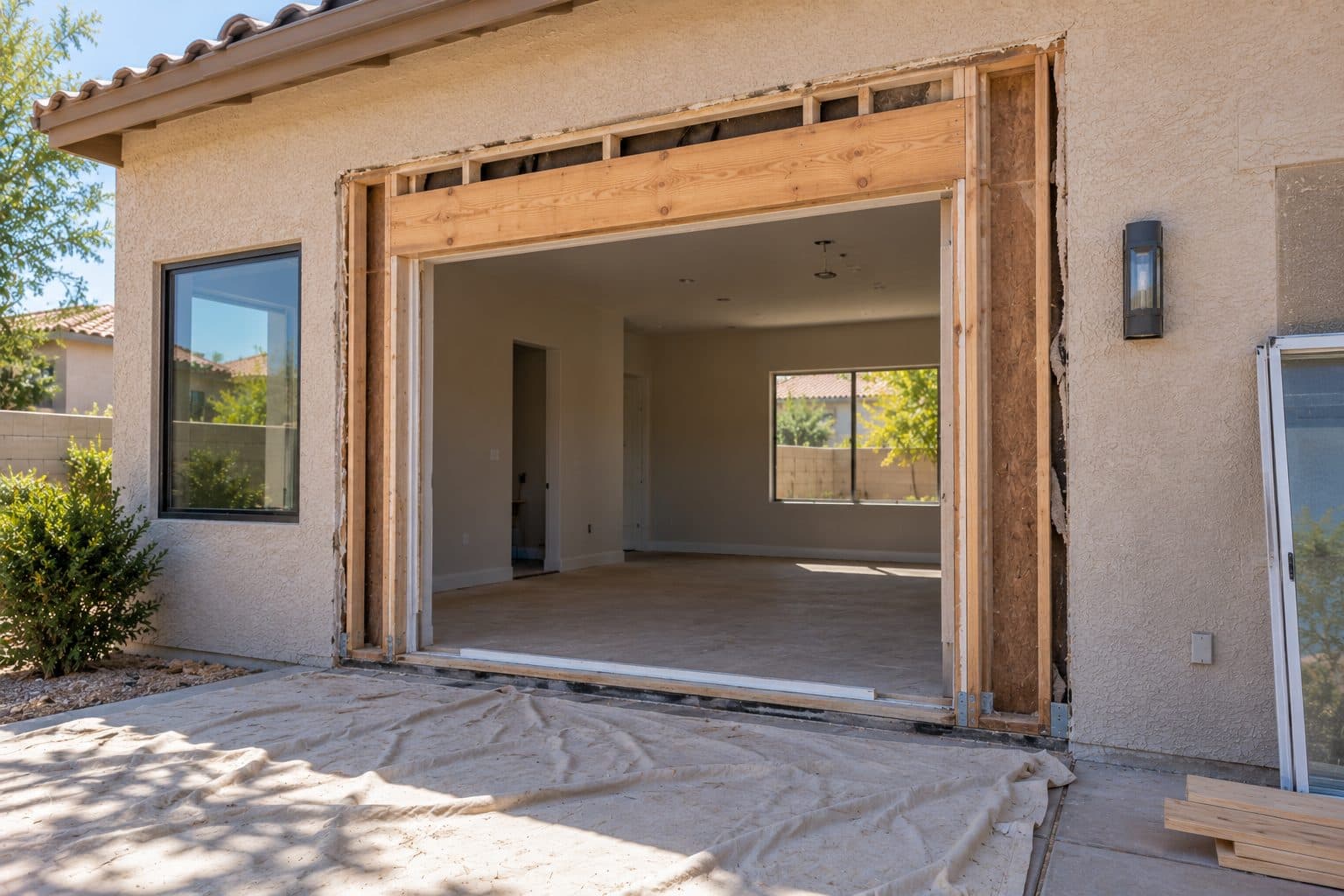
The Part Behind the Glass

Measured before anything is ordered
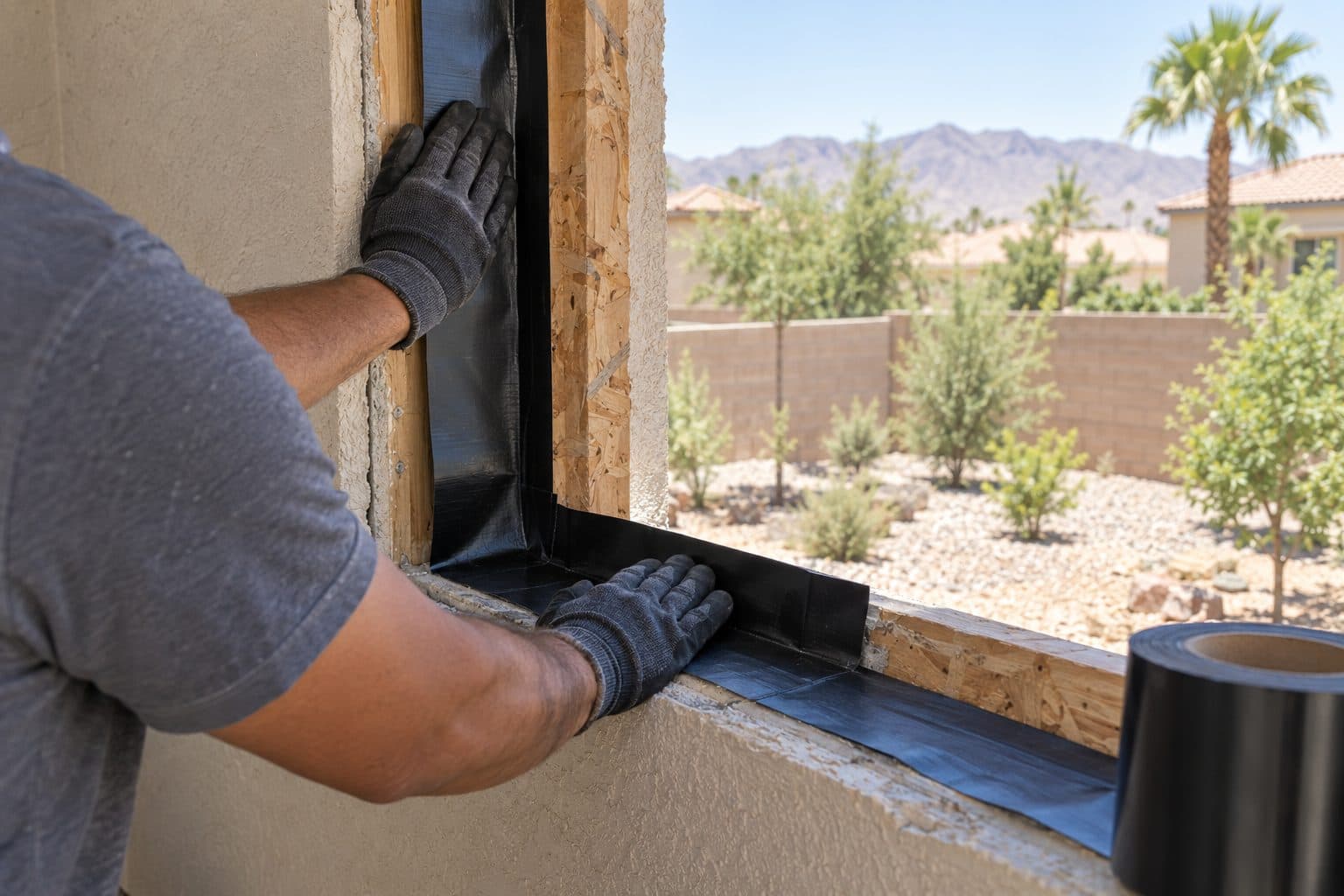
Flashed so water has a way out

Set level, plumb and shimmed
05 of 11
Match the screen to the openings you intend to use
If you want both upper and lower ventilation, ask how the screen arrangement supports that use. Full-height and partial-screen options are product-dependent. The position that protects one open sash may not cover another in every configuration.
Review the screen from inside and outside. Mesh and frame visibility can change the perceived brightness or uniformity of a row of windows. A combination of fixed and double-hung units may show different screen coverage even when the glass and exterior finish match.
Screens keep insects out when properly fitted; they should not be treated as fall protection. Opening-control requirements and any required escape function need their own review. A decision to open only the upper sash does not, by itself, establish that the window is safe for every location or household.
06 of 11
Confirm the useful opening for each room
The frame dimensions, glass dimensions and clear opening are different. Moving both sashes does not necessarily produce a larger single clear opening than another style in the same rough opening. Ask for the manufacturer's configuration information when the size of the opening matters.
Bedroom and other applicable requirements should be evaluated before the product is ordered. Existing trim or an old style name is not sufficient evidence. A retained frame, changed sill relationship or different sash travel can affect the final configuration.
If the available dimensions do not support the required function, discuss the alternatives openly. That might mean another style, another replacement method or a broader opening change. The right choice is the one that satisfies the room's job and the project's constraints, rather than the one that most closely resembles the old window on a brochure.
07 of 11
Compare performance with the exact glass package
Double-hung is not another name for double-pane. Operation and glazing are independent descriptions. Your proposal should list the sash style and the insulating-glass package separately so you know what is being ordered.
For energy decisions, use whole-product U-factor, solar heat gain coefficient and visible transmittance. Our guide to U-factor and SHGC ratings explains how these measurements address different questions. A lower heat-transfer value does not automatically answer a glare concern, and a style name does not establish solar control.
If the main goal is a more comfortable room during direct sun, explain when and where the discomfort occurs. Nearby shading, furniture and how the room is used help frame the selection. Ask for the documented ratings of the proposed configuration and avoid comparing one brand's glass-only figure with another brand's whole-window figure.
08 of 11
Look after the channels, seals and hardware
Double-hung windows need product-appropriate care. Dust can collect in channels, and moving seals or hardware should be checked according to the supplied instructions. Avoid painting over moving parts or applying a lubricant without verifying that the manufacturer recommends it.
If a sash begins drifting, binding or failing to seat, record which sash is affected and when the problem occurs. The symptom might involve a component, adjustment or surrounding condition that a window repair visit can assess. Do not assume that extra force or a makeshift prop is an acceptable long-term response.
Keep the care guide where it can be found. Product identification is particularly helpful if balances, locks or screens need attention later. Two windows that look similar may use different components, so appearance alone is not a reliable parts specification.
09 of 11
Define the replacement work around the window
A complete quote should identify the installation approach and its effect on the existing opening. Ask what happens to the old frame, how the new unit integrates with the wall and what finish work is included. Product instructions and the actual wall condition determine the appropriate details.
Interior shutters and trim deserve special attention because they may affect both opening and cleaning movement. If a replacement changes the recess depth, a previously compatible shutter may need adjustment. Resolve responsibility for that work before the installation appointment.
The proposal should also address access, protection, disposal and any process for concealed damage. Those items are part of planning a finished opening even though they do not appear on an energy label. A clear scope helps you compare offers that may otherwise describe different work under the same double-hung product name.
10 of 11
Record the open states you will actually use
Instead of one check mark beside opens, define the states that matter: lower sash open, upper sash open, both partly open, and both closed and locked. Add the screen position and any opening-control setting for each. Some households will use only two states; others need more flexibility.
This record prevents a common mismatch between the attraction of two moving sashes and the supplied accessories. If a partial screen covers the lower opening but your preferred use is at the top, the screen arrangement must be resolved in the order. Do not assume a screen can be repositioned unless the product is designed for it.
At handover, use the approved states as the demonstration checklist. Confirm that regular users understand when each sash is fully seated and how the lock indicates engagement. If an accessory alters operation, retain its instructions with the window documents.
Upper-only opening is a ventilation choice, not proof of child safety. CPSC guidance warns that insect screens are not fall barriers. The household's safety plan and any required escape function need their own assessment, whatever sash position is preferred.
11 of 11
Prepare for a focused estimate conversation
Before you request an estimate, list the rooms where upper-sash use or interior cleaning access matters. Note window height, nearby furniture and any existing difficulty with locks or balances. Photos of the whole opening from both sides help show the situation without requiring you to take final manufacturing measurements.
At approval, review a schedule with the product, size, sash configuration, finish, glass, screen and accessories for each opening. At completion, operate both sashes and review any cleaning sequence with the installer. The final result should be understandable as well as attractive.
things people ask us
Frequently Asked Questions
Does double-hung mean two glass panes?
No. Double-hung describes two sashes that move vertically. Double-pane describes an insulating-glass construction with two panes. A double-hung product can have different glass packages, so both details should appear separately in the specification.
Can both sashes be open at once?
Double-hung operation can allow an opening at the top and bottom, within the selected product’s travel limits. Confirm how the screen covers that arrangement and whether any opening-control device affects normal use. Do not assume the entire frame is open when both sashes move.
Will double-hung windows make upper-story cleaning easy?
They may improve access when the selected product has suitable tilt-in features and enough room to use them. The procedure, sash weight and household ability still matter. Ask for a demonstration, and plan separately for any glass or exterior frame surfaces that remain difficult to reach.
Can double-hung and fixed windows match?
They can be coordinated, but the frame, sash and rail details may remain visibly different. Compare dimensioned elevations and actual finishes from the chosen line. A fixed picture window also lacks the screen arrangement of a venting window, which can affect the appearance from outside.
Why should the order name the screen arrangement?
Your intended upper, lower or combined opening must work with the supplied screen. Full and partial arrangements can support different routines. Record the intended operating states and confirm coverage and handling for the actual product before ordering.
Still have a question about your home?
Ask us directly. A quick description of the opening is enough.
keep going
Related Pages
- Single-hung versus double-hung
Single-hung vs double-hung windows: which sashes move, how each is cleaned, how much they open, and when the extra function is worth choosing.
- Single-hung windows
Single-hung windows in Las Vegas have a lower sash that lifts and a fixed top. Learn what to check for lifting effort, cleaning, screens and glass choices.
- Window grid patterns
Window grid patterns explained: common grille layouts, how the bars are built, and how to line up a pattern across the whole front of the house.
- Window styles
Compare window styles for your Las Vegas home: sliding, single-hung, double-hung, casement, awning, picture, bay and bow. Find the right fit for each room.
- Window energy ratings
U-factor and SHGC explained in plain terms: what each window energy rating measures, how to read an NFRC label, and which numbers to compare on a quote.
Sources referenced on this page
Independent references linked in the text above. A manufacturer source explains a product concept; it does not mean Agave Windows supplies that brand.
- Pella hung-window comparison (pella.com)
- CPSC guidance (cpsc.gov)

ready when you are
Request a Double-Hung Window Estimate
Tell us your location, the approximate number of openings, and what matters most to you. You do not need to arrive with a product already selected.
- Photos can follow once we reply; no measurements needed
- A written scope before anything is ordered
- Licensed, insured, and bonded
Request an Estimate