


- 7 min read
- Updated
- Supports: Window Styles
Single-Hung vs Double-Hung Windows
The main difference is which sashes move. A single-hung window opens by lifting the lower sash while the upper section stays fixed. A double-hung window allows both the lower and upper sashes to move vertically. The better choice depends on whether you will use that additional movement and how the selected product can be cleaned.
Start with those tasks rather than assuming the more adjustable style is automatically the better window. Our window styles overview shows where both fit among the other operating types. Frame material, glass, hardware and installation remain separate decisions.

The short version
A single-hung window opens only at the bottom sash, while both sashes move on a double-hung. Choose double-hung where you will use top ventilation or need easier cleaning from inside; otherwise single-hung does the job.
On this page
Compare the functions that change
| Decision | Single-hung | Double-hung |
|---|---|---|
| Normal movement | Lower sash moves; upper section stays fixed | Both upper and lower sashes move |
| Upper opening | Not provided by the fixed upper section | Can be available by lowering the upper sash |
| Exterior swing | Sash remains within the frame | Sashes remain within the frame |
| Cleaning from inside | Lower-sash features vary; fixed upper access needs checking | Tilt or removal features depend on the product |
| Useful clear opening | Verify the actual unit | Verify the actual unit; two moving sashes do not mean full-frame clearance |
| Value question | Does lower-sash operation meet the room's needs? | Will upper operation or supported cleaning features be used? |
The Pella window-type overview explains these movement categories. Its descriptions are an introduction to operation, not evidence that all manufacturers offer identical hardware or cleaning features.
First, decide whether you want upper-sash operation
A double-hung window can let you choose an opening at the top, bottom or both within the product's travel limits. That flexibility may be useful in a room where the household has a particular ventilation routine. Actual airflow still depends on the weather, room layout and other openings.
Test whether you can reach the upper sash and its controls. A deep piece of furniture or high installation can turn a desirable feature into one that rarely gets used. Think about the people who regularly open the window, not only the person comparing the brochures.
If lower-sash use is all you expect, a single-hung window remains a reasonable option to evaluate. You can then compare glass, frame and hardware without paying for a feature simply because it sounds more advanced. The final value depends on actual quoted products and prices.
Second, inspect the cleaning method closely
This is often a more important distinction than the ventilation description. Many double-hung designs offer tilt-in cleaning, but the exact procedure and access vary. Some single-hung units also have a lower-sash cleaning feature while the upper glass remains fixed.
Ask to see which surfaces are reachable from inside. The phrase easy to clean is incomplete unless it identifies both the exterior lower glass and exterior upper glass. A feature that improves access to one sash may leave another surface requiring outside service.
Check the space needed for the cleaning movement. Interior shutters, counters and furniture can prevent a sash from tilting into the required position. Sash weight and the user's ability to handle it also matter. A demonstration is more useful than assuming a mechanism will be convenient at every installed height.
Third, compare the opening the room actually receives
Neither style clears the entire frame when open. The moving sash overlaps another section. Stops, frame members and travel affect the resulting usable opening.
If the room has an escape or other opening requirement, compare the actual product data and installed conditions. Do not infer compliance from the number of movable sashes. A double-hung is not automatically acceptable where a single-hung is not, or vice versa.
The retrofit or full-frame replacement method can change the result as well. Retaining part of an old frame may affect visible glass and clear dimensions. Review style, product size and installation approach together before concluding that two quotes describe equivalent openings.
how we install
The Part Behind the Glass

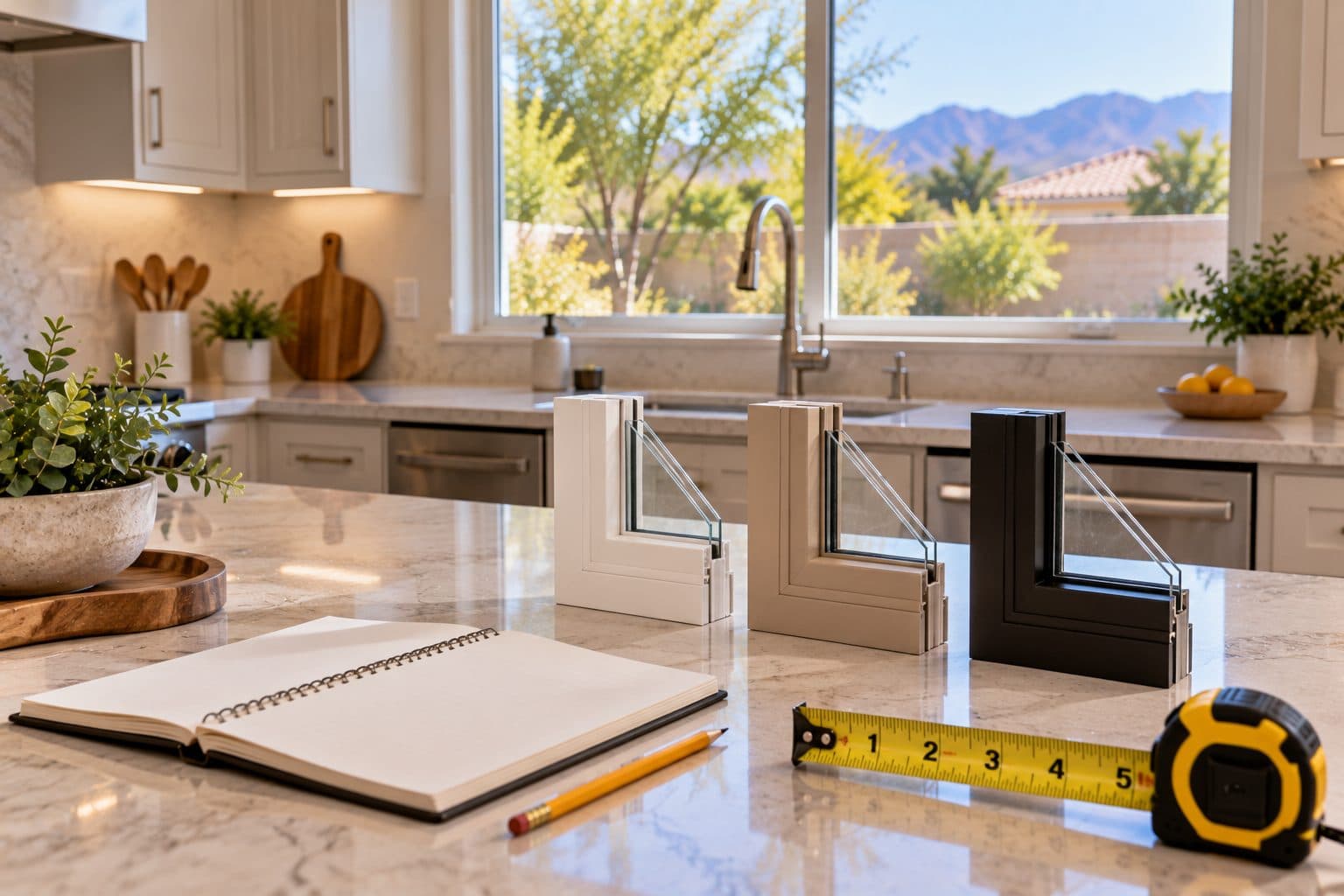
Measured before anything is ordered
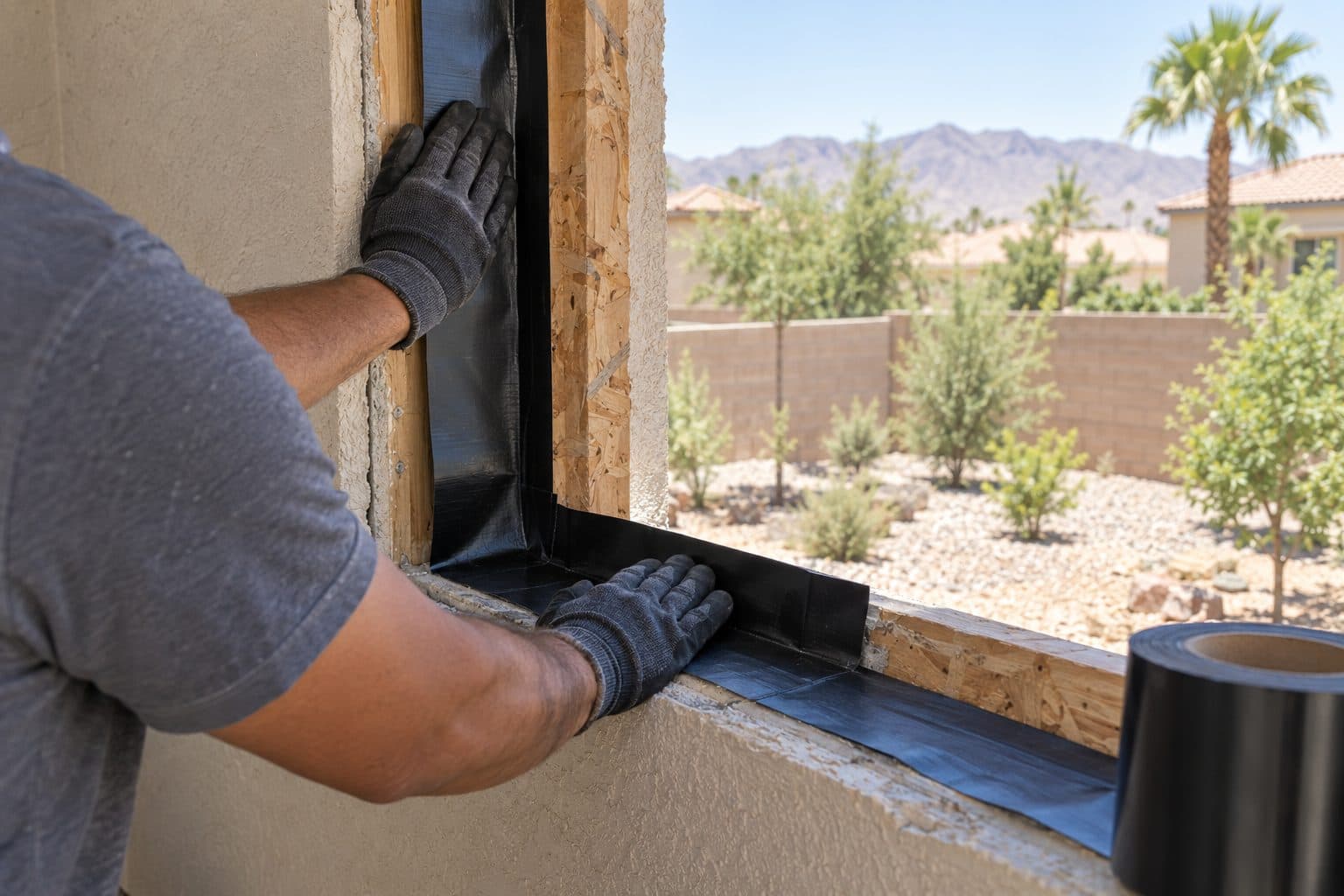
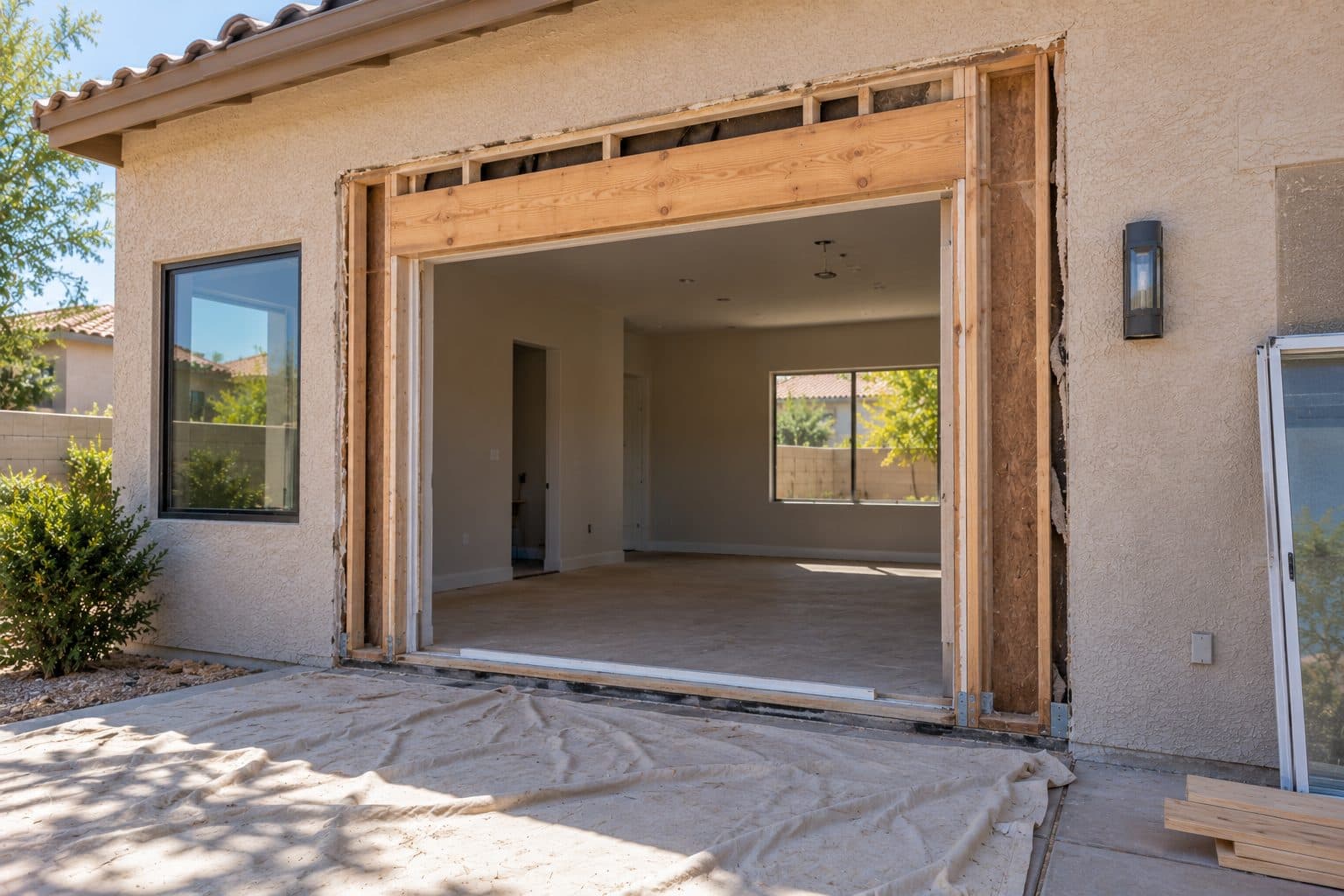
Flashed so water has a way out
Then compare screens, locks and everyday use
If you plan to open the upper and lower sashes, confirm how the screen covers both areas. Screen placement can vary between products, and a partial-screen arrangement may require a different routine from a full-height screen.
Open, close and lock a representative sample. On a double-hung, make sure you understand how both sashes need to be seated for locking. On a single-hung, check the lower grip and lifting effort. Do not assume either category guarantees easier operation for every user.
Screens do not provide fall protection. Any required opening-control device or safety provision needs to be evaluated for the actual installation. Choosing to open only the upper sash is not a substitute for that review.
Keep thermal performance out of the style shortcut
U-factor
How easily heat passes through the whole window. Lower keeps more heat out in summer and in during winter.
SHGC
Solar heat gain coefficient: how much of the sun's heat comes through. Lower means less heat from direct sun.
VT
Visible transmittance: how much daylight comes through. Higher means a brighter room.
Single-hung and double-hung describe operation, not pane count. Either can use a multi-pane insulating-glass unit. An estimate should identify the style and glass construction separately.
Compare whole-product U-factor and solar heat gain coefficient and visible transmittance for the actual candidates. Do not declare a winner from the number of moving parts alone. A difference in glass package, frame construction or size can matter to the comparison.
For Las Vegas rooms with strong sun exposure, explain the comfort and daylight goals. The appropriate glass selection is not determined by whether the upper sash moves. Treat thermal ratings and operation as two related but separate columns in your decision.
Decide whether the extra sash earns its place
Use two separate benefit tests: upper-sash ventilation and exterior-glass cleaning. Do not count them as one advantage, because a household can value one while never using the other.
For each opening, complete this short record:
| Question | Answer that keeps single-hung in contention | Answer that makes double-hung worth investigating |
|---|---|---|
| Will anyone use the upper opening? | No regular use identified | A specific, reachable operating routine |
| Is exterior upper-glass access already manageable? | A suitable cleaning method exists | A documented interior cleaning feature solves an access problem |
| Can the proposed feature actually be used? | Lower operation meets the need | User and room pass the relevant reach/handling test |
| Are the required room functions satisfied? | Verified for the proposed unit | Verified for the proposed unit |
Consider an illustrative pair of bedrooms. The ground-floor room has manageable exterior access and uses only lower ventilation. Its strongest reasons to choose double-hung may therefore disappear. The upstairs room has difficult exterior access, but a fixed dresser blocks the space needed to tilt the proposed sash. Double-hung is not yet the answer there either: the furniture, feature or cleaning plan must change first.
Now suppose the upstairs layout can be changed and the selected product's demonstration confirms useful interior access to both exterior glass faces. That is a specific benefit the owner can weigh against the quoted difference. The decision follows the demonstrated task, rather than a universal ranking of the styles.
If both candidates pass the essential room requirements and their usable benefits are effectively the same, compare their complete specifications, price and written support terms. If double-hung supplies a benefit you will regularly use, identify it on the decision record. A higher quote becomes easier to assess when it purchases a named task improvement.
Check that a mixed selection still looks intentional
Choosing by room can lead to single-hung on one floor and double-hung on another. Before accepting that mix, compare the exterior elevations together. Meeting-rail height, frame width, glass appearance and screen coverage may differ even when the overall dimensions and color names match.
The aim is coordination, not an assumption that all windows must be identical. Mark which visible differences are acceptable and which would undermine the intended facade. If appearance is a deciding constraint, request a compatible alternative before the order.
This is also a useful check when one quoted product becomes unavailable. Substituting a different hung style can change both function and appearance. Revisit the benefit test and the elevation rather than accepting the replacement solely because it fits the same opening.
Compare the price of equivalent scopes
Ask for both alternatives using the same opening list, comparable glass goals and the same installation/finish scope. Identify differences in hardware, screens, frame profile and warranty. Otherwise, a price difference may be attributed to sash operation when another specification actually changed.
Choose the features you will use, then consider their cost. A higher price is easier to assess when you can name the daily task it improves. If two products meet the same needs, the complete quote and documented terms can guide the final decision.
Bring your room list, cleaning concerns and preferred operating routine to Agave Windows when you request an estimate. A focused comparison can turn a general style question into a clear product selection.
This guide supports
Window Styles →things people ask us
Frequently Asked Questions
Is double-hung always better than single-hung?
No. Double-hung adds upper-sash movement, and some products offer useful cleaning features. Those advantages matter only if they fit the installed location and household routine. Compare actual products, including glass, operation, access and the complete installed price. Our window buying guide walks through that comparison.
Can a single-hung window tilt in?
Some products provide a lower-sash tilt or removal feature. Verify the actual instructions and ask how the fixed upper exterior glass is cleaned. A lower-sash feature does not make every surface accessible from inside.
Which style gives a bigger emergency escape opening?
The answer depends on the actual size, sash travel, hardware and installation. Request clear-opening information for each proposed unit and have the applicable requirements reviewed. The number of movable sashes alone does not answer the question.
Should I use the same style in every room?
You can choose by room while coordinating the exterior appearance. One room may benefit from verified interior cleaning access while another only needs lower-sash operation. Review frame profiles, rail heights and screen appearance together so a mixed selection remains intentional.
What if double-hung adds a feature I cannot use in the room?
Do not count that feature as a benefit until the obstacle is resolved. For example, a verified tilt feature can still be blocked by furniture. Reassess the layout, another product or an outside cleaning method before comparing the price of the usable alternatives.
Still have a question about your home?
Ask us directly. A quick description of the opening is enough.
keep going
Related Services and Guides
- Window Styles
Compare window styles for your Las Vegas home: sliding, single-hung, double-hung, casement, awning, picture, bay and bow. Find the right fit for each room.
- Single-hung windows
Single-hung windows in Las Vegas have a lower sash that lifts and a fixed top. Learn what to check for lifting effort, cleaning, screens and glass choices.
- Double-hung windows
Double-hung windows in Las Vegas let both sashes move for airflow at the top or bottom. See what to check for cleaning, screens, reach and glass options.
- Window buying guide
How to choose replacement windows in Las Vegas: list what each room needs, pick a style, compare glass ratings and installation, then line up quotes.
- Window energy ratings
U-factor and SHGC explained in plain terms: what each window energy rating measures, how to read an NFRC label, and which numbers to compare on a quote.
- Retrofit versus full-frame replacement
Retrofit vs full-frame window replacement: what stays in the wall, what comes out, how each affects glass size and finish work, and when each one fits.
- Vinyl vs Aluminum Windows
Vinyl vs aluminum windows for Las Vegas homes: compare insulation, frame width, colors, upkeep and energy ratings to see which suits your house.
- Sliding vs Casement Windows
Sliding vs casement windows: how each opens, the space each needs outside, which is easier to reach and clean, and how to choose one for each room.
- Fiberglass vs Vinyl Windows
Fiberglass vs vinyl windows: how the two frame materials differ in look, strength, heat performance, upkeep and warranty, and how to compare real quotes.
Sources referenced on this page
Independent references linked in the text above. A manufacturer source explains a product concept; it does not mean Agave Windows supplies that brand.
- Pella window-type overview (pella.com)

ready when you are
Have a Question About Your Own Home?
A guide can explain the choice. Your openings decide the answer. Tell us what you are seeing and we will help you work out the next step.
- Photos can follow once we reply; no measurements needed
- A written scope before anything is ordered
- Licensed, insured, and bonded
Request an Estimate