


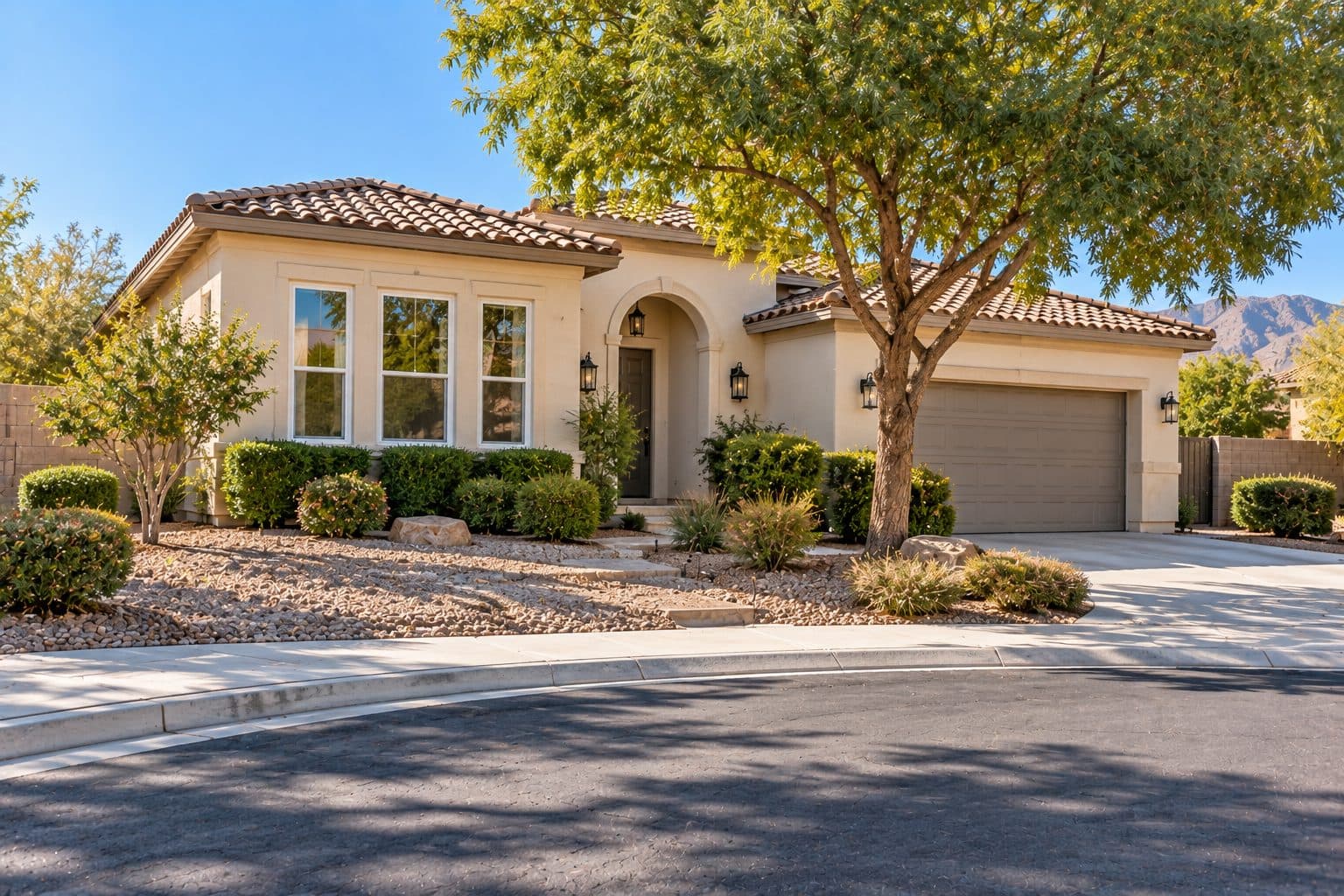
Window Styles for Your Las Vegas Home
The right window style starts with how you want the opening to work. Do you want air movement, an uninterrupted view, a sash that stays clear of a walkway, or a window that adds depth to a room? Those questions narrow the choices more usefully than appearance alone.
Use this guide to explore operating styles, then bring your room priorities to Agave Windows. Style is one part of the selection. The final replacement window also needs an appropriate frame, glass package, size and installation plan.

The short version
Pick a window style by how the opening should work. Sliding and hung windows stay within the frame, casement and awning windows swing outward, picture windows stay fixed, and bay or bow windows project from the wall.
pick your starting point
Explore Window Styles Options
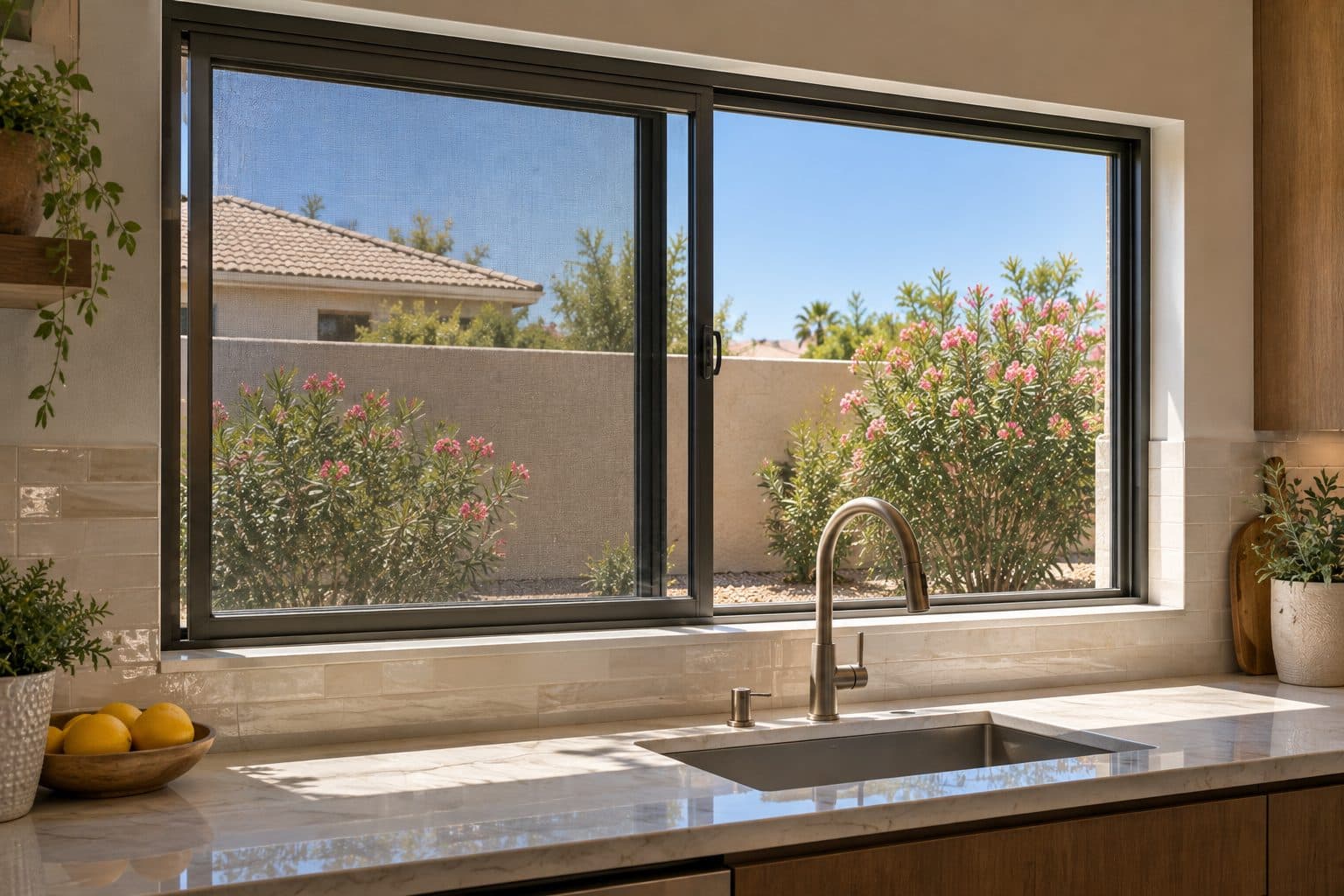
Sliding Windows
Sliding windows in Las Vegas open sideways without swinging out, handy beside patios and walkways. See how to choose the opening side, glass and screens.
Explore →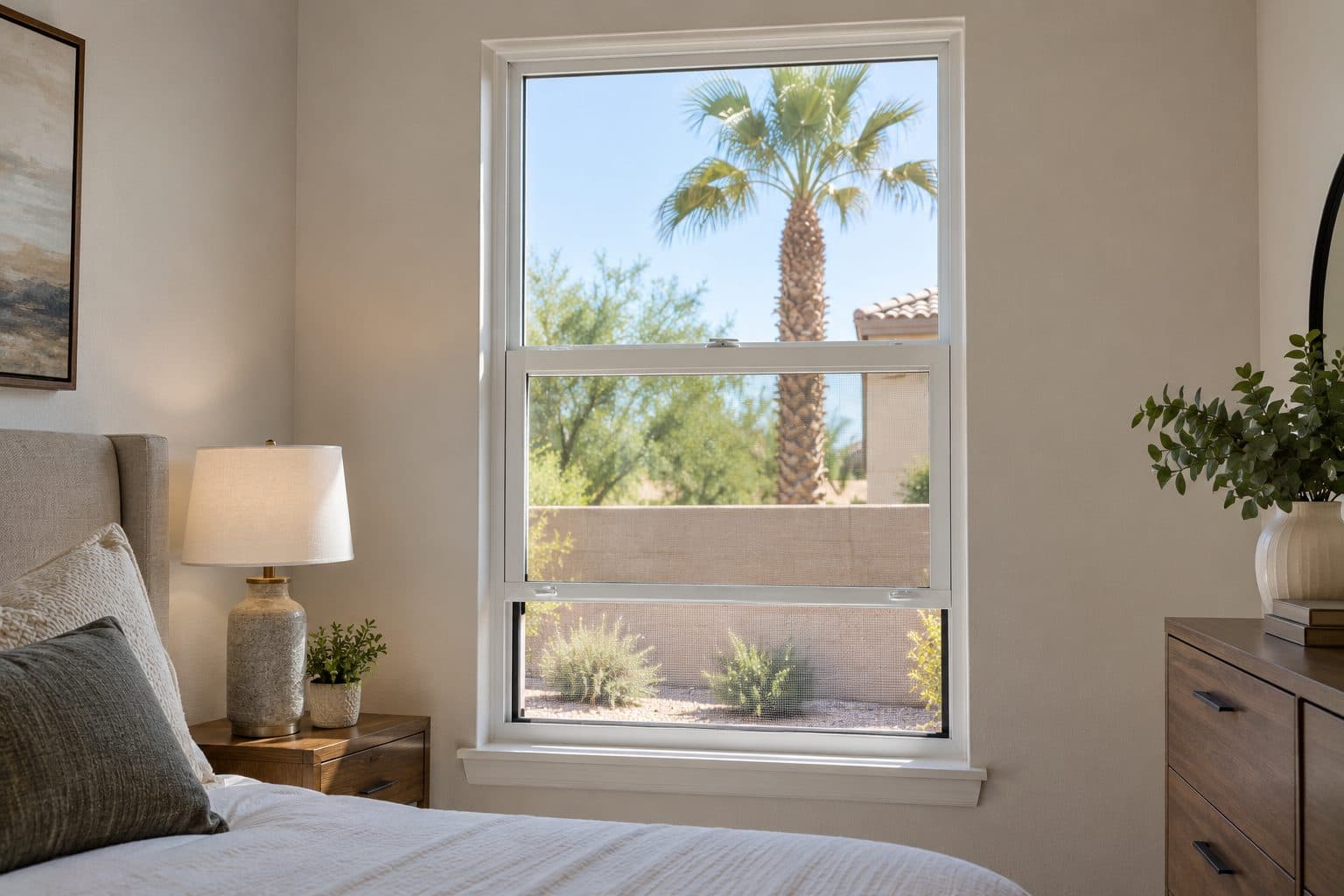
Single-Hung Windows
Single-hung windows in Las Vegas have a lower sash that lifts and a fixed top. Learn what to check for lifting effort, cleaning, screens and glass choices.
Explore →
Double-Hung Windows
Double-hung windows in Las Vegas let both sashes move for airflow at the top or bottom. See what to check for cleaning, screens, reach and glass options.
Explore →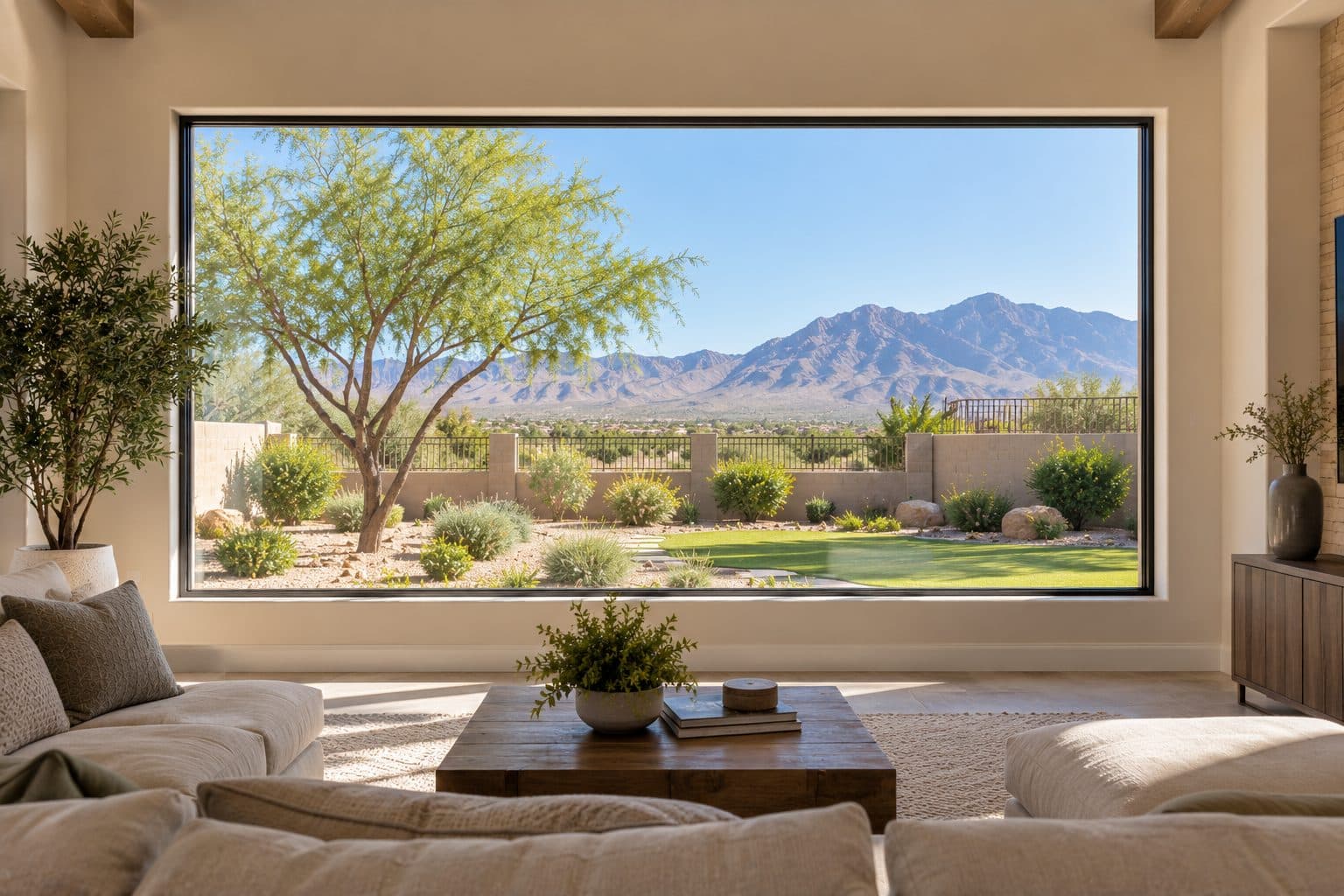
Picture Windows
Picture windows in Las Vegas frame a view with fixed glass that does not open. Plan sightlines, sun control, cleaning access and nearby windows that vent.
Explore →
Architectural & Custom Windows
Architectural and custom windows in Las Vegas: arches, angles and shaped glass. Learn how shapes are measured, drawn and ordered so the new window fits.
Explore →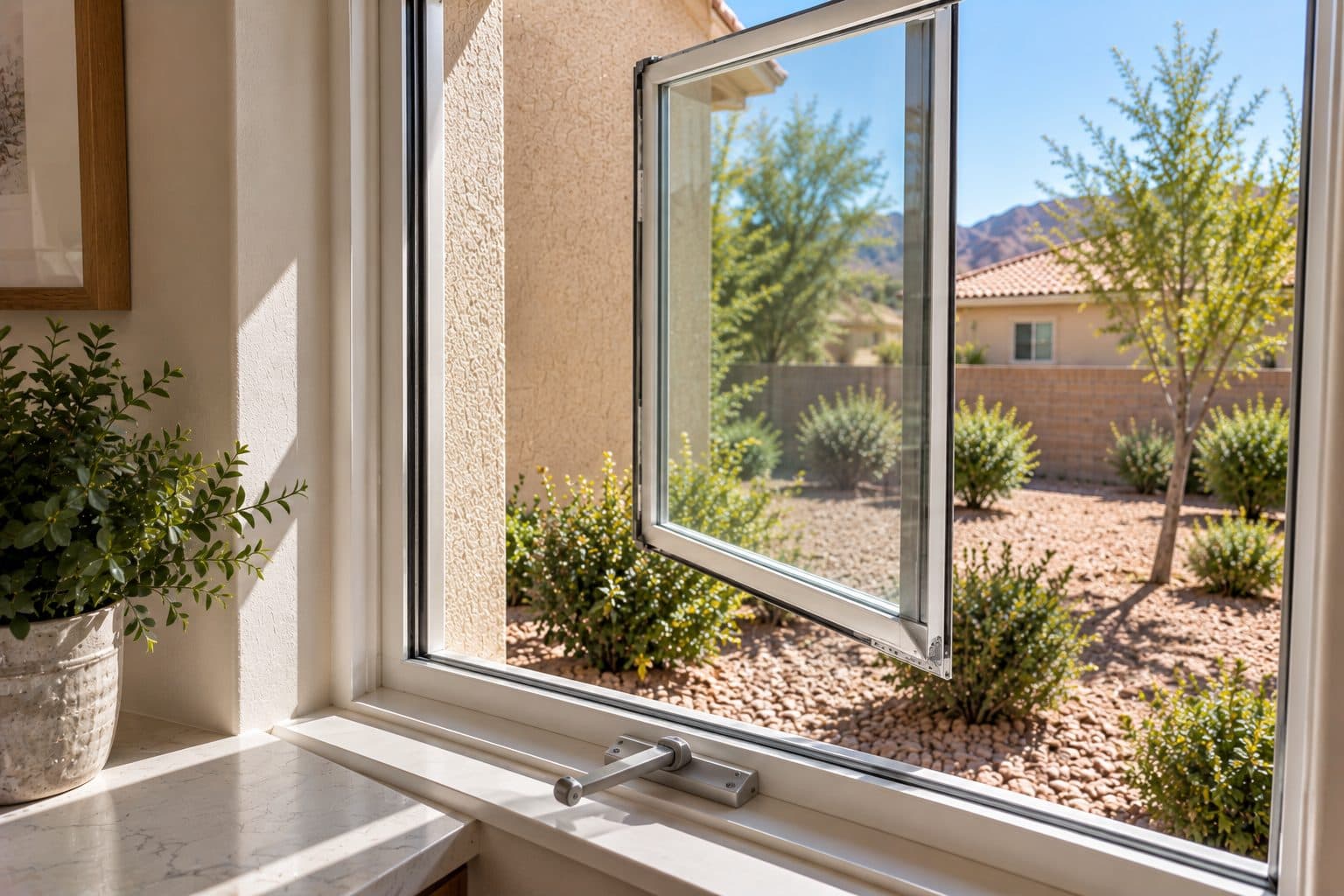
Casement Windows
Casement windows in Las Vegas swing outward on side hinges and often open with a crank. Check the hinge side, outside clearance, handle reach and screens.
Explore →
Awning Windows
Awning windows in Las Vegas hinge at the top and open outward from the bottom. They can suit bathrooms and spots above counters if you can reach the handle.
Explore →
Bay & Bow Windows
Bay and bow windows in Las Vegas project beyond the wall for more light and depth. Learn the difference, plus support, roof and interior ledge details.
Explore →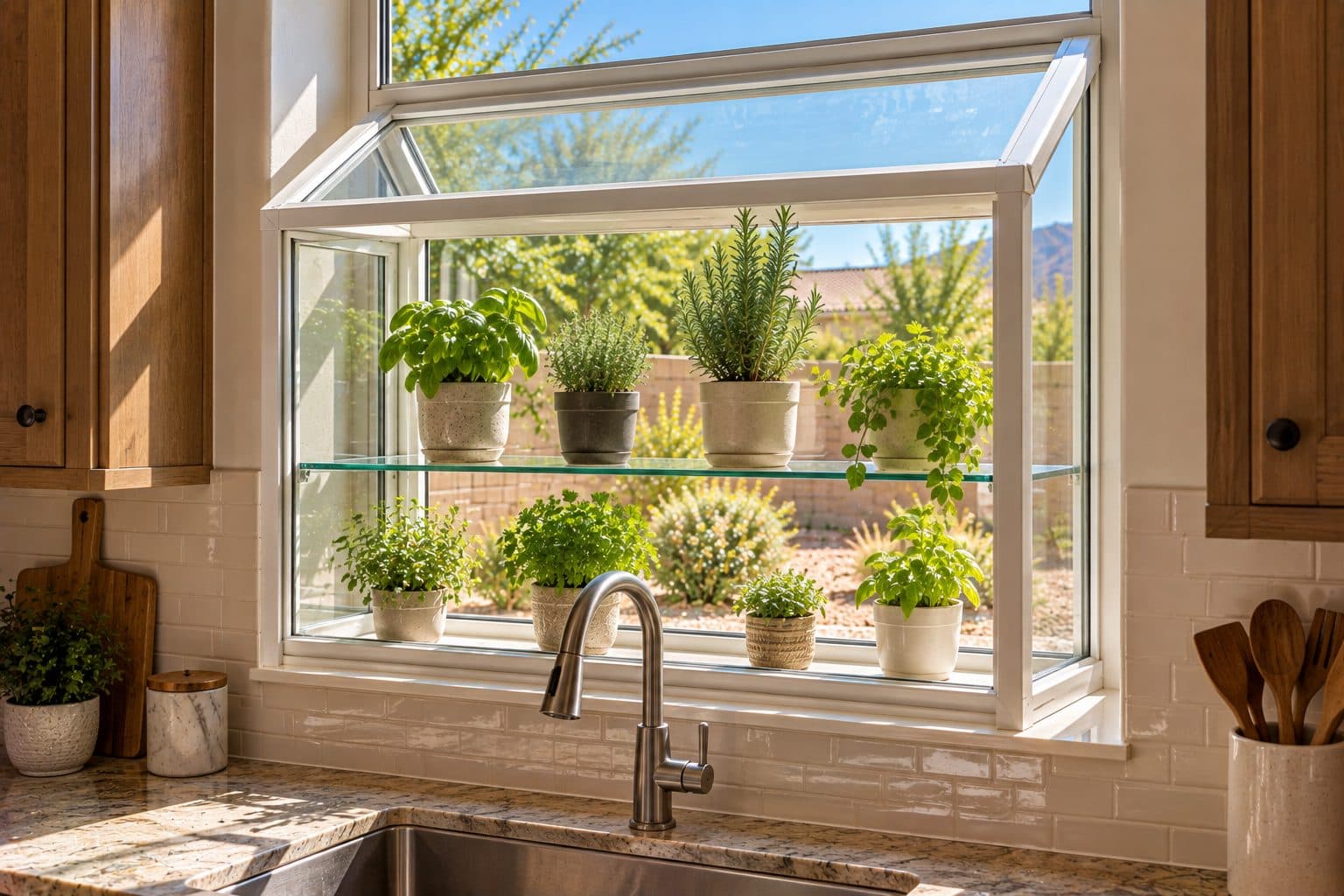
Garden Windows
Garden windows in Las Vegas add a small glass projection with shelves, often over the kitchen sink. Learn about sun, shelf weight limits, reach and cleaning.
Explore →On this page
Windows that slide within the frame
Sliding and hung windows move within their frames rather than swinging outward. They deserve a look where exterior circulation or a nearby patio makes a projecting sash inconvenient. The moving sash still occupies part of the opening when the window is open.
| Style | Basic movement | Question to start with |
|---|---|---|
| Horizontal sliding | A sash moves sideways | Which side should open, and can you reach it? |
| Single-hung | The lower sash lifts; the upper section stays fixed | Does lower-sash ventilation fit the room? |
| Double-hung | Upper and lower sashes move vertically | Will you use upper-sash operation or the cleaning features? |
A wide opening may suggest a slider, while a taller opening may suggest a hung window. That is a starting point, not a sizing rule. Product limits and the actual clear opening need checking. Our single-hung and double-hung comparison covers the two hung styles. The window-style overview from Pella illustrates these movement categories; each manufacturer's configurations vary.
Windows that hinge outward
A casement window is hinged at the side. An awning window is hinged at the top. Their movement creates different clearance needs outside, so consider landscaping, paths, adjacent walls and other windows before choosing the direction and arrangement.
A crank or other operating handle may suit an opening above a counter, but reach the proposed controls from your normal standing position before deciding. Screens, locks and window coverings also need working space. A style that looks convenient on a drawing may be less convenient behind a deep sink or fixed piece of furniture. The sliding versus casement guide compares the two movements.
Windows that hold a view
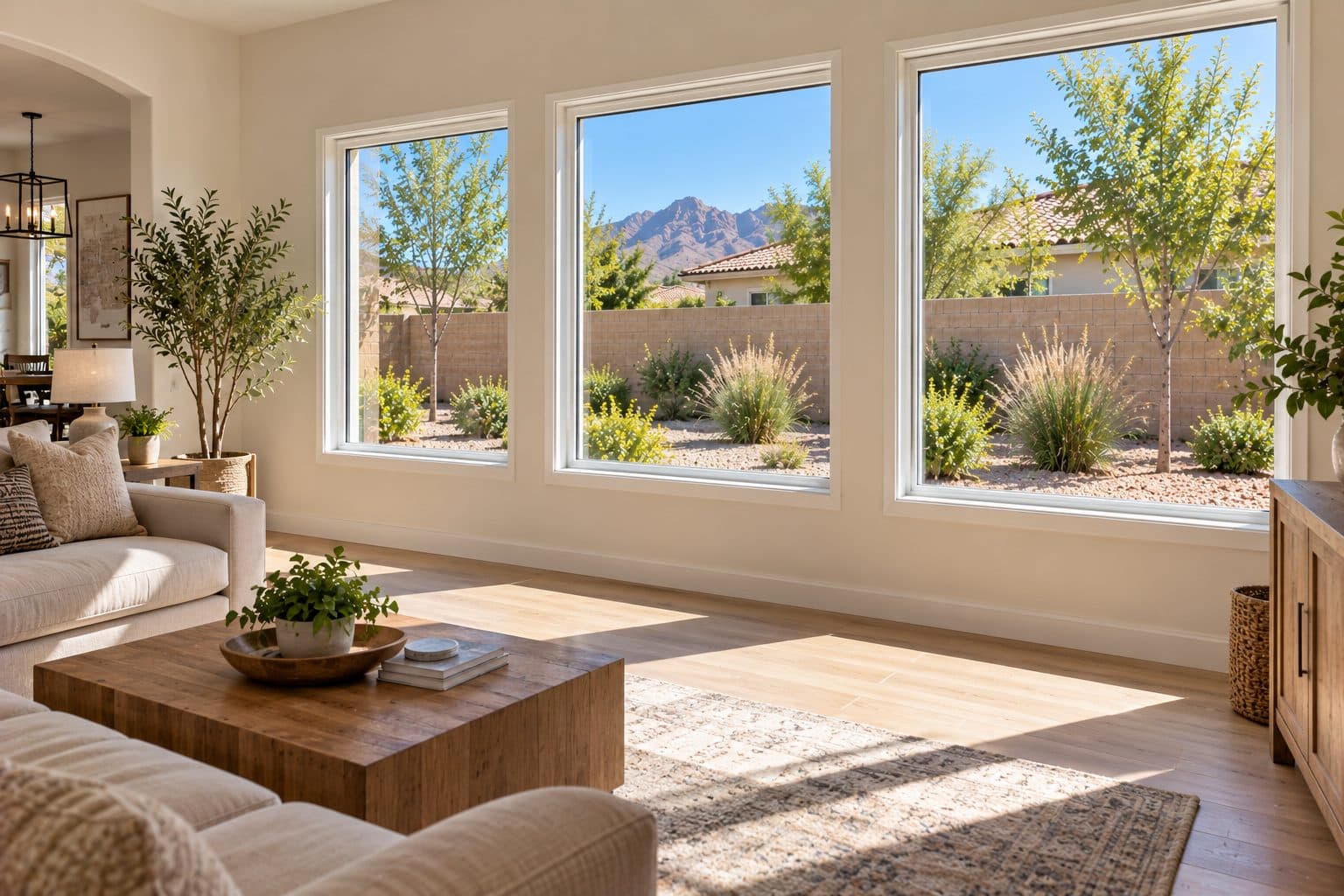
Picture windows remain fixed. They can frame a view without an operating sash dividing the opening, although large assemblies may still need frame divisions. Choose them where opening the window is unnecessary or where another suitable opening provides the required function.
Architectural and custom windows address geometry: an arch, circle, angled top or coordinated shape arrangement. They are a separate selection task from a rectangular picture window. A nonstandard shape needs careful dimensioning, proportion review and a realistic cleaning plan.
Windows that project beyond the wall
Bay and bow windows create a projecting arrangement of multiple windows. A bay usually has more defined changes of angle; a bow forms a gentler arc. Their selection includes the top, underside, support and interior finish, as well as the individual windows.
A garden window is a smaller glazed projection often considered for a kitchen display area. Shelf use, sun exposure, cleaning access and the assembly's specific installation requirements become central decisions. A garden window should not be selected as an automatic substitute for a larger bay.
how we install
The Part Behind the Glass

Measured before anything is ordered
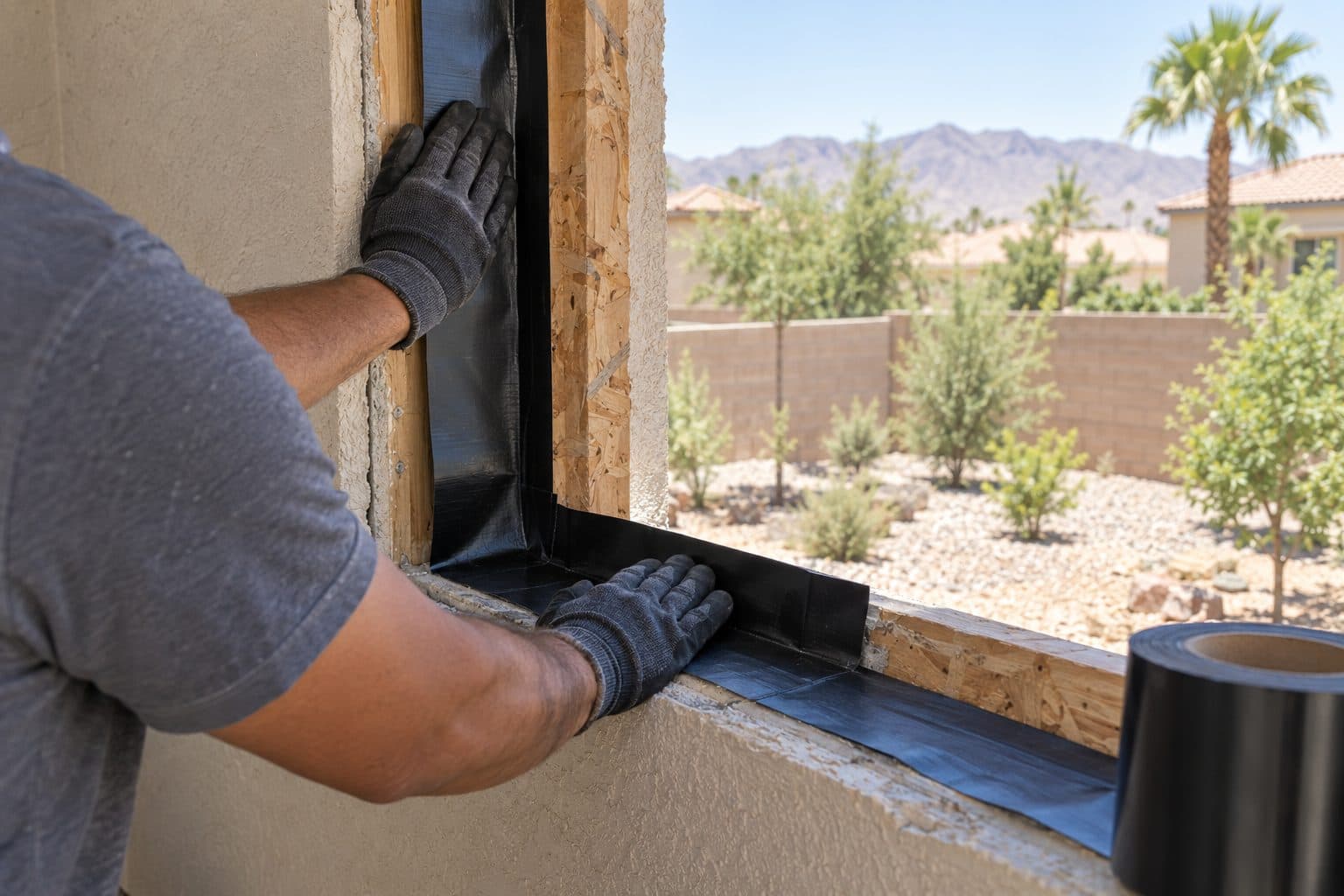
Flashed so water has a way out
Window style selector
Use three independent filters: the opening's required function, the space its movement can occupy and the tasks you need to perform. A style that passes one filter may still have an unresolved issue in another.
| Filter | Decision it can support | What remains separate |
|---|---|---|
| Ventilation required | Fixed-only glass conflicts with that requirement | Exact room and emergency-escape requirements |
| Outward projection unacceptable | An outward-moving sash conflicts with that answer | Reach to a remaining style's controls |
| Cleaning feature required | Verify the feature on the actual series | Safe access to every relevant surface |
| Measurements unavailable | Compare operating categories | Fit, clear opening and product size limits |
Consider a window above a deep counter beside an outside walkway. Ventilation is required and outward projection is unacceptable. Sliding or hung categories may remain after those filters, but the hard-to-reach lock is not automatically solved. The next check is the actual operator position and task at the planned installation height.
Likewise, a preference for an uninterrupted view does not establish that an existing bedroom operating window can become fixed. Preserve the room-specific requirement for review before treating the visual choice as approval.
For each remaining option, write one reason it may fit and one unanswered question. Check the manufacturer's actual operation, cleaning and screen features. A style label cannot establish them. Compare material and glass after the operating choice has a defensible place on the shortlist.
Compare the opening from both sides
Before choosing a category, look at the interior and exterior together. A bed may block a lifting sash. A planting bed may interfere with an outward-opening casement. An attractive fixed window may remove an opening the room needs. A new projection may affect a walkway or the relationship to an overhang.
Make a room list with three notes for each opening: what you want to see, how you want to operate it and what is nearby. Include the people who use the window most often. Ease of opening and cleaning should be judged from their perspective.
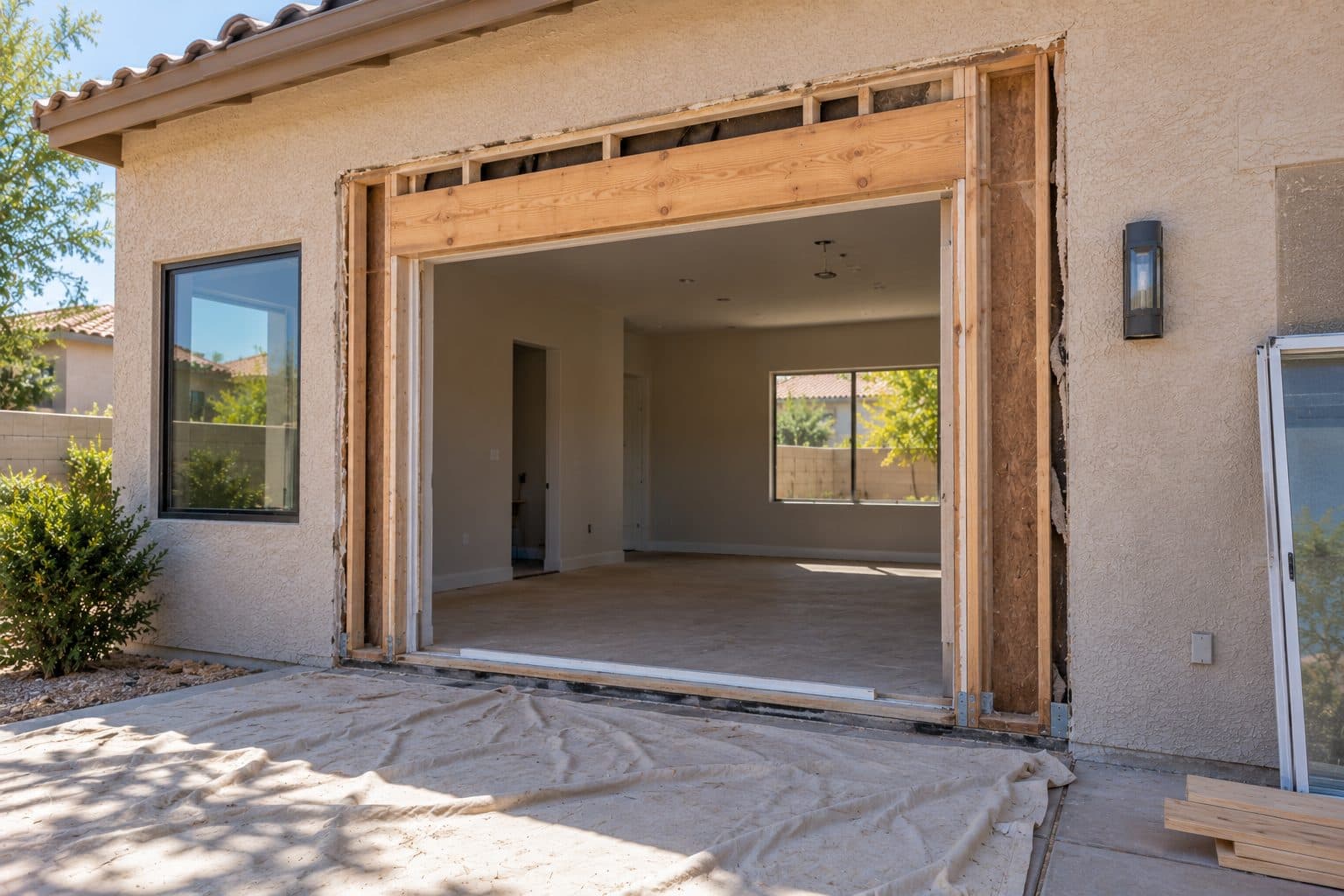
For a replacement, measure selection against the finished result. The existing wall opening, proposed frame size, visible glass and usable opening are different dimensions. A change of style must also be reviewed for applicable escape, safety and opening requirements; a familiar style name does not establish compliance.
Choose materials and glass after narrowing the style
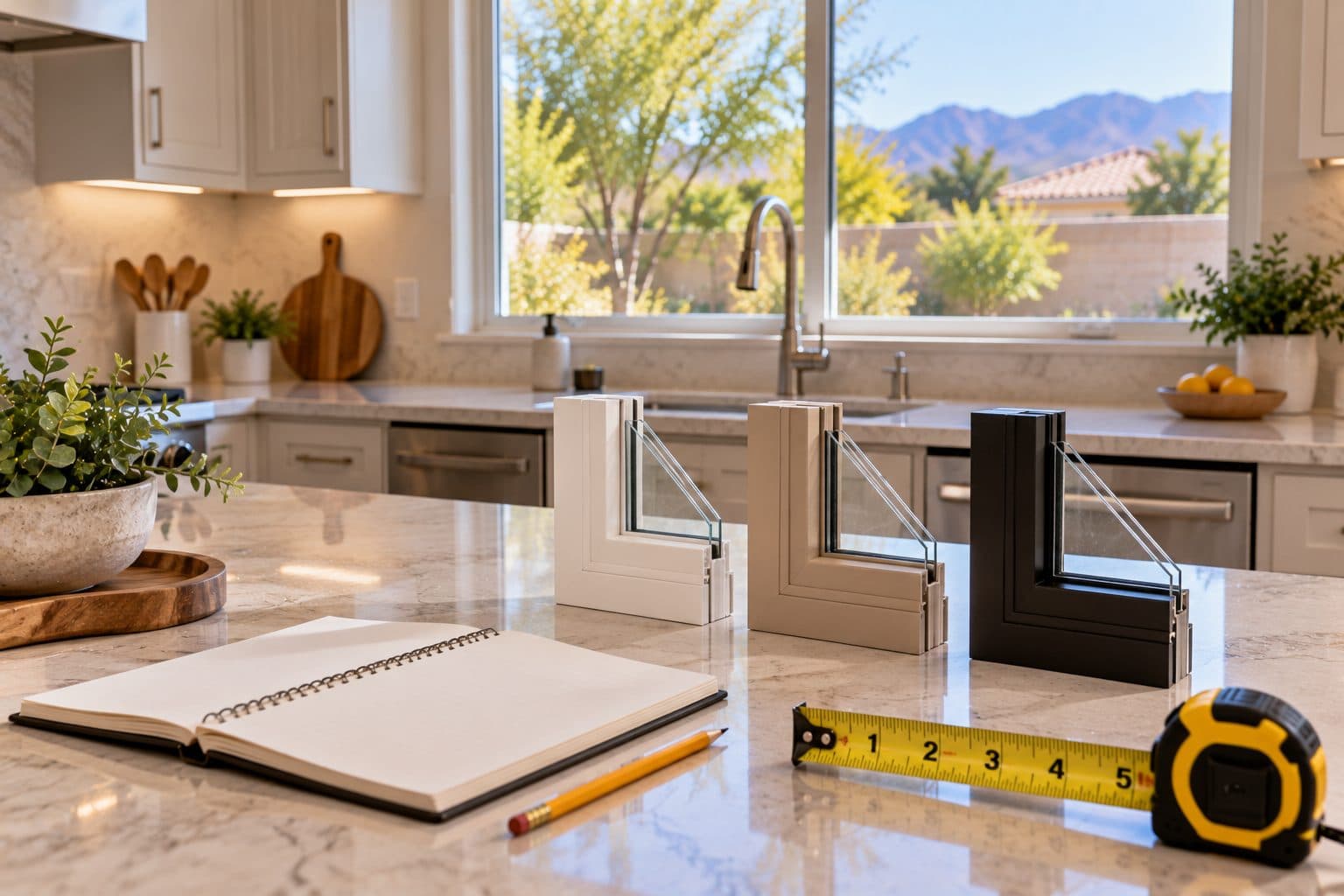
Vinyl, aluminum and fiberglass describe frame materials. Low-E and insulating-glass choices describe glazing features. Neither tells you how the sash moves. Avoid eliminating a useful style because it was shown in a material or color you did not like.
Once the operation is settled, compare a drawing and the exact product information, using the window buying guide as a checklist. That is the point to review frame width, exterior finish, glass appearance, energy ratings, screens and hardware. If your project includes several rooms, the best result may combine styles while keeping the visible design consistent.
things people ask us
Frequently Asked Questions
Can I use different window styles in the same house?
Yes. Different rooms can call for different operation. Coordinate frame profiles, colors, grid patterns and visible rail positions so the exterior still feels intentional. The final schedule should show each opening separately rather than assuming one style fits every room.
Where should I start if I only know my current windows are difficult to use?
Describe the task that is difficult: reaching a lock, lifting the sash, sliding it sideways or cleaning the outside. Include a photo showing furniture, counters and exterior obstructions. That makes a style discussion more useful than identifying the old window name alone.
What should I take away from the style selector?
Keep two plausible styles for each opening and the unresolved constraint for each. When you request a window estimate, the review should use actual product dimensions, control locations and room requirements to decide between them. A shortlist does not establish that a particular unit is available or appropriate.
Still have a question about your home?
Ask us directly. A quick description of the opening is enough.
go deeper
Guides Worth Reading Before You Call

Single-Hung vs Double-Hung
Single-hung vs double-hung windows: which sashes move, how each is cleaned, how much they open, and when the extra function is worth choosing.
Read the guide →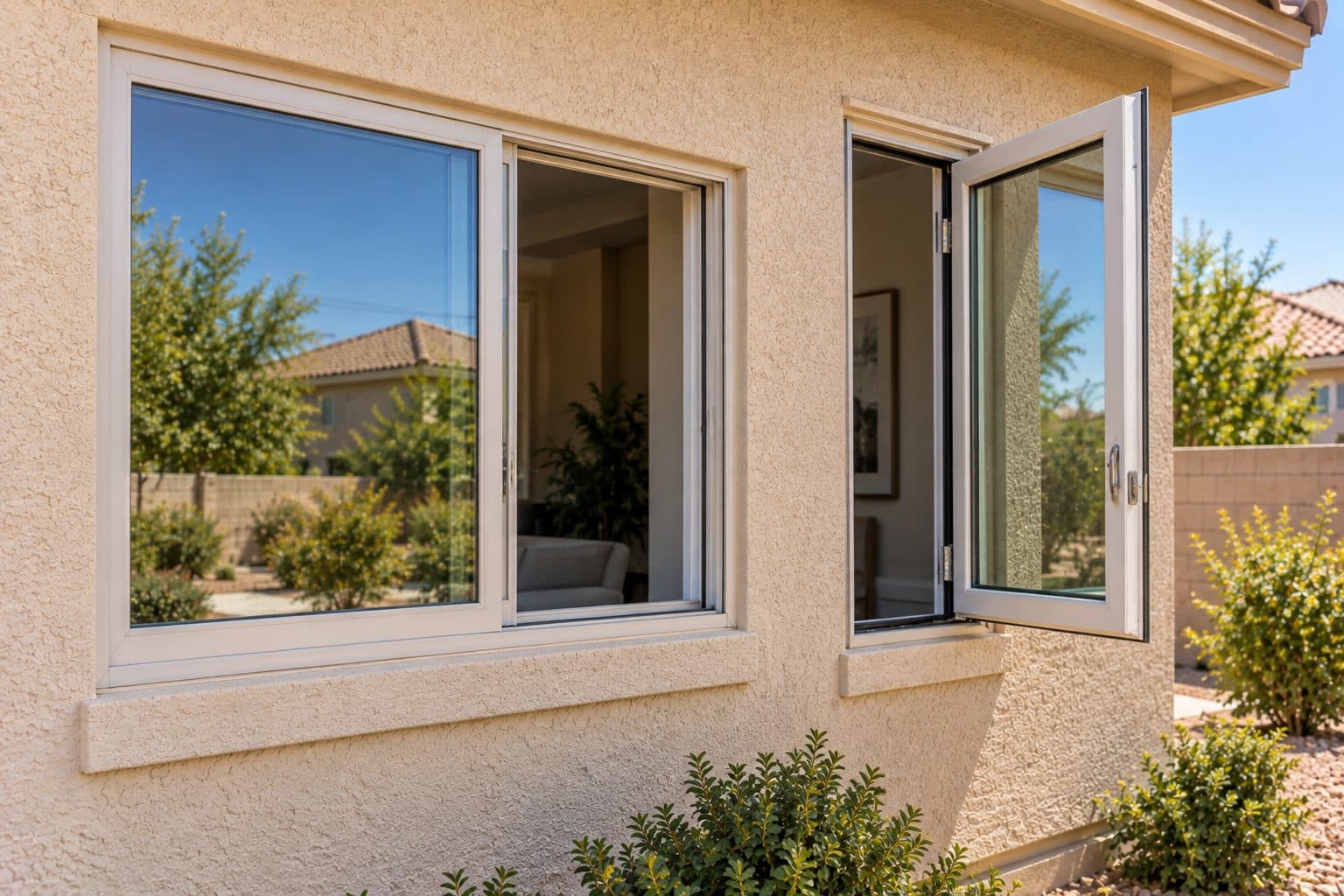
Sliding vs Casement Windows
Sliding vs casement windows: how each opens, the space each needs outside, which is easier to reach and clean, and how to choose one for each room.
Read the guide →keep going
Related Pages
- Window buying guide
How to choose replacement windows in Las Vegas: list what each room needs, pick a style, compare glass ratings and installation, then line up quotes.
Sources referenced on this page
Independent references linked in the text above. A manufacturer source explains a product concept; it does not mean Agave Windows supplies that brand.
- Window-style overview from Pella (pella.com)

ready when you are
Tell Us What You Want to Change
Tell us your location, the approximate number of openings, and what matters most to you. You do not need to arrive with a product already selected.
- Photos can follow once we reply; no measurements needed
- A written scope before anything is ordered
- Licensed, insured, and bonded
Request an Estimate