


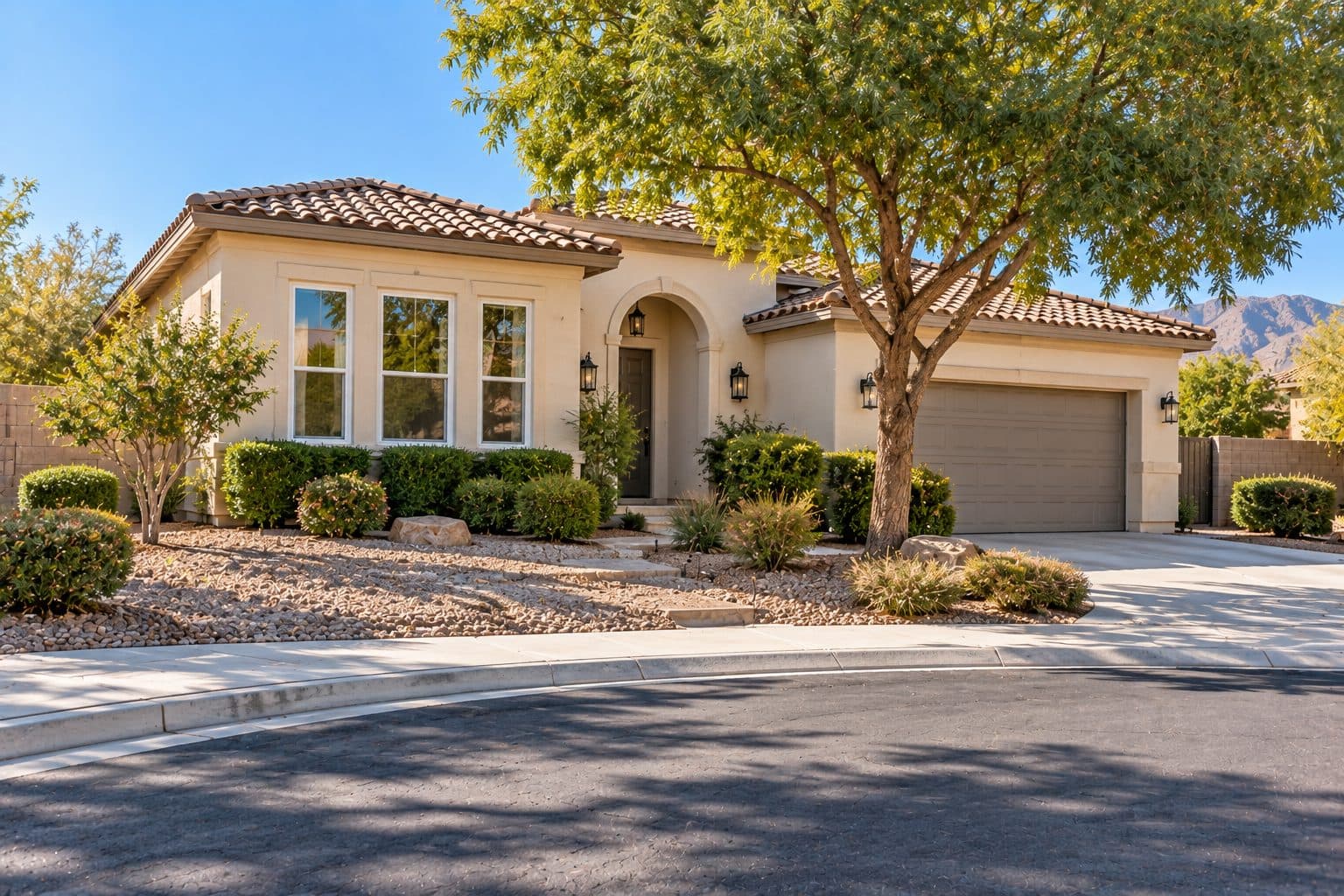
Casement Windows in Las Vegas
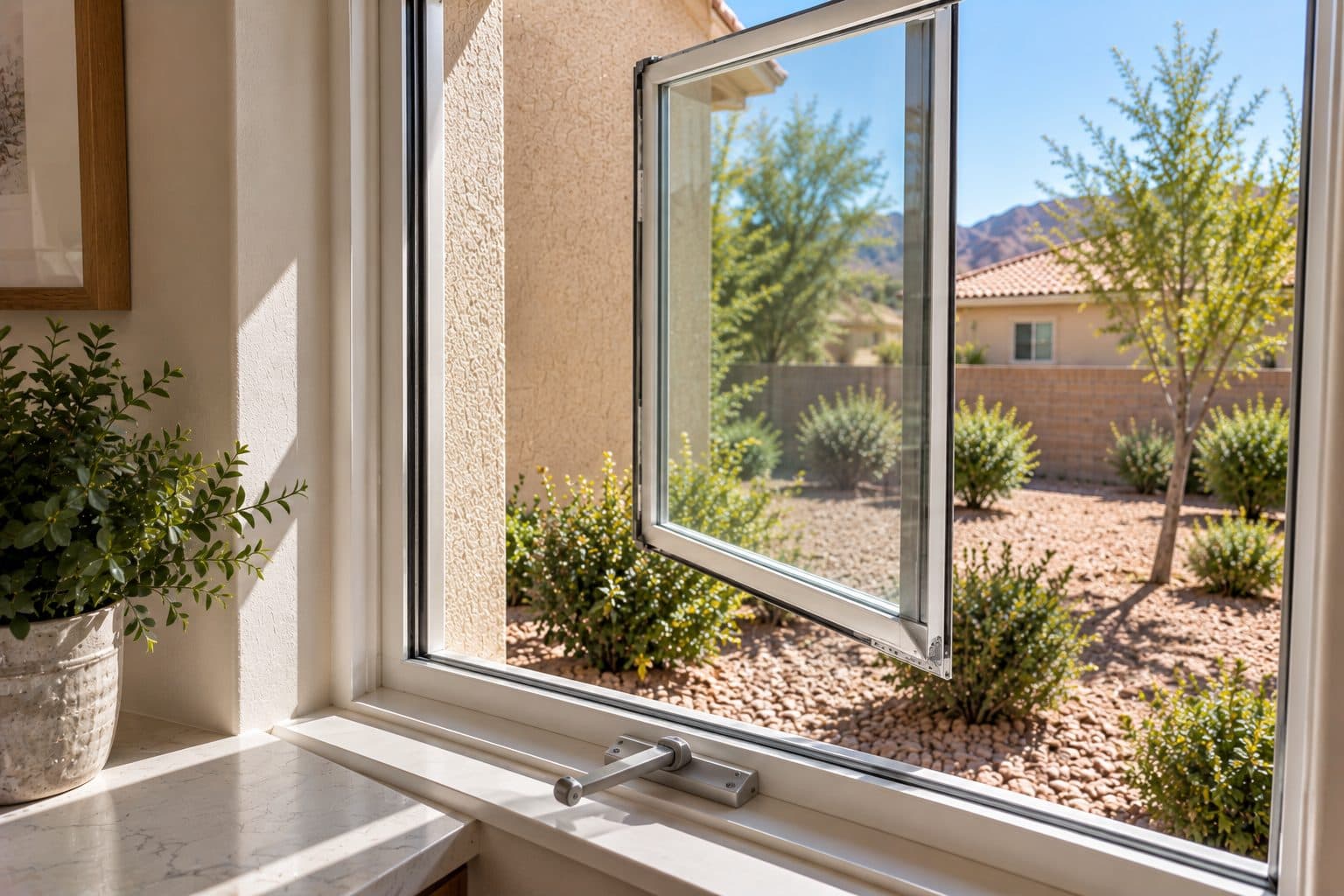
Casement windows open on side hinges, moving the sash outward from the frame. Among the common window styles, that movement can create a useful opening while keeping a simple glass outline when the window is closed. It also makes the outside space part of the selection: the sash needs room to travel safely and conveniently.
Agave Windows helps Las Vegas homeowners plan casement replacement windows around the room and the exterior together. We review opening direction, hardware reach, nearby obstacles and the glass package before turning the preferred style into a defined installation proposal.
- Licensed, insured, bonded
- Written scope before ordering
- Las Vegas valley
The short version
A casement window is hinged at the side and swings outward, commonly with a crank. It needs clear space outside, so check walkways and patios, and confirm you can reach both the crank and the lock.
01 of 11
Start with the direction the sash should open
A casement can be hinged on one side or the other, subject to the selected product. The choice affects the way you reach the window, the view through the open sash and its relationship to adjacent openings. It should be shown on a drawing rather than left as an informal left or right instruction.
Ask the proposal to identify the viewing direction used for handing. A manufacturer may describe operation from a different side than the homeowner naturally uses. An elevation with a hinge mark and opening direction is easier to verify than a short label with no reference view.
For paired casements, consider how the two sashes relate when open. The arrangement may open away from the center or follow another supported configuration. Do not assume a photograph represents the same hinge relationship as the product being quoted.
how it works
Hinged at the side, swings outward
- 1
A crank pushes the sash out on side hinges; the whole opening ventilates
- 2
It needs clear space outside the wall for the swing
- 3
The screen sits on the room side
Illustration of the operating principle, not a drawing of a specific product.
at a glance
Casement Windows
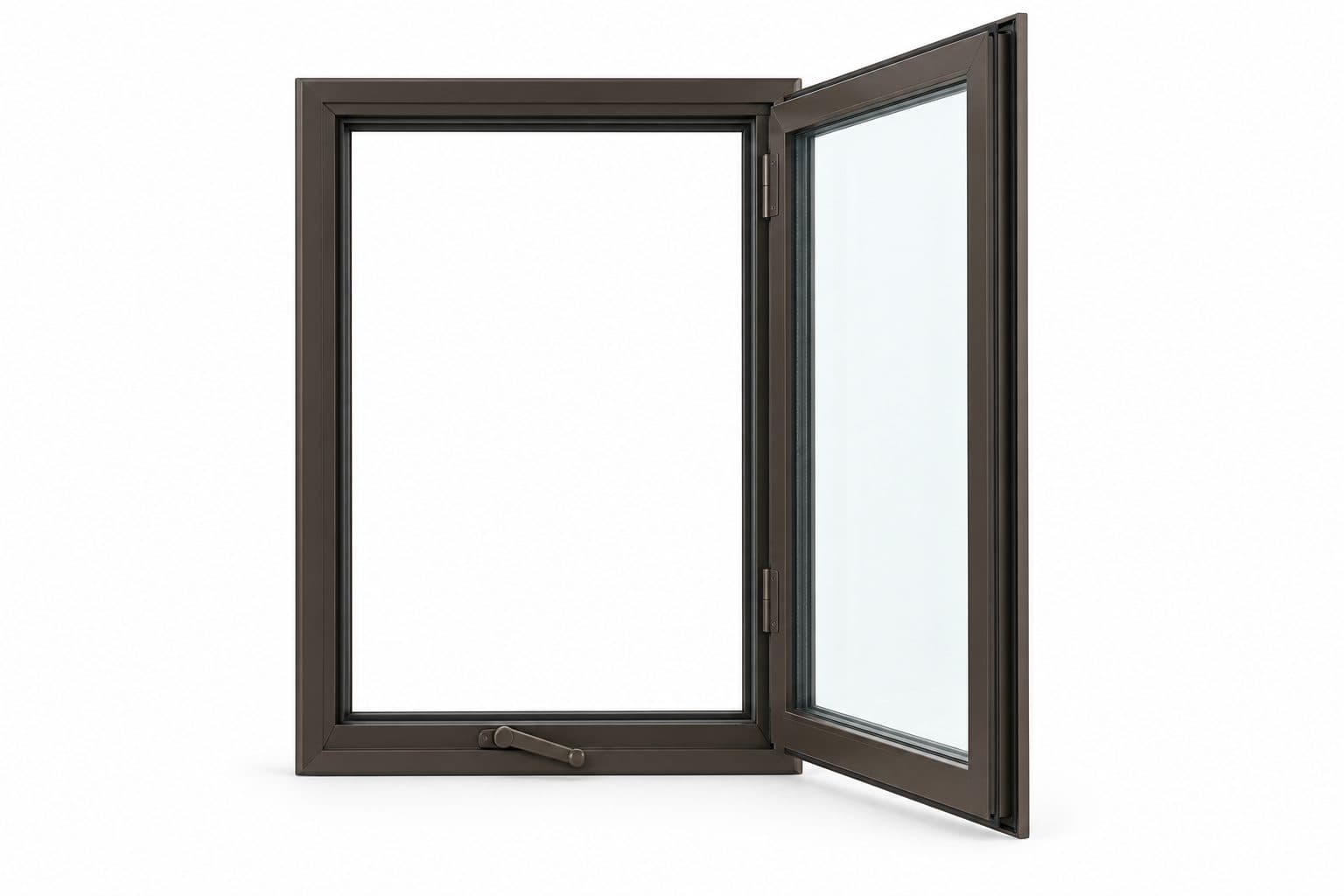
A casement window is hinged at the side and swings outward, commonly with a crank. It needs clear space outside, so check walkways and patios, and confirm you can reach both the crank and the lock.
- Measured on site before ordering
- Written scope with product and finish details
- Installed, sealed and reviewed with you
02 of 11
Review the whole swing envelope on a plan view
A front elevation shows the window closed. A plan view shows what happens when its sash projects into the outside space. Both are necessary beside a walkway, patio corner, hose station or another opening.
Start with the manufacturer's actual open-position information, including the hinges and operator. A simple door-like arc can explain the concept, but casement hardware may move the sash along a different path. Do not use a conceptual arc as the final clearance drawing.
Mark the finished wall face, recess, stucco returns and trim. Then add the usable outdoor space rather than only permanent construction. A chair pulled back from a table, an open gate or a stored hose can occupy space that appears empty in a photograph.
| Condition | Check in the proposed open position | Decision before ordering |
|---|---|---|
| Narrow walkway | Sash projection into the route | Change handing, configuration or style if unsuitable |
| Adjacent inside corner | Contact with the neighboring wall | Confirm actual hinge path and trim clearance |
| Paired casements | Both sashes open together | Verify supported handing and separation |
| Exterior shutter or screen accessory | Interaction through the movement | Use a compatible arrangement |
| Mature landscaping | Operating and maintenance space | Agree a realistic access plan |
In a hypothetical patio layout, a casement clears the wall but enters the space occupied by a chair when someone stands up. That is a layout conflict even though the product operates correctly. Moving the chair, selecting a different opening direction or choosing a sliding window that moves within its frame are different solutions; decide which fits the household before committing to the order.
Repeat the clearance review after selecting the final trim. A wider surround or deeper replacement recess can change the available space. The final check should describe the finished opening, not only the bare product dimensions.
four steps, in order
How a Project Runs
- 1
Tell us about the project
Send your location, the approximate number of openings, and what you want to improve.
- 2
Review the openings and options
We discuss your priorities and assess the details that affect product selection and installation.
- 3
Define the work in writing
The proposal identifies the products and agreed installation scope so you can understand what the project includes.
- 4
Install and review the result
At completion, we review the installed products, operation, visible finish, and care information with you.

03 of 11
Test the handle from the real working position
Casements commonly use a crank or another operator that moves the sash outward. The exact hardware varies. Reach can be favorable over some counters, but a style name does not establish that every control will be convenient in your kitchen or bathroom.
Measure the relationship between the sill, counter, faucet and usual standing position. Try a sample if available and ask how closely its size and glass weight match the proposed unit. Confirm that the operator is comfortable through its full motion and that the lock is reachable without leaning awkwardly.
Consider the closed position too. A protruding handle may interfere with an interior shutter or a tightly fitted blind. Some products offer different operator profiles, but availability must be checked. Window coverings and hardware should be selected together when their space overlaps.
04 of 11
Review the view with the sash closed and open
A single casement can have a simple glass area without the meeting rail of a hung window. Frame and sash widths still vary, and a larger composition may include a central mullion or fixed companion section. Ask for the actual visible-glass dimensions instead of assuming all casements maximize the view in the same way.
The open sash creates another visible plane outside. From a chair close to the window, you may notice that edge more than you do standing farther back. An opening-direction decision can therefore affect both operation and the experience of looking out.
For a combination with picture windows, compare frame profiles and the alignment of glass edges. An operable sash and a fixed unit can be coordinated without appearing identical. Show the whole elevation when reviewing proportions, especially where the group is prominent from the street.
how we install
The Part Behind the Glass

Measured before anything is ordered
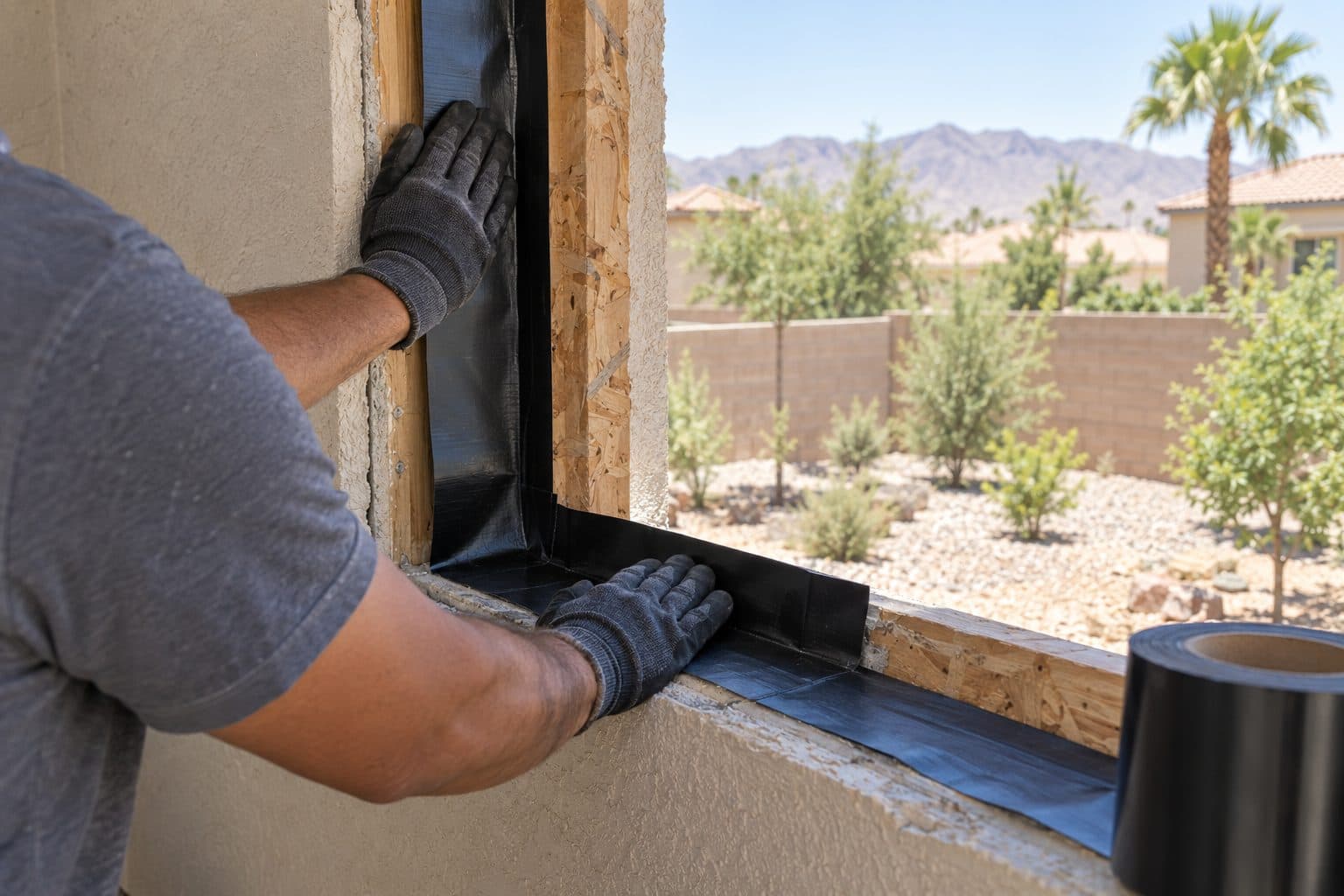
Flashed so water has a way out

Set level, plumb and shimmed
05 of 11
Make screens and cleaning access explicit
Screen placement and removal depend on the product. An interior screen can affect the indoor view and may need to be removed for certain cleaning tasks. Ask how it fits, how it is released and where it can be handled without damaging nearby trim or coverings.
Do not assume every casement permits the exterior glass to be cleaned from inside. Some designs provide particular cleaning positions or clearances; others may require outside access. Verify the actual feature and instructions before making it a reason for selection.
Cleaning around the open sash also needs room. If the window sits high on the wall or over a fixed counter, interior access can remain difficult even when the mechanism technically allows it. Plan for the household's practical ability to perform the task rather than relying on a brochure phrase.
06 of 11
Use ventilation realistically
A casement's open position can influence how it interacts with outdoor air, but the result depends on wind direction, other openings and the room. Avoid choosing a hinge direction on a promise that it will reliably capture a breeze or cool the house by a fixed amount.
Think about the conditions in which you expect to open the window. Outdoor dust, weather, noise and security preferences can affect how often it is used. An opening that is excellent for mild-weather ventilation may still spend most of the summer closed.
The product's operating guidance should govern use in wind and adverse weather. Do not leave a projecting sash exposed on the assumption that its normal opening stop is designed for every condition. If weather limits matter to your routine, ask for the applicable instructions before selecting the unit.
07 of 11
Check clear opening and safety at the actual size
An outward-swinging sash does not automatically establish a compliant escape opening. Hinges, operator arms, opening angle and frame dimensions can affect the clear space that remains. Request the manufacturer's relevant opening information for the proposed configuration.
A bedroom or another location with specific requirements needs review based on the property and installed arrangement. Total frame width is not the same as usable opening width. Also consider sill height and any added devices that could change operation.
If the initial product does not meet the room's needs, discuss another size, configuration or style, such as a top-hinged awning window, before ordering. Making that decision early is more useful than trying to solve a dimensional problem with an accessory after delivery.
08 of 11
Choose glass and seals through documented performance
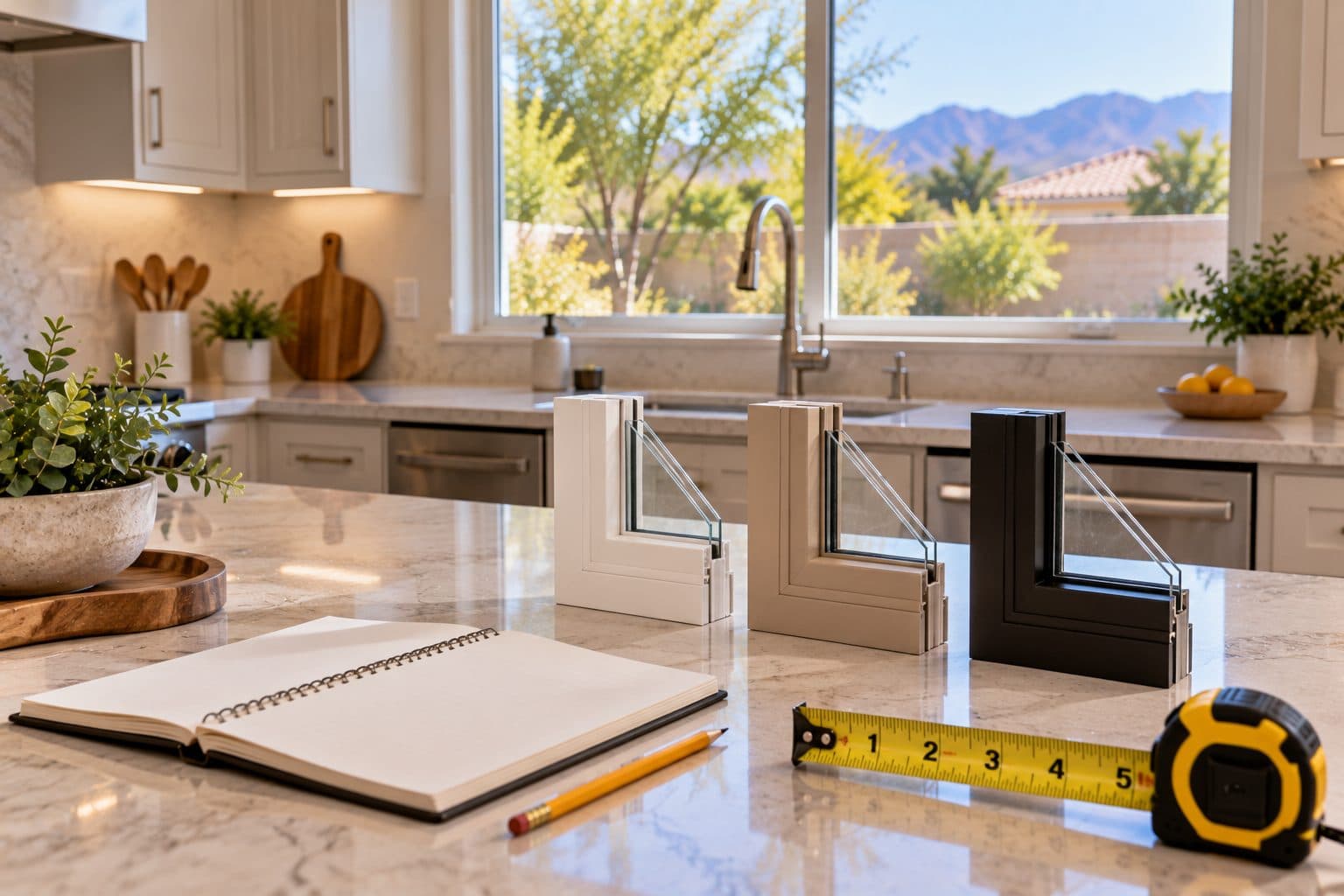
Casement operation alone is not a thermal specification. The complete window's ratings reflect the frame, glass and other assembly details. Ask for the exact product data, including U-factor and solar heat gain coefficient, along with the visible-transmittance information useful to your daylight goals. Our guide to window energy ratings explains each figure.
A window that closes against seals still depends on its construction, adjustment and installation. Do not substitute a broad claim about hinged windows for the tested data of the actual unit. If air leakage or outside noise is a main concern, request evidence appropriate to those questions separately.
For sunny openings, discuss how the glass will look as well as perform. A low solar-gain selection may be appropriate to the exposure, but matching nearby existing glass can add another constraint. Review samples or accurate product information before assuming two similarly named packages will appear identical.
09 of 11
Include the surrounding wall in the installation scope
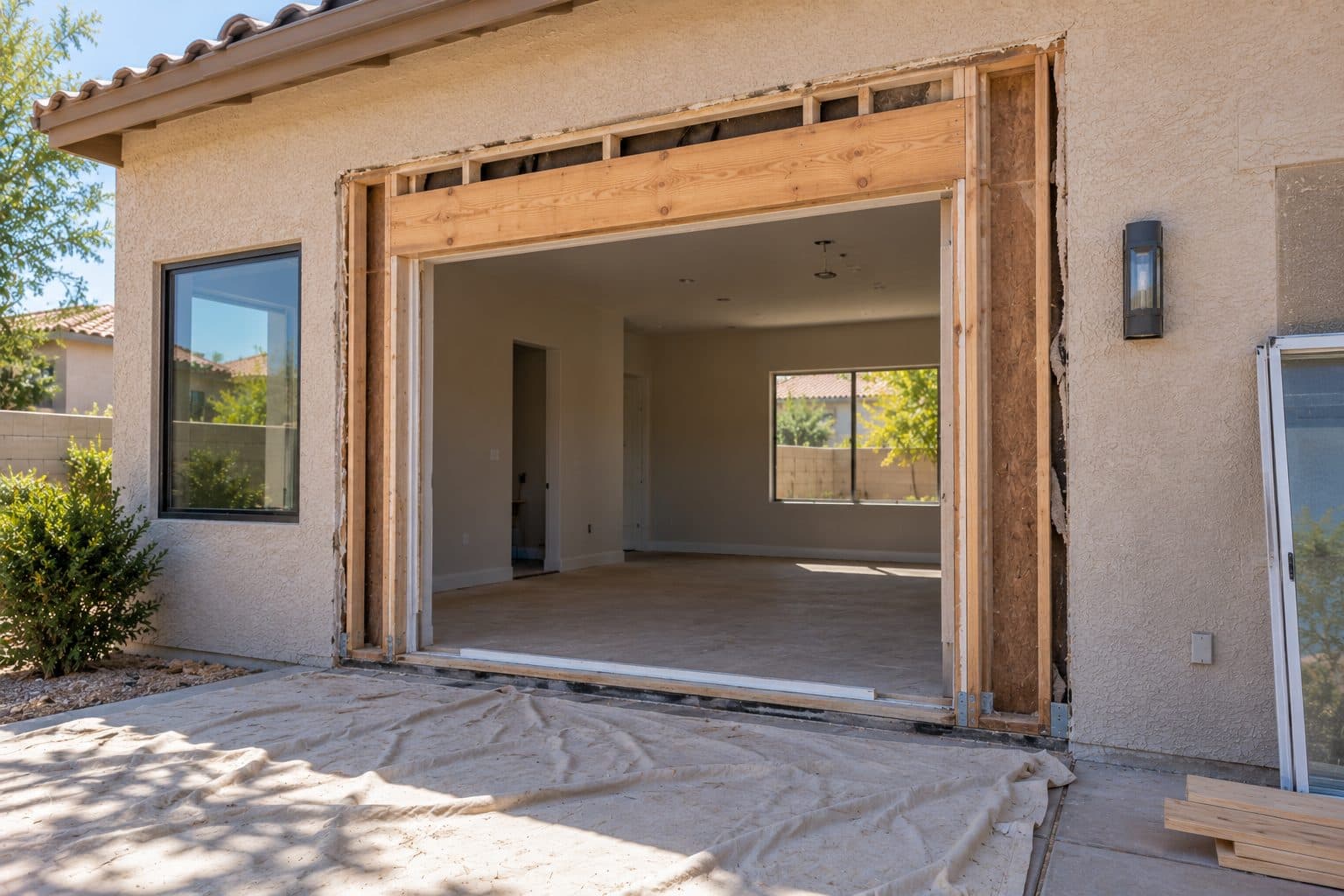
The proposed method should address the existing frame, opening condition and connection to the wall. Product-specific fastening, air sealing and water-management details matter alongside the visible trim. The sash must also have the clearance needed to operate after exterior finishing is complete.
Where stucco or trim projects near the window, check the finished relationship to the hinge side and open sash. A drawing of the bare unit may not show a conflict introduced by the final surround. Interior finishes should likewise leave access to locks, screen fittings and operators.
If changing from a slider or fixed window, clarify whether the existing opening can support the proposed casement without additional work. Any structural, finish or approval requirements belong in the project scope. The product choice and construction method should be resolved as one plan.
10 of 11
Distinguish the operator, lock and opening control
These parts can look like one hardware package while serving different jobs. The operator moves the sash. The lock secures the closed window according to its design. An opening-control accessory, when specified, changes the allowed movement or release sequence. A cleaning provision may introduce another distinct procedure.
Pella's casement overview shows that even the method of opening can vary among product types. Confirm the actual hardware rather than promising every casement will have the same crank or push-out operation.
At a demonstration, reach the operator and lock separately. Someone may comfortably turn a low handle but struggle to reach a lock placed higher on the frame. Test the full operating motion beside a representation of the faucet or shutter that will remain. Check the handle's stored position as well as its working position.
If the sash becomes difficult to close, do not use the operator as a way to force an unexplained obstruction into place. Record whether the problem occurs through travel, at the final seating position or when locking, then seek a product-appropriate window repair assessment. Those observations identify the task that fails without pretending to diagnose the hardware remotely.
Keep hardware names and finish choices in the order schedule. A substituted operator should trigger another reach and window-covering check, even if the window's frame and glass remain unchanged.
11 of 11
Approve a casement schedule you can check
When you request an estimate, the schedule for each opening should identify the product, dimensions, hinge direction, glass, finish, screen and selected hardware. Note the interior reference view so the operating direction remains unambiguous. Include required accessories and any unresolved review item before approval.
At the walkthrough, open and close each sash, engage the locks and review the screen and care instructions. Confirm that the installed swing clears the surroundings and that window coverings work as planned. Those simple demonstrations connect the drawing to the way the room will be used.
things people ask us
Frequently Asked Questions
Can a casement window go over a kitchen sink?
It may be practical if the operator and lock are comfortably reachable and the sash has clear space outside. Check the counter depth, faucet, window coverings and actual hardware position. A sample demonstration is most useful when it reflects those conditions.
Can I choose the hinge side?
The available handing options depend on the product. State the preferred direction on an elevation and confirm whether the drawing is viewed from inside or outside. Do not rely on an unexplained left-hand or right-hand label when approving the order.
Are casement windows always more energy efficient than sliders?
No universal result follows from the style, as our sliding versus casement comparison explains. Compare the documented whole-product ratings of the actual units, at the relevant configuration and glass package. Installation and opening condition also matter to the finished result.
Will an open casement interfere with my patio?
It can if its swing enters a path, seating area or other occupied space. Review the fully open sash position with the actual patio layout before selecting the unit. A within-frame sliding style may deserve consideration where exterior clearance is limited.
Can I clean the outside glass from inside?
That depends on the selected hinge and sash design, installed access and manufacturer instructions. Ask for the exact cleaning feature and demonstration. Do not assume all casements provide the same access or that a high window becomes easy to clean because it opens.
Why check the operator and lock separately?
A reachable crank does not prove that a separate lock is reachable. Test both from the actual standing position, including counter depth and coverings. If either task is awkward, resolve the hardware or layout before choosing the unit.
Still have a question about your home?
Ask us directly. A quick description of the opening is enough.
keep going
Related Pages
- Sliding versus casement windows
Sliding vs casement windows: how each opens, the space each needs outside, which is easier to reach and clean, and how to choose one for each room.
- Awning windows
Awning windows in Las Vegas hinge at the top and open outward from the bottom. They can suit bathrooms and spots above counters if you can reach the handle.
- Picture windows
Picture windows in Las Vegas frame a view with fixed glass that does not open. Plan sightlines, sun control, cleaning access and nearby windows that vent.
- Window energy ratings
U-factor and SHGC explained in plain terms: what each window energy rating measures, how to read an NFRC label, and which numbers to compare on a quote.
- Window styles
Compare window styles for your Las Vegas home: sliding, single-hung, double-hung, casement, awning, picture, bay and bow. Find the right fit for each room.
Sources referenced on this page
Independent references linked in the text above. A manufacturer source explains a product concept; it does not mean Agave Windows supplies that brand.
- Pella's casement overview (pella.com)

ready when you are
Request a Casement Window Estimate
Tell us your location, the approximate number of openings, and what matters most to you. You do not need to arrive with a product already selected.
- Photos can follow once we reply; no measurements needed
- A written scope before anything is ordered
- Licensed, insured, and bonded
Request an Estimate