


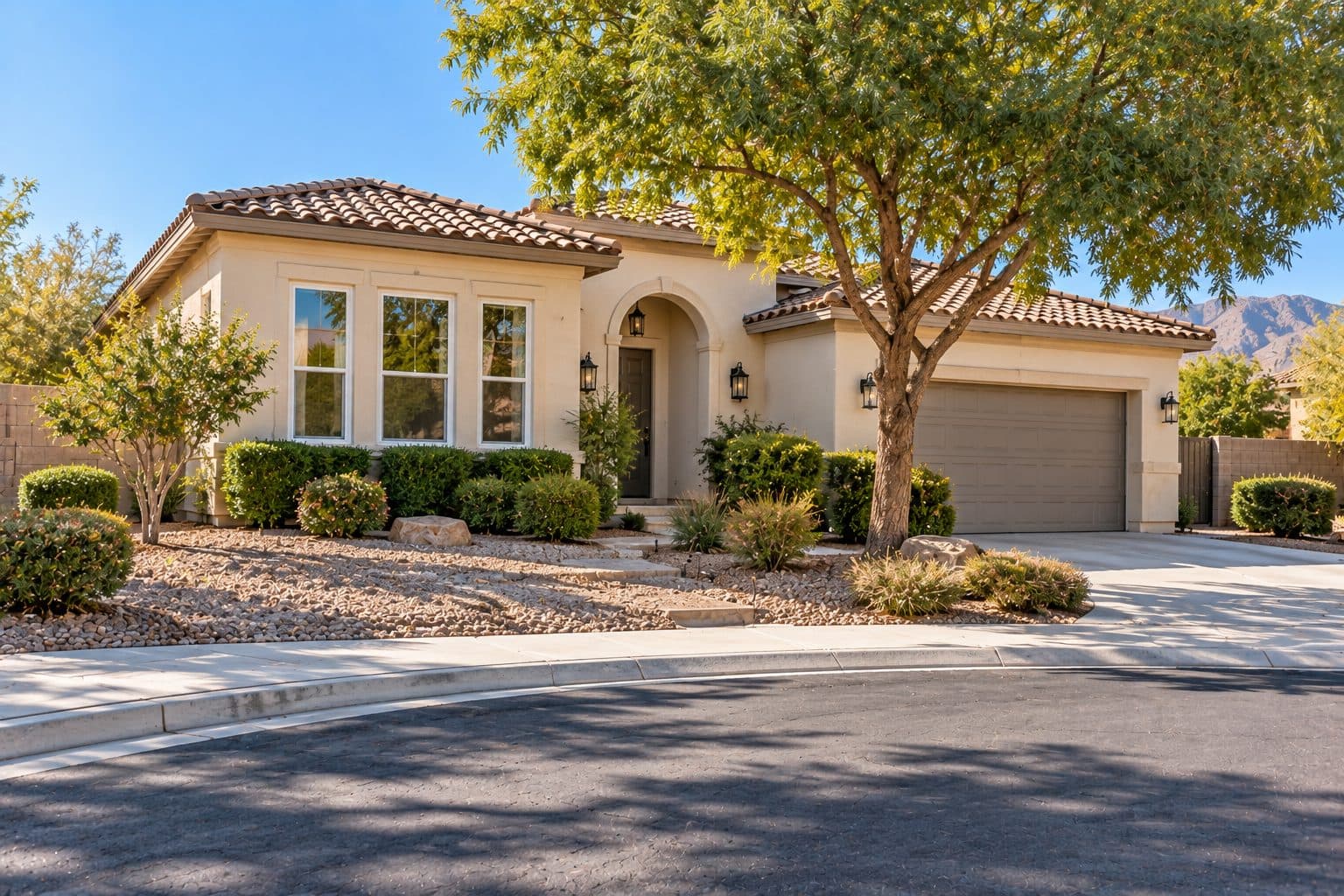
- City of North Las Vegas
Windows and Doors in North Las Vegas
If you are replacing windows or doors in North Las Vegas, start with a clear record of what needs attention. One difficult patio door, a group of sun-exposed windows and an entire house of aging units call for different scopes. Agave Windows helps connect the products you choose with the conditions and finish work at each opening.
You do not need a finished specification to begin. Tell us where the home is, what is no longer working for you and whether the opening sizes will stay the same. We can confirm coverage (see our Las Vegas Valley service areas) and the information needed to develop a useful proposal.
- Licensed, insured, bonded
- Written scope before ordering
- Las Vegas valley
The short version
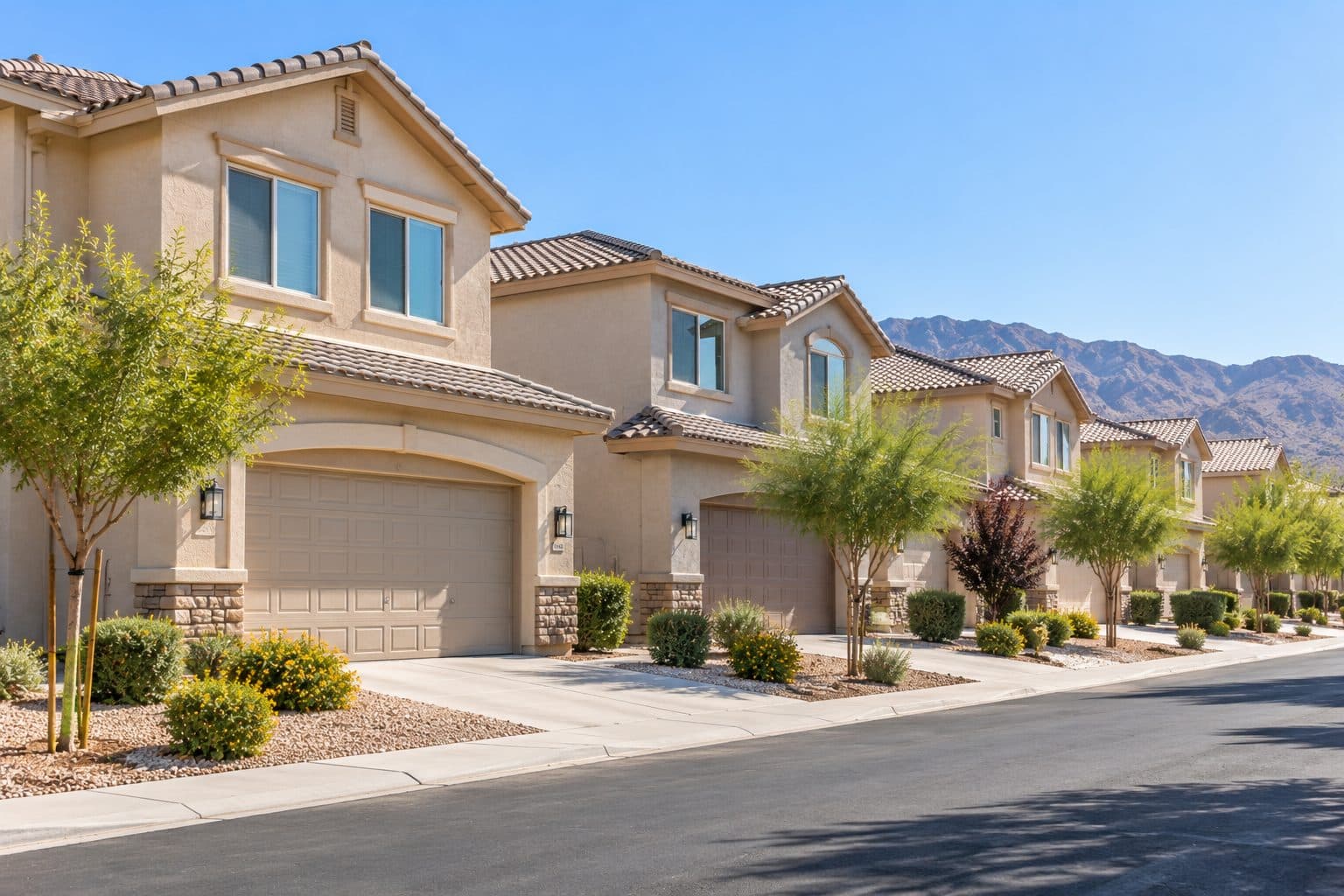
Agave Windows replaces windows and doors in North Las Vegas. The city runs its own building department, separate from the City of Las Vegas, so confirm the jurisdiction for your address before relying on any permit answer.
01 of 09
Use the North Las Vegas Record for the Correct Stage
North Las Vegas is a distinct municipality with its own building department. Confirm that the property is within its jurisdiction before using its process; an informal description of the north part of the valley is not enough. The city's Permit Application Center links separately to online permit requests and its Citizen Self-Service portal for inspection scheduling.
That distinction matters after a permit question has been answered. A submitted request, an issued permit, a scheduled inspection and a completed inspection are different states. Record the status that actually exists instead of treating a portal screenshot as proof that every approval step is complete.
| Project stage | Useful question |
|---|---|
| Scope inquiry | Does the response cover the actual opening and proposed change? |
| Application | Who submits the documents and responds to questions? |
| Issuance, where required | What conditions and inspection steps apply to this work? |
| Installation | Which work must remain available for the required review? |
| Completion | Is there a documented final status or an outstanding item? |
The city's inspection guidance provides its current scheduling route. Use the live official instructions when that stage is reached. Do not infer an appointment or result from a general website description.
Keep the permit scope connected to the opening schedule. If a proposal changes from same-size replacement to a wider patio opening, confirm whether the existing application or decision covers that revision. Association requirements, if applicable, still need their own record.
The written agreement should identify responsibility for applications, fees, required access and inspection coordination. This local planning sequence does not establish that every replacement requires a permit or that any particular project is exempt. The window and door permit planning guide covers the general questions to ask.
02 of 09
Sort the Symptom Before Choosing the Scope
An observed problem is a starting point, not a product order. Our guide to the signs that windows need replacement describes the common ones. Describe where it occurs, when it occurs and what still works. A close-up can document the symptom; a wider photograph shows the surrounding opening that may affect the assessment.
| Observation | Useful distinction | Decision it helps resolve |
|---|---|---|
| Glass looks foggy | Wipeable surface moisture versus moisture apparently between panes | Whether the concern is environmental, glass-related or still uncertain |
| Panel is difficult to move | Movement, lock alignment and visible obstruction are separate observations | Whether the mechanism, product fit or opening needs assessment |
| Staining appears below a frame | Timing during rain versus another moisture pattern | Whether the product and surrounding construction must both be investigated |
| Frame finish is worn | Appearance versus deterioration of the underlying component | Whether the goal is cosmetic, functional or both |
| Several units differ | Each opening's condition and replacement history | Whether one common scope is justified |
Do not dismantle, force or modify a window to complete this record. If a sash or door cannot be used safely, describe that limitation and seek appropriate assistance. The purpose is to improve the assessment, not to turn the homeowner into a technician.
A hypothetical house may have one unit with between-pane haze, another with damaged trim and a third selected only for a different exterior color. Those concerns need not lead to identical work. A complete-replacement recommendation should explain why the condition and intended result justify it at each opening.
Prioritize the assessment around reliable closure, safe use and observed damage before optional appearance changes. Then distinguish the essential work from choices that can be phased. This makes a North Las Vegas proposal more useful than a count of windows paired with a blanket replacement recommendation.
four steps, in order
How a Project Runs
- 1
Tell us about the project
Send your location, the approximate number of openings, and what you want to improve.
- 2
Review the openings and options
We discuss your priorities and assess the details that affect product selection and installation.
- 3
Define the work in writing
The proposal identifies the products and agreed installation scope so you can understand what the project includes.
- 4
Install and review the result
At completion, we review the installed products, operation, visible finish, and care information with you.

03 of 09
Make Every Opening Identifiable
An opening schedule is a simple way to prevent confusion in a multi-window replacement project. Label each location and record whether it stays the same size, changes operation or receives a different glass option. The label should also appear on the proposal and final product schedule.
Include a wider photograph that shows the opening in the room, not only a close-up of the problem. Nearby shutters, counters, built-ins, flooring and exterior features can affect access or finishing. A second view from outside helps show the wall conditions and the appearance you want to preserve.
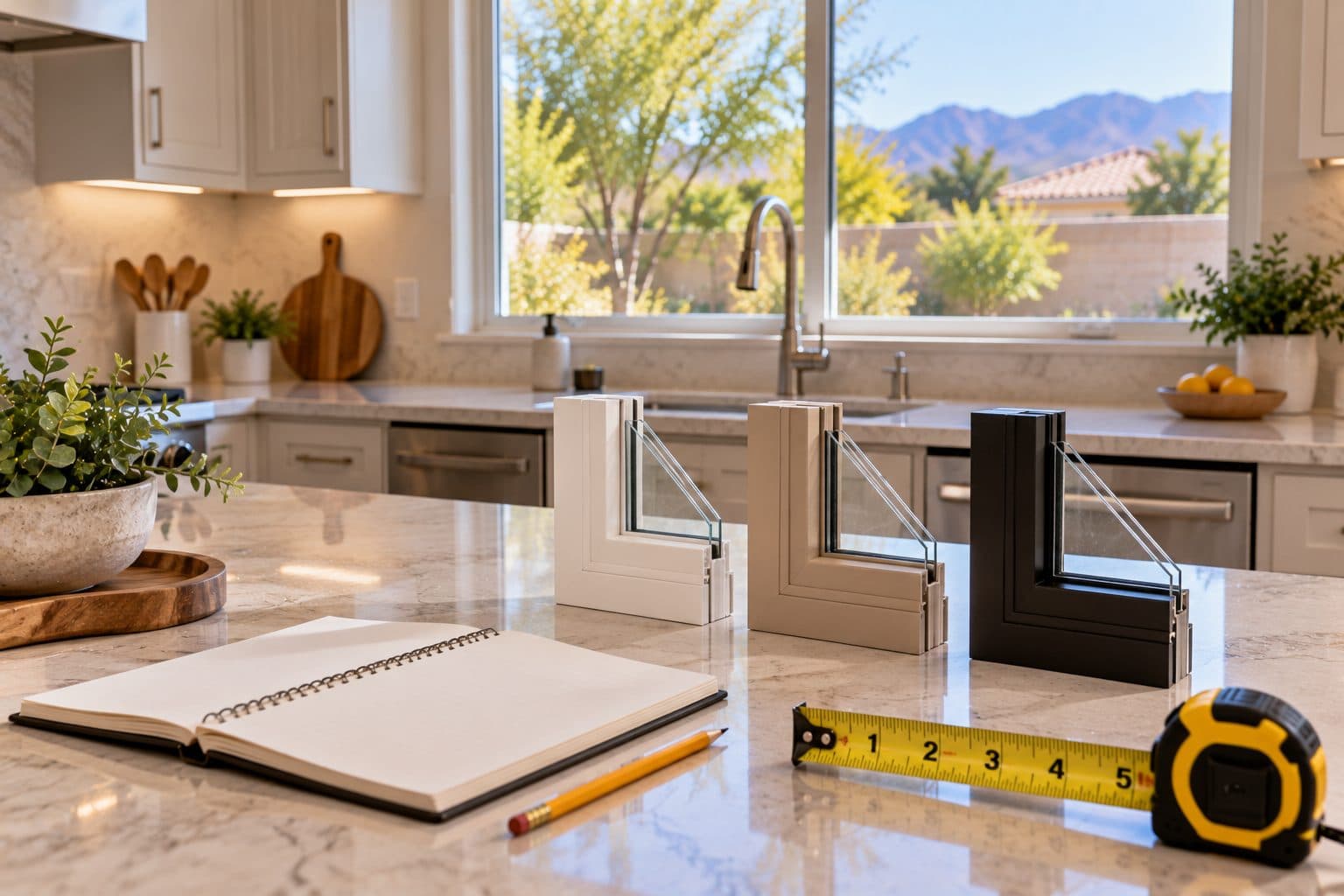
Professional measurements establish the ordering dimensions. Homeowner measurements are useful for early discussion but should not be treated as final manufacturing instructions. Ask when dimensions are verified and what must be resolved before products are released for production.
04 of 09
Compare Performance Without Relying on a Material Label
The glass and complete product configuration matter when selecting for comfort. Consider direct sun, shade and the times you use the room. A window beside a desk may need attention to glare and daylight as well as solar heat, while another opening may have substantial exterior shade.
Use the actual product ratings to compare alternatives. Lower U-factor indicates less heat transfer, lower SHGC indicates less admitted solar heat, and visible transmittance describes daylight transmission. These measurements address different questions. Ask for them together instead of treating pane count or the word efficient as a complete specification. NFRC consumer information
Installation and the surrounding building also influence the result. A product rating does not measure every air path through an existing house. Explain what you want to improve and ask how the proposed assembly addresses that concern, with realistic limits on any comfort or utility-use expectation.
Where a quote offers multiple glass packages, compare their exact names and ratings against the same opening. Also review appearance, privacy and any difference between glass on adjacent units. This makes the upgrade discussion more concrete than choosing a package by marketing label.
how we install
The Part Behind the Glass

Measured before anything is ordered
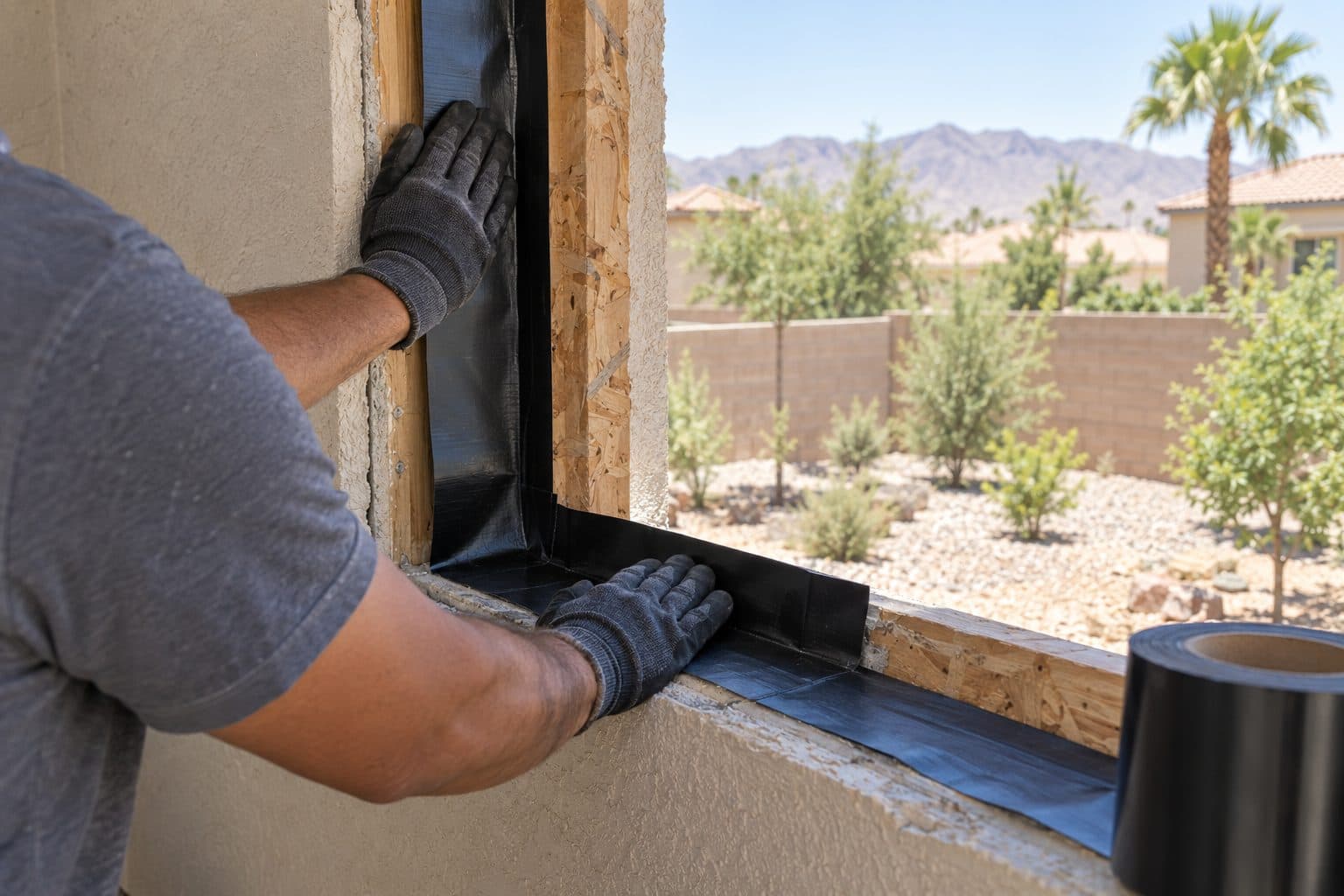
Flashed so water has a way out

Set level, plumb and shimmed
05 of 09
Treat Door Operation as Part of the Layout
At a replacement patio door, decide which side should provide everyday passage. Consider the route from the kitchen, furniture near the opening and where the screen operates. A replacement can feel different even when its overall size is similar if the active panel or handle location changes.
For a front entry door, look at swing clearance, hardware use and the way the threshold meets existing flooring. If sidelights or adjacent glass remain, confirm how the new components will meet them. A door leaf, a prehung unit and a complete entrance replacement are different scopes.
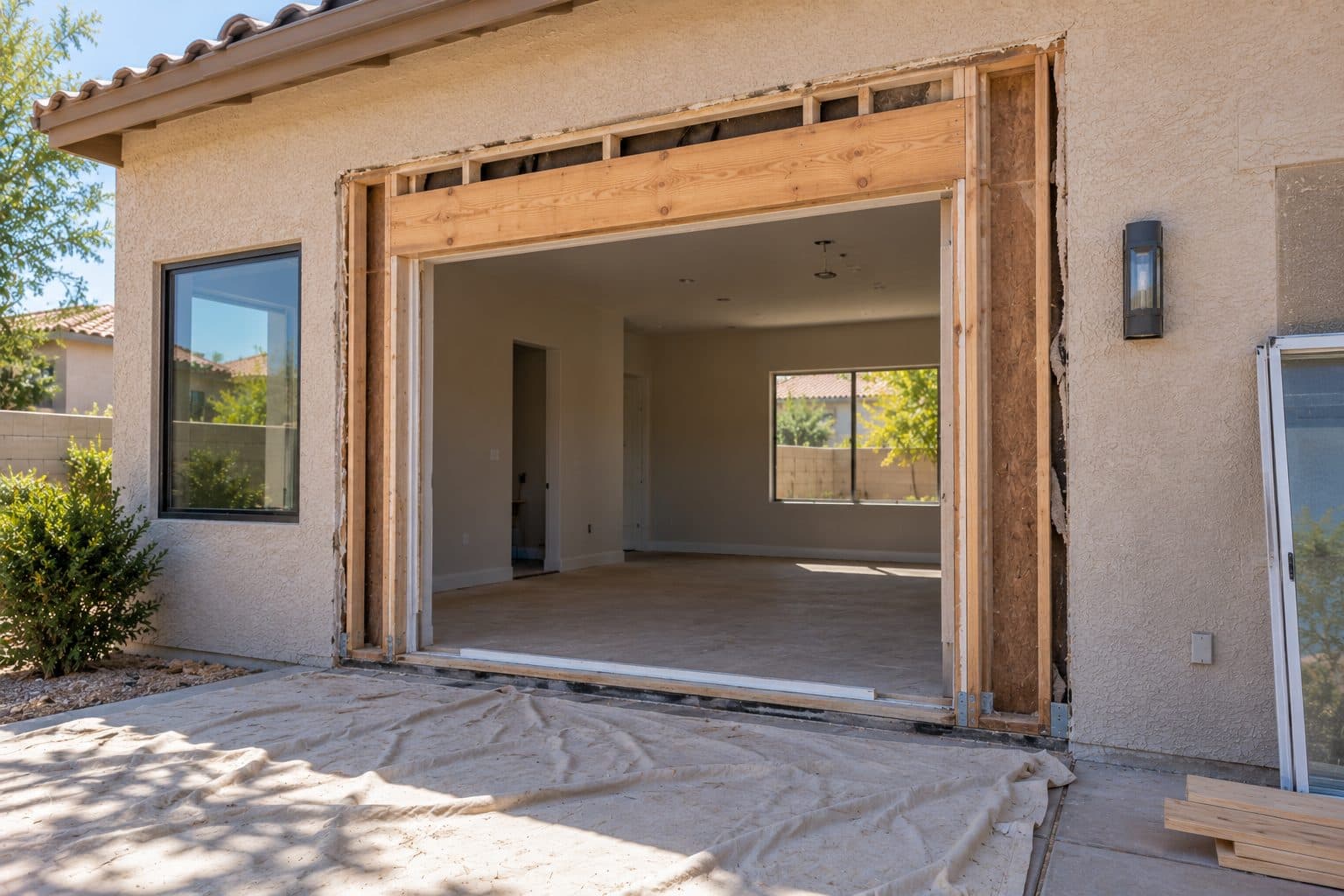
If the goal is a larger opening, identify that request before comparing standard replacements. Wall support, utilities, exterior landing conditions and finish restoration may need further assessment. The new glass system should be chosen within a feasible construction plan.
06 of 09
Understand What the Installation Will Disturb
Ask the proposal to describe retained and removed components. Keeping part of the existing frame can have different implications for visible borders and finish disturbance than full-frame removal. The appropriate method depends on the existing condition and selected product instructions.
Interior trim, drywall returns, exterior stucco and paint should have explicit finish boundaries. A phrase such as installation included does not tell you whether repainting, texture matching or repairing adjacent surfaces is part of the price. Ask for those details before comparing totals.
Water management deserves its own explanation. Openings interrupt the wall drainage plane, and the installation must coordinate with that assembly. Designed drainage routes should remain functional. The visible sealant line is only one part of the detail. DOE window and door flashing guidance
If removal exposes an unexpected condition, there should be a documented way to review it. Establish who explains the finding, how additional work is priced and when authorization is required. This protects the usefulness of the original scope without pretending concealed conditions are always known in advance.
07 of 09
Compare a Complete Project With a First Phase
A phased plan should identify what remains and how the first replacements relate to it. Grouping by elevation may support a consistent appearance. Grouping by room use may reduce disruption. Grouping by condition may address the most pressing concerns first.
Ask which costs or activities are repeated across phases and which selections need early coordination. Do not assume that a later order will always have the same finish or series available. Keep the product record from the first phase and revisit availability before relying on an exact future match.
For either scope, separate the quoted product from removal, disposal, installation, finishing and applicable approval work. The differences between two proposals should be understandable without needing to infer what a short line item leaves out.
08 of 09
Plan the Appointment Around Access
Tell us about gate procedures, parked vehicles, pets and rooms that need special coordination. Large units may need a handling route that differs from the path people ordinarily use. Identify narrow side access, steps or other physical restrictions during the assessment. The window installation preparation guide covers the household side.
Ask how ordering, delivery and installation will be coordinated. Product lead time is separate from the time spent at your home. Approval or finish-work dependencies can affect the sequence, so the schedule should identify milestones rather than rely on an unsupported all-projects timeline.
At completion, use each operable product and review locks, screens and the visible finish. Record outstanding items and retain the product identification, care information and written coverage. Where inspections are required, keep their status with the project records rather than treating a homeowner walkthrough as the same event.
09 of 09
Evaluate Local Work by Its Scope
When a contractor shows you a North Las Vegas example, ask what work was performed and what the contractor's role was. Look for evidence relevant to your decision: an opening schedule, a finished stucco interface, a patio-door transition or a clearly explained change in operation.
The city name alone does not prove that an example matches your construction. Use local photographs to understand the workmanship and decisions, then rely on your own assessment and proposal for the new project. Bring your priorities and opening photos, and we can discuss the next step.
Use the foggy double-pane window guide when comparing a recommendation for persistent moisture between panes.
things people ask us
Frequently Asked Questions
Is North Las Vegas permitting the same as City of Las Vegas permitting?
They are separate municipal processes. Nearby Centennial Hills, for example, is in the City of Las Vegas. Confirm the jurisdiction for the property address, then use the appropriate department. A general north-valley description or mailing label is not a substitute for that check.
Can I start with the windows that have the most obvious problems?
A phased project can be discussed around condition, appearance and household priorities. The assessment should identify which concerns need attention and how new units will relate to retained ones. Product availability and later matching should be reviewed rather than guaranteed.
Will photos provide a final replacement price?
Photos help identify the starting scope and visible conditions. They do not establish final dimensions, concealed wall condition or every finish detail. A complete proposal should explain the assessment and assumptions behind the price.
Does between-pane fogging mean every part of the window must be replaced?
Persistent moisture between panes is a different observation from room-side condensation or water near the wall. It warrants an assessment of the glass assembly and overall condition. The finding, available compatible components and surrounding frame condition determine the appropriate scope; the symptom alone does not specify a whole-window replacement.
Still have a question about your home?
Ask us directly. A quick description of the opening is enough.
keep going
Related Pages
- Window replacement options
Replacement windows in Las Vegas, planned room by room. See how to choose glass, frames and installation method, and what a clear estimate should include.
- Patio-door options
Patio door replacement in Las Vegas: compare sliding, French, bifold and multi-slide doors, threshold options and what a complete estimate should cover.
- Replacement symptoms
Signs your windows may need replacement: fog between panes, sticking sashes, drafts, stains or damage. Learn what each one means and what to do next.
- Window installation preparation
How to prepare for window installation: clear access to each window, handle blinds and alarm sensors, protect belongings, and plan for pets and children.
- Permit planning
Do you need a permit to replace windows in Las Vegas? It depends on your jurisdiction and the work. Learn who to ask and what details to give them.
- Foggy double-pane window guide
Foggy double-pane windows usually mean a failed glass seal. Learn how to confirm it, whether the glass alone can be replaced, and what defogging cannot do.
around the valley
Other Service Areas
Sources referenced on this page
Independent references linked in the text above. A manufacturer source explains a product concept; it does not mean Agave Windows supplies that brand.
- Permit Application Center (cityofnorthlasvegas.com)
- Inspection guidance (cityofnorthlasvegas.com)
- NFRC consumer information (nfrc.org)
- DOE window and door flashing guidance (basc.pnnl.gov)

ready when you are
Request a North Las Vegas Window and Door Estimate
Tell us your location, the approximate number of openings, and what matters most to you. You do not need to arrive with a product already selected.
- Photos can follow once we reply; no measurements needed
- A written scope before anything is ordered
- Licensed, insured, and bonded
Request an Estimate