


- 7 min read
- Updated
- Supports: Replacement Windows
Replace Every Window or Work in Phases?
Whole-house replacement and phased replacement are two ways to organize a window replacement plan. One coordinates the work together; the other spreads decisions and installation across planned groups. The better fit depends on window condition, household priorities, available budget and how closely the finished units need to match.
Begin with a plan for the entire house even if only a few windows will be replaced now. That broader view helps the first phase support the later ones instead of creating an accidental mix of products and details.

The short version
Replacing every window at once keeps products and finishes matched and avoids repeated setup. Phasing spreads the cost, but plan the whole house first and start with the windows in the worst condition.
On this page
Sort windows by reason for attention
Create a room-by-room list and identify the main issue at each opening. Separate damaged or unreliable units from comfort concerns and appearance preferences. A difficult-to-lock window deserves a different priority discussion from a sound window you simply want to coordinate visually. Our list of signs that windows need replacement can help you sort them.
Record whether the concern is isolated or repeated across similar units. Persistent fogging at one window may lead to a component assessment, while widespread operating and frame issues may support a larger replacement discussion.
Let condition influence the first phase
Do not assume that the first phase should always be the street-facing elevation. Appearance can be important, but condition and daily use should also guide the sequence. Ask which findings need attention before they become part of a discretionary design plan.
Understand what one coordinated project can offer
Replacing a group together can simplify selection, measurement and the coordination of matching products. It also creates one main period of disruption, subject to the actual scope and any later finishing visits.
The proposal may still contain different specifications by room. Whole-house does not require identical operating styles or glazing everywhere. The advantage is a coordinated schedule and a deliberate design relationship, not uniformity for its own sake.
Ask whether the combined scope changes access planning, finishing or project administration. Do not assume a package discount, a particular installation duration or a guaranteed lower total cost. Have any claimed financial difference shown in equivalent written proposals.
Understand what phasing makes easier and harder
Phasing can let you address the highest-priority rooms first and spread the remaining work over time. It can also give you an opportunity to live with selected operation and appearance before continuing, although future product availability is not guaranteed.
Each phase may involve another round of scheduling, access, protection and finishing. Keep those repeat tasks in the comparison; our window replacement timeline guide outlines the steps involved. A series of small projects is not always equivalent to one larger project divided into equal portions.
The main design risk is losing the intended match. Products, colors and accessories can change. Ask what records to preserve and what flexibility you are willing to accept if an exact series is unavailable later.
Create a master specification before phase one
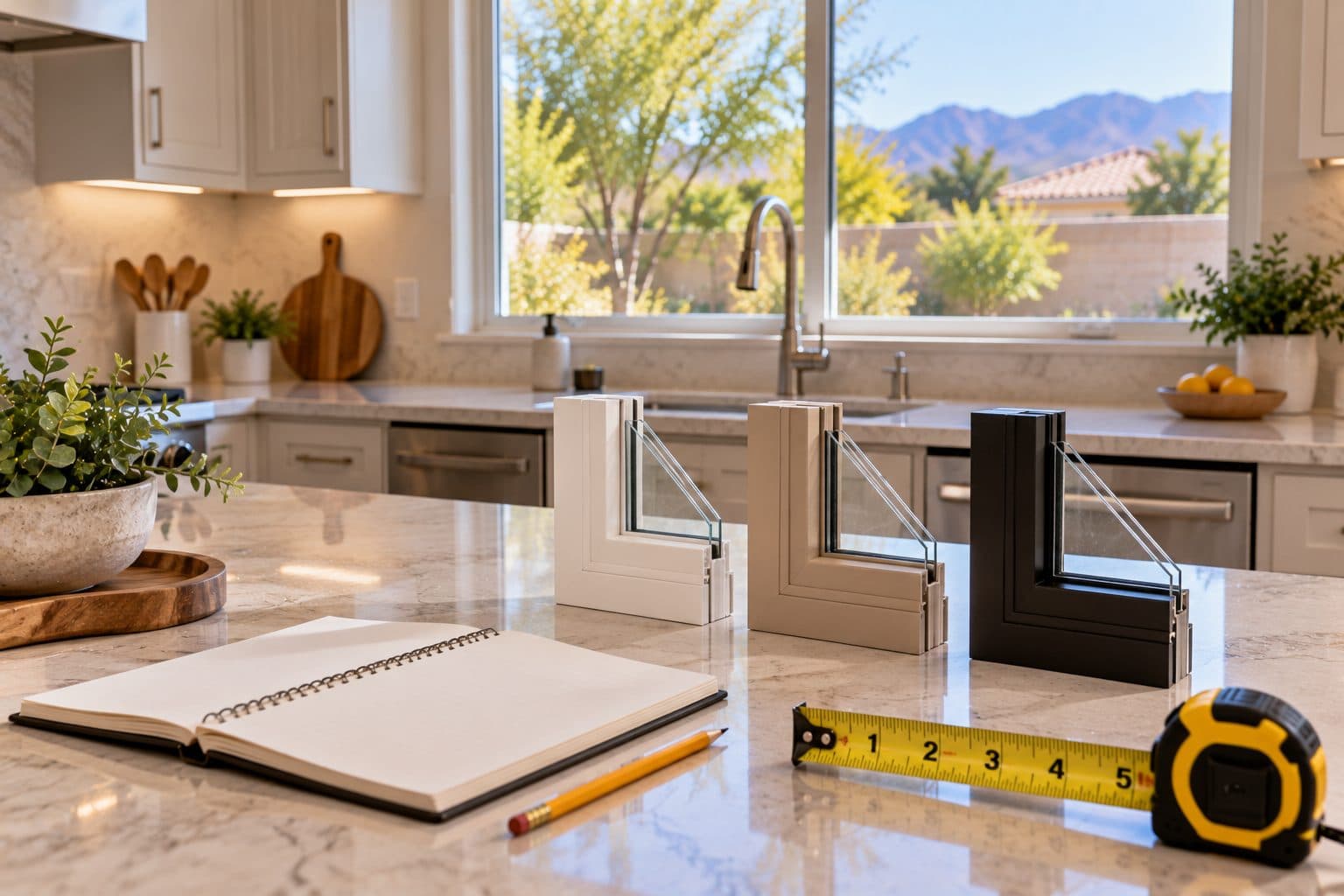
Decide the general exterior appearance, frame proportions, window colors and finishes, grid approach and intended operating styles. Identify where performance priorities differ by exposure or room use. Record which choices are essential and which can change in a later phase.
Use opening identifiers that remain stable throughout the project. A schedule with front bedroom A and rear office B is easier to maintain than informal descriptions that change with furniture or room use.
Include installation and finish details. If the first phase uses a visible exterior trim treatment, consider how it will relate to the remaining openings. A future match concerns the complete installed perimeter, not only the frame color.
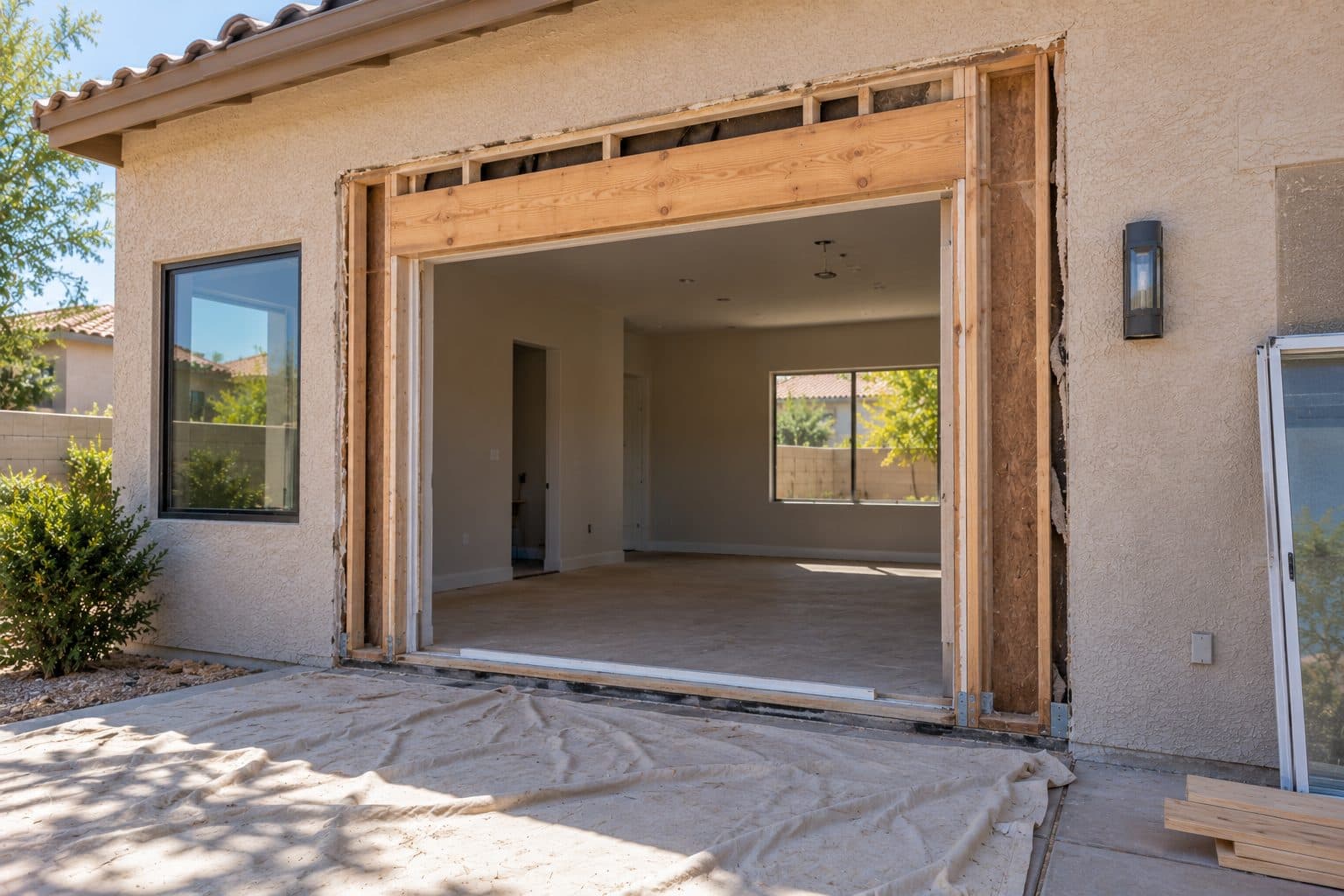
how we install
The Part Behind the Glass

Measured before anything is ordered
Flashed so water has a way out
Choose phase boundaries that make practical sense
A useful phase is a group with a clear reason to be done together and a finished endpoint. It is more than the next affordable number of windows.
| Grouping | Useful when | Tradeoff to check |
|---|---|---|
| Condition priority | Specific openings have unresolved functional concerns | A priority unit may sit within a visually coordinated elevation |
| Room use | A heavily used room has a defined comfort or operating goal | Adjacent rooms may remain different for a while |
| Elevation | Matching appearance or shared exterior access matters | Cosmetic grouping should not defer urgent conditions elsewhere |
| Related renovation | Wall or finish work is already planned | The window and wall schedules must actually align |
Consider a hypothetical house with one damaged rear window, several sound but uncomfortable office windows and a front elevation the owner wants to update for appearance. First, assess the damaged unit and resolve its appropriate scope; it may need component work or replacement. Second, define the office goal and a coordinated specification. Third, plan the elective front work after confirming how its design will relate to the completed units. This sequence follows condition, daily benefit and appearance, rather than assuming every opening needs identical work.
Change the facts and the sequence may change. If the front wall is already scheduled for exterior renovation, combining compatible window work could avoid reopening a finished area. That benefit only exists if the schedules, approvals and available products align. “We will probably repaint someday” is not yet a coordinated construction phase.
Define what complete means at each stop: operable installed windows, the agreed perimeter finish, applicable closeout tasks and records for the next phase. Later work should not be necessary just to make the first phase usable.
Compare total scope across the alternatives
Compare the whole project with the sum of genuinely defined phases. One large quote and a first-phase quote alone cannot tell you the total cost of phasing. The unpriced later work remains an uncertainty. Our window replacement cost guide explains what drives each quote.
Separate three types of expense in the proposals: opening-specific work, tasks shared within a visit and tasks that could recur with each phase. Products and individual opening repairs generally follow the openings; mobilization, protection, access setup and finish coordination may be shared or repeated depending on the plan. Ask the bidder to identify the actual treatment instead of applying a generic package discount.
Suppose one phased plan repaints the same wall after each of two groups, while another defers all painting until the second visit. Those are different completion scopes. The first may repeat work; the second leaves an interim appearance the homeowner must accept. A fair comparison states that difference explicitly instead of treating both totals as prices for the same result.
Future prices and product availability remain uncommitted unless an actual agreement fixes them. Keep a planning estimate's date and assumptions visible. Separately review any financing actually offered; phasing does not establish a program, promotional rate or monthly payment.
The decision is a tradeoff among current spending, repeated work, disruption and matching risk. Choose the plan whose known benefits matter most, while recording what remains uncertain. A precise first phase with honest later assumptions is more useful than a falsely exact whole-house forecast.
Keep approvals and records aligned
Ask whether HOA review of window changes or the permitting process needs the full intended project, the current phase or a later revision. The applicable authority and property requirements should determine that. Approval of one scope should not be assumed to cover every future change.
Save the approved drawings, product schedule, finish references, labels and care documents after each phase. Record any substitution or field change so the next proposal starts from what was actually installed.
Where a particular match is essential, discuss that requirement explicitly. A contractor can document the current product and options, but should not guarantee indefinite availability without a supporting commitment.
Reassess before the next phase
Before continuing, review the remaining windows’ condition and your experience with the completed work. Has the room use changed? Is the chosen operation convenient? Do you want the same visual treatment elsewhere? Update the plan deliberately.
A phased project is most effective when each stage has a purpose and the next decision remains visible. It should not become a collection of unrelated purchases made whenever a different offer appears.
Bring your priorities and preferred spending sequence to Agave Windows when you request a window estimate. A useful plan can compare one coordinated project with sensible phases while keeping the product, finish and condition decisions connected.
This guide supports
Replacement Windows →things people ask us
Frequently Asked Questions
Is whole-house replacement always cheaper overall?
It is not possible to assume that without comparable proposals. Combined work may change coordination and repeated tasks, but product choices, access and finishing drive the actual scope. Ask for a clear comparison and do not rely on an unverified package-saving percentage.
Which windows should I replace first?
Start with condition and household needs. Identify damaged, unreliable or insecure units, then consider room use, comfort and appearance. Some symptoms may warrant a window repair assessment before replacement. Use those findings to define a phase rather than automatically choosing the front elevation.
Can later phases match the first one exactly?
That depends on future product and finish availability. Preserve the exact series, color, glazing, grid and installation records, but do not assume the manufacturer will offer the same configuration indefinitely. Discuss which visual differences you could accept if the original option changes.
Should I order all windows now and install them later?
That creates separate questions about storage, handling, coverage, payment and scheduling. Do not assume it is the best way to preserve a match. Ask the supplier and installer what arrangement is supported and document responsibility for stored products before committing.
Still have a question about your home?
Ask us directly. A quick description of the opening is enough.
keep going
Related Services and Guides
- Replacement Windows
Replacement windows in Las Vegas, planned room by room. See how to choose glass, frames and installation method, and what a clear estimate should include.
- Replacement cost factors
What affects window replacement cost in Las Vegas: window size and type, glass, installation method and stucco or trim repair. Learn how to compare quotes.
- Window project timing
How long does window replacement take? See each stage, from measuring and ordering to delivery, installation and finish work, and what can cause delays.
- Assess window condition
Signs your windows may need replacement: fog between panes, sticking sashes, drafts, stains or damage. Learn what each one means and what to do next.
- Coordinate colors and finishes
Window colors and frame finishes: how to pick interior and exterior colors, compare real samples at home, and coordinate with stucco, trim and roofing.
- HOA review for planned changes
How to get HOA approval for replacement windows and doors in Las Vegas: find the current guidelines, show colors and frames, and keep the written decision.
- Window Buying Guide
How to choose replacement windows in Las Vegas: list what each room needs, pick a style, compare glass ratings and installation, then line up quotes.
- Window Replacement vs Glass Replacement
Should you replace the glass or the whole window? Learn when new glass is enough, when a sash swap works and when full window replacement makes sense.
- Replacing Windows in Stucco Homes
Replacing windows in a stucco home: when stucco must be cut, how water is managed behind it, and what to expect from patching, texture and paint.
- Retrofit vs Full-Frame Replacement
Retrofit vs full-frame window replacement: what stays in the wall, what comes out, how each affects glass size and finish work, and when each one fits.
- Replacement vs New-Construction Windows
Replacement vs new-construction windows: how nail-fin, flush-fin and block-frame windows differ, and which one fits the wall work planned for your home.
- Prepare for Window Installation
How to prepare for window installation: clear access to each window, handle blinds and alarm sensors, protect belongings, and plan for pets and children.

ready when you are
Have a Question About Your Own Home?
A guide can explain the choice. Your openings decide the answer. Tell us what you are seeing and we will help you work out the next step.
- Photos can follow once we reply; no measurements needed
- A written scope before anything is ordered
- Licensed, insured, and bonded
Request an Estimate