



- 7 min read
- Updated
- Supports: Replacement Windows
When Should You Replace Windows in Las Vegas?
The best time for window replacement in Las Vegas is when the project can be properly prepared and the window condition allows it. Mild weather can make household disruption easier to manage, but a damaged or insecure opening should not wait for a preferred season without assessment.
For Las Vegas, think about heat, wind and possible storms alongside product readiness, approvals and your own calendar. A useful scheduling window balances those factors rather than choosing a month because an advertisement calls it the perfect time.

The short version
Mild weather makes window replacement in Las Vegas more comfortable, but no single season suits every home. A broken or insecure window should be looked at promptly, and elective projects should be planned early.
On this page
Let condition set the urgency
A broken, unstable or insecure window needs prompt attention. Arrange an appropriate assessment and a safe plan for the opening. An active water problem also deserves investigation rather than being postponed solely to align with a future renovation.
A cosmetic update or a planned comfort improvement can usually be organized more deliberately. That gives you time to compare products, resolve the scope and coordinate household arrangements. Separate these planning goals from concerns that need a quicker response.
If you are unsure whether a symptom can wait, describe it clearly and ask what assessment is appropriate. A fogged glass unit, a closure problem and water entering the wall do not create identical scheduling decisions. Our overview of warning signs in aging windows can help you describe what you see.
Use local climate as context
The National Weather Service's Las Vegas climate description explains why the calendar alone is insufficient. Summers bring substantial heat; spring and fall can bring gusty weather; warm-season moisture can produce thunderstorms. Conditions also vary across the valley. Milder average temperatures do not mean every spring day is suitable for every task.
Use climate to choose a preferred planning period, then use the actual forecast and site conditions to assess the appointment. A seasonal average smooths together many different days. It cannot show the wind during a large-unit lift or whether a particular wall will be wet when a finish is applied.
Match weather to the activity it affects
| Condition to consider | Project issue it can affect |
|---|---|
| Heat or cold | Household comfort while rooms are affected, and applicable material instructions |
| Wind | Handling, exterior access and control of the work area |
| Rain or wet surfaces | Opening protection and readiness for water-sensitive tasks |
| Changing forecast | Whether the planned sequence and backup date remain workable |
These are planning connections, not universal go/no-go thresholds. The selected materials, handling method and actual scope determine the requirements. An occupied room with a straightforward installation has different constraints from an opening enlargement with exterior restoration.
Consider mild-weather scheduling for elective work
For a nonurgent project, a period of milder temperatures may make it easier to plan around rooms being affected by installation activity. It can also be convenient for related exterior or interior finishing, depending on the materials and scope.
The tradeoff is that your preferred period may not align with product or crew availability. Ask about current scheduling rather than assuming spring or fall is always easier to book. A comfortable season is not a promise of immediate access to the product you want.
Do not rush final measurements or product decisions just to reach a particular month. An accurate order and suitable installation detail matter more than meeting an arbitrary seasonal target with an unresolved specification.
Ask how summer work will be managed
Summer scheduling can still be discussed, but the contractor should explain the work plan for the actual conditions. Ask how the sequence, access and household arrangements will be coordinated and what might lead to an adjustment.
Plan for the rooms that will be affected and the needs of people or pets in the home. If someone requires a consistently comfortable space, tell the installer early so the plan can account for that requirement or identify a better appointment option. Our installation preparation guide covers those arrangements.
Keep the conversation specific. A claim that windows are always installed in minutes does not explain a larger unit, a damaged opening or follow-up finish work. Ask what the agreed scope requires in your house.
how we install
The Part Behind the Glass

Measured before anything is ordered
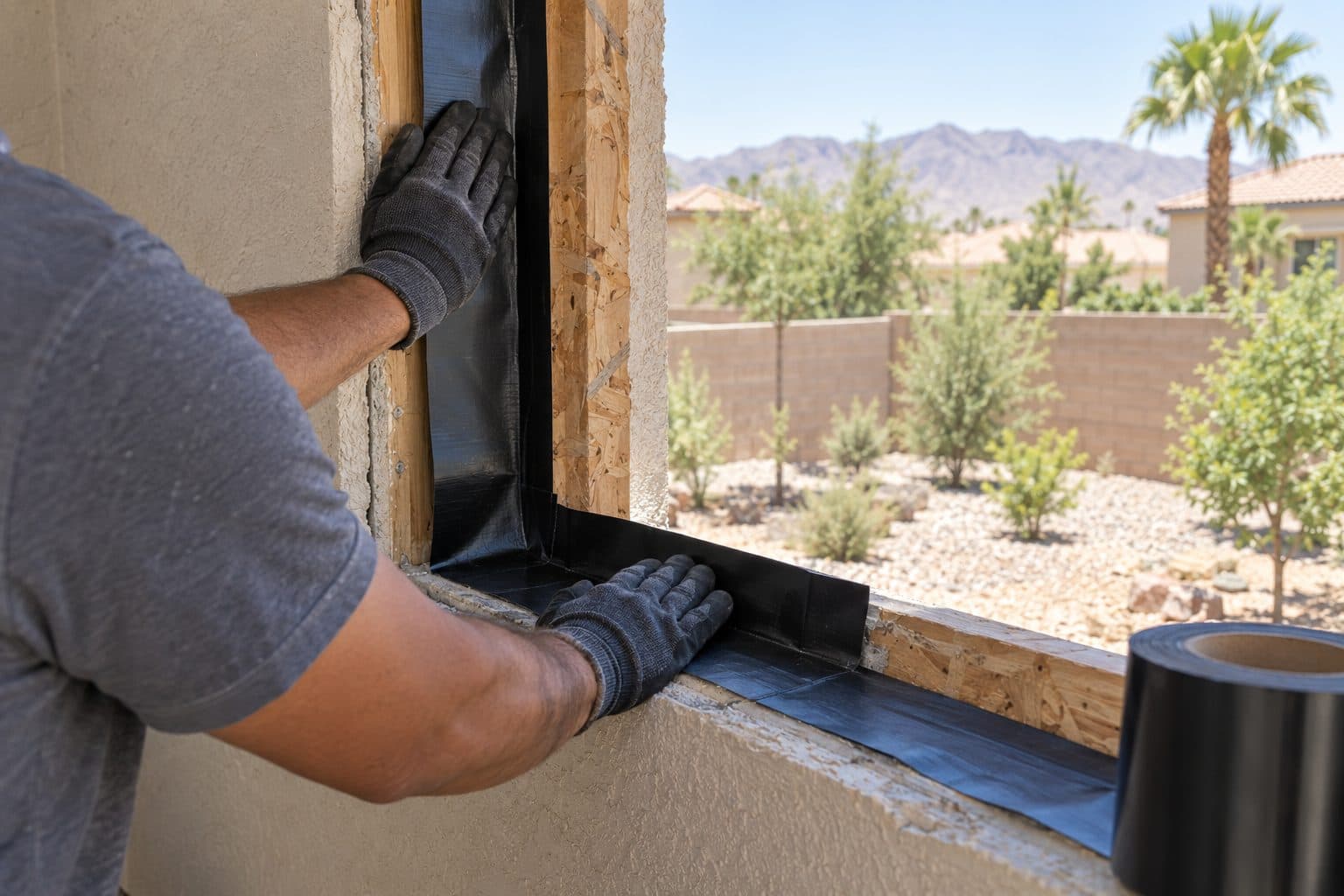
Flashed so water has a way out
Include winter and variable weather in the comparison
Cooler periods can be suitable for some projects, but product and material instructions still apply. Sealants, coatings and repairs can have application and curing requirements that depend on conditions. Ask which requirements affect the planned tasks.
Wind can also affect handling and site operations. A window appointment should not proceed on the assumption that the calendar overrides actual conditions. Ask how a postponement is communicated and how the next available date is determined.
The useful outcome is a clear contingency plan, not a guarantee that weather will never interrupt the work. Know which household arrangements need flexibility and which contractor milestones are confirmed.
Work backward from the completion you need
If you want the project finished before a holiday, visit or larger renovation, begin by identifying the full scope. Include final measurements, product decisions, any approvals, manufacturing or delivery, installation and remaining finish work. Our window project timeline describes each stage.
Do not count only the days the crew is expected to be on site. A project can be ready for installation while a separate painting or inspection step remains. Define what finished means for your deadline.
Ask which decisions must be made now and which dates remain estimates. A milestone schedule helps you see whether the constraint is product availability, review, site access or another trade. It also makes a revised plan easier to understand. Where approvals are involved, the permit timeline for window and door projects is a separate factor.
Coordinate with the rest of the house project
Window replacement may interact with exterior painting, stucco work around the openings, new coverings or interior remodeling. Discuss the sequence with the responsible providers so finished work is not unnecessarily disturbed later.
For example, a hypothetical homeowner planning a rear-wall repaint may coordinate replacement and patching before the final coating. Another planning new shutters should confirm the finished opening and mounting conditions before ordering the coverings.
These coordination decisions can matter more than the season. The objective is to have each trade work from the actual window specification and finish scope, with responsibilities and access clearly defined.
Be careful with seasonal offers and assumptions
A promotion should be evaluated on its written terms and the product scope, not just the date on the calendar. Confirm eligibility, exclusions, order requirements and any genuine deadline before allowing an offer to determine your selection.
Do not assume that a quieter season guarantees a discount or shorter manufacturing time. Product availability and contractor workload are separate facts that need current confirmation. A useful proposal explains the actual opportunity without inventing a seasonal rule.
If your preferred product is delayed, compare the tradeoff of waiting with any proposed substitute. A faster option should still meet your performance, appearance and approval needs. Schedule convenience should be a conscious decision.
Choose a window of time with room to respond
Use three decisions in order. First, does the condition require prompt attention? Second, are the product, site and approvals ready? Third, which available dates best fit weather-sensitive work and household needs? Reversing that order can produce a preferred date with no workable project behind it.
Imagine an elective bedroom project with no unresolved damage. The owner prefers a mild-weather period but has travel immediately afterward. A date just before departure may leave no flexibility for a material delay or follow-up finish visit. A slightly later period with an available decision-maker and room for completion could be a better fit, even if the calendar month sounds less attractive.
Now imagine an opening that no longer secures properly. Waiting months for the same preferred season would leave the condition unresolved. Arrange assessment and an appropriate near-term plan first; the resulting repair or replacement scope can then determine the schedule. That is a different decision from accelerating an otherwise sound window because a promotion is ending.
For elective work, record a preferred period, a backup period and dates when access is unavailable. Define the communication point for a weather change, who needs to be present and which later tasks could move with the installation. Avoid scheduling another dependent trade on an assumed finish date that has not been confirmed.
Bring your timing priorities and window concerns to Agave Windows through a window estimate request. The right plan connects condition and actual readiness to a workable period, while leaving a clear next step if the conditions change.
This guide supports
Replacement Windows →things people ask us
Frequently Asked Questions
Is spring always the best season for replacement?
It may offer convenient conditions for an elective project, but actual weather, product readiness and installation availability matter. Do not assume one season is best for every home. Start early enough to resolve the scope and ask for a realistic appointment based on current information.
Can windows be replaced during summer?
Discuss the actual project and conditions with the installer. The work plan should address the scope, household needs and any weather-related adjustments. A summer date is not automatically unsuitable, but it should be supported by a practical plan rather than a blanket promise.
Should I wait for a seasonal discount?
Evaluate only a real written offer and its terms. A future discount is not guaranteed, and urgent condition concerns deserve assessment first. For elective work, compare the complete product and installation scope so a promotion does not distract from what you are actually buying.
What if weather changes on installation day?
Ask in advance who makes the decision, how you will be notified and how rescheduling works. Product instructions, handling needs and site conditions should guide the plan. Keep household arrangements flexible where possible and confirm the next milestone if the date changes.
Still have a question about your home?
Ask us directly. A quick description of the opening is enough.
keep going
Related Services and Guides
- Replacement Windows
Replacement windows in Las Vegas, planned room by room. See how to choose glass, frames and installation method, and what a clear estimate should include.
- Window project timeline
How long does window replacement take? See each stage, from measuring and ordering to delivery, installation and finish work, and what can cause delays.
- Window condition signs
Signs your windows may need replacement: fog between panes, sticking sashes, drafts, stains or damage. Learn what each one means and what to do next.
- Installation preparation
How to prepare for window installation: clear access to each window, handle blinds and alarm sensors, protect belongings, and plan for pets and children.
- Stucco and finish work
Replacing windows in a stucco home: when stucco must be cut, how water is managed behind it, and what to expect from patching, texture and paint.
- Window Replacement Permits
Do you need a permit to replace windows in Las Vegas? It depends on your jurisdiction and the work. Learn who to ask and what details to give them.
- Window-to-Door Conversion Permit
Turning a window into a door in Las Vegas changes the building, so plan for permit review. Learn which office to ask, what drawings help and who does what.
- HOA Approval for Windows and Doors
How to get HOA approval for replacement windows and doors in Las Vegas: find the current guidelines, show colors and frames, and keep the written decision.
- Window and Door Permit Timeline
How long does a window or door permit take? See the stages from submission and review to inspection, and what affects timing across the Las Vegas valley.
Sources referenced on this page
Independent references linked in the text above. A manufacturer source explains a product concept; it does not mean Agave Windows supplies that brand.
- National Weather Service's Las Vegas climate description (weather.gov)

ready when you are
Have a Question About Your Own Home?
A guide can explain the choice. Your openings decide the answer. Tell us what you are seeing and we will help you work out the next step.
- Photos can follow once we reply; no measurements needed
- A written scope before anything is ordered
- Licensed, insured, and bonded
Request an Estimate