


- 7 min read
- Updated
- Supports: Energy-Efficient Windows
Plan Windows for a West-Facing Room
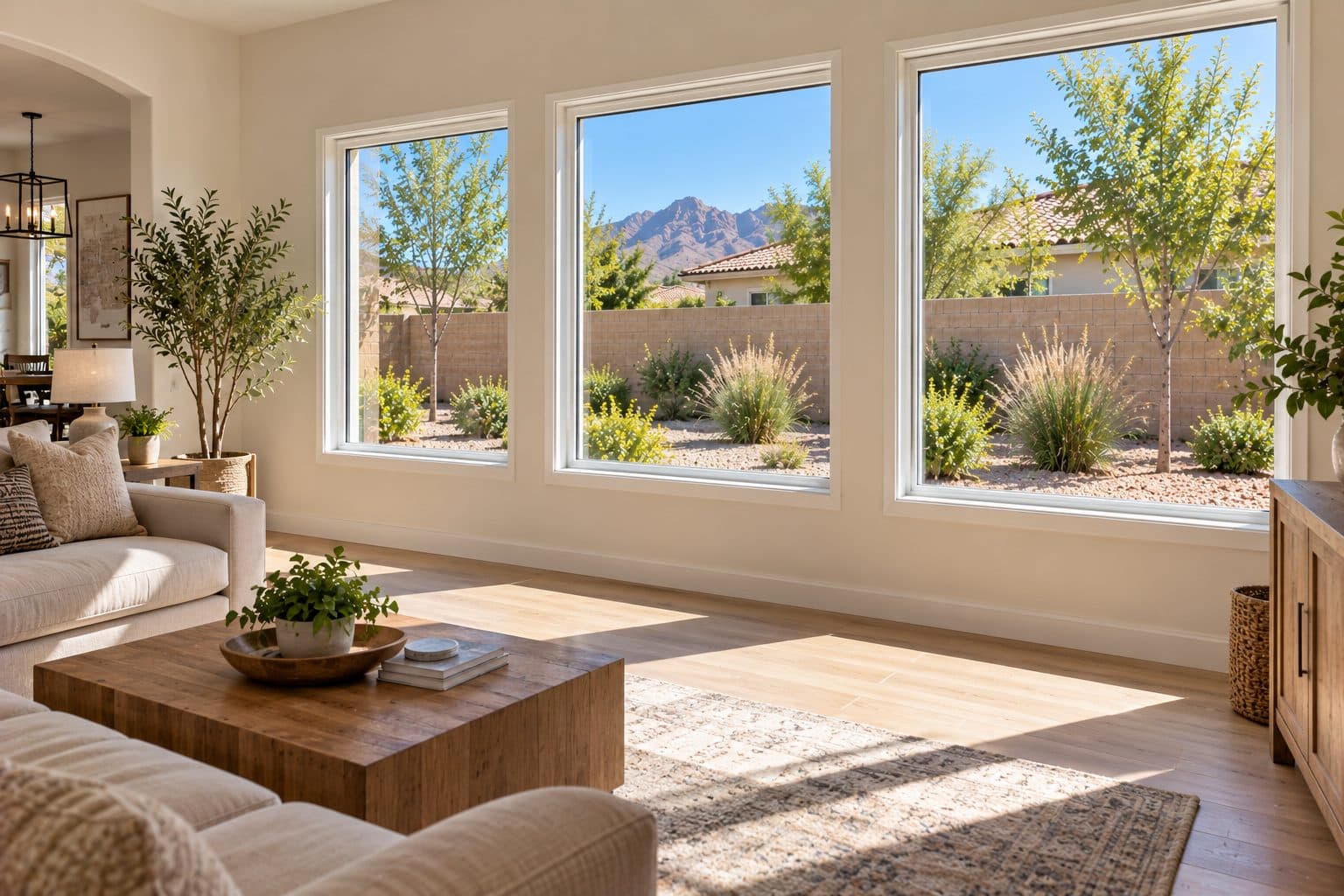
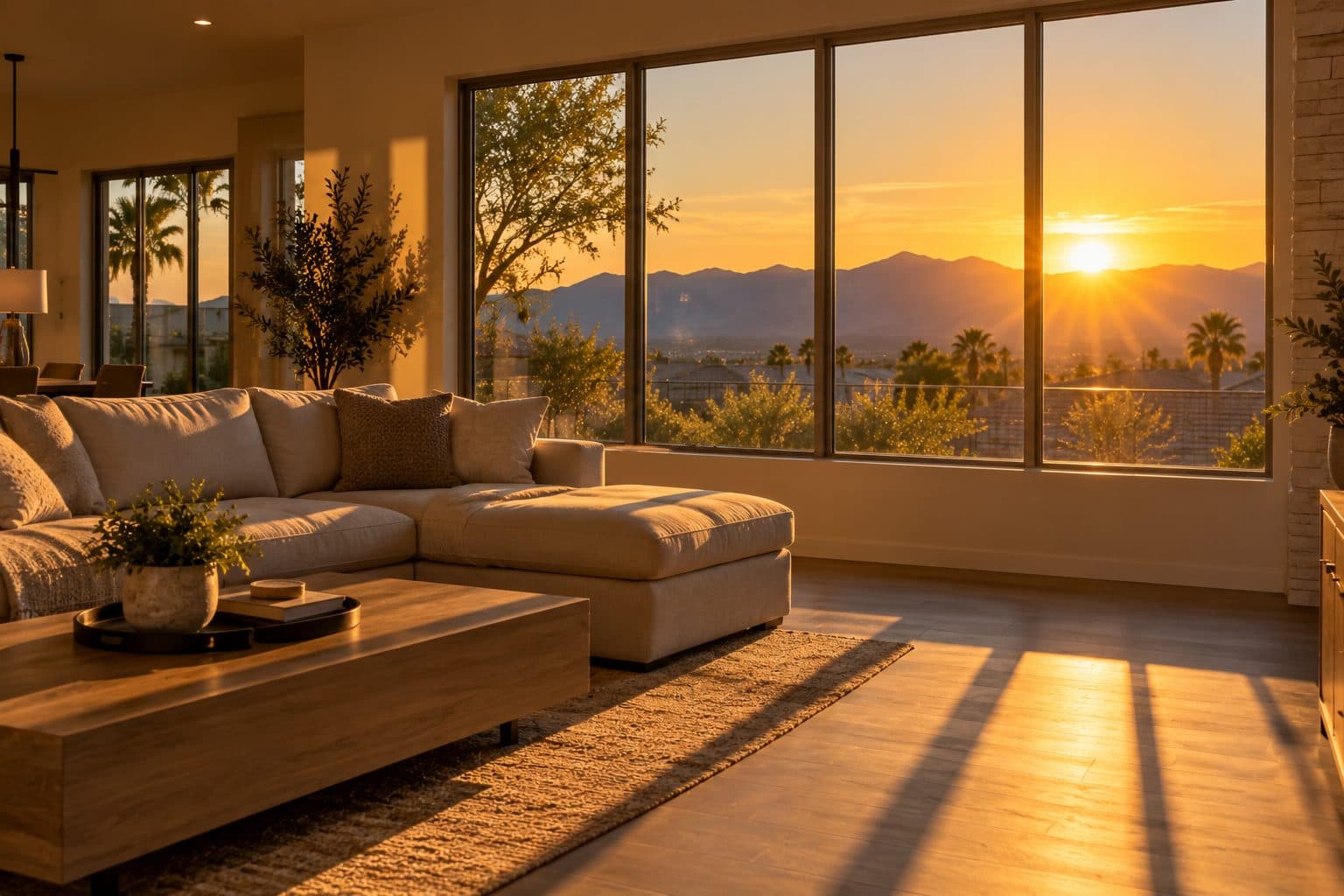
A west-facing room can be pleasant in the morning and uncomfortable when afternoon sun reaches the glass, furniture or work surface. The first step is to understand that pattern. Direction is useful information, but the actual exposure depends on nearby buildings, trees, patio covers and how you use the room.
A useful plan brings the glass, shade and occupied space into the same discussion. It asks where the sun causes a problem, when that happens and how much daylight and view you want to preserve.
The short version
West-facing windows take low afternoon sun that often slips under overhangs and patio covers. Pair glass that has a lower solar heat gain rating with adjustable shading, and check how much daylight and view you keep.
On this page
Map the afternoon before comparing products
Record when direct sunlight first reaches the window and where it falls inside. Note whether the concern is warmth near the glass, glare on a screen, bright light at eye level or a room that stays uncomfortable after the sun moves away.
Show where sunlight affects daily use
Take photos from the normal sitting or working position. A photograph facing the window can show exposure, while a view across the room can reveal a reflection on a television or desktop. Add the time and any shade position to each note.
Observe more than one day if practical. Clouds and changing weather can alter the experience, and sun angles change through the year. You do not need a technical survey to describe the problem clearly; a short room log can make a product conversation much more specific.
Understand why afternoon sun can bypass an overhang
U-factor
How easily heat passes through the whole window. Lower keeps more heat out in summer and in during winter.
SHGC
Solar heat gain coefficient: how much of the sun's heat comes through. Lower means less heat from direct sun.
VT
Visible transmittance: how much daylight comes through. Higher means a brighter room.
An overhead shade blocks rays whose path intersects it. As sunlight approaches from a lower angle, the ray can pass beneath the same projection and reach farther down the glass or into the room. Sun arriving from the side can also pass beyond an overhang that covers only the window's width.
This is why the presence of a patio cover does not establish complete afternoon shading. Its depth, height above the opening, side extent and the actual sun direction determine which rays it intercepts. PNNL's shading guide specifically discusses the difficulty of shading east- and west-facing glazing with horizontal overhangs.
A vertical shade in front of the exposed area can supplement an overhead feature during the period it misses. That is different from a side fin beside the window, which blocks only certain directions. Do not confuse the two simply because both are called vertical shading.
Use the observed sun path to identify the missing coverage before designing an exterior change. Any attachment still needs appropriate support, wind and maintenance review, and applicable approval. A comfort sketch is not a construction detail, and a shade should not be fastened to the window frame by assumption.
Specify solar control without forgetting daylight
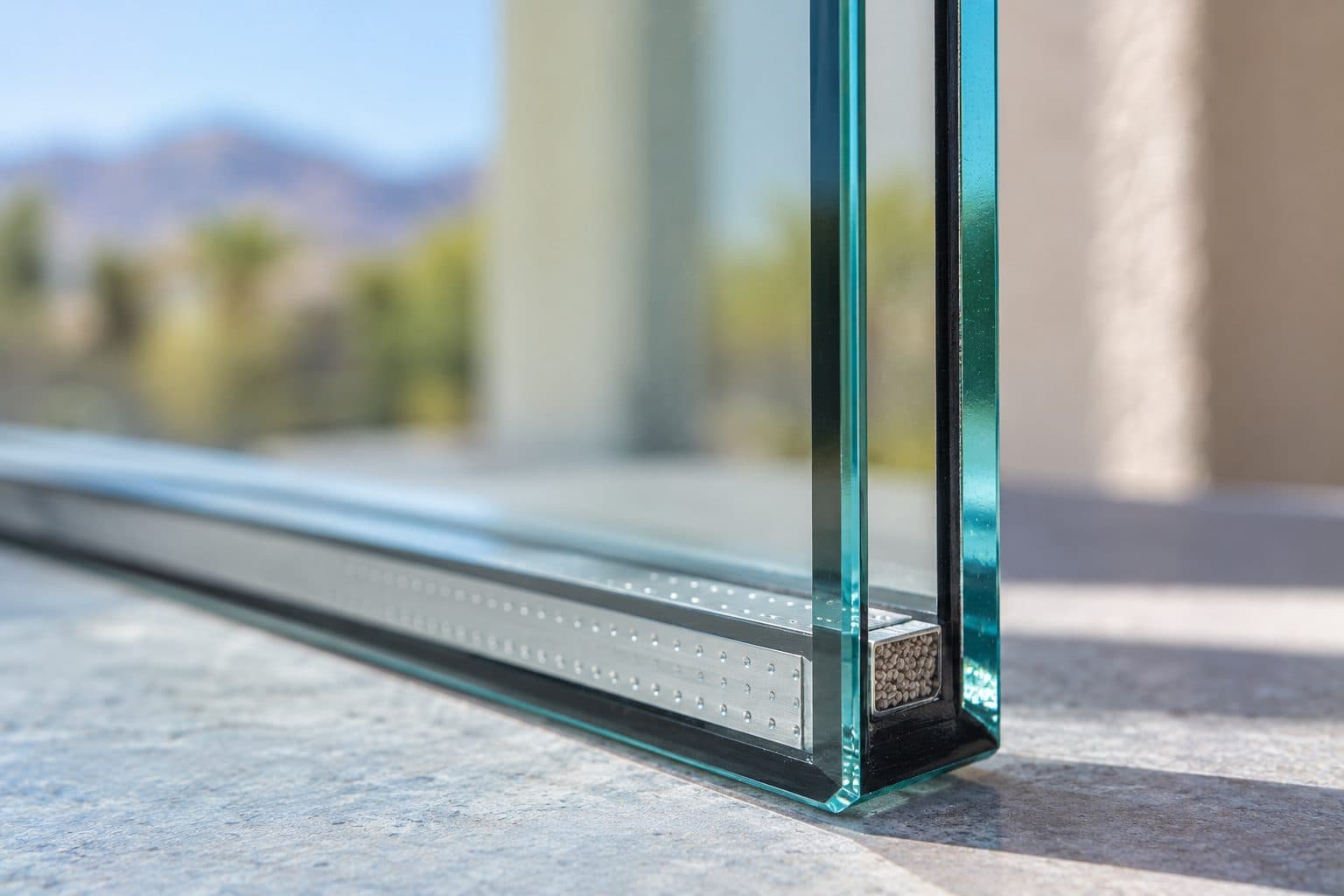
For energy-efficient replacement windows, compare whole-product SHGC as well as U-factor. Lower SHGC indicates less admitted solar heat under the rating conditions. U-factor describes heat transfer through the assembly; it is not a substitute for solar-gain information.
Visible transmittance describes daylight passing through the product. Read it alongside SHGC when comparing glass packages, as our guide to SHGC and visible light ratings shows. The goal may be to limit unwanted heat while retaining a room you enjoy during the rest of the day.
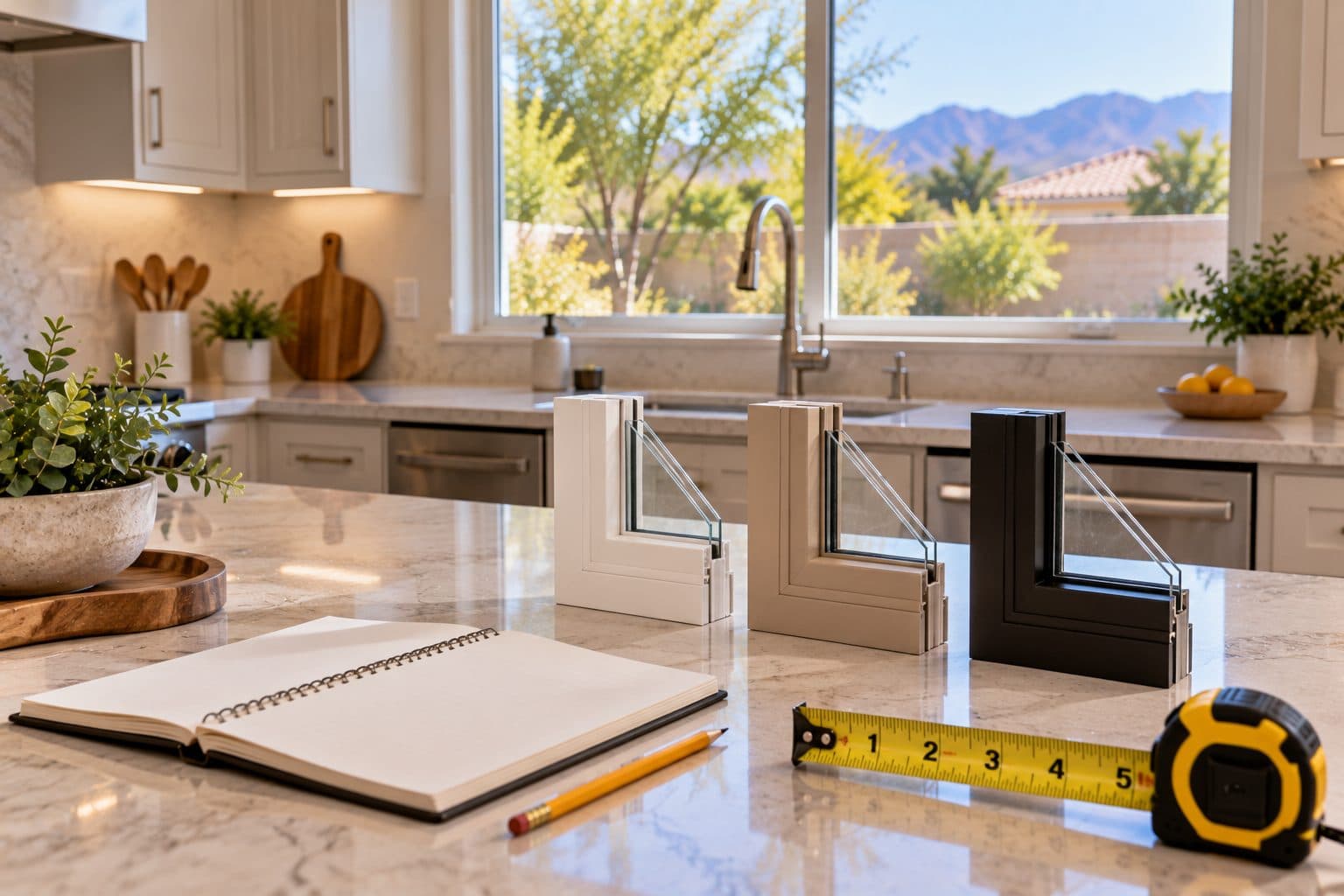
Ask why the proposed configuration suits this opening. A generic label of energy-efficient does not explain the tradeoff between daylight and solar control. Request the values for the actual series and glazing, and compare samples for appearance where possible.
Treat glare as a task-specific problem
Glare can interfere with a particular activity even when the room temperature is acceptable. Moving a monitor, changing its angle or adjusting the seating layout may help reveal whether direct sunlight or a reflected bright surface is the main issue.
Interior shades or coverings can give you adjustable control through the afternoon. Think about how often someone will operate them, whether the controls are accessible and whether the desired view remains available. A solution that depends on daily use should fit the household’s habits.
Glazing is a fixed choice once installed; adjustable shading adds flexibility. Our comparison of Low-E glazing and window film covers a third route. Ask how these can work together instead of expecting one glass specification to satisfy every lighting condition. Confirm that any covering arrangement remains compatible with product care and operation instructions.
how we install
The Part Behind the Glass

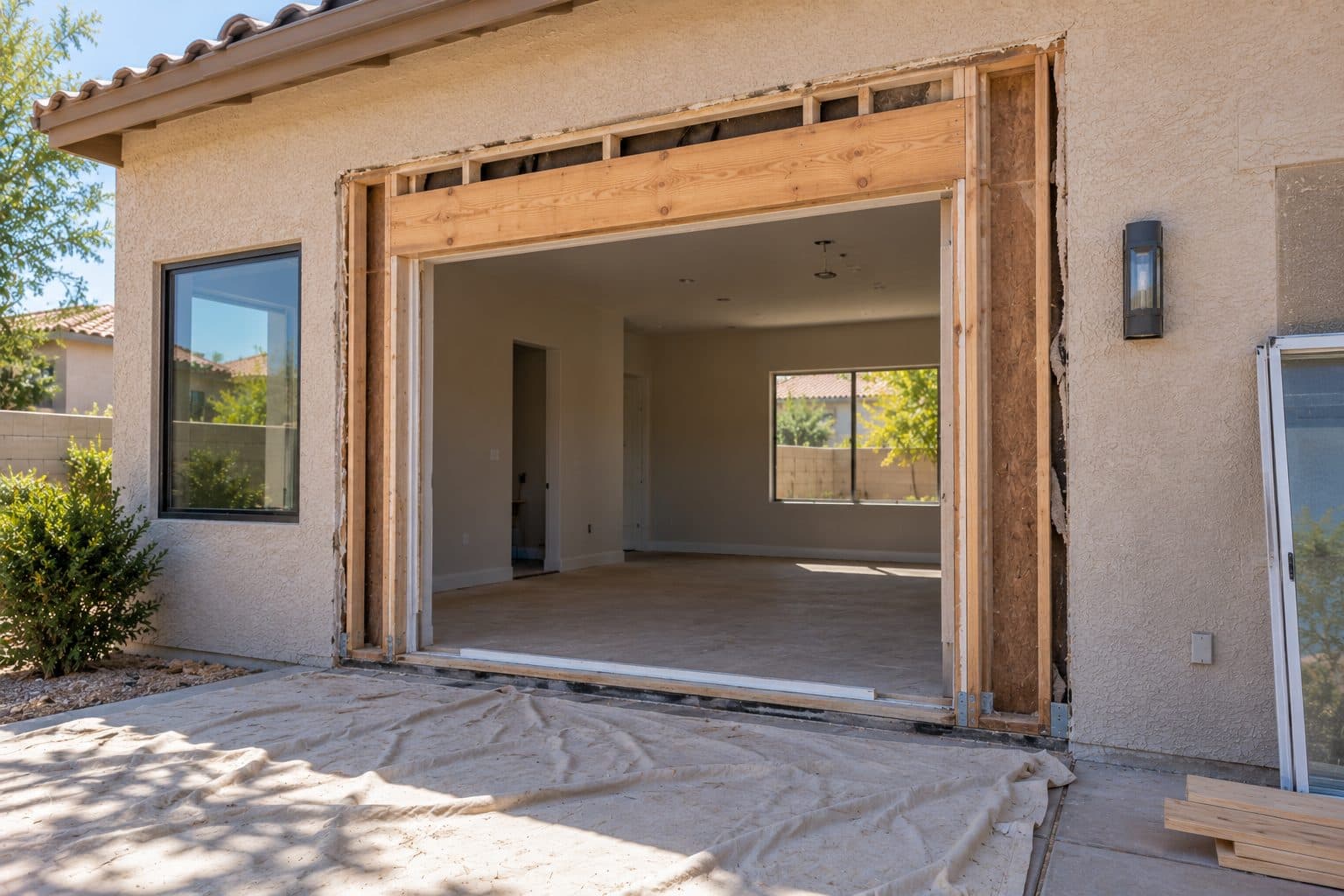
Measured before anything is ordered
Flashed so water has a way out
Run a reversible room-use check
Before selecting new glass, test one ordinary change at a time: use the existing shade at the problem hour, move the monitor angle, or compare seating just outside the direct beam. Keep the window closed and do not modify the product. Record the time, shade position and activity rather than trying to create a temperature-performance test.
If glare improves when the monitor moves but the room remains warm, those are two different outcomes. If a shade controls glare but removes a view you value for the whole afternoon, the proposed solution has a visible tradeoff. If the entire room remains uncomfortable away from the glass, record that limit rather than concluding the shade or window caused every part of the problem.
Repeat under reasonably similar conditions before drawing a planning conclusion. Changing cloud cover, room occupancy or cooling operation can confound a one-time comparison. These observations help define the design brief; they do not measure product ratings or predict savings.
Turn the result into an operating plan: what is open or shaded in the morning, what changes when direct sun reaches the desk, and what view returns after it passes? A fixed glazing choice and an adjustable control serve different parts of that routine.
Keep the whole room in the assessment
A warm room can have more than one contributing condition, a point our guide to window choices for Las Vegas heat develops. Roof and wall exposure, air distribution, equipment and occupancy can matter alongside the windows. Replacing the glass is not proof that every temperature difference will disappear.
Describe whether the discomfort is concentrated beside the opening or spread throughout the room. Note if the door is usually closed and whether the room’s use has changed, such as adding computers or using a former guest room as an office.
These observations help define the limit of the window project. If a broader building assessment is needed, identify it before relying on an unsupported promise that one product will solve the entire room.
Compare two realistic room plans
Imagine a hypothetical west-facing dining room used mostly in the evening. The homeowners want to keep the view and daylight during the day. Their discussion might prioritize a documented solar-control glazing package plus an adjustable shade for the period when low sun reaches the table.
Now imagine a home office occupied throughout the afternoon. The priority may be controlling glare at the desk while keeping enough daylight for work. The plan could combine glass evaluation, screen placement and a covering that can be adjusted without reaching over equipment.
These are different decisions even if the two rooms face the same direction. A good recommendation explains the use pattern and the tradeoff. It should not assume that all west-facing windows require the darkest available appearance.
Use an opening-specific comparison sheet
| Room observation | Question for the proposal |
|---|---|
| Direct afternoon sun | What SHGC and shading combination is proposed? |
| Screen glare | How will visible light and reflections be managed? |
| Desired view | What is the impact of glass appearance and coverings? |
| Existing shade | Which hours and parts of the opening remain exposed? |
| Whole-room discomfort | What conditions lie outside the window scope? |
Include the exact glass package, frame, operating style and finish. A change in frame color alone (see black frame exposure questions) does not establish the solar performance of the glazing. Likewise, adding a third pane does not tell you the SHGC without the full specification.
If other windows remain, ask how the new glazing will look beside them from inside and outside. You may accept a visual difference for a room-specific benefit, but it should be deliberate rather than discovered after installation.
Set a practical goal for the project
Use a goal you can describe: a less uncomfortable seat by the glass, workable afternoon lighting or a clearer plan for keeping the room usable. Avoid converting that goal into an invented temperature or bill reduction guarantee.
Bring your exposure notes and photos when you request an estimate from Agave Windows. The discussion can then focus on the opening’s actual conditions, the available replacement specifications and any related shading decisions that need separate coordination.
This guide supports
Energy-Efficient Windows →things people ask us
Frequently Asked Questions
Should every west-facing window use the same glass?
Not necessarily. Shade, window size, room use and desired daylight can differ. A coordinated specification may be useful, but ask whether each opening has the same exposure and priorities. Document any different glass packages and review how they will look together.
Will a patio cover solve afternoon heat?
It depends on the cover geometry and the actual sunlight path. Observe when the glass remains exposed, especially as the sun gets lower. A cover may help during some hours while leaving others unaffected. Assess the specific opening before assuming complete shading.
Is darker glass always better for a west-facing room?
Darkness alone does not describe solar or insulation performance. Compare SHGC, U-factor and visible transmittance for the actual assembly. A darker appearance may also affect daylight and the view. Choose a documented balance that fits how the room is used.
Can new windows guarantee the room matches the rest of the house?
No window specification by itself establishes that result. Other walls, the roof, air distribution, equipment and household use may contribute. Define the window-related concern and ask what improvement is reasonable without treating replacement as a complete building diagnosis.
Still have a question about your home?
Ask us directly. A quick description of the opening is enough.
keep going
Related Services and Guides
- Energy-Efficient Windows
Energy-efficient windows for Las Vegas homes: how U-factor, SHGC and sun exposure guide the right glass for each room. Request a window estimate.
- Window choices for Las Vegas heat
The best windows for Las Vegas heat depend on sun exposure, glass coating and SHGC, not frame material alone. See what to compare room by room.
- SHGC and visible light
U-factor and SHGC explained in plain terms: what each window energy rating measures, how to read an NFRC label, and which numbers to compare on a quote.
- Low-E glazing and film
Low-E glass vs window tint: how a factory coating differs from film added later, when each makes sense, and what film cannot fix on double-pane windows.
- Black frame exposure questions
Thinking about black windows in Las Vegas heat? Learn how dark frame finishes handle sun exposure, what to ask about the finish, and how glass affects heat.
- Can Replacement Windows Reduce Noise?
Can replacement windows reduce noise? Yes, within limits. Learn what STC and OITC ratings mean, how laminated glass helps, and where else sound gets in.
- Double-Pane vs Triple-Pane Windows
Double-pane vs triple-pane windows: what a third pane changes for insulation, sun heat, noise and weight, and how to tell if it is worth it for a room.
Sources referenced on this page
Independent references linked in the text above. A manufacturer source explains a product concept; it does not mean Agave Windows supplies that brand.
- PNNL's shading guide (basc.pnnl.gov)

ready when you are
Have a Question About Your Own Home?
A guide can explain the choice. Your openings decide the answer. Tell us what you are seeing and we will help you work out the next step.
- Photos can follow once we reply; no measurements needed
- A written scope before anything is ordered
- Licensed, insured, and bonded
Request an Estimate