


- 6 min read
- Updated
- Supports: Energy-Efficient Windows
Low-E Glass or Window Tint: What Fits?
Low-E glass and window tint are often discussed as two ways to reduce unwanted heat, but they are not interchangeable purchases. Factory Low-E glazing is part of a specified glass or window assembly. Aftermarket film modifies the surface of existing glass. The right comparison starts with the condition of what you have and the result you want.
A room with afternoon glare and otherwise sound windows presents a different decision from an opening with failed insulating glass and difficult operation. Avoid choosing a coating before identifying which problem needs to be addressed.
The short version
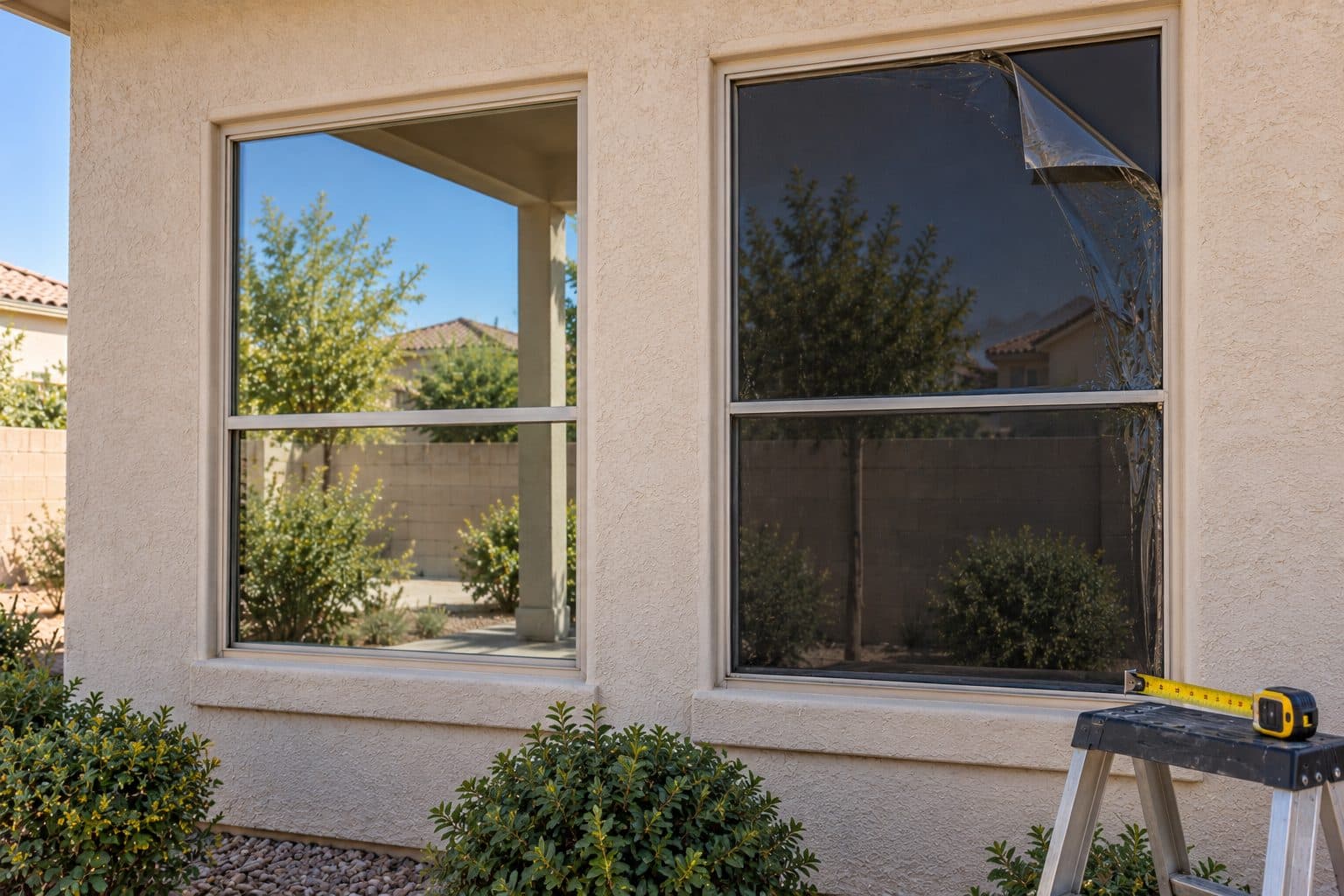
Low-E is a factory coating built into the glass unit, while tint is a film added to existing glass. Film can suit sound windows with glare, but it cannot fix fogged or failed double-pane glass.
On this page
Clarify the terms in the proposal
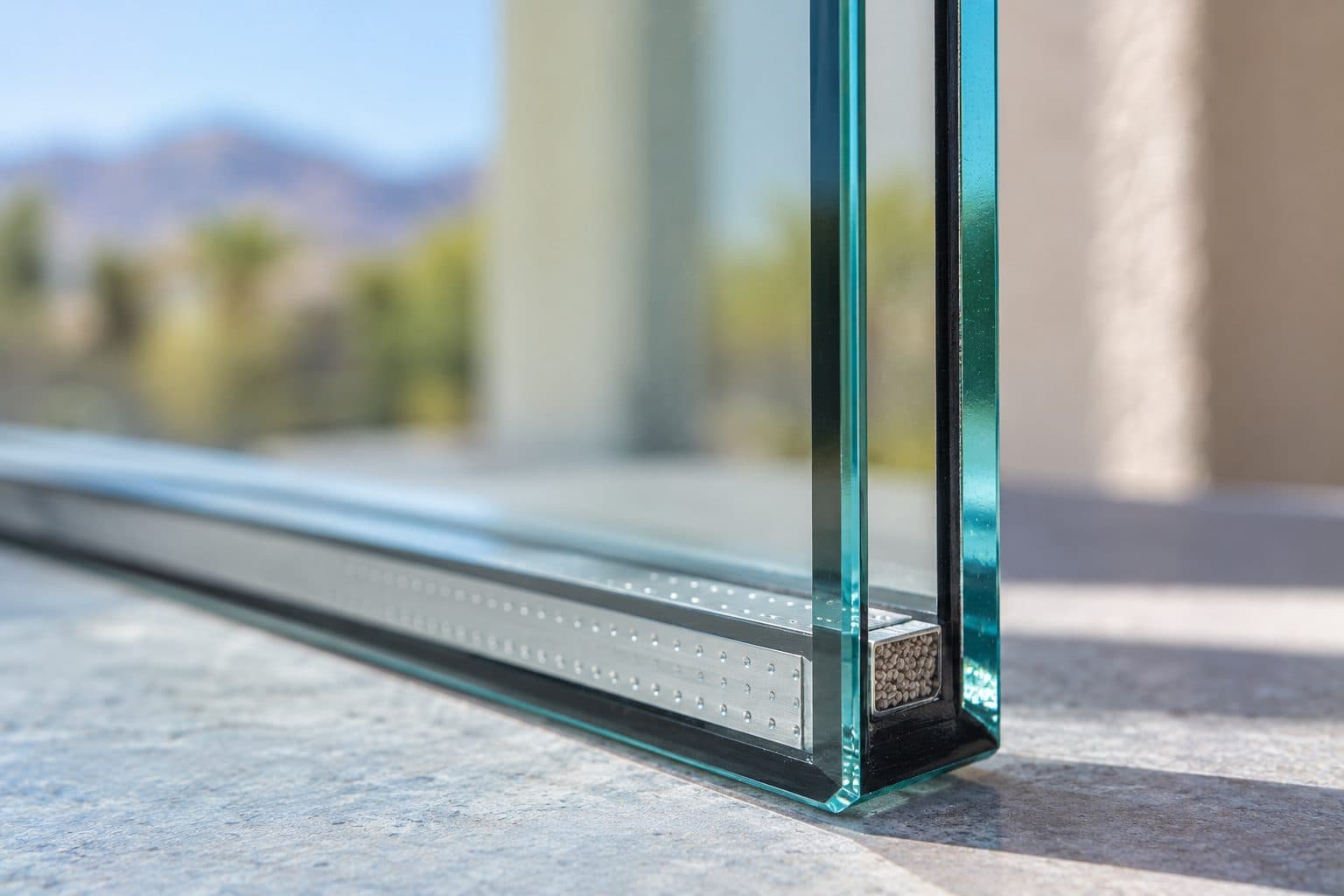
Low-E means low emissivity. A Low-E coating affects radiant heat transfer, and different coating designs can provide different solar-control characteristics. The phrase alone does not establish a complete window’s U-factor, SHGC or visible transmittance. Our guide helps you understand window energy ratings.
“Tint” is less precise. It may mean tinted glass, a solar-control film or a decorative privacy film. Some films are designed for Low-E performance as well. Ask for the actual product type and name so you are comparing two defined options rather than two broad marketing terms.
A factory-coated insulating-glass unit and a film applied to an existing pane can also have different installation and care requirements. Make sure the person recommending the option explains what is being changed and what remains in place.
Let the existing window condition shape the decision
Film does not rebuild a damaged frame, restore worn operating hardware or replace a failed sealed glass unit. If the window has persistent between-pane fogging, water-related damage or a closure problem, investigate that condition before investing in a surface treatment.
Conversely, a desire for glare control does not prove that every window in the room needs complete replacement. If the assembly is sound, ask what targeted approaches could address the concern and what their limitations would be.
The useful comparison separates condition work from comfort or appearance work. A proposal can then explain whether you are preserving a suitable assembly, replacing a failed component or changing the whole opening to achieve several goals at once. Our guide to glass or complete replacement covers that choice.
Compare solar control and daylight using relevant data
U-factor
How easily heat passes through the whole window. Lower keeps more heat out in summer and in during winter.
SHGC
Solar heat gain coefficient: how much of the sun's heat comes through. Lower means less heat from direct sun.
VT
Visible transmittance: how much daylight comes through. Higher means a brighter room.
For a replacement window, such as one of our energy-efficient replacement windows, request whole-product U-factor, SHGC and visible transmittance for the selected configuration. For a film proposal, ask what glazing the published performance values assume and how closely that matches your existing glass.
Check the glass behind the film data
A film tested or modeled on one type of glass should not be assumed to deliver identical performance on another. The combination matters. Ask the film supplier to identify the existing glass and provide an appropriate basis for the recommendation.
Solar heat gain, visible light and ultraviolet transmission are different measurements. An impressive UV statement does not establish whole-window insulation performance or a household energy savings percentage. Keep the comparison focused on the concern you are trying to solve.
| Main concern | Evidence to request |
|---|---|
| Unwanted solar heat | Relevant SHGC or solar-performance data for the actual assembly |
| Glare at a desk or screen | Visible-light and reflectance information plus a sample |
| Darkening the room | Expected daylight tradeoff in the proposed product |
| Failed glass or operation | Condition assessment before a surface treatment |
| Long-term support | Applicable product and installation coverage documents |
Understand why the existing glass changes the film decision
Solar energy reaching glazing can be transmitted, reflected or absorbed. Film changes that balance. Absorbed energy warms the glass, so a treatment is not simply a dark filter that removes heat without changing the glazing's behavior. WBDG's film fundamentals distinguishes those energy paths.
Compatibility review therefore needs the actual glass construction, existing coatings and application conditions. A suitable film on one glazing type is not automatically suitable on another. LLumar's installation FAQ also directs product selection according to the window or glass type.
This does not establish that film is universally unsafe or universally approved. It establishes what evidence must connect the proposed film to your existing assembly. If the glass cannot be identified, that uncertainty should be resolved or explicitly addressed before application.
Keep two coverage questions separate: whether the window manufacturer continues applicable glass/seal coverage after modification, and what the film provider covers under its own terms. A film warranty can promise a remedy without changing another manufacturer's exclusions. Record the actual documents and responsible parties; a verbal statement that it is covered leaves the important boundary unclear.
how we install
The Part Behind the Glass

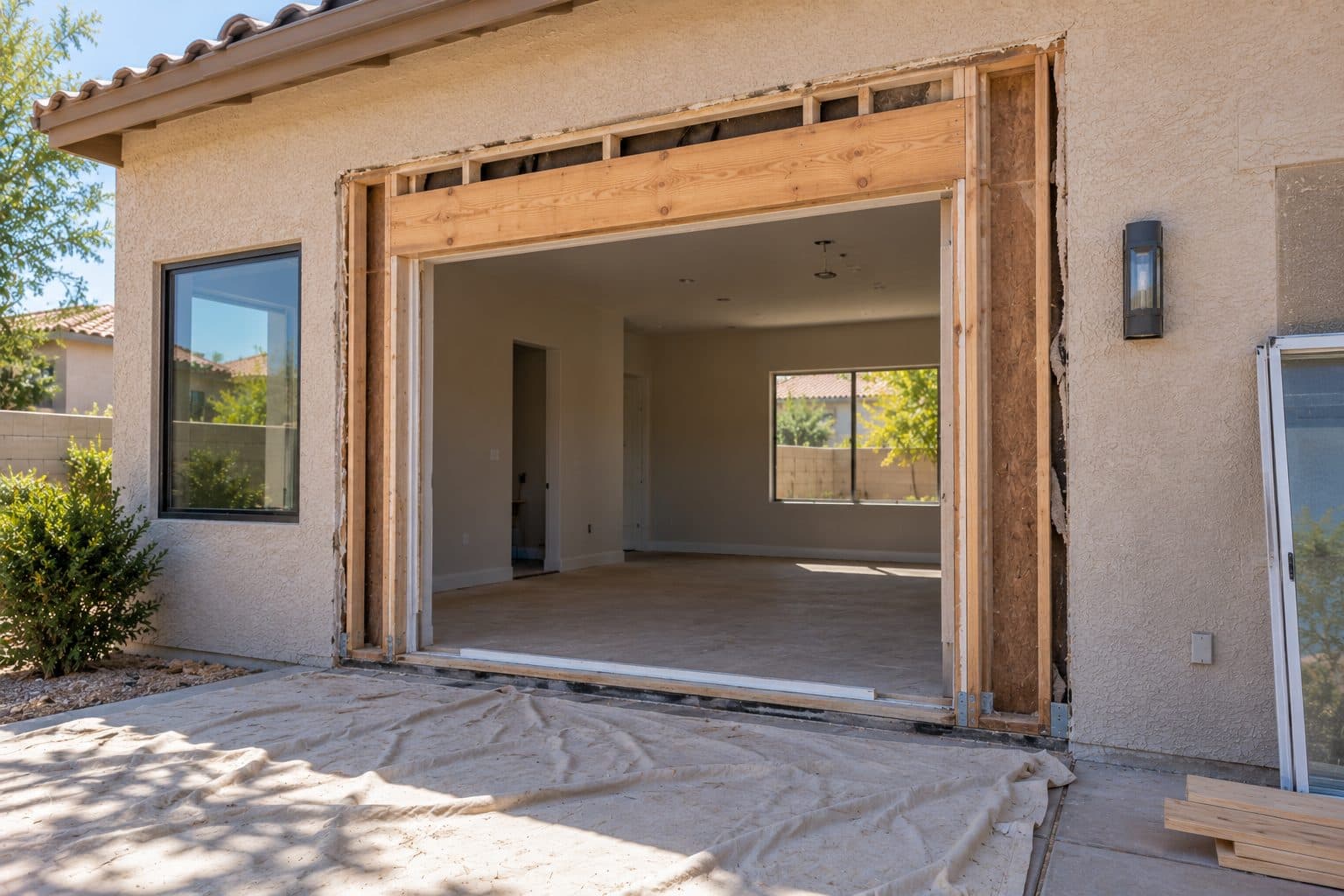
Measured before anything is ordered
Flashed so water has a way out
Look at the view from both sides
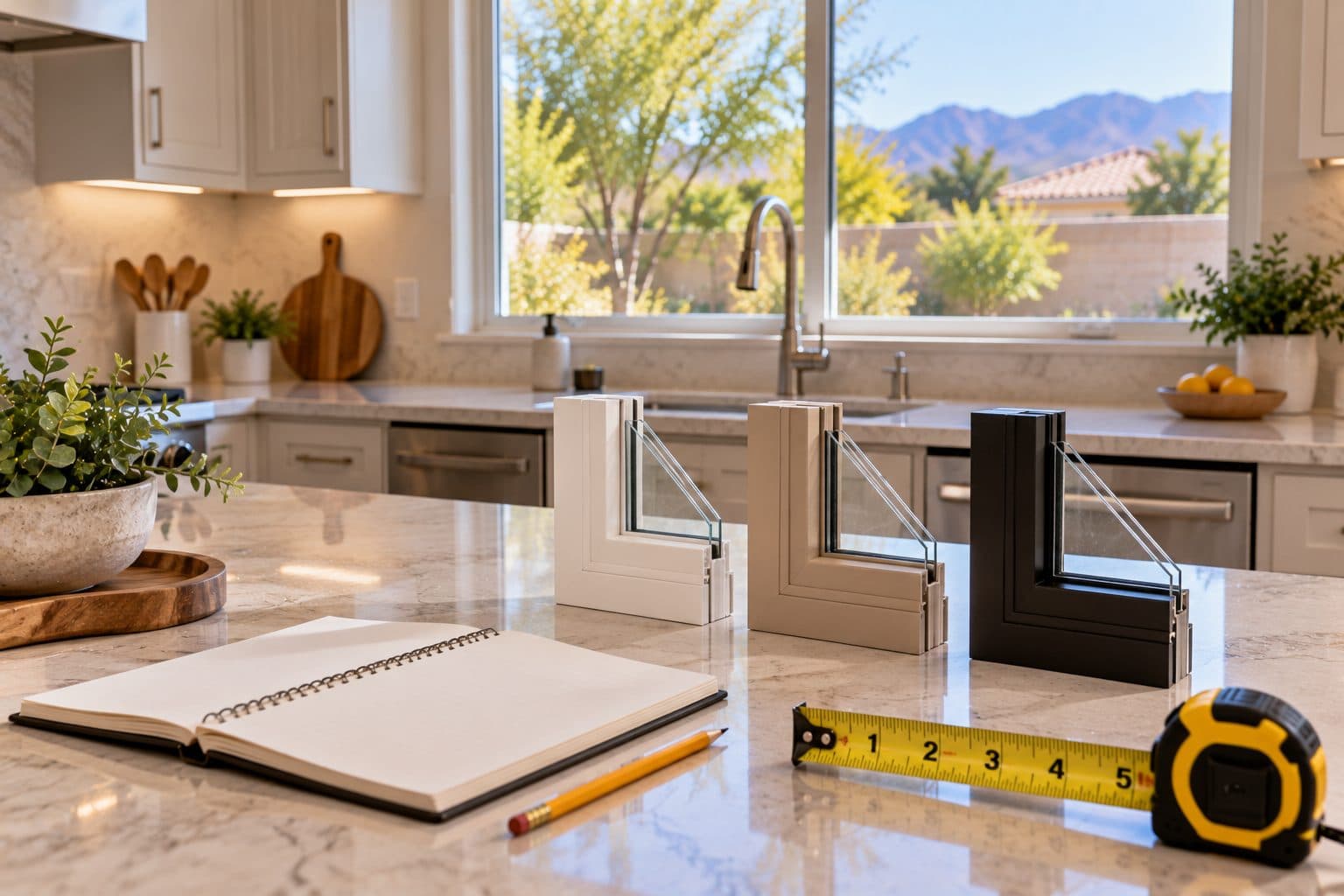
A sample should help you judge transmitted light and reflected appearance. View it from inside and outside where practical, with attention to the lighting conditions that matter in your home. A small dark sample held against a bright wall can be misleading.
Think about adjacent windows too. Treating only one unit in a visible group can create an appearance difference. Replacing some glass with a new coating can do the same. Ask how the selected products will look together rather than assuming similar performance means identical color. The design center shows glass appearance options.
Privacy requires a separate discussion. Reflective appearance can change with relative lighting, so a daytime demonstration should not be taken as proof of privacy after dark. If privacy is the goal, specify the actual conditions and choose an appropriate solution.
Compare claims with matching denominators
A film sheet may emphasize UV rejection, infrared rejection, total solar energy rejected or glare reduction. Those percentages do not measure the same quantity. A strong UV result cannot be substituted for SHGC, and a figure for one infrared range should not be presented as rejection of all solar energy.
For each claim, record what energy or light is being measured, the base glass used, and whether the value concerns the film-glass combination or a whole window. Then compare equivalent fields. If the two proposals do not provide an equivalent metric, mark the comparison unresolved instead of selecting the larger percentage.
Imagine a sound home-office window, perhaps in a west-facing room, whose main problem is screen glare. A darker film may reduce transmitted light continuously, including on cloudy mornings. An operable shade can address the glare period but requires a usable operating routine. Factory replacement glazing changes a larger scope and may address other goals. The choice turns on when the control is needed, the condition of the existing window and the accepted daylight tradeoff.
The same film should not be chosen to fix between-pane fogging: that condition lies inside the sealed glazing assembly, beyond the surface treatment. Defining the problem first prevents a compelling percentage from answering the wrong question.
Compare the full scope, not only the treatment price
A film proposal may involve glass preparation, application, a curing period and particular cleaning instructions. A replacement proposal can include removal, installation and surrounding finish work. Record those scopes separately to understand what each price buys.
Ask what happens to existing screens, coverings, decorative elements or earlier films. If removal of an old treatment is required, clarify whether it is included and how the underlying glass condition will be handled.
For a hypothetical home office with sound windows and afternoon screen glare, a compatible treatment or shading change may deserve investigation. For a room with fogged glass and worn sashes, a replacement discussion can address condition and glazing together. The sensible choice follows the evidence in each room.
Choose a defined outcome and retain the records
Write down your priority before comparing options: reduced glare during work, less unwanted solar gain, a clearer view or a coordinated replacement project. Ask each provider to explain how the proposed scope addresses that priority and what it does not resolve.
Keep the exact product name, performance basis, compatibility confirmation and care information. If you later replace the glass or window, tell the provider about any existing treatment. A well-documented decision is easier to maintain than a general promise of better glass. To talk through replacement glazing, use our contact page.
This guide supports
Energy-Efficient Windows →things people ask us
Frequently Asked Questions
Is Low-E glass simply dark tinted glass?
No. Low-E describes a coating property, while tint describes an appearance or treatment category. Low-E products can have different visible-light and solar-control characteristics. Compare the actual ratings and samples instead of using darkness as a proxy for insulation or solar performance.
Can film fix fog trapped inside double-pane glass?
A surface film does not restore a failed sealed glass cavity. Confirm the location of the moisture and assess the glass or sash options first. Applying a new treatment before understanding the existing condition can leave the original problem unresolved.
Will film void every window warranty?
Terms differ. Read the existing window warranty and ask for written compatibility and coverage information for the proposed film. Clarify which party covers film, glass breakage, seal issues and associated labor. Do not assume either universal approval or a universal exclusion.
Does UV protection prevent all fading?
No. Visible light, heat and material characteristics also affect fading. UV reduction can be useful, but it should not be presented as complete protection or as the same measure as solar heat control. Compare the selected product’s documented purpose and limitations.
Still have a question about your home?
Ask us directly. A quick description of the opening is enough.
keep going
Related Services and Guides
- Energy-Efficient Windows
Energy-efficient windows for Las Vegas homes: how U-factor, SHGC and sun exposure guide the right glass for each room. Request a window estimate.
- Understand window energy ratings
U-factor and SHGC explained in plain terms: what each window energy rating measures, how to read an NFRC label, and which numbers to compare on a quote.
- Glass or complete replacement
Should you replace the glass or the whole window? Learn when new glass is enough, when a sash swap works and when full window replacement makes sense.
- Plan a west-facing room
West-facing windows take low afternoon sun that overhangs often miss. See how to plan glass, shading and glare control for a hot Las Vegas room.
- Glass appearance options
Window and door glass options: clear, textured privacy and decorative glass, how each looks by day and at night, and what to check before you choose.
- Best Windows for Las Vegas Heat
The best windows for Las Vegas heat depend on sun exposure, glass coating and SHGC, not frame material alone. See what to compare room by room.
- Can Replacement Windows Reduce Noise?
Can replacement windows reduce noise? Yes, within limits. Learn what STC and OITC ratings mean, how laminated glass helps, and where else sound gets in.
- Double-Pane vs Triple-Pane Windows
Double-pane vs triple-pane windows: what a third pane changes for insulation, sun heat, noise and weight, and how to tell if it is worth it for a room.
- Black Windows in Las Vegas Heat
Thinking about black windows in Las Vegas heat? Learn how dark frame finishes handle sun exposure, what to ask about the finish, and how glass affects heat.
Sources referenced on this page
Independent references linked in the text above. A manufacturer source explains a product concept; it does not mean Agave Windows supplies that brand.
- WBDG's film fundamentals (legacy.wbdg.org)
- LLumar's installation FAQ (llumar.com)

ready when you are
Have a Question About Your Own Home?
A guide can explain the choice. Your openings decide the answer. Tell us what you are seeing and we will help you work out the next step.
- Photos can follow once we reply; no measurements needed
- A written scope before anything is ordered
- Licensed, insured, and bonded
Request an Estimate