


- 7 min read
- Updated
- Supports: Energy-Efficient Windows
Double-Pane or Triple-Pane Windows?
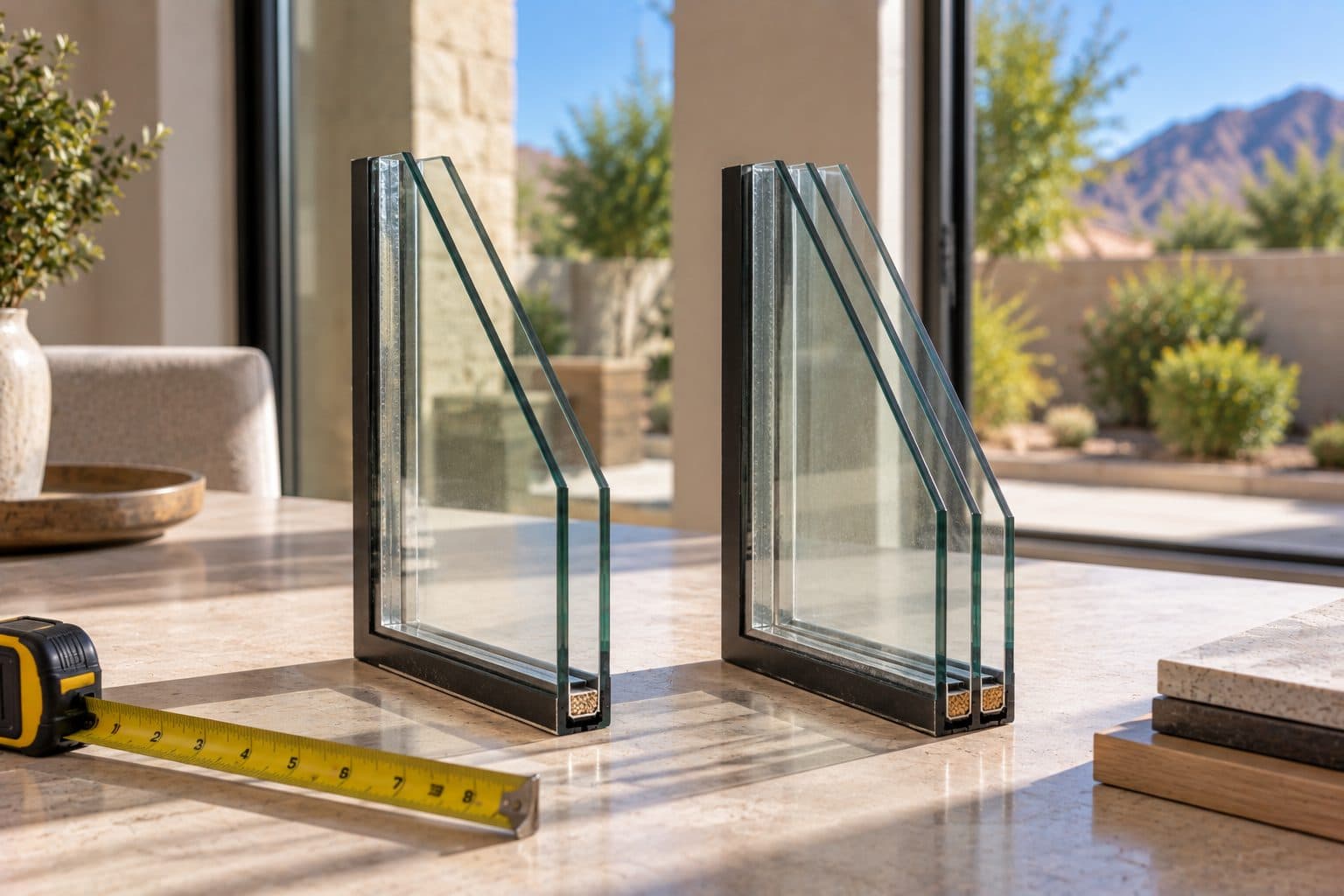
Double-pane and triple-pane windows describe the number of glass layers in an insulating-glass assembly. That count is useful, but it does not tell you the complete thermal, acoustic or operating performance. Coatings, cavity design, frame construction and the finished configuration also matter.
Good energy-efficient window selection starts with the result you need from the opening. The question is whether a particular triple-pane option provides a worthwhile advantage over a particular double-pane option for your home, with the tradeoffs made clear.
The short version
A third pane can improve insulation, but it does not automatically cut sun heat or noise, and it adds weight. Compare the whole-window U-factor and SHGC of both options for the room before paying more.
On this page
Compare actual assemblies, not category labels
Begin with two defined products. Record the manufacturer, series, size, operating style, frame and glazing package. If one quote changes several of those at once, ask which differences come from pane count and which come from the rest of the design.
A comparison between a fixed triple-pane unit and an operable double-pane window does not isolate the effect of the additional pane. It may still be a valid project choice, but the homeowner should understand the change in function as well as the rating.
Compare equivalent installation scopes
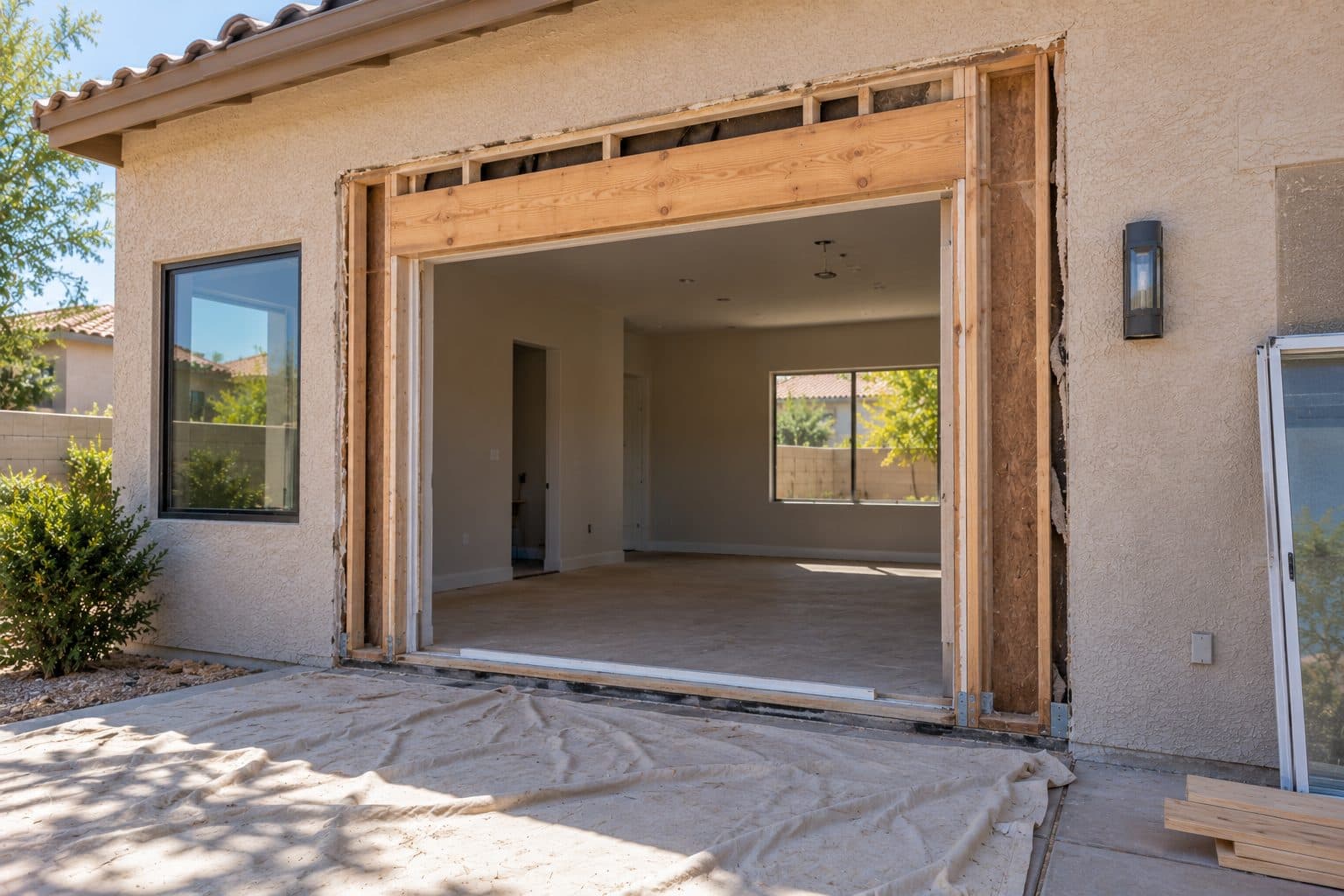
Keep installation scope equivalent too. Retaining an existing frame and removing it completely (the retrofit or full-frame choice) can produce different costs and finish consequences. Separate that decision from the glazing comparison so the final price has an understandable basis.
What the additional pane actually changes
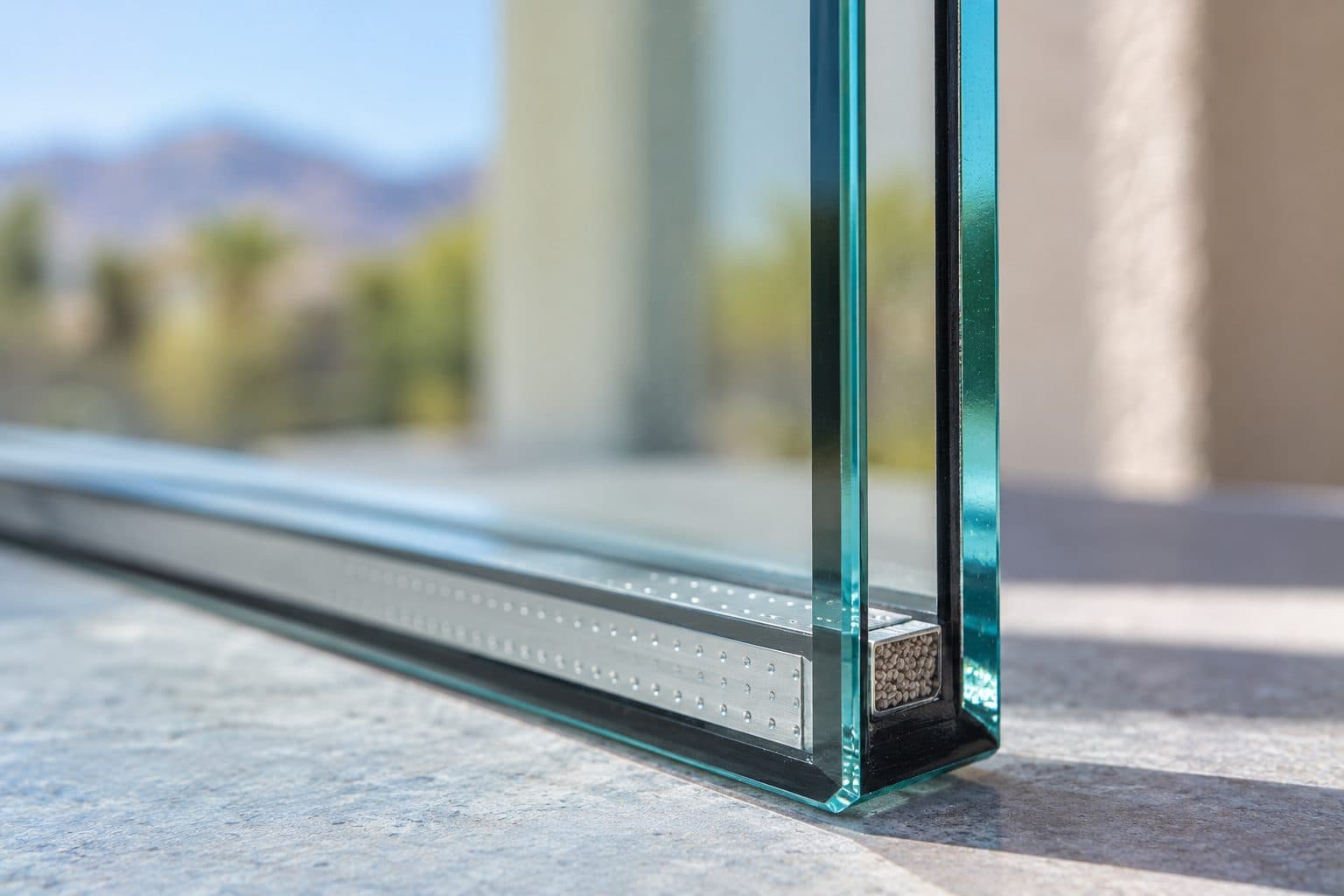
The useful insulating feature is the complete glazing system: glass, enclosed gaps, coatings and edge construction. A third pane creates another cavity. Gas fills and low-emissivity coatings can further change heat transfer, while the frame remains another path through the assembly. This is why a strong double-pane design and a basic triple-pane design cannot be ranked just by counting layers. DOE's window purchasing guidance describes these technologies as parts of the thermal design.
Whole-product U-factor brings their combined thermal effect into one comparable measurement. Our guide to U-factor and SHGC explains both ratings. Lower U-factor means less heat transfer for the same area and temperature difference under the stated conditions. It does not measure direct solar gain, sound reduction or ease of opening.
Consider the size of the improvement as well as its direction. In a purely illustrative comparison, U-factor changes from 0.28 to 0.22 in the same units and rating basis. The reduction is 0.06, or about 21% of the starting U-factor. That describes the rated heat-transfer coefficient, not a 21% reduction in the home's heating or cooling bill. The house also exchanges heat through walls, roof, air leakage and other routes; sunlight is a separate window load.
If the lower-U option also changes frame material or operating style, the improvement belongs to that complete option. It cannot all be credited to its third pane. Keep the performance conclusion accurate even when the two products remain useful alternatives.
Read solar heat gain separately
U-factor
How easily heat passes through the whole window. Lower keeps more heat out in summer and in during winter.
SHGC
Solar heat gain coefficient: how much of the sun's heat comes through. Lower means less heat from direct sun.
VT
Visible transmittance: how much daylight comes through. Higher means a brighter room.
For sunny Las Vegas openings, SHGC is a separate part of the decision, along with the other Las Vegas heat considerations. It describes admitted solar energy. A third pane does not automatically tell you whether the selected product has the appropriate solar-control profile for the room.
Compare SHGC for both proposals and ask how the glazing relates to direction and shade. A cooling-focused room may prioritize limiting unwanted solar gain, while the household also wants useful daylight and an appealing view.
Do not allow the number of panes to replace a coating discussion. Two glass packages with the same pane count can have different solar performance. The specification should make the intended combination visible.
Check daylight and appearance before deciding
Visible transmittance describes visible light passing through the rated product. Compare it when considering the daylight tradeoff between the two assemblies. Do not assume every triple-pane option has the same appearance or that every double-pane unit looks brighter.
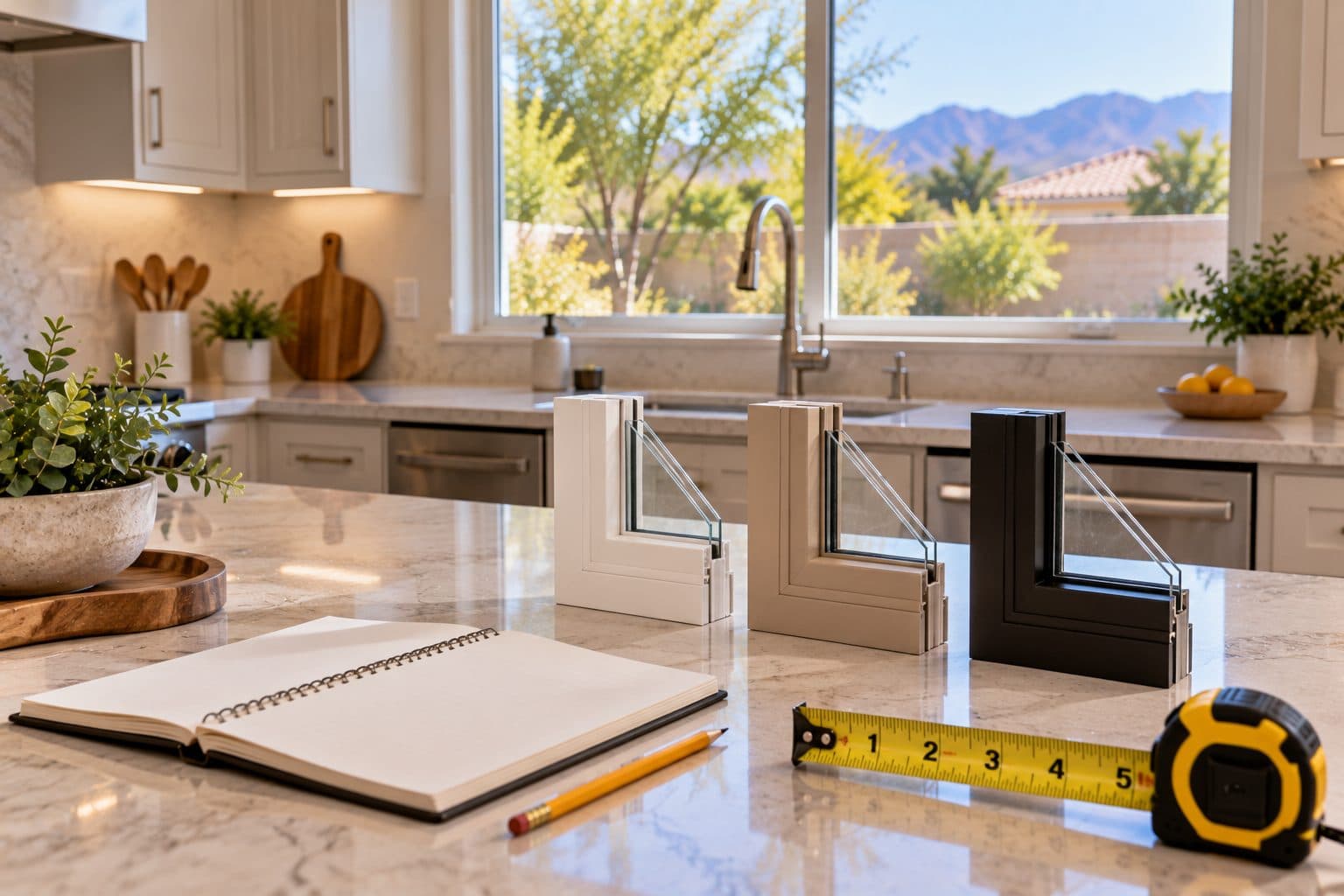
Ask to see appropriate samples and consider how new units will look beside retained windows. Glass color, reflection and frame proportions can affect the visual result. A small handheld sample provides a clue, while drawings help explain the full installed opening.
If only one elevation is being upgraded, document whether a difference in glazing appearance is acceptable. Coordinating the house does not necessarily require one specification everywhere, but it does require deliberate choices.
how we install
The Part Behind the Glass

Measured before anything is ordered
Flashed so water has a way out
Ask about weight, size and operation
The window system must be designed for its glazing. More glass can change the load the frame and operating hardware support, but the practical effect depends on the product. Confirm that the required size and style are available with the proposed package.
Try the relevant operating system where possible. Ask how the sash is supported, how controls are reached and what care is required. A lightweight-looking handle does not tell you how a large unit will feel in daily use.
Think about the person operating the window and the furniture around it. Reaching over a counter, opening an upper sash or removing a screen can matter more to usability than a small difference in a brochure rating. Keep these questions in the selection rather than treating them as afterthoughts.
Do not use pane count as an acoustic guarantee
Acoustic performance depends on the complete assembly. Glass thicknesses, cavity arrangement, seals and other design choices can affect the result. A triple-pane label alone does not establish that a unit will reduce the particular outside noise troubling you.
If noise is a priority, request the applicable full-assembly acoustic data and compare like rating systems. Keep STC or OITC separate from energy ratings. Ask whether the test configuration matches the window in the proposal.
Other paths through the room can also limit the result. A better-rated window does not automatically eliminate sound entering through doors, vents or surrounding wall areas. Use a noise assessment when the problem warrants it. Our guide explains the limits of window noise reduction.
Decide whether the difference is useful to you
Build the comparison around the problem you are paying to solve:
| Priority | Evidence that distinguishes the options | What pane count cannot establish |
|---|---|---|
| Reduce heat transfer | Whole-product U-factor on the same basis | A room-temperature or bill outcome |
| Limit afternoon solar gain | SHGC, exposure and shading | Which option admits less solar energy |
| Preserve daylight | VT and actual samples | The appearance of every glazing package |
| Improve quiet | Relevant full-assembly acoustic report | A guaranteed audible reduction |
| Keep everyday use comfortable | Offered size, hardware and operation | How easily a large sash will move |
Imagine an illustrative office with west-facing windows where the owner dislikes a late-afternoon sun patch. Two quoted windows have the same SHGC, while the triple-pane option has a lower U-factor. The thermal difference is real, but the extra pane does not establish that the sun patch will disappear. Its direction and timing come from sun geometry; suitable shading may be central to that goal. The homeowner can still value the lower U-factor, provided it is bought for the benefit it actually documents.
Now imagine a room with little direct sun where the main concern is discomfort close to cold glass in winter. The lower-U option has a clearer connection to the stated thermal goal. That still leaves the room conditions, installed detail, price difference and usability to consider. It is a reason to examine the upgrade, not a promised comfort temperature.
For the final choice, write one sentence: “The upgrade adds ___, supported by ___, and changes ___ in price, appearance or use.” An empty evidence field is a reason to resolve the comparison before ordering. A worthwhile benefit may be comfort or a preferred specification without claiming a fixed financial return.
Keep the selected package explicit
Before ordering, record the pane configuration, coatings, ratings and any related operating limitations in the final schedule. Confirm that the offered warranty applies to the selected product and ask what product and installation coverage include.
Bring both performance goals and everyday use questions to Agave Windows through the contact page. A useful comparison shows why one defined assembly fits your opening better, rather than asking you to choose the larger pane count on faith.
This guide supports
Energy-Efficient Windows →things people ask us
Frequently Asked Questions
Are triple-pane windows always better in a hot climate?
They can provide a thermal advantage in a particular design, but the full specification matters. Compare U-factor and SHGC separately, along with daylight and operation. The best fit for a hot, sunny opening cannot be determined from the pane count alone.
Will triple-pane windows make the house quiet?
They do not guarantee silence. Request acoustic evidence for the complete assembly if noise matters, and consider other sound paths into the room. A third pane without relevant test data is not a reliable basis for predicting the change you will hear.
Can I use different pane counts in different rooms?
It may be possible within a coordinated product plan. Confirm availability, appearance, frame proportions and the ratings for each configuration. Keep an opening schedule and understand any visual differences where units are seen together. The decision should reflect room needs and product compatibility.
How should I compare the price difference?
Ask for equivalent sizes, styles, installation scope, finishing and coverage. Identify the documented benefits of the glazing upgrade and any other product differences. Without that scope match, the price difference may reflect much more than an additional pane of glass. Our guide covers the other window project cost factors.
Still have a question about your home?
Ask us directly. A quick description of the opening is enough.
keep going
Related Services and Guides
- Energy-Efficient Windows
Energy-efficient windows for Las Vegas homes: how U-factor, SHGC and sun exposure guide the right glass for each room. Request a window estimate.
- U-factor and SHGC
U-factor and SHGC explained in plain terms: what each window energy rating measures, how to read an NFRC label, and which numbers to compare on a quote.
- Las Vegas heat considerations
The best windows for Las Vegas heat depend on sun exposure, glass coating and SHGC, not frame material alone. See what to compare room by room.
- Window noise reduction limits
Can replacement windows reduce noise? Yes, within limits. Learn what STC and OITC ratings mean, how laminated glass helps, and where else sound gets in.
- Window project cost factors
What affects window replacement cost in Las Vegas: window size and type, glass, installation method and stucco or trim repair. Learn how to compare quotes.
- Low-E Glass vs Window Tint
Low-E glass vs window tint: how a factory coating differs from film added later, when each makes sense, and what film cannot fix on double-pane windows.
- West-Facing Windows
West-facing windows take low afternoon sun that overhangs often miss. See how to plan glass, shading and glare control for a hot Las Vegas room.
- Black Windows in Las Vegas Heat
Thinking about black windows in Las Vegas heat? Learn how dark frame finishes handle sun exposure, what to ask about the finish, and how glass affects heat.
Sources referenced on this page
Independent references linked in the text above. A manufacturer source explains a product concept; it does not mean Agave Windows supplies that brand.
- DOE's window purchasing guidance (energy.gov)

ready when you are
Have a Question About Your Own Home?
A guide can explain the choice. Your openings decide the answer. Tell us what you are seeing and we will help you work out the next step.
- Photos can follow once we reply; no measurements needed
- A written scope before anything is ordered
- Licensed, insured, and bonded
Request an Estimate