


- 7 min read
- Updated
- Supports: About
Questions to Ask a Window Contractor
A useful contractor conversation should leave you with more than a price and a brochure. You should know who is responsible for the work, what product is being ordered, how the opening will be handled and what happens if the scope changes.
Use these questions to compare proposals on the same basis. The goal is not to find a contractor who answers every question with an absolute promise. It is to find clear, verifiable information and a written scope that matches your home.

The short version
Ask who holds the contractor license, who installs the windows, exactly which product is quoted, how each opening will be handled, who handles permits, and what coverage you get in writing. Then compare written answers, not only price.
On this page
Who is the contracting business?
Start with the legal business named on the agreement, the license number it provides and any trade name used in the proposal. Follow the license-search link from the Nevada State Contractors Board and match the official record to that identity. A similar business name or a salesperson's photograph of an old card is not the same as a current matching record.
The Board tells consumers to check the relevant classification and monetary limit before signing. Those details matter because a license is not blanket authority for every type or size of construction project. For a scope that includes changing an opening or other trades, resolve its fit with the license through the Board when necessary; do not infer it from the phrase “window specialist.”
Keep the date and result of the check with the proposal. If the names or details do not match, ask for an explanation and verify the corrected information before proceeding. The check establishes a specific business record at a point in time. It does not inspect your future installation or replace the written scope.
Clarify who performs the installation
Identify the installation party, any subcontracting arrangement and the person responsible for questions and follow-up. Obtain applicable insurance information separately. A license, an insurance document and a product warranty each answer a different question; none should be used as a substitute for the others.
What condition did you find at my openings?
Ask the contractor to explain observations before recommending a scope. A fogged glass unit, worn operating hardware and a damaged surrounding opening are different findings. Ask why the proposed work addresses the actual concern.
Find out what can be assessed before removal and what may remain concealed. A contractor should be able to explain that limit without either dismissing possible issues or assuming that every hidden area needs repair.
If the recommendation is complete replacement, ask what makes component repair or replacing only the window glass less suitable where those are plausible alternatives. The answer should relate to condition, compatibility or your goals, not simply a universal preference for the largest project.
Which exact window is included?
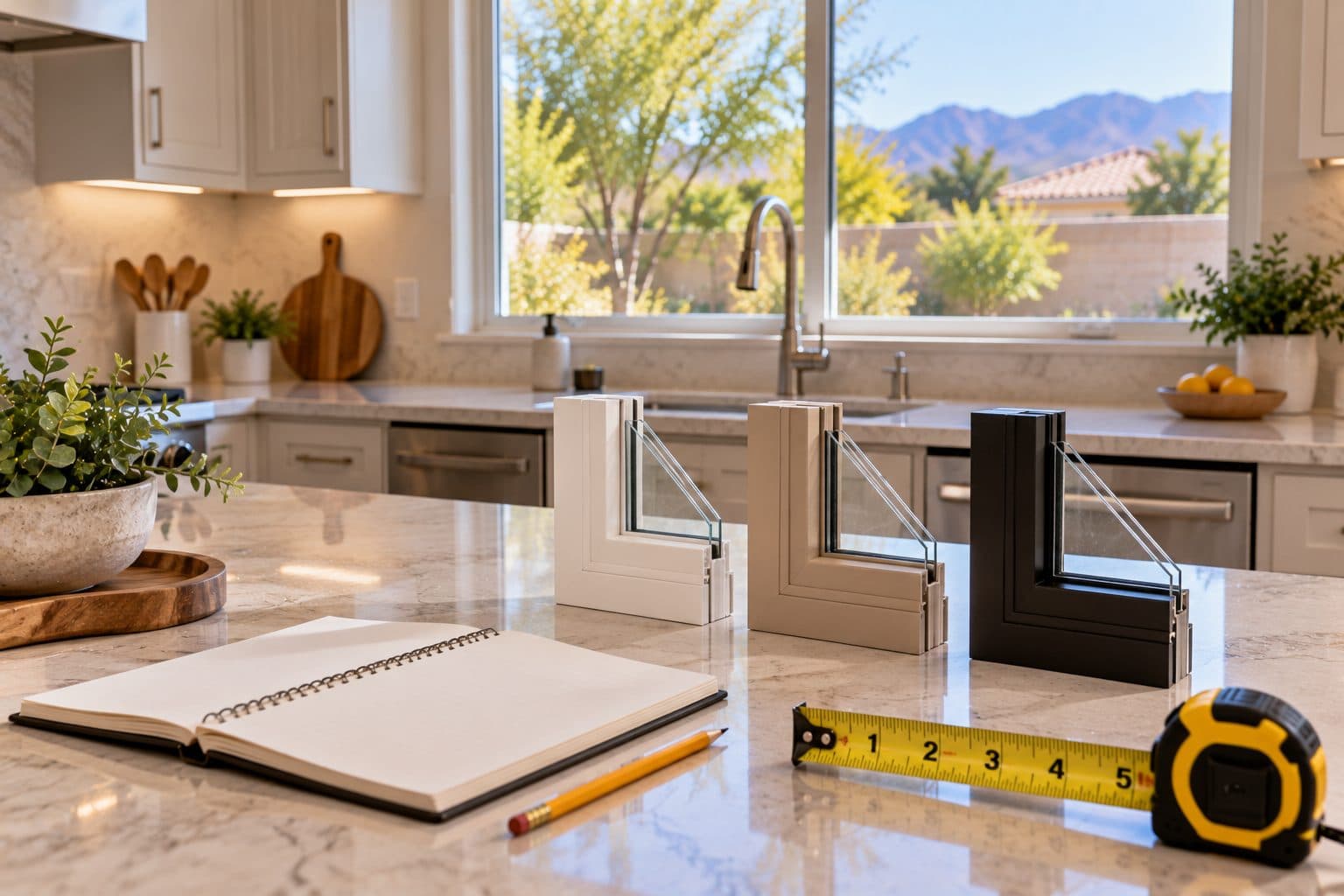
Request manufacturer, series, operating style, frame, finish and glazing information. Include grids, screens, hardware and other selected options. A proposal saying only vinyl double-pane windows leaves important details unresolved.
Ask for the whole-product energy ratings relevant to the chosen configuration. If acoustics or another tested characteristic is part of the recommendation, request that evidence separately. A product family’s headline maximum is not necessarily the performance of your selected unit.
Confirm who takes final measurements and who approves the order schedule. Review the opening identifiers, quantities and operating directions before fabrication. If the product is substituted later, ask how the change will be documented and approved.
What is the installation approach, and why?
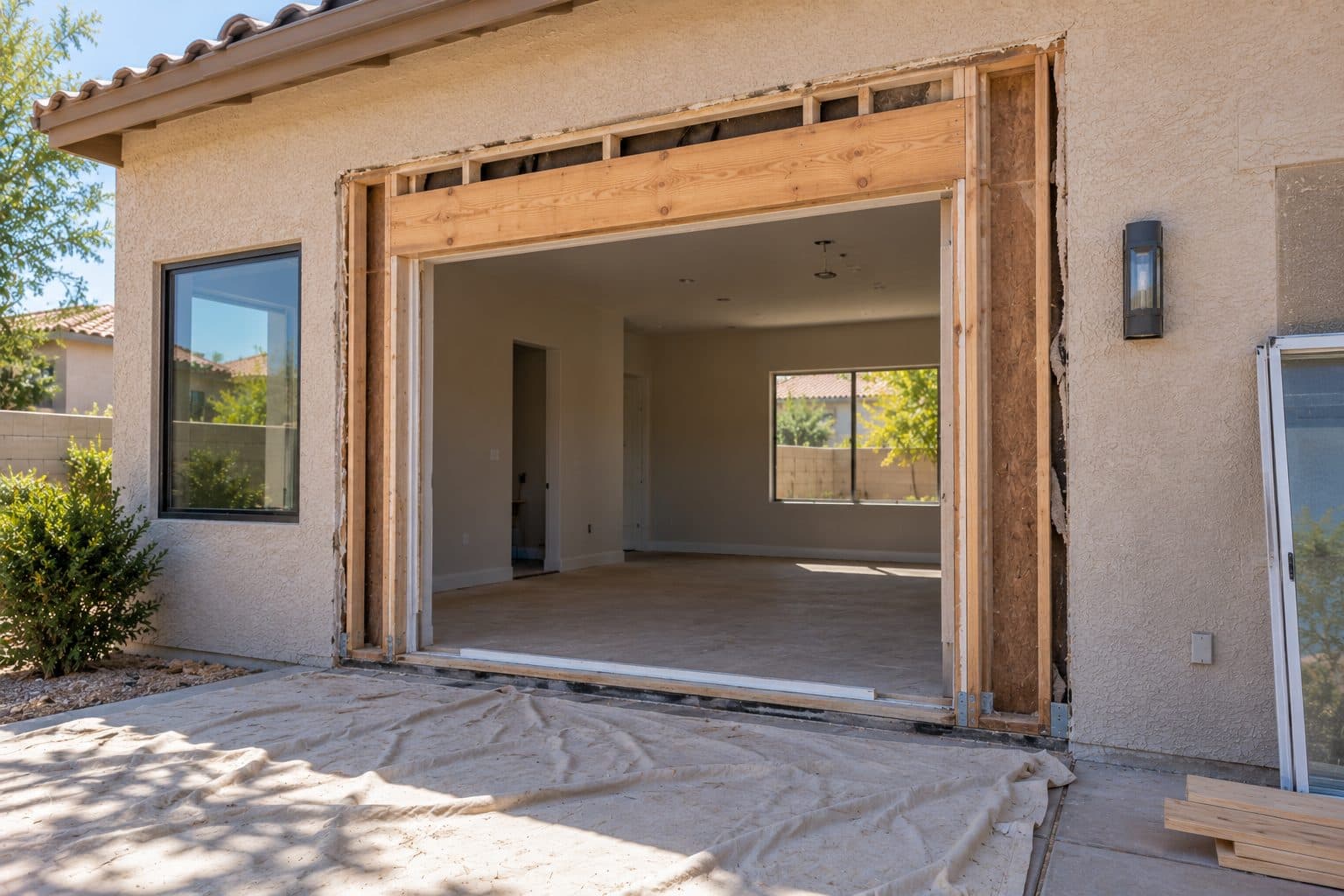
Ask what existing materials stay and what are removed. Request an explanation of the proposed frame-to-wall connection, including support, air sealing and water-management details appropriate to the product and wall. Agave's published installation standards show the level of detail to expect.
A method name such as retrofit or full-frame replacement is a starting point, not a complete specification. Ask which manufacturer instructions govern the work and how known opening concerns will be addressed.
Where stucco, trim or interior returns are affected, discuss the finish boundary. The completed project should be understandable from the scope, including anything left to another trade. Do not assume that installation automatically includes full repainting or unrelated wall repairs.
how we install
The Part Behind the Glass

Measured before anything is ordered
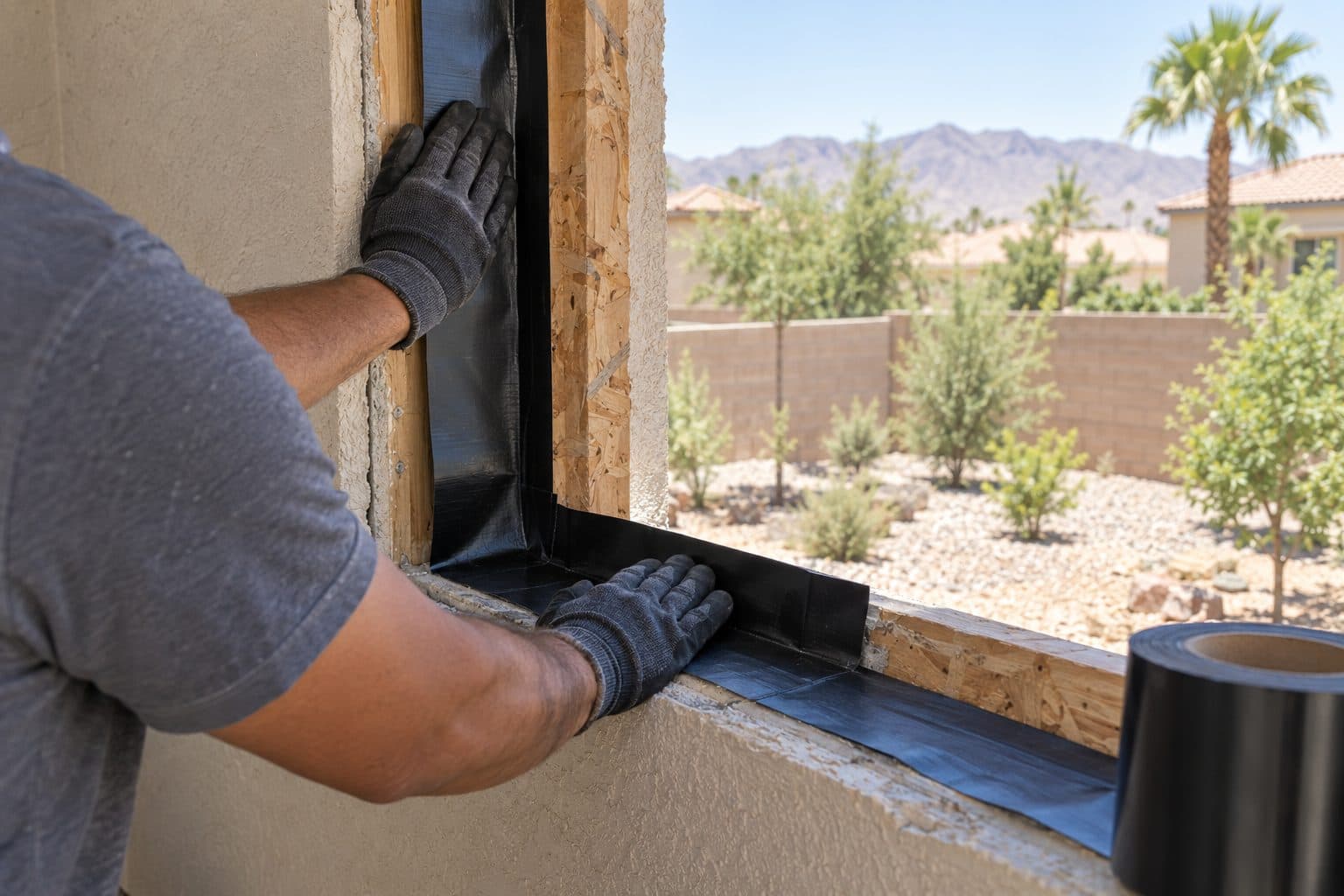
Flashed so water has a way out
Who handles permits and association information?
Ask how the relevant jurisdiction and project requirements will be checked. Confirm who prepares and submits documents, pays any applicable fees and coordinates inspections when required. Avoid relying on a blanket statement that replacement never needs a permit. Our Las Vegas window permit guide outlines the questions to raise.
Association review is a separate question. If assistance with product drawings or an application is expected, identify it in the scope. A contractor can explain an agreed support role without guaranteeing a review body’s decision.
For opening changes, make sure the proposal identifies any additional design or engineering assessment needed. The scope should match the contractor’s actual authority and capability rather than hiding structural work under a general installation line.
How are unexpected conditions handled?
Ask what happens if removal exposes damaged material or an unsuitable prior detail. A useful answer describes documentation, an explanation of options and a written approval process for changed scope and price.
Clarify who can authorize changes if you are unavailable. Also ask how the site will be managed while a decision is pending. This is particularly useful for occupied homes where access and temporary conditions matter.
Read any allowances or exclusions closely. If an item is uncertain, ask what the allowance covers and how the final amount is established. A vague contingency line should not replace a clear explanation of the underlying risk.
What schedule can you substantiate now?
Separate product lead time, installation appointment and final finishing. Ask which dates are estimates, what must happen before confirmation and how updates are communicated. Availability can change with the actual product and scope.
Ask about access, household preparation and any separate visits. The contractor should identify the needs relevant to your home rather than promise an identical installation duration for every project.
If a particular deadline matters, discuss it before ordering. Request a realistic explanation of dependencies instead of choosing a proposal solely because it offers the earliest verbal date.
What coverage will I receive in writing?
Request the product warranty and the installation or labor coverage separately. Ask who receives a claim, what documentation is needed and which costs a covered remedy includes. The word lifetime does not answer those questions.
Review exclusions, transfer terms, care requirements and any differences among components. Ask whether removal, reinstallation or surrounding finish work is included when a product component is replaced.
Keep the documents applicable to the product and purchase period. A current website summary may not describe every version or option, so obtain the actual written terms for the order. Our guide explains how to read warranty documents.
What does a useful answer sound like?
Evaluate the connection between the claim, its evidence and your particular opening. A precise answer can acknowledge uncertainty while still supporting a decision.
| Topic | Answer still missing decision detail | More useful answer structure |
|---|---|---|
| Product | “Our best energy-efficient window” | Identified series and configuration, with its applicable ratings |
| Method | “We always do retrofit” | What remains, why it is suitable and what access the proposed work needs |
| Finish | “Everything is included” | Named repair and painting areas, exclusions and responsible parties |
| Concealed condition | “There will be no surprises” | Findings so far, hidden areas and the process if removal changes the scope |
| Timing | “We can finish before your trip” | Dependencies, current date status and what counts as completion |
For example, “We observed fog inside the sealed unit; the sash and frame still need evaluation before we can compare glass-only work” is more informative than an immediate recommendation based on the fog alone. It identifies an observation, a limit and the next decision. That does not prove repair is appropriate; it shows how the conclusion will be reached.
Ask to have material answers incorporated into the proposal or its referenced documents. A clear conversation followed by an unchanged vague contract leaves the same ambiguity at ordering time. If a sample, drawing or performance report supports the selection, identify its version and the opening it applies to.
References can help test communication and completion experience. Ask a previous customer about work comparable in product, wall type or project complexity, rather than treating one attractive photograph as evidence for every application. Separate that experience evidence from technical certification and licensing; they serve different purposes.
Compare the answers before comparing the total
Use a short checklist: business identity, product schedule, installation method, finish scope, approvals, changes, timing and coverage. Mark anything unanswered in each proposal. Ask for revisions that make the scopes comparable. Our Las Vegas window replacement cost guide explains what moves a total.
A hypothetical low quote excluding interior repair may be a legitimate option for a homeowner planning separate finish work. It is simply a different scope from a quote including that work. A fair comparison makes the difference visible.
Bring these questions to Agave Windows, and read more about our company beforehand if that helps. A clear discussion should help you understand the proposal and the evidence behind each recommendation before you commit.
This guide supports
About →things people ask us
Frequently Asked Questions
How many estimates should I get?
Choose enough information to understand the available scope and make a confident comparison. The number alone does not ensure quality. A small set of detailed, comparable proposals is more useful than many totals with different products, exclusions and installation assumptions. You can request a window proposal from Agave as one of them.
Is the lowest price a reason to reject a contractor?
Not by itself. First identify what the price includes and excludes. Differences can reflect products, access, finishing or other legitimate scope choices. Ask for clarification where a proposal is unusually vague, and evaluate business identity, documentation and responsibility alongside cost.
Should a contractor guarantee no hidden problems?
Concealed conditions cannot always be established before removal. A useful proposal explains known findings, assessment limits and the process for additional work. A clear change procedure is more credible than an unsupported promise that no opening can contain an unexpected condition.
Where can I verify a Nevada contractor license?
Use the Nevada State Contractors Board’s official license search and compare the result with the contracting identity and proposed scope. Ask the contractor to resolve any mismatch. Keep this verification separate from checking insurance, product documentation and the actual written agreement.
Still have a question about your home?
Ask us directly. A quick description of the opening is enough.
keep going
Related Services and Guides
- About
Agave Windows is a new Las Vegas window and door company. We help homeowners choose replacement windows, patio doors and entry doors, then install them.
- Installation standards
What good window and door installation looks like: a checked opening, the manufacturer's instructions, water and air sealing, and a clear final walkthrough.
- Replacement method comparison
Retrofit vs full-frame window replacement: what stays in the wall, what comes out, how each affects glass size and finish work, and when each one fits.
- Product energy ratings
U-factor and SHGC explained in plain terms: what each window energy rating measures, how to read an NFRC label, and which numbers to compare on a quote.
- Read warranty documents
How to read a window warranty: what is covered, who pays for labor, what lifetime really means, whether it transfers, and which records you should keep.
- Compare project costs
What affects window replacement cost in Las Vegas: window size and type, glass, installation method and stucco or trim repair. Learn how to compare quotes.
Sources referenced on this page
Independent references linked in the text above. A manufacturer source explains a product concept; it does not mean Agave Windows supplies that brand.
- Nevada State Contractors Board (nvcontractorsboard.com)

ready when you are
Have a Question About Your Own Home?
A guide can explain the choice. Your openings decide the answer. Tell us what you are seeing and we will help you work out the next step.
- Photos can follow once we reply; no measurements needed
- A written scope before anything is ordered
- Licensed, insured, and bonded
Request an Estimate